
A Story of Vibrant Health, Unveiled by Science
Imagine a splash of vibrant crimson, a burst of summer sun captured in a single fruit. The tomato, humble yet magnificent, has graced our tables and delighted our palates for centuries. From the ancient Aztec "xitomatl" to the iconic Italian passata, its journey across continents and cultures is a testament to its versatility and appeal. But beyond its culinary prowess lies a deeper, more profound narrative – a story of protection, resilience, and the intricate dance between nature and human health. At the heart of this story, glowing with a deep, protective red, is lycopene.
For a knowledgeable audience, steeped in the nuances of molecular biology and epidemiological trends, the tale of lycopene is not merely a list of facts but a compelling saga of scientific discovery, mechanistic unraveling, and the profound impact of dietary choices on the most vital organ system in our body: the cardiovascular system.
The Cardiovascular System: A Masterpiece Under Siege
Before we delve into the crimson shield of lycopene, let us first appreciate the marvel that is the human cardiovascular system and understand the threats it constantly faces. It is an intricate network of arteries, veins, capillaries, and the tireless pump – the heart – ceaselessly circulating life-giving blood to every cell. This system, a paragon of efficiency, is designed for decades of unwavering performance. Yet, it is vulnerable.
The silent epidemic of cardiovascular disease (CVD), encompassing conditions like atherosclerosis, hypertension, myocardial infarction, and stroke, remains the leading cause of mortality globally. For the discerning mind, it’s not simply a matter of "bad luck" or aging; it’s a complex interplay of genetic predispositions, lifestyle choices, and environmental factors culminating in cellular dysfunction and systemic pathology.
At its core, CVD often begins with insidious damage to the endothelium – the delicate inner lining of blood vessels. This damage, often initiated by chronic inflammation, oxidative stress, and dyslipidemia, sets in motion a cascade of events:
- Endothelial Dysfunction: The endothelium loses its ability to regulate vascular tone, becoming permeable to lipoproteins and fostering an environment conducive to inflammation.
- Oxidative Stress: An imbalance between the production of reactive oxygen species (ROS) and the body’s ability to detoxify them. ROS, like molecular bullies, damage lipids, proteins, and DNA, turning beneficial molecules into harmful ones. A prime example is the oxidation of low-density lipoprotein (LDL), which is far more atherogenic than its unoxidized counterpart.
- Inflammation: The immune system, attempting to repair damage, can inadvertently exacerbate it. Chronic, low-grade inflammation within the arterial walls recruits immune cells (monocytes transforming into macrophages), which engulf oxidized LDL, becoming "foam cells."
- Atherosclerosis: The accumulation of these foam cells, along with smooth muscle cell proliferation and extracellular matrix deposition, forms atherosclerotic plaques. These plaques narrow arteries, harden vessel walls, and can become unstable, rupturing and triggering clot formation – the ultimate precursor to heart attacks and strokes.
- Hypertension: Persistently high blood pressure puts undue strain on the heart and blood vessels, accelerating endothelial damage and atherosclerosis.
This intricate dance of pathology highlights the urgent need for multifaceted protective strategies, and this is precisely where lycopene steps onto the stage.
Lycopene: The Red Sentinel’s Call
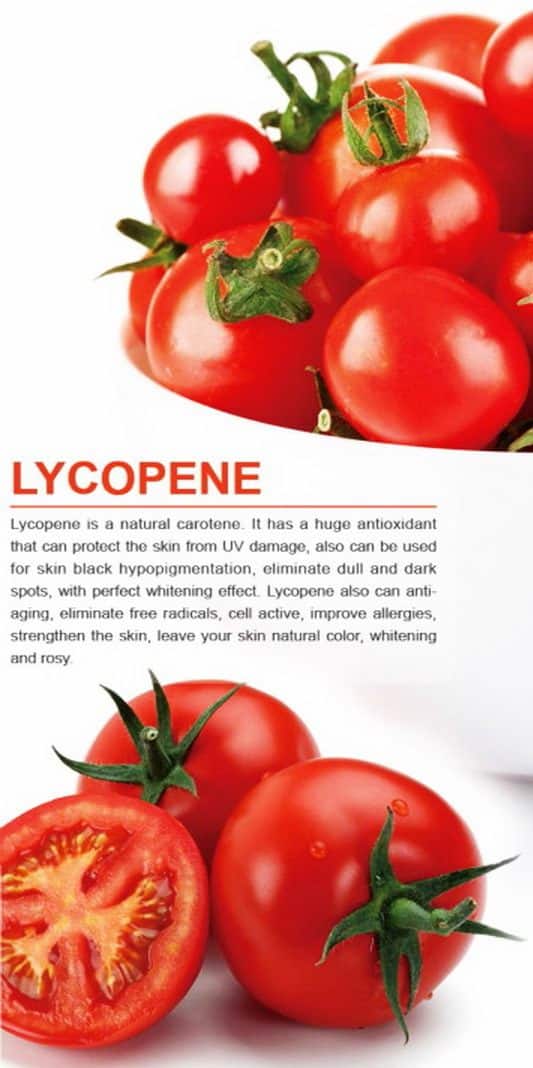
Lycopene, a member of the carotenoid family – the same pigments responsible for the vibrant hues of carrots, pumpkins, and autumn leaves – stands out as a unique and potent player in the symphony of natural protection. It is the primary pigment responsible for the characteristic red color of tomatoes, watermelon, pink grapefruit, and guava. But its beauty is far more than skin deep.
Discovered in the early 20th century, the full scope of lycopene’s biological significance began to unfold in the latter half of the century, fueled by an explosion of interest in dietary antioxidants and phytochemicals. Early epidemiological studies observed a correlation between high intake of tomato-rich foods and reduced risk of various chronic diseases, including certain cancers and, significantly, cardiovascular disease. This correlation spurred rigorous investigation into the underlying mechanisms, elevating lycopene from a mere pigment to a celebrated nutraceutical.
What makes lycopene unique among its carotenoid brethren? Unlike beta-carotene, lycopene does not convert to Vitamin A in the body. This distinction is crucial, as its biological activities are direct and distinct, centered primarily around its unparalleled antioxidant capacity and its pleiotropic effects on cellular signaling pathways.
The Mechanisms of Protection: Lycopene’s Multifaceted Shield
For the knowledgeable observer, understanding lycopene’s protective role requires a deep dive into its molecular actions. It’s not a single-bullet solution but rather a symphony of coordinated effects that collectively bolster cardiovascular health.
1. The Unrivaled Antioxidant Powerhouse
This is lycopene’s most celebrated attribute. While many compounds boast antioxidant properties, lycopene possesses a unique molecular structure – an acyclic polyene chain with 11 conjugated double bonds – that confers exceptional efficacy in neutralizing reactive oxygen species (ROS).
- Singlet Oxygen Quenching: Lycopene is arguably the most efficient quencher of singlet oxygen (¹O₂) among naturally occurring carotenoids and even outperforms alpha-tocopherol (Vitamin E) by a significant margin. Singlet oxygen is a highly reactive, non-radical oxygen species generated during various metabolic processes and by environmental stressors (e.g., UV radiation). Its ability to initiate lipid peroxidation and damage cellular components makes its effective neutralization paramount for cellular integrity. Lycopene’s mechanism involves absorbing the energy of ¹O₂ and dissipating it as heat, effectively deactivating it without undergoing degradation itself, allowing it to regenerate and continue its protective role.
- Scavenging Free Radicals: Beyond singlet oxygen, lycopene also effectively scavenges other notorious free radicals such as peroxyl radicals, hydroxyl radicals, and nitrogen dioxide. These radicals, if unchecked, can initiate chain reactions that damage cell membranes, proteins, and DNA, contributing significantly to oxidative stress and the initiation/progression of atherosclerosis.
- Boosting Endogenous Antioxidant Enzymes: Lycopene doesn’t just act as a direct scavenger; it also acts as a cellular orchestrator, enhancing the body’s own defense systems. It upregulates the activity of endogenous antioxidant enzymes such as superoxide dismutase (SOD), catalase, and glutathione peroxidase. These enzymes are the frontline defenders, converting harmful ROS into less damaging molecules, thereby reducing the overall oxidative burden on the cardiovascular system.
The net effect of these antioxidant actions is a profound reduction in oxidative stress, particularly the oxidation of LDL cholesterol. Oxidized LDL is a key instigator of atherosclerosis, promoting endothelial dysfunction, inflammation, and foam cell formation. By preventing this crucial initial step, lycopene acts as a critical bulwark against plaque development.
2. The Anti-Inflammatory Conductor
Inflammation, particularly chronic low-grade inflammation, is now recognized as a fundamental driver of atherosclerosis and other CVDs. Lycopene demonstrates significant anti-inflammatory properties, acting at multiple checkpoints in the inflammatory cascade.
- Modulating Inflammatory Pathways: Lycopene has been shown to inhibit the activation of nuclear factor-kappa B (NF-κB), a master regulator of inflammatory gene expression. By suppressing NF-κB, lycopene reduces the transcription of genes encoding pro-inflammatory cytokines, chemokines, and adhesion molecules.
- Reducing Pro-inflammatory Cytokines: It decreases the production of key pro-inflammatory mediators such as tumor necrosis factor-alpha (TNF-α), interleukin-6 (IL-6), and C-reactive protein (CRP). Elevated levels of these markers are strongly correlated with increased cardiovascular risk.
- Inhibiting Adhesion Molecule Expression: Lycopene reduces the expression of vascular cell adhesion molecule-1 (VCAM-1) and intercellular adhesion molecule-1 (ICAM-1) on endothelial cells. These adhesion molecules act like sticky flags, recruiting monocytes to the arterial wall, a critical step in the initiation of plaque formation. By diminishing their expression, lycopene helps prevent the infiltration of inflammatory cells into the vessel wall.
Through these actions, lycopene helps to quell the smoldering fire of chronic inflammation within the vasculature, fostering a healthier, less reactive endothelial environment.
3. Enhancing Endothelial Function and Vasodilation
A healthy endothelium is central to cardiovascular well-being. It produces nitric oxide (NO), a potent vasodilator that helps regulate blood pressure and prevent platelet aggregation. Endothelial dysfunction, characterized by reduced NO bioavailability, is an early marker and contributor to atherosclerosis and hypertension.
- Promoting Nitric Oxide Production: Lycopene has been shown to enhance the activity of endothelial nitric oxide synthase (eNOS), the enzyme responsible for producing NO.
- Protecting Nitric Oxide from Degradation: NO is highly susceptible to oxidative degradation by superoxide radicals. By reducing oxidative stress, lycopene helps preserve NO bioavailability, ensuring adequate vasodilation and improved blood flow.
- Impact on Blood Pressure: Improved endothelial function and increased NO availability contribute to better regulation of vascular tone, which can translate to a reduction in blood pressure, a key risk factor for CVD. Several studies have linked higher lycopene intake to lower systolic blood pressure.
4. Lipid Profile Modulation
Beyond preventing LDL oxidation, lycopene also plays a role in influencing lipid metabolism.
- Cholesterol Synthesis Inhibition: Some studies suggest lycopene may inhibit HMG-CoA reductase, the rate-limiting enzyme in cholesterol synthesis, similar to statin drugs, albeit with a much milder effect. This could contribute to a modest reduction in total cholesterol and LDL levels.
- Enhancing LDL Receptor Activity: There is evidence that lycopene can upregulate LDL receptor expression, leading to increased clearance of LDL from the bloodstream.
- Improving HDL Function: While the effects on HDL (high-density lipoprotein, the "good" cholesterol) levels are less consistent, lycopene’s antioxidant properties may protect HDL from oxidative damage, preserving its crucial role in reverse cholesterol transport.
5. Anti-Platelet Aggregation
Platelet aggregation, the clumping of platelets, is a necessary step in wound healing but a dangerous one in the context of unstable atherosclerotic plaques, leading to thrombus formation and acute cardiovascular events.
- Inhibiting Platelet Activation: Lycopene, possibly through its antioxidant and anti-inflammatory effects, has been shown to reduce platelet hyperactivity and aggregation, thus lowering the risk of thrombotic events.
6. Supporting Mitochondrial Health
Mitochondria, the "powerhouses" of the cell, are central to cellular energy production but are also significant sources of ROS. Damage to mitochondrial DNA and membranes by oxidative stress can impair their function, leading to cellular dysfunction and apoptosis, particularly in myocardial cells.
- Mitochondrial Protection: Lycopene’s potent antioxidant activity helps protect mitochondria from oxidative damage, ensuring their efficient function and contributing to overall cellular vitality and resilience within the cardiovascular system.
7. Modulating Cellular Communication
Lycopene has also been implicated in regulating gap junction communication, which are channels that allow direct cell-to-cell transfer of ions and small molecules. Disrupted gap junction communication can contribute to uncontrolled cell proliferation and impaired tissue function.
- Connexin Expression: Lycopene may modulate the expression of connexins, the proteins that form gap junctions, potentially influencing cell growth, differentiation, and communication within the arterial wall, which could have implications for plaque stability and regression.
From Farm to Fork: Maximizing Lycopene’s Potential
For the knowledgeable consumer, understanding the science behind lycopene’s benefits naturally leads to questions about its optimal dietary integration. The story of lycopene’s journey from the plant to our cells is as fascinating as its mechanisms of action.
- Bioavailability: The Cooking Advantage: Unlike many nutrients that are diminished by heat, lycopene’s bioavailability is enhanced by cooking and processing. The heat breaks down the rigid cell walls of tomatoes, releasing lycopene from its cellular matrix. Furthermore, cooking induces the isomerization of lycopene from its natural all-trans configuration to cis-isomers, which are more readily absorbed in the human gut. This explains why tomato paste, sauce, ketchup, and juice are often richer sources of bioavailable lycopene than raw tomatoes.
- The Role of Fat: Lycopene is a fat-soluble compound. Its absorption in the digestive tract is significantly improved when consumed with a source of healthy fats, such as olive oil (a staple of the Mediterranean diet), avocado, or nuts. This is why a simple tomato salad with a drizzle of olive oil is not just delicious but also a highly effective way to absorb this vital carotenoid.
- Synergistic Effects: The Whole Food Matrix: While lycopene is a star, it doesn’t act in isolation. Tomatoes are rich in a symphony of other beneficial compounds, including Vitamin C, Vitamin E, beta-carotene, lutein, and various polyphenols. These compounds often exhibit synergistic effects, meaning their combined action is greater than the sum of their individual parts. This underscores the importance of consuming whole foods rather than relying solely on isolated supplements. The "food matrix" provides a complex interplay of nutrients that often enhances absorption and biological activity.
- Dietary Recommendations: Incorporating tomato-rich foods into a balanced diet is a straightforward strategy. Aim for several servings per week of cooked tomato products like sauces, soups, stews, or even a simple bruschetta. For those seeking targeted intake, a daily serving of tomato paste or juice, ideally consumed with a fat source, can provide a substantial dose of bioavailable lycopene.
The Scientific Journey Continues: Challenges and Future Directions
Despite the compelling evidence, the scientific journey with lycopene is far from over. For the truly knowledgeable, acknowledging the nuances and remaining questions is crucial.
- Dosage and Optimal Intake: While epidemiological studies point to benefits from regular consumption, defining an "optimal" daily intake of lycopene remains a subject of ongoing research. Individual variability in absorption, metabolism, and genetic background means that a one-size-fits-all recommendation is challenging.
- Intervention Trials vs. Observational Studies: While observational studies consistently show associations, large-scale, long-term randomized controlled trials (RCTs) specifically on lycopene and hard CVD endpoints are more challenging and costly. Most existing RCTs are shorter-term and focus on surrogate markers like oxidative stress, inflammation, or endothelial function. The consensus, however, is that the totality of evidence strongly supports its beneficial role.
- Beyond Cardiovascular Health: While our focus here is on the heart, lycopene’s protective story extends further, with promising research in areas such as prostate health, skin photoprotection, bone health, and even neuroprotection.
- Precision Nutrition: Future research will likely delve into how individual genetic variations (e.g., in carotenoid-metabolizing enzymes) and the gut microbiome influence lycopene’s absorption and efficacy, paving the way for more personalized dietary recommendations.
- Sustainable Sourcing: As the demand for lycopene-rich products grows, ensuring sustainable agricultural practices and efficient processing methods becomes an important consideration for a truly holistic approach to health.
The Story of Hope and Empowerment
The story of lycopene is ultimately a story of hope and empowerment. It beautifully illustrates how scientific inquiry, from molecular biochemistry to large-scale population studies, can unravel the hidden gifts of nature. It demonstrates that the path to robust cardiovascular health isn’t always paved with complex pharmaceuticals but often begins in our gardens, in our kitchens, and with the conscious choices we make about what we nourish our bodies with.
For the knowledgeable audience, this narrative transcends simple dietary advice. It’s an invitation to appreciate the profound intelligence embedded within a simple fruit, to marvel at the intricate mechanisms by which a pigment protects a vital organ, and to recognize the power of integrating cutting-edge science with time-honored traditions of healthy eating. The vibrant red of the tomato, once a mere aesthetic pleasure, now glows with the profound promise of a healthier heart and a longer, more vital life. It’s a reminder that sometimes, the most potent medicines are found not in a laboratory, but in the bountiful lap of nature, waiting to be discovered, understood, and embraced.