
I. The Silent Epidemic and a Call to Action
In the grand narrative of human existence, few adversaries are as pervasive, as relentless, and as devastating as cardiovascular disease (CVD). It’s a silent epidemic, often working its insidious magic unseen, unheard, until its sudden, catastrophic manifestation – a heart attack, a stroke, the irreversible damage of heart failure. Globally, CVD claims more lives than any other condition, a stark reminder of its omnipresence and the urgent need for effective, sustainable interventions. The statistics are chilling: millions succumb each year, and countless more live with chronic conditions that diminish their quality of life, placing an immense burden on healthcare systems and individual families alike.
Yet, amidst this daunting landscape, a beacon of hope emerges, not from a pharmaceutical laboratory, but from the pristine, icy waters of the Pacific and Atlantic. It is a creature of immense beauty and astonishing resilience, undertaking epic migrations that defy belief: the wild-caught salmon. This magnificent fish, with its vibrant flesh and powerful form, carries within its very essence a profound promise for human health, particularly for the intricate engine that powers our lives – the heart.
This isn’t merely a tale of a healthy food; it’s a story of evolutionary perfection, of a natural synergy between a creature and its environment, culminating in a nutritional profile uniquely tailored to combat the modern scourges of inflammation, oxidative stress, and lipid imbalance that lie at the heart of cardiovascular disease. For the knowledgeable audience, the intricate mechanisms by which wild-caught salmon orchestrates a symphony of protective effects within our bodies are not just fascinating; they are a compelling call to action, an invitation to embrace food as medicine, and to harness the power of nature for a healthier heart.
II. Unmasking the Enemy: Understanding Cardiovascular Disease
Before we delve into the heroic qualities of salmon, it’s crucial to understand the formidable adversary it helps us confront. Cardiovascular disease is not a singular entity but a constellation of conditions affecting the heart and blood vessels. Its primary forms include:
- Atherosclerosis: Often considered the foundational pathology, atherosclerosis is a chronic inflammatory disease characterized by the hardening and narrowing of arteries due due to the build-up of plaque. This plaque, composed of cholesterol, fatty substances, cellular waste products, calcium, and fibrin, accumulates on the inner lining of arteries. Over time, these plaques can grow, restricting blood flow and depriving organs and tissues of vital oxygen and nutrients. More dangerously, these plaques can rupture, triggering the formation of blood clots that can completely block an artery, leading to heart attacks or strokes.
- Hypertension (High Blood Pressure): Known as the "silent killer," hypertension often presents without symptoms but relentlessly damages arteries, the heart, brain, kidneys, and eyes. Sustained high pressure forces the heart to work harder, stiffens arteries, and significantly increases the risk of heart attack, stroke, and kidney failure.
- Coronary Artery Disease (CAD): This is the most common type of heart disease, occurring when the arteries supplying blood to the heart muscle (coronary arteries) become hardened and narrowed due to atherosclerosis. This can lead to angina (chest pain), shortness of breath, and eventually a heart attack if blood flow is completely blocked.
- Stroke: Occurs when the blood supply to part of the brain is interrupted or reduced, depriving brain tissue of oxygen and nutrients. Ischemic strokes (due to clots) are most common, but hemorrhagic strokes (due to bleeding) also occur. Both can lead to permanent brain damage, disability, or death.
- Heart Failure: A condition in which the heart muscle is unable to pump enough blood to meet the body’s needs for blood and oxygen. It is often the end result of other cardiovascular conditions like CAD, hypertension, or previous heart attacks.
The genesis of these conditions is multifactorial, involving a complex interplay of genetic predispositions, environmental factors, and lifestyle choices. While genetics play a role we cannot yet alter, the vast majority of risk factors are modifiable. These include:
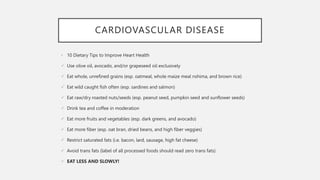
- Dietary Imbalances: High intake of saturated and trans fats, refined sugars, excessive sodium, and processed foods, coupled with insufficient intake of fruits, vegetables, whole grains, and healthy fats.
- Sedentary Lifestyle: Lack of physical activity contributes to obesity, hypertension, diabetes, and unfavorable lipid profiles.
- Obesity: Particularly visceral fat, which is metabolically active and contributes to systemic inflammation and insulin resistance.
- Smoking: A major accelerator of atherosclerosis and a potent vasoconstrictor.
- Excessive Alcohol Consumption: Can lead to hypertension, cardiomyopathy, and arrhythmias.
- Stress: Chronic psychological stress can elevate blood pressure, contribute to inflammation, and encourage unhealthy coping mechanisms.
- Diabetes: Uncontrolled blood sugar levels severely damage blood vessels throughout the body.
- Dyslipidemia: Abnormal levels of cholesterol and triglycerides in the blood (e.g., high LDL, low HDL, high triglycerides).
It is against this backdrop of pervasive, preventable disease that the story of wild-caught salmon takes on profound significance. It offers not a magical cure, but a powerful, natural tool to mitigate these modifiable risk factors and fortify the cardiovascular system.
III. Enter the Hero: The Majesty of Wild-Caught Salmon
Imagine a creature born in the gravel beds of a freshwater stream, embarking on an epic journey to the vast, nutrient-rich expanse of the ocean, where it spends years growing and maturing, only to return with an unerring instinct to its natal waters to spawn. This is the life cycle of wild-caught salmon – a testament to endurance, natural selection, and a diet dictated by the wild. This incredible journey shapes its very being, imbuing its flesh with a nutritional composition that is unparalleled.
The Wild Difference: A Symphony of Nature
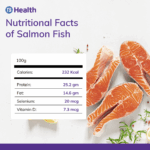
The term "wild-caught" is not merely a label; it signifies a fundamental difference in how the fish lives, eats, and thrives. Wild salmon, primarily species like Sockeye, Coho, King (Chinook), Pink, and Chum, feed on a natural diet of smaller fish, crustaceans, and zooplankton in their oceanic habitats. This natural forage is rich in vital nutrients, particularly omega-3 fatty acids and the powerful antioxidant astaxanthin, which gives salmon its characteristic red-orange hue.