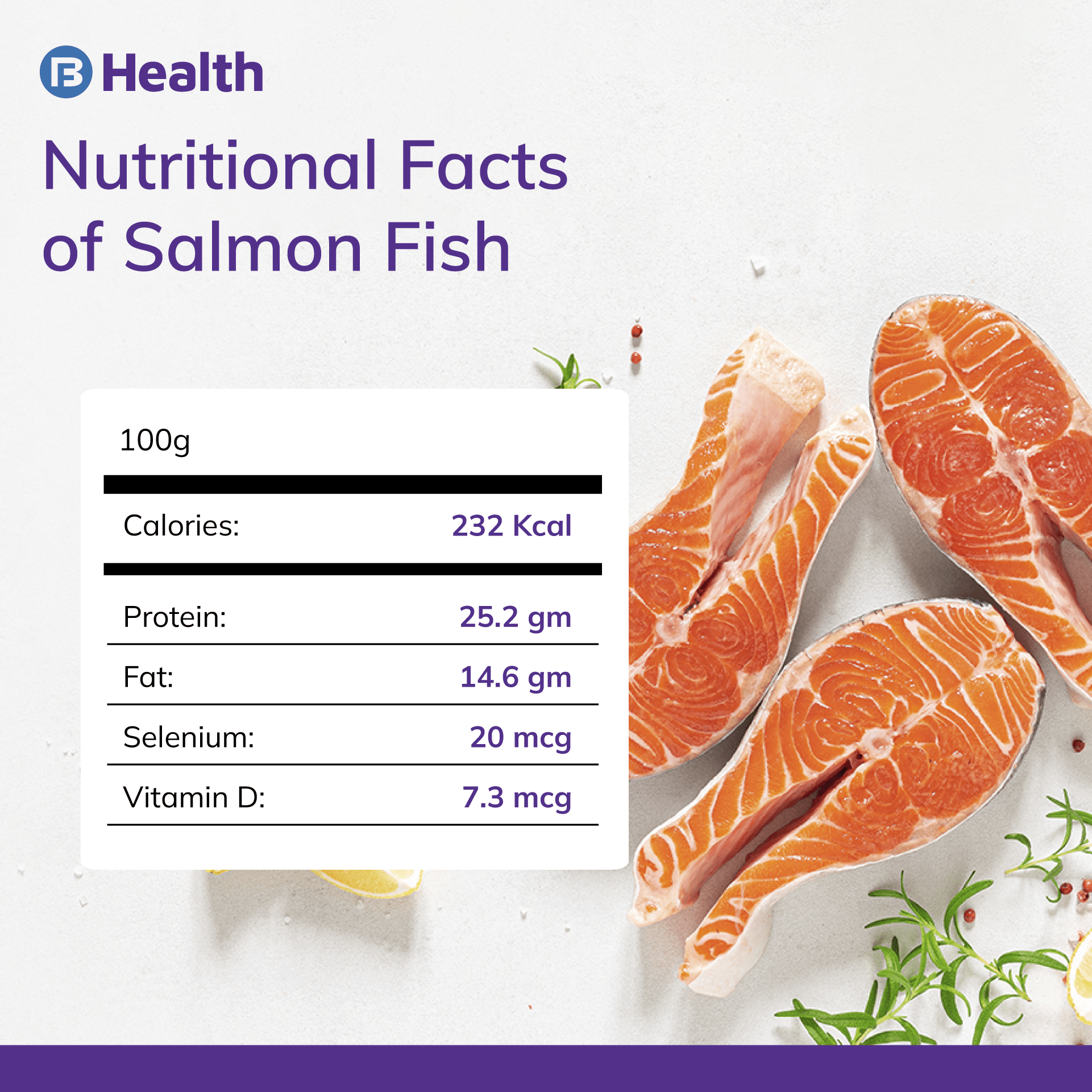

For too long, salmon has been lauded, rightly so, for its rich bounty of lean protein and the celebrated omega-3 fatty acids. These are, without question, nutritional titans, contributing to muscle repair, satiety, and cardiovascular health. But to confine our appreciation of this magnificent fish to just these two pillars is akin to admiring a grand symphony solely for its powerful bassline, oblivious to the intricate melodies, harmonies, and subtle nuances woven throughout.
Today, we embark on a deeper dive, a journey into the unsung heroes of the salmon fillet – the essential micronutrients that quietly orchestrate countless bodily functions, often working in concert with the more famous constituents. For the discerning palate and the inquiring mind, understanding these hidden treasures transforms a simple meal into a profound act of nourishment, a testament to nature’s intricate design. This isn’t just about nutrition facts; it’s about uncovering the microscopic stories, the cellular sagas, and the silent strength that these five micronutrients bring to our plates and our very being. Prepare to go beyond the obvious and discover the true, holistic power packed into every iridescent flake of salmon.
1. Vitamin D: The Sunshine Messenger from the Deep
When we think of Vitamin D, our minds often drift to sun-drenched beaches, UVB rays kissing our skin, or perhaps fortified milk cartons. Yet, here, swimming in the cold, clear waters, is a natural powerhouse of this crucial vitamin: the salmon. It’s a paradox, perhaps, that a creature from the deep provides so much of the "sunshine vitamin," but salmon, particularly wild varieties, are one of nature’s most potent dietary sources, offering a vital lifeline to an often-deficient human population.
The Story of Vitamin D: Imagine Vitamin D not merely as a vitamin, but as a sophisticated messenger, a hormone-like substance whose reach extends far beyond bone health, touching nearly every system in the body. Once synthesized in the skin or ingested, it undergoes a two-step activation process in the liver and kidneys, transforming into its active form, calcitriol. From there, this active form sets out on its mission, finding receptors in cells and tissues across the body – in the immune system, the brain, the pancreas, the heart, and even in reproductive organs. It’s a master regulator, influencing gene expression and cellular processes with profound implications for health.
Its Multifaceted Role:
- Bone Health Architect: This is its most famous role. Vitamin D is indispensable for calcium absorption in the gut and phosphorus homeostasis. Without adequate Vitamin D, calcium, no matter how abundant in the diet, largely passes through the body unabsorbed, leading to softer bones (osteomalacia in adults, rickets in children) and an increased risk of osteoporosis and fractures later in life. It acts as the gatekeeper, ensuring that the building blocks for a strong skeletal framework are available.
- Immune System Conductor: Perhaps its most compelling, and increasingly recognized, role is in modulating the immune system. Vitamin D receptors are found on almost all immune cells, including T cells, B cells, and antigen-presenting cells. It helps regulate both innate and adaptive immunity, reducing inflammation and enhancing the body’s ability to fight off infections. Adequate Vitamin D levels are associated with a reduced risk of autoimmune diseases, respiratory infections, and even certain cancers. It’s like the conductor of an orchestra, ensuring each section of the immune system plays in harmony, preventing both under-response and over-response.
- Mood and Cognitive Support: Emerging research highlights Vitamin D’s influence on brain health and mood. Receptors are found in areas of the brain associated with depression and cognitive function. Low levels have been linked to an increased risk of mood disorders, including seasonal affective disorder and clinical depression, as well as cognitive decline in older adults. It plays a subtle but significant role in neurotransmitter synthesis and brain protection.
- Cardiovascular Guardian: Vitamin D contributes to heart health by helping to regulate blood pressure, improve endothelial function (the lining of blood vessels), and reduce systemic inflammation. Its role in reducing cardiovascular disease risk is a growing area of study, adding another layer to its essentiality.
The Salmon Connection: How does salmon acquire such impressive levels of Vitamin D? For wild salmon, it’s through their diet of smaller fish rich in Vitamin D and, to a lesser extent, direct exposure to sunlight as they swim closer to the surface. Farmed salmon, while still a good source, typically have slightly lower levels, depending on their feed composition, but remain a significant dietary contributor. The fatty nature of salmon is also crucial, as Vitamin D is a fat-soluble vitamin, meaning it’s absorbed and utilized best in the presence of dietary fats. This makes the entire salmon fillet a perfectly designed delivery system for this vital nutrient.
To consume a salmon fillet is to invite this sunshine messenger into your system, providing a natural, bioavailable dose of a nutrient that is notoriously difficult to obtain in sufficient quantities from diet alone. It’s a silent yet powerful ally in building strong bones, fortifying your defenses, and nurturing your mind.
2. Selenium: The Antioxidant Alchemist
Trace minerals, by definition, are required in minuscule amounts, yet their impact is anything but small. Selenium is a prime example of such a nutrient, often overshadowed but playing a pivotal role in maintaining cellular integrity and systemic health. In the narrative of the human body, selenium is the silent protector, the meticulous craftsman, and the powerful alchemist, transforming harmful molecules into benign ones. And salmon, once again, serves as an exceptional vessel for this elemental guardian.
The Story of Selenium: Selenium doesn’t work alone. Its power lies in its incorporation into proteins to form selenoproteins, which are the true workhorses. These selenoproteins are involved in a breathtaking array of biological processes, acting as enzymes, structural components, and regulatory factors. The most famous of these are the glutathione peroxidases (GPx), a family of potent antioxidant enzymes that form the body’s first line of defense against oxidative stress. Imagine selenium as the special ingredient, the catalyst that activates these protective enzymes, allowing them to disarm dangerous free radicals before they can wreak havoc on DNA, proteins, and cell membranes.
Its Multifaceted Role:
- Master Antioxidant Defender: This is selenium’s crown jewel. As part of glutathione peroxidase, it scavenges reactive oxygen species (ROS) and reactive nitrogen species (RNS), which are byproducts of normal metabolism and environmental exposures. Without this defense, cells are vulnerable to oxidative damage, a precursor to aging, inflammation, and chronic diseases like heart disease, neurodegenerative disorders, and cancer. Selenium is literally safeguarding our cells from within.
- Thyroid Hormone Regulator: The thyroid gland is the metabolic engine of the body, producing hormones that regulate metabolism, energy levels, and growth. Selenium is highly concentrated in the thyroid and is essential for the proper functioning of deiodinase enzymes, which convert the inactive thyroid hormone (T4) into its active form (T3). This conversion is crucial for the thyroid to perform its myriad functions effectively. A deficiency can lead to impaired thyroid function, manifesting as fatigue, weight gain, and cognitive issues.
- Immune System Modulator: Selenium plays a vital role in immune function, enhancing the proliferation of lymphocytes, improving natural killer cell activity, and modulating the immune response. It helps the body mount an effective defense against pathogens while also preventing an overzealous immune response that can lead to autoimmune conditions.
- DNA Synthesis and Repair: Selenoproteins are involved in DNA repair mechanisms, protecting the genetic blueprint from damage. This is particularly important in preventing mutations that can lead to cancer.
- Heavy Metal Detoxification: Selenium has a unique ability to bind with heavy metals like mercury and cadmium, forming inert complexes that can then be safely excreted from the body. This protective mechanism is particularly relevant in our increasingly industrialized world, offering a layer of defense against environmental toxins.
The Salmon Connection: Salmon, particularly wild salmon, are excellent sources of highly bioavailable selenium. This isn’t just a happy coincidence for us; selenium plays a vital role in the salmon’s own health, protecting them from oxidative stress in their environment and contributing to their reproductive success. When you consume salmon, you’re not just getting selenium; you’re getting it in a form that is readily absorbed and utilized by your body, ready to be incorporated into those critical selenoproteins.
Each bite of salmon delivers a potent dose of this trace mineral, empowering your body’s antioxidant defenses, fine-tuning your thyroid, and bolstering your immunity. It’s a testament to the elegant simplicity of nature’s design, where a single, often-overlooked element can wield such profound influence over our health and longevity.
3. Vitamin B12 (Cobalamin): The Energy and Nerve Maestro
Among the constellation of B vitamins, Vitamin B12, or cobalamin, holds a special place. It is unique not only for its complex chemical structure (the largest and most structurally complicated vitamin) but also for its almost exclusive presence in animal products. For those who consume fish, salmon stands out as an exceptionally rich and reliable source of this vital nutrient. In the grand narrative of our physiology, B12 is the meticulous maestro, conducting crucial metabolic processes, ensuring the smooth flow of energy, and safeguarding the very wiring of our nervous system.