
From the vibrant blush of a flamingo’s feathers to the rich hue of wild salmon, nature’s most striking pinks often conceal a powerful secret. It’s a secret born of microscopic life, refined by the food chain, and now, revealed by cutting-edge science as one of the most potent protective compounds known to humankind. This is the story of astaxanthin, the carotenoid pigment that paints the natural world in shades of rosy strength, and the remarkable science behind why this "pink power" is not just for birds and fish, but an essential guardian for your own body.
The Pink Paradox: Nature’s Masterpiece of Protection
Our journey into the world of astaxanthin begins not in a laboratory, but in the heart of nature, under conditions of extreme stress. Imagine a microscopic freshwater alga, Haematococcus pluvialis, thriving in pristine ponds and lakes. For most of its life, this alga is a vibrant green. But when its environment becomes harsh – exposed to intense UV radiation, deprived of essential nutrients, or facing extreme temperatures – a remarkable transformation occurs. To survive, Haematococcus pluvialis shifts gears, producing an extraordinary amount of a deep red pigment: astaxanthin.
This isn’t just a cosmetic change; it’s a desperate, brilliant act of self-preservation. Astaxanthin acts as a super-shield, protecting the alga’s delicate cellular machinery, including its DNA, from the onslaught of oxidative stress and free radical damage. It allows the alga to enter a dormant state, waiting for favorable conditions, sometimes for decades, without succumbing to the elements. This innate ability to withstand nature’s harshest challenges is the first clue to astaxanthin’s profound power.
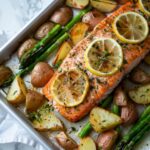
From this microscopic crucible, astaxanthin embarks on an incredible journey up the food chain. Tiny crustaceans like krill, shrimp, and crabs graze on these algae, accumulating the pigment in their tissues. Then, larger predators, such as salmon, trout, and, famously, flamingos, consume these crustaceans, absorbing the astaxanthin themselves. It’s why wild salmon boasts its signature vibrant orange-red flesh – a direct indicator of its astaxanthin-rich diet – in stark contrast to the paler flesh of farmed salmon, which often lacks this natural dietary component unless supplemented. And it’s why flamingos, born with drab grey feathers, gradually turn pink as their diet of astaxanthin-laden brine shrimp and algae transforms their plumage.
Humans, like these animals, cannot synthesize astaxanthin. We must obtain it through our diet. While consuming copious amounts of wild salmon or krill might provide some, the concentrated, therapeutic doses required to unlock its full potential for human health typically come from targeted supplementation, often derived directly from the same microalgae, Haematococcus pluvialis, that first revealed its protective prowess. The story of astaxanthin is, therefore, a story of survival, an evolutionary masterpiece where a humble alga’s defense mechanism becomes a beacon of health for all who ingest it.
Unveiling the Molecular Marvel: What Makes Astaxanthin Unique?
To understand why astaxanthin is so beneficial, we must delve into its molecular architecture. Astaxanthin belongs to a class of natural pigments called carotenoids, which are responsible for the yellow, orange, and red colors in many fruits, vegetables, and animals. Common carotenoids include beta-carotene (in carrots), lycopene (in tomatoes), and zeaxanthin (in leafy greens). However, astaxanthin stands in a league of its own, possessing a unique structural configuration that confers unparalleled biological activity.
At its core, astaxanthin is a xanthophyll carotenoid, meaning it contains oxygen atoms in its structure, unlike carotenes like beta-carotene. But the real magic lies in its specific molecular arrangement. Astaxanthin features two distinctive ring structures at either end of its long, conjugated polyene chain. These rings, specifically, the presence of hydroxyl (-OH) and keto (C=O) groups, make astaxanthin highly polar at its ends. The central polyene chain, conversely, is non-polar. This amphipathic (both water- and fat-loving) nature is critical.
This unique structure allows astaxanthin to integrate seamlessly into cell membranes. Unlike many other antioxidants, which either reside on the inner (hydrophilic) or outer (hydrophobic) surface of the cell membrane, astaxanthin can span the entire lipid bilayer. It’s like a molecular anchor, firmly embedding itself across the membrane, providing protection to both the water-soluble and fat-soluble components of the cell. This "trans-membrane" capability is a game-changer, setting it apart from its carotenoid cousins and other well-known antioxidants.
Consider its antioxidant power: astaxanthin is often lauded as the "king of carotenoids" for its exceptional ability to neutralize free radicals and quench singlet oxygen – highly reactive forms of oxygen that can inflict severe damage on cells, proteins, and DNA. Studies have shown astaxanthin to be:
- 6,000 times stronger than Vitamin C in singlet oxygen quenching.
- 550 times stronger than Vitamin E.
- 800 times stronger than CoQ10.
- 54 times stronger than beta-carotene.
- 11 times stronger than beta-carotene at neutralizing lipid peroxidation.
This extraordinary potency stems from its extended conjugated double-bond system, which allows it to delocalize and stabilize unpaired electrons from free radicals, effectively disarming them before they can cause cellular havoc. Furthermore, astaxanthin doesn’t become a pro-oxidant (a substance that can cause oxidative damage) after neutralizing free radicals, a potential issue with some other antioxidants. It simply dissipates the energy as heat, remaining stable and ready to continue its protective work.
Moreover, unlike beta-carotene, astaxanthin does not convert to Vitamin A in the body. While Vitamin A is essential, excessive intake can be toxic. Astaxanthin bypasses this concern, offering powerful antioxidant benefits without the risk of hypervitaminosis A, making it a safer and more direct antioxidant powerhouse. Its non-provitamin A nature is another critical distinction for a knowledgeable audience.
In essence, astaxanthin’s unique molecular architecture is the blueprint for its unparalleled protective capabilities. It’s not just another antioxidant; it’s a master architect of cellular defense, designed by nature to withstand and protect.
The Cellular Shield: Astaxanthin’s Journey Inside the Body
Once consumed, astaxanthin embarks on an intricate journey through the human body, culminating in its widespread distribution and integration into our cellular defenses. Being a fat-soluble compound, its absorption is significantly enhanced when taken with a meal containing dietary fats. Once absorbed in the small intestine, it is incorporated into chylomicrons, which then enter the lymphatic system and eventually the bloodstream. From there, it’s transported throughout the body, predominantly by lipoproteins, delivering its protective payload to various tissues and organs.
What truly distinguishes astaxanthin is its remarkable bioavailability and ability to reach critical, often hard-to-access, areas of the body. Most notably, astaxanthin is one of the few carotenoids that can cross both the blood-brain barrier and the blood-retinal barrier. This is a profound advantage, as it means astaxanthin can directly deliver its potent antioxidant and anti-inflammatory benefits to the delicate tissues of the brain and eyes, areas highly vulnerable to oxidative stress and inflammation.
Once it reaches the cells, its unique amphipathic structure comes into play. Astaxanthin doesn’t just float around; it embeds itself within the cell membranes, positioning itself to protect the cell’s integrity from multiple angles. It acts as a comprehensive cellular shield, guarding:
- Mitochondria: The powerhouses of our cells, highly susceptible to oxidative damage, which impairs energy production. Astaxanthin protects mitochondrial membranes, supporting efficient cellular energy.
- Lipid Bilayers: The very structure of our cell membranes, preventing lipid peroxidation that can compromise cell function and lead to aging and disease.
- Proteins and DNA: By neutralizing free radicals, it safeguards these vital macromolecules from damage, which is crucial for maintaining cellular health and preventing mutations.