
The rhythmic hum of fluorescent lights, the insistent glow of a screen, the ceaseless ping of notifications – for many, this is the modern-day battleground. The desk, once a symbol of productivity, has, for millions, become a crucible of chronic stress. We’ve been conditioned to believe that relentless effort is the sole path to success, often sacrificing our well-being at the altar of ambition. Yet, lurking beneath this veneer of dedication is a silent, insidious enemy: elevated cortisol.
This article isn’t merely a scientific exposition; it’s a story. A narrative woven from the threads of countless lives touched by the relentless demands of the modern workplace and the profound, often underestimated, power of simply stepping away. It’s a journey into the physiological landscape of stress and the transformative odyssey of vacation vitality.
The Silent Antagonist: Cortisol and the Modern Grind
To understand the story of vacation vitality, we must first introduce our antagonist: cortisol. Often dubbed the "stress hormone," cortisol is a glucocorticoid produced by the adrenal glands, small organs perched atop our kidneys. In evolutionary terms, cortisol is a hero. It’s the hormone that primes our bodies for "fight or flight," surging in response to immediate threats. It mobilizes glucose for energy, sharpens focus, reduces non-essential functions, and modulates inflammation. In short, it’s designed for acute, short-term bursts of survival.
The problem, however, is that our modern lives, while largely devoid of saber-toothed tigers, are brimming with perceived threats that trigger the same ancient response. A looming deadline, an overflowing inbox, a demanding boss, financial anxieties, constant connectivity, the relentless pressure to perform – these are the chronic stressors that keep our cortisol levels perpetually elevated. Our bodies can’t distinguish between the stress of a real physical threat and the stress of an email from an angry client at 10 PM.
Consider Sarah, a marketing director in her late 30s. Her days are a blur of meetings, presentations, and strategic planning. Her nights are often spent catching up on emails, fueled by lukewarm coffee and the nagging feeling that she’s always behind. Sarah experiences the classic symptoms of chronic high cortisol: persistent fatigue despite adequate sleep, unexplained weight gain around her midsection, irritability, difficulty concentrating, and a nagging sense of anxiety that follows her even into her dreams. Her blood pressure is creeping up, her immune system feels compromised (she catches every cold), and her once vibrant creativity has flatlined.
This chronic elevation of cortisol, part of the sustained activation of the hypothalamic-pituitary-adrenal (HPA) axis, doesn’t just make us feel bad; it actively dismantles our health. It can lead to insulin resistance, impaired immune function, decreased bone density, sleep disturbances, digestive issues, and even structural changes in the brain, particularly shrinking the hippocampus (involved in memory and learning) and impacting the prefrontal cortex (responsible for executive functions like decision-making and planning). It’s a slow burn, eroding our physical and mental resilience brick by brick.
The desk, for Sarah and millions like her, becomes a symbol of this constant cortisol bath. It’s where the pressure mounts, where the perceived threats are encountered, and where the body’s natural stress response is overtaxed, leading to what Dr. Robert Sapolsky famously calls "the stress of everyday life."
The Call of the Wild (or the Beach, or the City): The Vacation as an Intervention
Enter the hero of our story: the vacation. More than just a break, a vacation, particularly one that involves genuine disengagement, is a powerful physiological and psychological intervention. It’s an intentional disruption of the stress cycle, a deliberate act of withdrawing from the sources of chronic cortisol elevation.
Imagine Michael, a software engineer. Like Sarah, he’s tethered to his desk, his brain a tangle of code and deadlines. He decides, almost reluctantly, to take two weeks off. His initial days away are fraught with phantom pings and the urge to check his work email. This initial "detox" period is crucial; it highlights just how deeply ingrained the work-related stress response has become. But as the days unfold, something profound begins to shift.
The Mechanisms of Cortisol Reduction
What exactly happens when we step away from the desk? The reduction in cortisol isn’t magic; it’s a cascade of physiological and psychological events that actively downregulate the HPA axis and promote restorative processes:
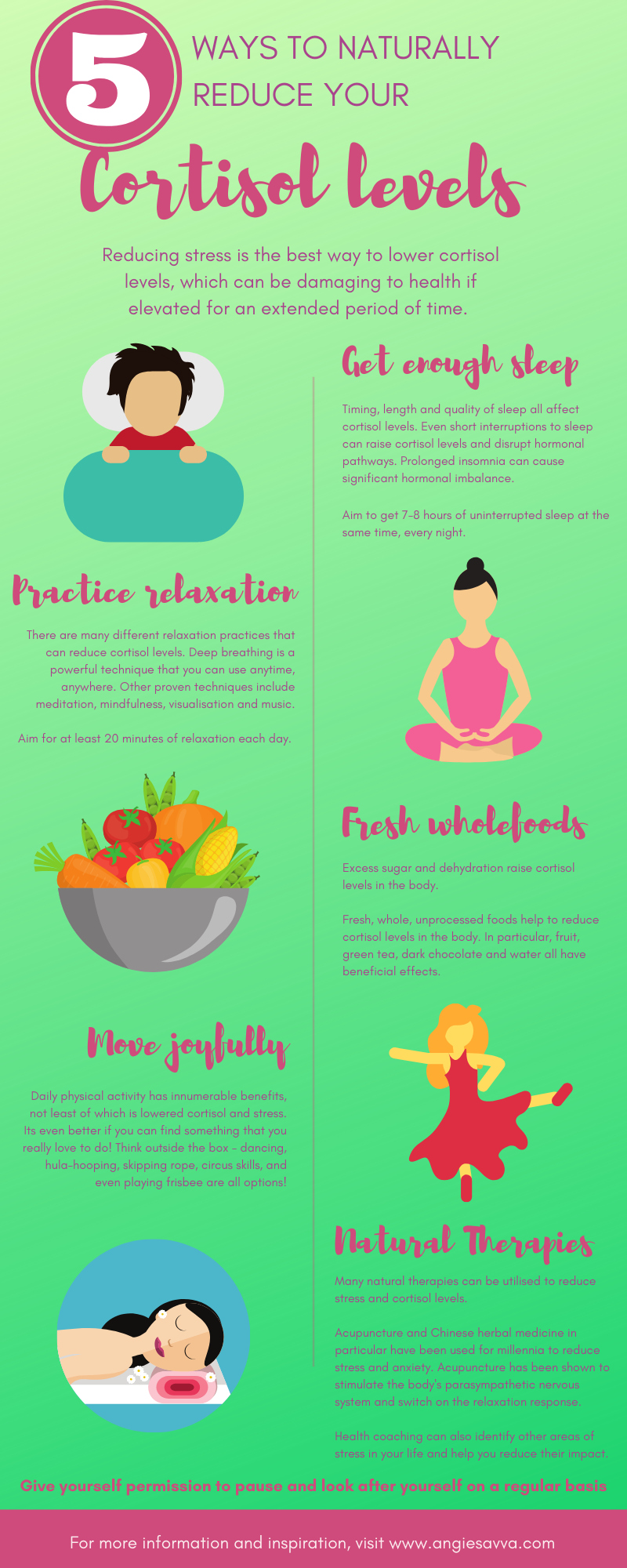
- Disengagement from Stressors: This is the most direct mechanism. By physically removing ourselves from the work environment, we eliminate the constant triggers that keep cortisol high. No more urgent emails, no more looming deadlines, no more performance reviews. The amygdala, the brain’s alarm center, gradually quiets down.
- Novelty and Mental Shift: Vacations introduce novelty – new sights, sounds, smells, tastes, and experiences. This novelty stimulates the brain differently, pulling us out of the monotonous, often anxiety-inducing, thought patterns associated with work. It fosters a sense of curiosity and wonder, which can be profoundly therapeutic.
- Nature’s Embrace (Biophilia): Whether it’s the rustle of leaves in a forest, the rhythmic crash of waves on a beach, or the grandeur of mountains, spending time in nature has a documented calming effect. Studies on "forest bathing" (Shinrin-yoku) show significant reductions in cortisol, blood pressure, and heart rate, along with increased activity in the parasympathetic nervous system (our "rest and digest" system). Nature offers a restorative environment, reducing mental fatigue and promoting a sense of peace.
- Physical Activity (Joyful Movement): Vacations often encourage physical activity that isn’t tied to performance – a leisurely swim, a hike, exploring a new city on foot. Unlike exercise pursued solely for weight loss or performance metrics, vacation activity is often intrinsically enjoyable, releasing endorphins and further reducing stress hormones without adding new pressure.
- Social Connection and Belonging: Many vacations involve spending quality time with loved ones, fostering deeper social bonds. Strong social connections are powerful buffers against stress, releasing oxytocin, a hormone known to counteract the effects of cortisol and promote feelings of calm and well-being.
- Restorative Sleep: Chronic stress wreaks havoc on sleep architecture. On vacation, free from early alarms and the mental chatter of work, individuals often experience deeper, more consistent sleep. This allows the body to repair, consolidate memories, and regulate hormones, including a crucial reduction in nighttime cortisol spikes.
- Autonomy and Control: At work, our schedules and tasks are often dictated by others. Vacation offers a profound sense of autonomy – we choose what to do, when to do it, and how. This regained sense of control is a potent antidote to the helplessness often associated with chronic stress, empowering us and reducing the perception of threat.
- Anticipation and Post-Vacation Glow: Even the anticipation of a vacation can begin to lower stress levels. Research shows that planning a trip can boost mood and positive emotions. And the benefits don’t vanish the moment we return to our desks. The "post-vacation glow" can last for weeks, marked by increased job satisfaction, creativity, and overall well-being.
The Transformation: From Burnout to Brilliance
Let’s revisit Michael, our software engineer. By the end of his first week away, the phantom pings have faded. He’s spent his days hiking in the mountains, reading a novel purely for pleasure, and sharing laughter with his family. His shoulders, once perpetually hunched, have relaxed. His jaw, habitually clenched, has softened. He’s sleeping soundly through the night, waking naturally feeling refreshed.
His transformation isn’t just anecdotal; it’s physiological. His HPA axis has begun to recalibrate. The constant flood of CRH (corticotropin-releasing hormone) from his hypothalamus, signaling his pituitary to release ACTH, which then prompts his adrenals to pump out cortisol, has significantly diminished. His sympathetic nervous system, usually in overdrive, has yielded to the parasympathetic. His heart rate variability, a key indicator of adaptability and stress resilience, likely improved.
By the second week, Michael feels a profound sense of calm he hasn’t experienced in years. Ideas for new code solutions, once elusive, now flow effortlessly. He engages in conversations with genuine presence, rather than half-listening while mentally drafting an email. He feels reconnected to himself, his family, and the world around him. His cortisol levels, if measured, would show a marked decrease, reflecting this internal shift.
This isn’t to say that all vacations are equally effective. A "vacation" spent checking emails, worrying about work, or engaging in highly stressful travel can negate many of these benefits. The key lies in genuine disengagement and allowing the body and mind to truly rest and recalibrate.