
In the quiet hum of a shared conversation, in the rousing crescendo of a choir, or even in the gentle murmur of a lullaby, lies a profound secret. It’s a secret whispered not by words, but by the subtle vibrations of our vocal cords, the rhythm of our breath, and the nuanced expressions that dance across our faces. This secret connects our deepest need for belonging with the very beat of our hearts, orchestrated by a remarkable anatomical marvel: the Vagus Nerve.
For centuries, the heart has been the poetic seat of emotions, love, and courage. Science, however, has begun to unravel a more intricate story, revealing that the heart’s health is profoundly intertwined with our social world, mediated by an unseen conductor that traverses almost every major organ. This isn’t merely a philosophical link; it’s a biological imperative, a surprising and elegant dance between our innate drive for connection and the resilience of our cardiovascular system.
The Wandering Wonder: Introducing the Vagus Nerve
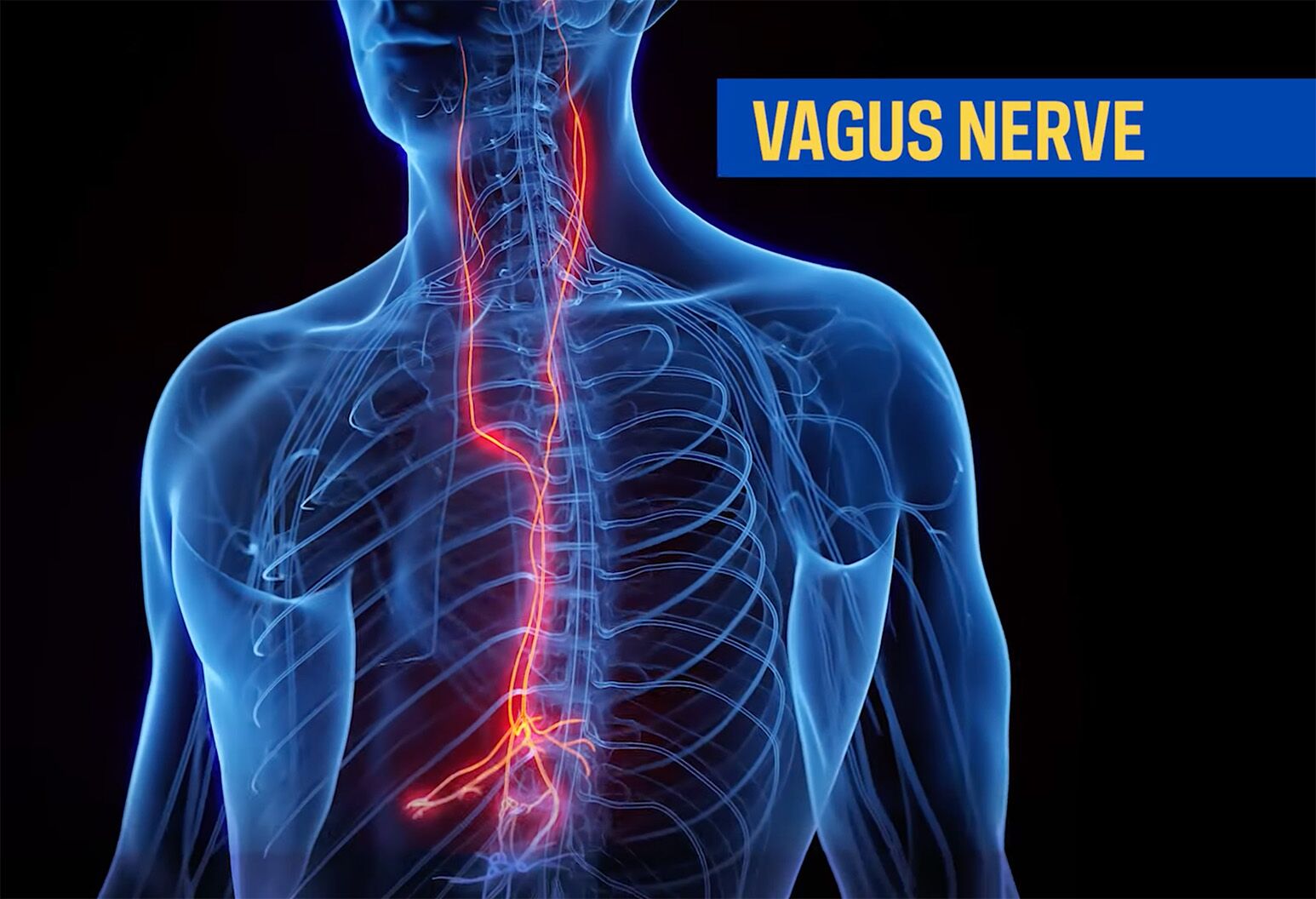
To truly appreciate this connection, we must first meet our protagonist: the Vagus Nerve, or cranial nerve X. Its name, derived from the Latin for "wandering," perfectly describes its expansive journey. Originating in the brainstem, it descends through the neck, chest, and abdomen, innervating the heart, lungs, digestive tract, and a host of other vital organs. It is, quite literally, the longest and most complex of the cranial nerves, a superhighway of communication between our brain and our body’s visceral landscape.
Historically, the Vagus Nerve has been primarily associated with the parasympathetic nervous system, the "rest and digest" branch of our autonomic nervous system (ANS). While its counterpart, the sympathetic nervous system, gears us up for "fight or flight," the parasympathetic system is responsible for calming us down, conserving energy, and maintaining homeostasis – the body’s stable internal environment. A robust Vagus Nerve, often referred to as high vagal tone, means our body can efficiently switch from stress to calm, a hallmark of resilience.
But the Vagus Nerve is far more than just a brake pedal for stress. It’s a key player in inflammation, immune response, gut health, and perhaps most crucially for our story, social engagement. Its influence on the heart is particularly significant, regulating heart rate, blood pressure, and heart rate variability (HRV) – a critical biomarker of overall health and autonomic flexibility. A higher HRV, indicating a healthy fluctuation in the time between heartbeats, is a strong predictor of longevity and a robust nervous system.
Stephen Porges and the Polyvagal Revolution
While the general understanding of the Vagus Nerve was well-established, it was the groundbreaking work of Dr. Stephen Porges and his Polyvagal Theory that truly illuminated its profound role in social connection, emotional regulation, and psychological well-being. Porges proposed that the Vagus Nerve isn’t a single, undifferentiated system, but rather comprises distinct branches that evolved sequentially, each responsible for different defensive and social behaviors.
Polyvagal Theory introduces three hierarchical neural circuits that dictate our responses to safety and threat:
-
The Dorsal Vagal Complex (DVC): This is the oldest and most primitive branch, found in reptiles and mammals. When overwhelmed by extreme threat, and flight or fight are not options, the DVC triggers a "freeze" or "shutdown" response. This can manifest as dissociation, numbness, extreme fatigue, or even fainting. It’s a conservation strategy, an immobilization to conserve resources and minimize pain, akin to an opossum playing dead. While lifesaving in extreme situations, chronic DVC activation can lead to severe health issues, including chronic fatigue syndrome, fibromyalgia, and dissociative disorders.
-
The Sympathetic Nervous System (SNS): This is the "fight or flight" system, more evolutionarily recent than the DVC. When we perceive a threat, the SNS mobilizes our body for action: heart rate increases, blood pressure rises, muscles tense, and digestion slows. This is crucial for survival, providing the energy and focus needed to escape danger. However, chronic SNS activation, common in modern stressful lives, is a major contributor to cardiovascular disease, anxiety, and sleep disturbances.
-
The Ventral Vagal Complex (VVC): This is the newest and most sophisticated branch, unique to mammals. The VVC is the system of social engagement. It promotes feelings of safety, connection, and calm. Crucially, the VVC innervates the muscles of the face (enabling expressive eyes and smiles), the head (allowing for head turns and nods), and most importantly for our story, the larynx and pharynx (controlling the voice). When the VVC is active, we are open to connection, our facial expressions are warm, our voice is melodic, and our heart rate is regulated. This is the state of "rest and digest" in its most socially interactive form.
Porges’ brilliant insight was the concept of neuroception: our unconscious nervous system’s ability to constantly scan the environment for cues of safety or danger, even before our conscious mind registers them. Based on these neurocepted cues, our ANS automatically shifts between these three states, prioritizing survival. We don’t choose to go into fight, flight, or freeze; our nervous system makes that decision for us based on ancient programming.
The Voice: A Ventral Vagal Portal
And here is where the surprising link truly begins to unravel. The Ventral Vagal Complex, the system of safety and social engagement, directly controls the muscles that allow us to modulate our voice. Think about it: when you’re feeling safe and connected, your voice tends to be warm, melodic, and varied in pitch and rhythm – a phenomenon known as prosody. When you’re stressed or threatened, your voice might become flat, monotone, high-pitched, or harsh. This isn’t just an emotional overlay; it’s a direct physiological manifestation of your nervous system state.
Consider the mother soothing her crying child. Her gentle, rhythmic voice, modulated in tone and tempo, isn’t just conveying words of comfort; it’s directly signaling safety to the child’s nervous system through the VVC. The child’s body, receiving these auditory cues, begins to downregulate its own stress response, moving from a sympathetic "distress" state to a ventral vagal "calm" state. This is a profound act of co-regulation, where one nervous system helps another return to a state of balance.
Our voices, therefore, are not just tools for transmitting information; they are powerful biological instruments for regulating our own and others’ nervous systems. A voice rich in prosody – with varied intonation, appropriate pauses, and a warm timbre – acts as an invitation to connection, a signal of safety that allows others to drop their guard. Conversely, a flat, robotic, or overly loud voice can inadvertently trigger a sense of threat, pushing others into sympathetic activation or even dorsal vagal withdrawal.
This explains why certain voices resonate with us, making us feel instantly at ease, while others create a subtle sense of unease. Our neuroception is constantly processing these auditory cues, guiding our autonomic responses before we even consciously register why we feel a certain way about a person.
The Social Engagement System: Beyond Words
The voice is a cornerstone of the broader Social Engagement System, which also includes eye contact, facial expressions, and head movements. When our VVC is active, our eyes are bright and engaging, our facial muscles are relaxed and expressive (allowing for genuine smiles), and we can fluidly turn our heads to engage with others. These are all unconscious signals that say, "I am safe. You are safe. We can connect."
When we are genuinely connecting with others – engaging in meaningful conversations, sharing laughter, making eye contact, and listening with empathy – we are actively stimulating our ventral vagal system. This isn’t just "feeling good"; it’s a powerful biological process that sends signals of safety throughout our entire body.
The act of listening is as crucial as speaking. When we truly listen, offering our full presence and allowing another’s voice to resonate with us, we are creating a feedback loop of ventral vagal activation. We are co-regulating, creating a shared physiological state of calm and connection. This is the essence of true belonging, a fundamental human need that, when unmet, has dire consequences for both mental and physical health.
From Social Connection to Heart Health: The Invisible Thread
Now, we weave the final, crucial thread: how this intricate dance of voice and social connection directly impacts the health of our hearts.
When our ventral vagal system is consistently activated through safe, supportive social interactions, our body experiences a cascade of beneficial physiological changes:
-
Reduced Sympathetic Overdrive: Chronic stress, often fueled by perceived social threats or isolation, keeps our sympathetic nervous system in overdrive. This constant "fight or flight" mode leads to elevated heart rate, high blood pressure, and increased systemic inflammation – all major risk factors for cardiovascular disease. Ventral vagal activation, by contrast, acts as a powerful antidote, downregulating the sympathetic response and allowing the body to return to a state of calm.
-
Increased Heart Rate Variability (HRV): As mentioned, HRV is a key indicator of vagal tone and autonomic flexibility. When we feel safe and connected, our Vagus Nerve is more active, leading to healthier fluctuations in heart rate. Higher HRV is associated with a lower risk of heart disease, better emotional regulation, improved stress resilience, and enhanced cognitive function. Social engagement, particularly through reciprocal vocal interaction, is a potent stimulator of HRV.
-
Anti-Inflammatory Effects: The Vagus Nerve plays a critical role in modulating inflammation throughout the body. Chronic inflammation is a silent killer, contributing to atherosclerosis, heart attacks, strokes, and a host of other chronic diseases. A healthy vagal tone, stimulated by positive social interaction, can dampen inflammatory responses, protecting our cardiovascular system from damage.
-
Lower Blood Pressure: The Vagus Nerve directly influences blood pressure regulation. By promoting relaxation and reducing sympathetic tone, consistent ventral vagal activation contributes to healthier blood pressure levels, reducing the strain on our arteries and heart.
-
Improved Immune Function: The interconnectedness of our nervous and immune systems is profound. Stress and isolation suppress immune function, making us more susceptible to illness. Social connection, mediated by the Vagus Nerve, supports a robust immune response, further contributing to overall health and protecting against cardiovascular insults.
In essence, sustained social connection, facilitated by our expressive voices and responsive listening, shifts our physiological state from one of defense and survival to one of growth and thriving. It moves us from a state of allostatic load (the wear and tear on the body from chronic stress) to one of homeostatic balance. Loneliness and social isolation, conversely, are perceived by the nervous system as chronic threats, leading to persistent sympathetic activation and dorsal vagal withdrawal, which significantly elevates the risk of heart disease, stroke, and premature mortality. The heart literally suffers when the voice of connection falls silent.
Cultivating Vagal Tone Through Voice and Connection: Practical Applications
The good news is that understanding this surprising link empowers us. We possess accessible, everyday tools to actively cultivate our vagal tone and enhance our heart health through our voices and our social interactions.
Voice-Based Practices:
- Humming and Singing: These activities vibrate the vocal cords, directly stimulating the Vagus Nerve. Humming a simple tune, singing in the shower, or joining a choir can have profound calming effects. Group singing, in particular, combines vocal vibration with the power of shared rhythm and co-regulation, amplifying the benefits.
- Chanting and Toning: Similar to singing, sustained vocalizations, especially with a focus on breath, can deeply activate the Vagus Nerve.
- Mindful Speaking: Pay attention to the prosody of your own voice. Can you soften your tone, slow your pace, and infuse your words with warmth, especially when interacting with others? This not only regulates your own nervous system but also signals safety to those you’re speaking with.
- Reading Aloud: Reading to children, a partner, or even just to yourself, can engage the vocal cords and promote a sense of calm.
- Gargling: The act of gargling vigorously stimulates the muscles in the back of the throat, which are innervated by the Vagus Nerve, providing a direct boost to vagal tone.
Social Connection Practices:
- Deep, Empathetic Listening: Go beyond merely waiting for your turn to speak. Truly listen to the nuances in another’s voice, observe their facial expressions, and offer your full, undivided attention. This act of co-regulation benefits both parties.
- Meaningful Conversations: Prioritize face-to-face interactions or video calls over purely text-based communication. The visual and auditory cues are vital for ventral vagal engagement. Engage in conversations that allow for vulnerability, shared laughter, and genuine connection.
- Community Involvement: Join groups, clubs, or volunteer organizations that involve shared activities and opportunities for social interaction. Choirs, dance classes, book clubs, or community service groups are excellent avenues for ventral vagal stimulation.
- Authentic Expression: Allow your true self to shine through in your interactions. Suppressing your authentic voice or emotions can be a subtle form of threat to your nervous system.
- Gentle Touch and Eye Contact: When appropriate and consensual, a warm handshake, a comforting pat on the back, or sustained, kind eye contact are powerful signals of safety and connection that activate the ventral vagal system.
Other Vagal Stimulators (supporting role):
- Deep Diaphragmatic Breathing: Slow, deep breaths that originate in the diaphragm are one of the most effective ways to activate the Vagus Nerve and promote relaxation.
- Cold Exposure: Splashing cold water on your face, taking a cold shower, or even short bursts of cold exposure can shock the Vagus Nerve into action, increasing vagal tone over time.
- Laughter: Genuine laughter is a fantastic vagal stimulator, releasing endorphins and promoting a sense of well-being and connection.
- Meditation and Mindfulness: Practices that cultivate present moment awareness and calm the mind indirectly support a healthy vagal tone.
The Modern Predicament: Disconnection in a Connected World
In our hyper-connected digital age, it’s ironic that many people report feeling more isolated than ever. Screens, while offering a semblance of connection, often lack the rich, multi-sensory cues that are essential for ventral vagal activation and true co-regulation. Emoji and text messages, while convenient, cannot replicate the nuanced prosody of a human voice, the warmth of a smile, or the comfort of shared presence.
This widespread disconnection may be a significant factor in the rising rates of anxiety, depression, and chronic physical ailments, including heart disease. Our ancient nervous systems, designed for intimate tribal living and constant co-regulation, are struggling to adapt to a world that often prioritizes efficiency and superficial interaction over deep, meaningful connection. The constant low-level threat of digital comparison, FOMO (fear of missing out), and the absence of authentic safety signals can keep our sympathetic nervous system simmering, slowly eroding our heart health and overall well-being.
The Power in Our Voice
The journey through the Vagus Nerve, the intricacies of Polyvagal Theory, and the surprising power of our voice leads us to a profound conclusion: our health, particularly the health of our hearts, is not just about diet and exercise. It is deeply, fundamentally, about connection.
Our voice, in its melodic beauty and expressive capacity, is a biological bridge to safety, to connection, and ultimately, to health. It is a testament to our evolutionary heritage, a tool honed over millennia to signal belonging and foster co-regulation. When we use our voices to soothe, to share, to sing, and to genuinely engage with others, we are not merely performing social rituals; we are actively cultivating the physiological resilience that protects our hearts and nurtures our entire being.
So, the next time you speak, sing, or simply listen, remember the unseen orchestra conductor at work. Remember the Vagus Nerve, harmonizing your inner world with your social landscape. And recognize the immense power you hold, in the simple act of opening your mouth and letting your authentic voice resonate, to build bridges of connection and foster a healthier, more vibrant heart, one melodic utterance at a time.