
Imagine two seemingly disparate worlds, often discussed in hushed tones or clinical settings, rarely acknowledged as intimately connected. One is the vibrant, complex ecosystem of your mouth – a bustling metropolis of microbes, a gateway to digestion and communication. The other is the intricate, profound landscape of your sexual health – encompassing desire, intimacy, reproduction, and the sheer joy of human connection.
At first glance, the link might seem tenuous, perhaps limited to the obvious mechanics of oral sex. But to confine the relationship to such a superficial understanding would be to miss a profound, systemic dialogue that unfolds daily within our bodies. This is the story of the oral-systemic connection, a narrative that reveals how the health of your mouth doesn’t just impact your ability to chew or speak, but whispers secrets to your cardiovascular system, influences your metabolic balance, and, perhaps most surprisingly, dances a silent tango with your sexual well-being and hygiene.
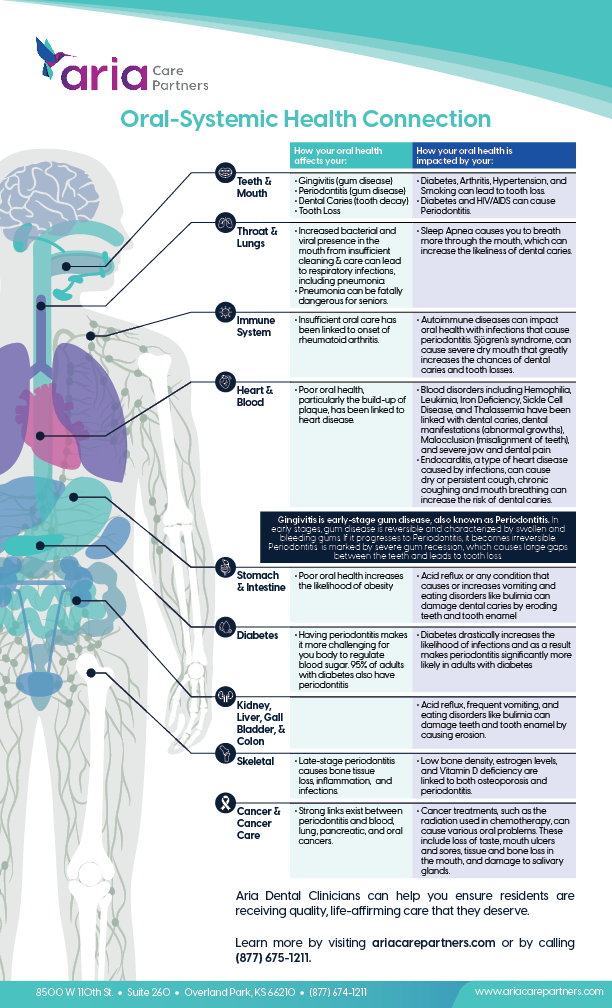
For the knowledgeable audience, the concept of the oral-systemic connection is not entirely new. We understand that periodontitis, the advanced form of gum disease, is not merely a localized infection but a chronic inflammatory state that can contribute to cardiovascular disease, exacerbate diabetes, and even impact respiratory health. But what if we extended this understanding further, drawing a direct line from the state of your oral microbiome and the integrity of your oral tissues to the vitality of your sexual function, fertility, and overall intimate health? This article aims to tell that story, illuminating the intricate bridges that connect the oral cavity to the most intimate aspects of our lives, and underscoring why sexual health and hygiene are truly inseparable from the health of our mouths.
The Mouth: A Microcosm, A Mirror, A Maelstrom
Our journey begins in the oral cavity, a marvel of biological engineering. It’s home to over 700 species of bacteria, fungi, viruses, and protozoa, collectively known as the oral microbiome. In a healthy state, this microbiome exists in a delicate balance, a harmonious commensal relationship where beneficial microbes keep opportunistic pathogens in check. They help us digest food, protect against invaders, and even contribute to immune system training.
However, this delicate balance is easily disrupted. Poor oral hygiene – inadequate brushing, infrequent flossing, neglected dental visits – allows pathogenic bacteria to flourish. These bacteria, particularly those associated with periodontitis (like Porphyromonas gingivalis, Tannerella forsythia, and Treponema denticola), trigger an inflammatory response in the gums. This is gingivitis, characterized by red, swollen, bleeding gums. If left untreated, it progresses to periodontitis, where the inflammation becomes chronic, leading to the destruction of the bone and tissues supporting the teeth.
But the story doesn’t end in the mouth. The oral cavity, with its rich blood supply and mucous membranes, serves as a gateway to the rest of the body. The inflamed and ulcerated tissues of periodontal disease provide a direct entry point for oral bacteria and their toxic byproducts into the bloodstream. This phenomenon, known as bacteremia, can occur even with routine activities like brushing or chewing, but is significantly amplified in the presence of active gum disease. Once in the systemic circulation, these pathogens and inflammatory mediators (like cytokines) can wreak havoc far beyond the oral cavity.
This systemic inflammation is a "silent saboteur." It contributes to endothelial dysfunction (damage to the inner lining of blood vessels), increases oxidative stress, and can trigger a cascade of events that impact virtually every organ system. This is the bedrock of the oral-systemic connection, and it is from this foundation that we can begin to explore its profound implications for sexual health.
The Systemic Bridges to Sexual Vitality: More Than Just a Pretty Smile
While the aesthetic appeal of a healthy smile undoubtedly plays a role in self-esteem and attractiveness – factors crucial to sexual confidence – the connection runs much deeper than superficial appearances. The systemic effects of poor oral health directly influence physiological processes vital for healthy sexual function and fertility.
1. Cardiovascular Health and Sexual Function: The Shared Pathways
One of the most well-established links in the oral-systemic narrative is between periodontitis and cardiovascular disease (CVD). Oral bacteria and the chronic inflammatory response they provoke contribute to atherosclerosis – the hardening and narrowing of arteries. This process, which affects blood flow throughout the body, has a direct and significant impact on sexual function, particularly erectile function in men and arousal in women.
- Erectile Dysfunction (ED): Erectile function relies on a healthy vascular system and the ability of blood vessels in the penis to relax and fill with blood. Endothelial dysfunction, a hallmark of both periodontitis and CVD, impairs the production of nitric oxide, a crucial molecule for vasodilation. Studies have shown a significant association between periodontitis and ED, suggesting that the systemic inflammation and vascular damage originating in the mouth can directly compromise penile blood flow. It’s not just a coincidence; it’s a shared pathology. The same inflammatory mediators that damage coronary arteries can impair the delicate vessels essential for an erection.
- Female Sexual Arousal Disorder (FSAD): While less studied than ED, female sexual arousal also depends on healthy blood flow to the clitoris and vaginal tissues. Systemic inflammation and endothelial dysfunction, fueled by oral infections, can similarly impair this blood flow, potentially contributing to FSAD, reduced lubrication, and decreased clitoral sensitivity. The delicate balance of vascular health is paramount for both male and female sexual response.
2. Diabetes and Its Bidirectional Dance with Sexual Health
Diabetes is a classic example of a bidirectional relationship with oral health: uncontrolled diabetes worsens periodontal disease, and severe periodontitis can make glycemic control more difficult. Both conditions, independently and synergistically, negatively impact sexual health.
- Neuropathy and Vascular Damage: Diabetes causes nerve damage (neuropathy) and vascular damage, which are major contributors to ED in men and sexual dysfunction in women. Periodontitis exacerbates these issues by adding to the systemic inflammatory burden and further compromising vascular health. The combined assault on blood vessels and nerves creates a challenging environment for optimal sexual function.
- Hormonal Imbalance: Chronic inflammation, often driven by periodontitis, can impact the endocrine system, potentially influencing sex hormone levels. For instance, chronic stress and inflammation can affect testosterone production in men and estrogen balance in women, both of which are critical for libido and sexual function.
3. Fertility and Reproductive Outcomes: A Silent Threat
The journey of conception and healthy pregnancy is remarkably sensitive to the body’s overall inflammatory state. Emerging research suggests that oral health plays a role here too.
- Preterm Birth and Low Birth Weight: Periodontitis in pregnant women has been identified as an independent risk factor for preterm birth and low birth weight babies. The mechanisms are believed to involve the systemic spread of oral bacteria and inflammatory mediators to the placenta and amniotic fluid, triggering a premature inflammatory response.
- Male Fertility: While research is still unfolding, studies are beginning to link periodontitis to compromised male fertility, including reduced sperm count and motility. The systemic inflammation and oxidative stress associated with gum disease can damage sperm DNA and impair testicular function, highlighting another critical, yet often overlooked, dimension of the oral-systemic connection.
- Polycystic Ovary Syndrome (PCOS): Women with PCOS often exhibit higher rates of gum disease. PCOS itself is linked to chronic low-grade inflammation, insulin resistance, and hormonal imbalances, all of which can affect fertility and sexual desire. The co-occurrence of periodontitis may exacerbate these underlying inflammatory processes, creating a more challenging environment for reproductive health.
Direct Cross-Contamination: The Intimate Exchange of Microbes
Beyond the systemic inflammation, there’s a more direct and obvious link between oral and sexual health: the exchange of microbes, particularly during oral sex. The mouth, with its warm, moist environment and rich microbial diversity, can serve as a reservoir for sexually transmitted infections (STIs) or as a portal for their transmission.
1. Sexually Transmitted Infections (STIs) and Oral Manifestations:
Many STIs can manifest in the oral cavity, either as primary sites of infection or secondary lesions. This underscores the critical importance of understanding oral hygiene as a component of safe sexual practices.
- Herpes Simplex Virus (HSV-1 and HSV-2): Often, HSV-1, traditionally associated with oral cold sores, can cause genital herpes, and HSV-2, typically genital, can cause oral lesions. Oral sex is a primary mode of transmission. Poor oral hygiene, particularly gum disease, can create micro-lesions in the mouth, potentially increasing susceptibility to infection or facilitating viral shedding.
- Human Papillomavirus (HPV): HPV, the most common STI, is responsible for genital warts and is a leading cause of cervical, anal, and oropharyngeal cancers. Oral sex is a known transmission route for oral HPV infections, which can lead to throat and tongue cancers. Maintaining good oral hygiene and tissue integrity may play a role in reducing vulnerability, though the primary defense remains vaccination and safe sex practices.
- Syphilis: Primary syphilis can manifest as a painless sore (chancre) in the mouth, often on the lips, tongue, or tonsils, following oral sex with an infected partner. These lesions are highly contagious. Secondary syphilis can present with mucous patches in the mouth, further highlighting the oral cavity as a site of disease manifestation and transmission.
- Gonorrhea and Chlamydia: These bacterial STIs can cause pharyngeal (throat) infections following oral sex. While often asymptomatic, they can lead to sore throats, swollen glands, and can be transmitted to other sites if left untreated. Good oral hygiene, while not preventing infection, helps maintain a healthy oral mucosa which is the first line of defense.
- HIV: While HIV is primarily transmitted through blood, semen, pre-ejaculate, rectal fluids, vaginal fluids, and breast milk, oral manifestations are common in individuals with HIV, especially those with compromised immune systems. These can include oral candidiasis (thrush), hairy leukoplakia, Kaposi’s sarcoma, and severe periodontal disease. Maintaining excellent oral hygiene is crucial for managing these manifestations and improving overall quality of life for individuals living with HIV.
2. Non-STI Oral-Genital Microbial Exchange:
Beyond classic STIs, the general microbial flora can also be exchanged. While the body typically handles these exchanges without issue, an imbalanced oral microbiome (dysbiosis) or a compromised immune system can create vulnerabilities.
- Oral Thrush and Yeast Infections: Oral candidiasis (thrush), caused by the fungus Candida albicans, is more common in individuals with weakened immune systems, diabetes, or those using certain medications. While less direct, a severe oral yeast infection could theoretically increase the risk of transmitting Candida to the genitals during oral sex, leading to a vaginal yeast infection in a susceptible partner, though this is not a common transmission route for vaginal candidiasis.
- Bacterial Vaginosis (BV): Some studies suggest that certain oral bacteria (e.g., Fusobacterium nucleatum) found in periodontitis can also be present in the vaginal microbiome of women with BV. While the direct causal link via oral sex is still being investigated and is likely complex, it points to the potential for microbial crossover and the influence of systemic health on diverse microbial communities.
The Psychological and Social Dimensions: Beyond the Biology
The connection between oral and sexual health extends beyond the purely physiological, delving into the realms of psychology, self-perception, and social interaction – all critical components of a fulfilling sexual life.
- Self-Esteem and Confidence: A healthy, confident smile is often associated with attractiveness and self-assurance. Conversely, poor oral health – visible decay, missing teeth, chronic bad breath (halitosis), or active gum disease – can significantly erode self-esteem. The fear of being judged, the embarrassment of halitosis, or the pain associated with certain oral conditions can lead to avoidance of intimacy, decreased desire, and a reduced sense of sexual confidence. The psychological burden can be as debilitating as the physical symptoms.
- Halitosis: The Intimacy Killer: Chronic bad breath, often a symptom of underlying oral disease (gum disease, tongue coatings, dental decay), is a powerful deterrent to intimacy. No amount of attraction can fully overcome the pervasive discomfort of halitosis during close contact. This single factor alone can create a significant barrier to kissing, oral sex, and even close conversation, profoundly impacting the spontaneity and pleasure of sexual encounters.
- Pain and Discomfort: Active oral infections, canker sores, cold sores, or severe periodontitis can make oral sex painful or uncomfortable, either for the person giving or receiving. This physical discomfort directly interferes with the enjoyment and willingness to engage in intimate acts.
- Perception of Health and Hygiene: Our perception of a partner’s overall health and hygiene heavily influences attraction and desire. A mouth that appears neglected or unhealthy can subconsciously (or consciously) signal a broader lack of self-care, impacting a partner’s willingness to engage in intimate acts.
The Pillars of Integrated Care: Where Hygiene Becomes Synergy
Given the multifaceted connections, it becomes clear that optimal sexual health and hygiene cannot exist in isolation from excellent oral health and hygiene. This demands an integrated approach, recognizing that the body is a unified system.
1. The Foundation: Meticulous Oral Hygiene
- Brushing and Flossing: The cornerstones of oral health. Brushing twice daily with a fluoride toothpaste removes plaque and food debris. Daily flossing removes plaque and food particles from between teeth and under the gum line, areas a toothbrush cannot reach. This directly combats the buildup of pathogenic bacteria that initiate gum disease.
- Tongue Cleaning: The tongue harbors a significant amount of bacteria, a major contributor to halitosis. Regular tongue cleaning with a scraper or brush can dramatically reduce bacterial load and improve breath freshness, directly enhancing confidence for intimacy.
- Antiseptic Mouthwash (Judiciously): While not a substitute for brushing and flossing, an antiseptic mouthwash can help reduce bacterial load and control gingivitis. However, overuse can disrupt the healthy oral microbiome, so it should be used as an adjunct, not a primary tool, and ideally under dental guidance.
- Regular Dental Check-ups and Cleanings: Professional cleanings remove tartar (hardened plaque) that cannot be removed by home care, and allows dentists to detect and treat gum disease, cavities, and other oral health issues early, preventing their systemic progression. This is crucial for maintaining the integrity of the oral-systemic barrier.
2. The Partner: Comprehensive Sexual Hygiene and Safe Practices
- Pre and Post-Sex Cleaning: Gentle washing of genitals before and after sex can reduce the risk of bacterial and fungal overgrowth, and help remove residual bodily fluids. This is a basic but effective step in preventing irritation and infection.
- Safe Sex Practices: The consistent and correct use of barrier methods (condoms, dental dams) during all forms of sexual activity, including oral sex, is paramount for preventing the transmission of STIs. This directly addresses the risk of microbial exchange that connects oral and sexual health.
- Regular STI Screening: Open communication with healthcare providers and regular STI screening, especially for sexually active individuals or those with multiple partners, is vital. Early detection and treatment prevent complications and further transmission.
- Communication with Partners: Openly discussing sexual health, preferences, and concerns with partners fosters trust and allows for informed choices regarding sexual practices. This includes discussing oral hygiene and any concerns related to halitosis or oral conditions.
3. The Holistic View: Lifestyle as a Unifying Force
- Balanced Nutrition: A diet rich in fruits, vegetables, and whole grains supports overall immune function and reduces systemic inflammation, benefiting both oral and sexual health. Limiting sugary foods and drinks also directly reduces the risk of dental decay.
- Hydration: Adequate water intake helps produce saliva, which naturally cleanses the mouth and helps neutralize acids, protecting teeth and gums.
- Stress Management: Chronic stress suppresses the immune system and can exacerbate inflammatory conditions, including periodontitis. It also negatively impacts libido and sexual function. Techniques like mindfulness, meditation, or exercise benefit both oral and sexual well-being.
- Avoidance of Tobacco and Excessive Alcohol: Both tobacco use and heavy alcohol consumption are significant risk factors for periodontal disease, oral cancers, and various forms of sexual dysfunction. Reducing or eliminating these habits offers profound benefits for integrated health.
Breaking Down Barriers: Fostering Open Dialogue and Integrated Healthcare
The siloed nature of healthcare often creates a disconnect. Dentists focus on the mouth, general practitioners on systemic health, and sexual health clinics on reproductive and intimate well-being. This article argues for a paradigm shift, where these domains are viewed as interconnected facets of a single, complex system.
- Interdisciplinary Collaboration: Healthcare providers – dentists, hygienists, general practitioners, gynecologists, urologists, and sexual health specialists – need to communicate and collaborate more effectively. A dentist identifying severe periodontitis should consider its systemic implications and potentially refer a patient for cardiovascular or sexual health screening. Conversely, a physician treating ED or infertility should inquire about oral health.
- Patient Education and Empowerment: Individuals need to be empowered with the knowledge that their oral health profoundly impacts their entire body, including their sexual life. This understanding can motivate better self-care and encourage open dialogue with healthcare providers. The stigma surrounding both oral health (especially gum disease) and sexual health must be dismantled to facilitate these crucial conversations.
- Policy and Public Health Initiatives: Public health campaigns should integrate messages about the oral-systemic connection, including its relevance to sexual health. Policies that support access to affordable dental care are essential, as oral health disparities often mirror broader health inequalities.
Conclusion: The Unspoken Bond of Well-being
The story of the oral-systemic connection, particularly as it relates to sexual health and hygiene, is a testament to the intricate, holistic nature of the human body. It’s a narrative that moves beyond the superficial, revealing how the silent battles waged within our mouths can reverberate through our most intimate functions, influencing desire, fertility, and the very fabric of our relationships.
From the insidious creep of systemic inflammation contributing to erectile dysfunction, to the direct transmission of STIs during oral sex, to the psychological toll of halitosis on self-esteem, the evidence is compelling. Our mouths are not isolated entities; they are integral players in the grand orchestra of our health, conducting melodies that echo throughout our entire being.
To truly embrace comprehensive well-being, we must acknowledge this unseen embrace. We must champion meticulous oral hygiene not just for a dazzling smile, but for a vibrant heart, a responsive body, and a confident spirit in our most intimate moments. We must advocate for sexual hygiene and safe practices not just to prevent disease, but to protect the delicate balance of our systemic health. And most importantly, we must foster an open dialogue, breaking down the artificial walls between medical disciplines and personal sensitivities, so that the secrets whispered by our mouths can be heard, understood, and ultimately, cared for, ensuring that our oral health and our sexual health walk truly hand-in-hand towards a future of holistic vitality and profound connection.