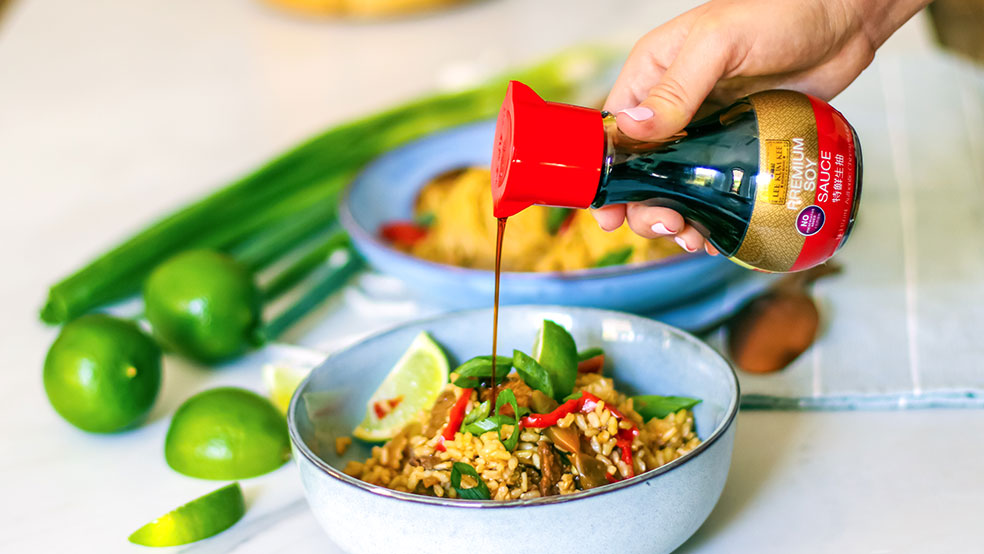

The relentless pursuit of culinary pleasure often finds itself at odds with the equally persistent desire for a healthy, balanced diet. For many, the kitchen becomes a battlefield where the siren song of rich, decadent flavors clashes with the stern pronouncements of calorie counts and nutritional labels. We yearn for the sublime satisfaction of a perfectly seasoned dish, a vibrant dressing, or a deeply savory sauce, but too often, these very elements are the culprits behind our caloric overindulgence. This internal conflict leads to a familiar cycle: periods of strict deprivation marked by bland, joyless "diet food," inevitably followed by a rebound into the comforting embrace of flavor, often at the expense of our health goals.
But what if there was a secret weapon, a humble pantry staple capable of bridging this divide? What if a single ingredient could elevate taste, deepen complexity, and deliver profound satisfaction, all while quietly, almost imperceptibly, helping us trim hundreds of calories from our meals? This is not a fantasy, nor a fleeting food trend. It is the quiet power of soy sauce, an ancient ferment that, when understood and wielded with intention, can revolutionize the way we approach calorie reduction – transforming it from a sacrifice into a celebration of flavor.
The Perennial Problem: The Taste-Calorie Paradox
Let’s be honest. "Diet food" has a terrible reputation, and often, it’s deserved. Think about the archetypal diet meal: a plain chicken breast, steamed broccoli, and maybe a squeeze of lemon. While undeniably healthy, it’s also undeniably… boring. The human palate craves complexity, richness, and depth. Our brains are wired to seek out a symphony of tastes – sweet, sour, salty, bitter, and above all, umami – the savory, meaty taste that signals protein and satisfaction.
Traditional calorie-cutting strategies often involve stripping away the very components that deliver these experiences: fats, sugars, and intensely flavored sauces. We swap creamy dressings for vinegar, butter for water, and rich gravies for mere broth. The result? A meal that might technically be lower in calories but leaves us feeling deprived, unsatisfied, and ultimately, vulnerable to cravings. This isn’t just a matter of willpower; it’s a fundamental misunderstanding of how our bodies and brains interact with food. If a meal doesn’t deliver adequate flavor satisfaction, our brains might signal that we haven’t eaten "enough," leading us to seek more food, or to overcompensate with less healthy options later.
Consider the ubiquitous salad. Dressed with a generous pour of creamy ranch or blue cheese dressing, it transforms from a healthy bowl of greens into a calorie bomb, often exceeding the caloric content of the very entrée it’s meant to accompany. Or the stir-fry, where vibrant vegetables and lean protein are often swimming in oil-laden sauces, thick with sugar and cornstarch. These high-calorie additions are often shortcuts to flavor, delivering a burst of richness that, while delicious, carries a hefty caloric price tag.
The challenge, then, is not merely to reduce calories, but to reduce them intelligently – to subtract without subtracting satisfaction. It’s about finding ingredients that punch above their weight in terms of flavor impact per calorie. This is where soy sauce enters the narrative, not as a replacement for all things rich, but as a strategic ally in the quest for culinary equilibrium.
Unlocking Umami: The Scientific Secret Weapon
To understand soy sauce’s unique power, we must first delve into the science of taste, specifically the fifth taste: umami. Discovered by Japanese chemist Kikunae Ikeda in 1908, umami (meaning "savory deliciousness") is the taste of glutamate, an amino acid naturally present in many foods like aged cheeses, mushrooms, tomatoes, cured meats, and, crucially, fermented products like soy sauce.
Glutamate isn’t just a taste; it’s a signal. When our taste receptors detect glutamate, it triggers a cascade of physiological responses that contribute to satiety and satisfaction. It signals the presence of protein, a vital macronutrient, and prepares our digestive system. Foods rich in umami tend to be inherently more satisfying, making us feel fuller and content with smaller portions.
Soy sauce is an umami powerhouse. Its complex flavor profile is a result of a meticulous fermentation process, typically involving soybeans, wheat, salt, and water. During fermentation, enzymes break down the proteins in the soybeans and wheat into their constituent amino acids, including a significant amount of glutamate. This natural glutamate, along with other flavor compounds, creates a rich, multifaceted taste that is savory, slightly sweet, subtly salty, and deeply aromatic. It adds a profound depth that is often missing from low-calorie cooking.
Think of it this way: when you replace a high-calorie fat (like butter or oil) or a sugary sauce, you’re not just removing calories; you’re often removing a layer of flavor and satisfaction. Soy sauce allows you to reintroduce that depth, that savory richness, with minimal caloric impact. A tablespoon of regular soy sauce contains only about 8-10 calories, negligible fat, and no added sugar (in most traditional varieties). Compare that to a tablespoon of olive oil (120 calories) or a tablespoon of creamy dressing (60-80 calories). The caloric savings are immediate and substantial.
The Mechanism of Calorie Reduction: How Soy Sauce Works Its Magic
The brilliance of soy sauce in calorie reduction lies in its versatility and its ability to substitute for or enhance flavors that traditionally come from higher-calorie sources.
-
Replacing High-Calorie Fats and Oils:
- Salad Dressings: This is perhaps the most straightforward application. Instead of drowning greens in oil-based vinaigrettes or creamy, mayo-heavy dressings, a simple dressing of low-sodium soy sauce, rice vinegar, a touch of sesame oil (for aroma, not volume), ginger, and garlic can transform a salad. It delivers a punch of savory, tangy flavor that coats the leaves and wakes up the vegetables, often with less than a quarter of the calories of its creamy counterparts.
- Marinades: Traditional marinades often rely heavily on oil to tenderize and carry flavor. While oil has its place, many flavors can be effectively delivered by soy sauce, which penetrates proteins and vegetables beautifully. A soy-based marinade (soy sauce, garlic, ginger, mirin or a touch of honey, lime juice) can impart incredible depth and savory notes to chicken, fish, tofu, or vegetables, making them far more appealing without adding significant fat. The umami helps the protein taste richer and more satisfying.
- Pan Sauces: Instead of finishing a pan-seared steak or chicken breast with a knob of butter or a cream reduction, a quick pan sauce made with a splash of soy sauce, a bit of broth, and some aromatics (like shallots or garlic) can deglaze the pan and create a flavorful, savory glaze with a fraction of the calories. The soy sauce provides the savory depth that butter often contributes.
-
Enhancing Natural Flavors and Lean Proteins:
- One of the biggest challenges in low-calorie cooking is making lean proteins (like chicken breast, white fish, or tofu) and vegetables exciting. Often, they are bland on their own. Soy sauce acts as a potent flavor enhancer, coaxing out the natural deliciousness of these ingredients.
- Vegetables: Roasted broccoli, steamed green beans, or sautéed mushrooms can be utterly transformed with a drizzle of soy sauce. It caramelizes slightly, adds a savory glaze, and makes them far more appealing than if simply seasoned with salt and pepper. The umami interacts with the vegetable’s own compounds, creating a more profound taste experience.
- Proteins: A quick brush of soy sauce on grilled chicken or fish, or a dash in a tofu scramble, amplifies their inherent savoriness, making them feel more substantial and satisfying without the need for high-calorie sauces or heavy seasonings.