
We live in an era where the siren song of convenience often lulls us into a state of physical dormancy. Our lives are increasingly optimized for stillness: ergonomic chairs, remote controls, delivery apps, and digital entertainment beckon us to remain rooted. The consequences of this sedentary existence are well-documented – a growing epidemic of chronic diseases, a pervasive sense of low energy, and a general disconnect from our own physical selves.
But what happens when we defy this gravitational pull of inertia? What truly transpires beneath the surface when we choose to move, to walk, to run, to dance, to lift, to stretch? Most of us anticipate the obvious: perhaps a few pounds shed, muscles toned, a fleeting endorphin rush. Yet, these are merely the opening notes of a far grander, more intricate symphony that begins to play within our bodies.
Imagine your body not as a static machine, but as a vast, complex orchestra. For many, this orchestra has been silent for too long, its instruments gathering dust, its sheet music unread. But when you start moving, even with a hesitant, out-of-tune first note, a conductor steps onto the podium. And what follows is not just a simple tune, but a profound, surprising, and often miraculous awakening of systems you never knew were dormant.
This isn’t about the superficial; it’s about a cellular, neurological, genetic, and even spiritual metamorphosis. For the knowledgeable mind, understanding these deeper shifts offers not just motivation, but a profound appreciation for the sheer ingenuity of the human form. Prepare to discover seven surprising ways your body orchestrates a magnificent transformation when you finally choose to move.
1. The Mitochondrial Overture: A Symphony of Cellular Power
For those leading a largely sedentary life, a persistent feeling of low energy isn’t just a mental state; it’s a cellular reality. Our bodies are powered by microscopic organelles called mitochondria, often dubbed the "powerhouses of the cell." These tiny factories convert the food we eat and the oxygen we breathe into adenosine triphosphate (ATP), the universal energy currency of life. In a body that rarely moves, these factories are fewer, smaller, and less efficient, akin to a sprawling industrial complex running on a skeleton crew.
The surprising transformation begins when you introduce regular movement. It’s not just about burning calories; it’s about signaling your cells to undertake a massive infrastructural upgrade. This process, known as mitochondrial biogenesis, is one of the most fundamental and profound adaptations to exercise. Your body begins to produce more mitochondria, and existing ones become larger, more interconnected, and more potent.
Imagine each muscle cell suddenly acquiring dozens, if not hundreds, of new, high-efficiency power generators. This isn’t just an increase in potential energy; it’s a fundamental shift in your metabolic capacity. You don’t just feel less tired; your cells literally become more adept at creating and utilizing energy. This translates into a cascade of benefits:
- Sustained Energy Levels: The midday slump becomes a relic of the past. Your body has a deeper well of energy to draw from, making everything from cognitive tasks to household chores feel less draining.
- Enhanced Fatigue Resistance: When you exercise, the accumulation of metabolic byproducts like lactate can contribute to muscle fatigue. With more and better mitochondria, your body becomes more efficient at clearing these byproducts and utilizing them for further energy, delaying the onset of fatigue. This is why you can eventually run longer or lift more reps without feeling completely spent.
- Improved Metabolic Flexibility: Sedentary individuals often struggle to efficiently switch between fuel sources (carbohydrates and fats). When your mitochondrial network expands and optimizes, your body becomes far more adept at burning fat for fuel, especially during lower-intensity activities. This not only aids in body composition but also contributes to stable blood sugar levels and reduced cravings.
- Cellular Resilience: Mitochondria are also intimately involved in cellular health and longevity. A robust mitochondrial network is associated with reduced oxidative stress and inflammation, contributing to overall cellular resilience and potentially slowing aspects of the aging process.
This cellular awakening is the quiet, invisible engine that powers all other transformations. It’s the initial, swelling crescendo of the symphony, building the foundation for every subsequent movement. It’s not just about having more energy for exercise; it’s about having more energy for life, forged at the very heart of your cells.
2. The Gut’s Grand Sonata: Harmonizing the Inner Ecosystem
For decades, the gut was largely considered a passive tube for digestion. We now know it’s a bustling metropolis, home to trillions of microorganisms – bacteria, viruses, fungi, and archaea – collectively known as the gut microbiome. This inner ecosystem plays a pivotal role in everything from digestion and nutrient absorption to immune function, mood, and even brain health. And surprisingly, movement acts as a masterful conductor for this microbial orchestra.
A sedentary lifestyle, often paired with a diet low in fiber and high in processed foods, can lead to a less diverse and potentially dysbiotic (unbalanced) microbiome. Beneficial bacteria diminish, and opportunistic, pro-inflammatory species can thrive. This imbalance contributes to issues like digestive discomfort, nutrient deficiencies, and chronic low-grade inflammation that can ripple throughout the body.
When you start moving, you initiate a profound shift in this internal landscape. Research has consistently shown that regular exercise, particularly aerobic activity, significantly increases the diversity and abundance of beneficial gut bacteria. Specific species known for their positive health impacts, such as Akkermansia muciniphila (associated with a healthy gut lining and improved metabolic health) and various strains that produce short-chain fatty acids (SCFAs), tend to flourish.
The mechanisms behind this surprising connection are multifaceted:
- Increased Gut Motility: Physical activity naturally stimulates peristalsis, the muscular contractions that move food through your digestive tract. This not only prevents constipation but also ensures a regular turnover of the gut environment, preventing the stagnation that can favor harmful bacteria.
- Enhanced Blood Flow and Oxygenation: Exercise improves circulation to all organs, including the gut. Better blood flow delivers more oxygen and nutrients to the cells lining the gut, strengthening the intestinal barrier and creating a more hospitable environment for beneficial microbes.
- Reduced Inflammation: Chronic inflammation in the gut can damage the intestinal lining ("leaky gut") and disrupt microbial balance. Exercise is a potent anti-inflammatory agent. By reducing systemic inflammation, it helps to calm the gut environment, allowing beneficial species to thrive and the gut barrier to heal.
- Modulation of the Gut-Brain Axis: The gut and brain are in constant communication via the vagus nerve and various neurochemicals. A healthier, more diverse microbiome sends positive signals to the brain, influencing mood, stress response, and cognitive function. This is why improvements in gut health often coincide with reduced anxiety and improved mental clarity – a true brain-gut grand sonata.
- SCFA Production: Beneficial gut bacteria ferment dietary fiber to produce SCFAs like butyrate, propionate, and acetate. These SCFAs are crucial for gut health, providing energy to colon cells, strengthening the gut barrier, and exerting systemic anti-inflammatory effects. Exercise enhances the production of these vital compounds.
So, when you lace up your shoes or step onto a mat, you’re not just moving your muscles; you’re cultivating an internal garden, fostering a thriving ecosystem that will reward you with better digestion, a stronger immune system, and even a brighter mood. It’s a surprising testament to the interconnectedness of our body’s systems, where the rhythm of movement literally orchestrates the health of your inner world.
3. The Brain’s Brilliant Cadenza: Resculpting the Mind’s Landscape
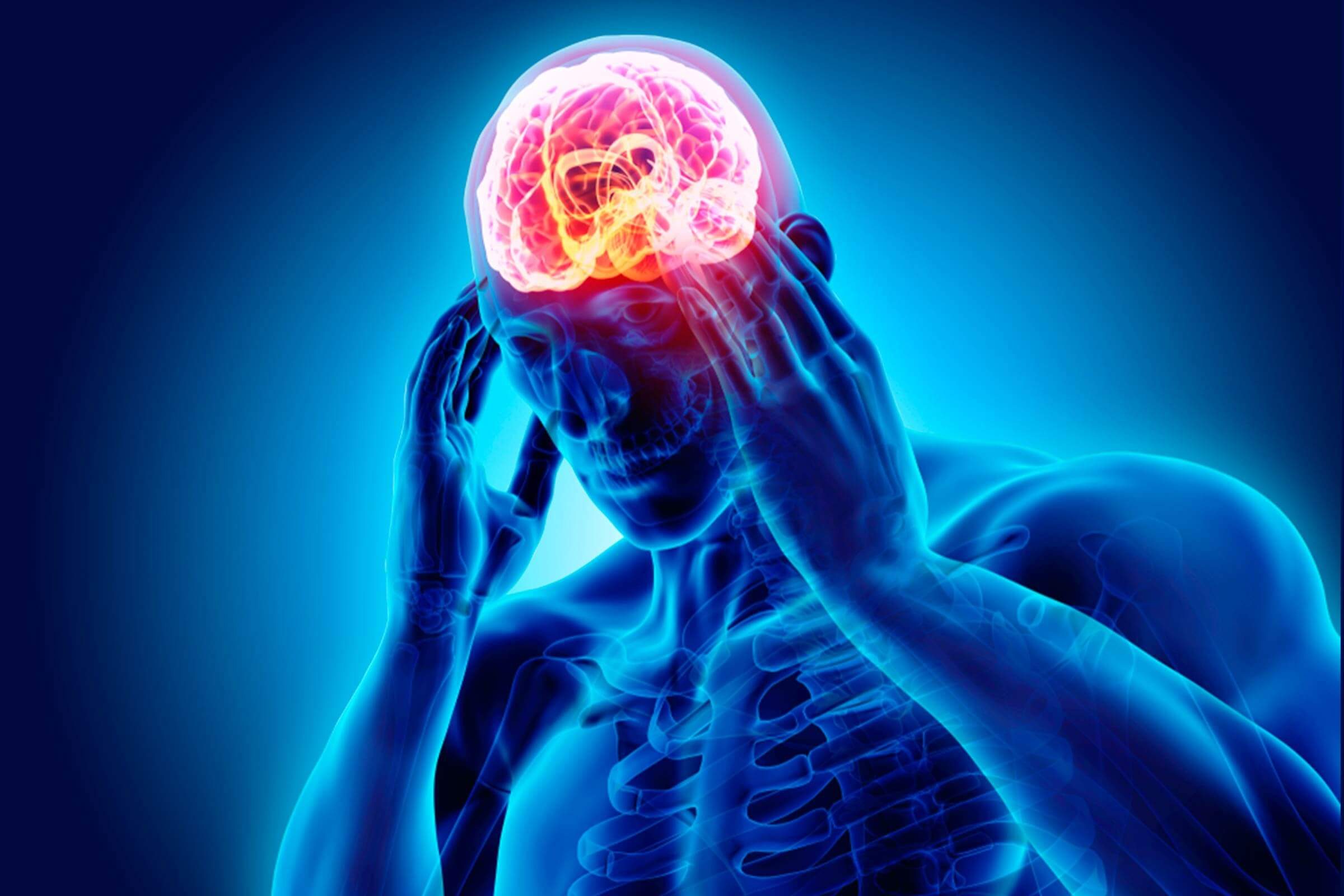
Most people start moving to change their bodies, not realizing they are simultaneously embarking on a profound rewiring of their brains. Beyond the immediate rush of endorphins, regular physical activity instigates structural and functional changes in the brain that are nothing short of astonishing, challenging the long-held belief that the adult brain is a fixed entity.
A sedentary lifestyle can contribute to cognitive decline, reduced neuroplasticity (the brain’s ability to adapt and form new connections), and an increased risk for neurodegenerative diseases. The brain, like any other organ, thrives on stimulation and robust blood flow.
When you start moving, you kickstart a brilliant cadenza of neural transformation:
- Neurogenesis – The Birth of New Brain Cells: Perhaps the most surprising discovery is that exercise stimulates neurogenesis, particularly in the hippocampus, a brain region critical for learning and memory. For decades, it was believed that adults couldn’t grow new brain cells. Movement proves this wrong, actively promoting the creation of new neurons, enhancing your capacity for memory formation and spatial navigation.
- Enhanced Synaptic Plasticity: Beyond new neurons, exercise strengthens existing connections between neurons (synapses) and helps form new ones. This process, known as synaptic plasticity, is the fundamental basis of learning. Movement makes your brain more adaptable, quicker to learn new information, and more efficient at processing data.
- Increased Brain-Derived Neurotrophic Factor (BDNF): Exercise is a powerful trigger for the release of BDNF, often called "Miracle-Gro for the brain." BDNF supports the survival of existing neurons, encourages the growth of new neurons and synapses, and improves overall cognitive function. It plays a crucial role in mood regulation, learning, and memory.
- Improved Executive Function: Areas of the brain responsible for planning, problem-solving, decision-making, and working memory (like the prefrontal cortex) show remarkable improvements with regular physical activity. This translates to better focus, clearer thinking, and enhanced organizational skills in daily life.
- Increased Cerebral Blood Flow: Exercise dilates blood vessels, increasing the flow of oxygen and nutrient-rich blood to the brain. This vital supply fuels neural activity and supports the health and function of brain cells.
- Reduced Brain Atrophy: As we age, brain volume can naturally decrease. Studies show that individuals who engage in regular physical activity exhibit less age-related brain atrophy, particularly in areas crucial for memory and cognitive function.
- Anxiety and Depression Mitigation: While often attributed solely to endorphins, exercise’s impact on mood is far more complex. It regulates neurotransmitters like serotonin, dopamine, and norepinephrine, which are critical for mood stability. It also reduces chronic stress hormones like cortisol and offers a behavioral outlet for stress, effectively "exercising" the brain’s emotional regulation systems.
The brain, once thought to be a static instrument, reveals itself to be a dynamic, ever-evolving landscape. Movement is the master sculptor, shaping its valleys and peaks, carving new pathways, and nurturing a vibrant, resilient mind. It’s a profound realization that changing your body is, in essence, changing your very capacity to think, learn, and feel.
4. The Proprioceptive Pas de Deux: Dancing with the World
Have you ever stumbled over an unseen crack in the pavement or misjudged the distance to a chair? These seemingly minor incidents highlight a less obvious, yet profoundly important, aspect of our physical being: proprioception. This is our "sixth sense," the unconscious perception of movement and spatial orientation, derived from stimuli within the body itself. It’s the sense that tells you where your limbs are in space, even with your eyes closed, and how much force your muscles need to exert.
In a sedentary existence, this finely tuned sense can atrophy. Our movements become predictable and limited, reducing the need for constant feedback from our muscles, tendons, and joints. The result is often a subtle but pervasive clumsiness, a reduced sense of balance, and an increased risk of falls and injuries. The body, like a dancer whose stage has shrunk to a single spot, loses its grace and spatial awareness.
When you start moving, especially through varied and challenging activities, you initiate a beautiful proprioceptive pas de deux – a dance between your body and its environment. You force your sensory system to re-engage, sending a torrent of rich, novel information to your brain:
- Re-awakening Sensory Receptors: Within your muscles, tendons, and joints are specialized mechanoreceptors (Golgi tendon organs, muscle spindles, Ruffini endings, Pacinian corpuscles). Movement stimulates these receptors, sending continuous streams of data about joint angles, muscle length, and tension to the central nervous system. This constant feedback loop sharpens your body’s internal GPS.
- Enhanced Balance and Coordination: As you move through different planes and challenges (think balancing on one leg, navigating uneven terrain, or learning a new dance step), your brain is forced to integrate proprioceptive input with visual and vestibular (inner ear) information. This significantly improves your static and dynamic balance, making you less prone to falls and more confident in your movements.
- Improved Body Awareness and Control: You gain a more intimate understanding of your body’s capabilities and limitations. This heightened body awareness allows for more precise and efficient movements, whether you’re reaching for a high shelf or performing a complex athletic maneuver. You become more attuned to subtle cues, preventing injuries before they happen.
- Increased Agility and Reaction Time: Activities that require quick changes in direction or rapid responses (like sports or dancing) hone your proprioceptive skills, improving your agility and decreasing your reaction time. This isn’t just for athletes; it’s vital for navigating a crowded street or catching a falling object.
- Reduced Pain and Improved Posture: Poor posture often stems from a lack of proprioceptive awareness. When you reactivate these senses through movement, you become more conscious of your spinal alignment and muscle engagement, leading to improved posture and a reduction in chronic pain related to musculoskeletal imbalances.
- Confidence in Movement: Beyond the physical, a strong proprioceptive sense cultivates a deep sense of confidence. You feel more grounded, more capable, and more at ease in your own skin, navigating the world with greater assurance and grace.
This transformation is often subtle, not a dramatic muscle bulge, but a profound re-integration of mind and body. You don’t just move; you feel your movement with a new depth, becoming a more harmonious and capable participant in the world around you. It’s the elegant, precise footwork that makes the entire symphony feel seamless.
5. The Epigenetic Ensemble: Conducting Your Genetic Destiny
Here lies perhaps the most surprising and profound transformation of all: movement doesn’t just change your body; it changes how your genes express themselves. For a long time, we viewed our DNA as an unchangeable blueprint, a fixed destiny. However, the emerging field of epigenetics reveals that while our genes are static, their activity is dynamic, influenced by our environment and lifestyle choices. Movement, it turns out, is a powerful epigenetic conductor.
A sedentary lifestyle, often coupled with poor nutrition and chronic stress, can lead to unfavorable epigenetic modifications. These "epigenetic tags" can silence beneficial genes (e.g., those involved in metabolism or tumor suppression) or activate detrimental ones (e.g., those promoting inflammation or disease susceptibility). It’s like having a brilliant piece of sheet music (your DNA), but the conductor (your lifestyle) is instructing the orchestra to play discordantly or to skip crucial movements.
When you start moving, you effectively hand the baton to a new, more discerning conductor. Exercise triggers a cascade of molecular events that actively modify gene expression:
- DNA Methylation: This process involves adding or removing methyl groups to DNA, which can turn genes "on" or "off." Exercise has been shown to alter DNA methylation patterns in muscle cells and other tissues, influencing genes involved in fat metabolism, glucose uptake, and muscle growth. For example, it can turn on genes that promote mitochondrial biogenesis (as discussed earlier) and turn off genes associated with insulin resistance.
- Histone Modification: DNA is wound around proteins called histones. How tightly or loosely DNA is wrapped around histones affects gene accessibility. Exercise can induce modifications to histones, making certain genes more accessible for transcription (gene expression) or less accessible, thus fine-tuning cellular responses.
- MicroRNA (miRNA) Regulation: These small RNA molecules play a critical role in regulating gene expression by interfering with messenger RNA (mRNA) and preventing protein synthesis. Exercise can alter the profile of miRNAs in various tissues, influencing a wide range of biological processes, including inflammation, muscle repair, and cardiovascular health.
- Activation of Longevity Pathways: Movement has been shown to activate sirtuins (SIRT1), a family of proteins that play a crucial role in cellular health, metabolism, and longevity. These sirtuins, in turn, influence gene expression, promoting cellular repair, stress resistance, and healthy aging.
- Disease Prevention and Reversal: The epigenetic impact of exercise is particularly relevant in the context of chronic diseases. It can modify gene expression in ways that reduce the risk of type 2 diabetes, cardiovascular disease, certain cancers, and even neurodegenerative conditions. For individuals already battling these conditions, exercise can help reprogram cellular function to mitigate disease progression.
- Intergenerational Impact: Emerging research even suggests that some epigenetic changes induced by exercise could potentially be passed down, influencing the health trajectory of future generations. While this area is still under intense investigation, it hints at an even more profound legacy of movement.
This transformation is truly mind-bending. It means you are not merely a passive recipient of your genetic inheritance; you are an active participant in its ongoing narrative. Every step, every lift, every stretch is a command to your cellular machinery, dictating which parts of your genetic score are played and with what intensity. You are literally rewriting aspects of your biological story, conducting your genetic destiny with every purposeful movement.
6. The Immune System’s Fortissimo: A Balanced Defense
When considering the benefits of exercise, a robust immune system might come to mind, but the actual mechanism and the nuanced transformation are far more surprising than simply "fewer colds." The immune system is a complex orchestra, capable of both fierce defense and delicate self-regulation. In a sedentary state, this orchestra can become dysregulated – either underperforming in its defensive duties or overreacting with chronic inflammation.
A lack of movement often contributes to a state of chronic low-grade inflammation, a silent enemy underlying many modern diseases. Immune cells become sluggish, surveillance against pathogens can be compromised, and the body’s ability to mount an appropriate, balanced response is diminished.
When you start moving, you don’t just boost your immunity; you conduct a fortissimo of immune system modulation, bringing balance and efficiency to its intricate operations:
- Acute Immune Mobilization: During and immediately after a bout of exercise, there’s a significant increase in the circulation of immune cells, particularly natural killer (NK) cells and T-lymphocytes. This "immune surveillance" sweeps through the body, seeking out and destroying pathogens and abnormal cells (like nascent cancer cells). This acute mobilization is like deploying patrols to secure the perimeter.
- Reduced Chronic Inflammation: This is where the surprise truly lies. While acute exercise causes a temporary inflammatory response (muscle soreness, for example), regular, moderate exercise is profoundly anti-inflammatory. It reduces levels of pro-inflammatory cytokines (signaling molecules like TNF-alpha and IL-6) and increases anti-inflammatory cytokines. This rebalances the immune system, calming the chronic inflammation that damages tissues and contributes to diseases like atherosclerosis, diabetes, and autoimmune conditions.
- Enhanced Lymphatic Flow: The lymphatic system is crucial for immune function, transporting immune cells and clearing waste products. Unlike the circulatory system, the lymphatic system doesn’t have a pump; it relies on muscle contractions and movement to circulate lymph fluid. Exercise literally pumps your lymphatic system, ensuring efficient waste removal and robust immune cell transport.
- Stress Hormone Regulation: Chronic stress suppresses the immune system. Exercise, by reducing cortisol and other stress hormones, helps to normalize immune function. It trains the body’s stress response system to be more resilient, preventing the prolonged immune suppression associated with chronic stress.
- Improved Gut Immunity: As discussed earlier, a significant portion of our immune system resides in the gut. By positively influencing the gut microbiome and reducing gut inflammation, exercise indirectly strengthens gut-associated lymphoid tissue (GALT), further fortifying overall immunity.
- Vaccine Efficacy: Studies have even shown that regular exercisers tend to have a stronger antibody response to vaccinations, indicating a more robust and responsive immune system.
So, it’s not just about avoiding the common cold. Movement transforms your immune system from a potentially erratic and fatigued force into a well-trained, highly efficient, and balanced defense mechanism. It’s an orchestra that knows when to play loud and fierce, and when to soften into a gentle, healing melody, maintaining harmony throughout your entire being.
7. The Emotional Rhapsody: Composing Inner Resilience
The most commonly cited psychological benefit of exercise is the "runner’s high" or improved mood, often attributed to endorphins. While true, this barely scratches the surface of the profound emotional and psychological transformation that occurs when you consistently choose movement. It’s not just about fleeting happiness; it’s about composing an entirely new emotional rhapsody, building deep, enduring inner resilience.
A sedentary lifestyle can foster feelings of lethargy, anxiety, and helplessness. When we avoid physical challenge, we implicitly tell ourselves that we are fragile, incapable of pushing boundaries. This can create a feedback loop of diminished self-efficacy and increased vulnerability to stress. Our emotional landscape can feel like a chaotic, dissonant piece of music, lacking structure or harmony.
When you start moving, you become the composer of a more robust and melodic inner world:
- Neurochemical Harmony: Beyond endorphins, exercise profoundly impacts a symphony of neurotransmitters crucial for mood and emotional regulation:
- Dopamine: The reward chemical. Achieving exercise goals, even small ones, floods the brain with dopamine, reinforcing positive behaviors and increasing motivation.
- Serotonin: Critical for mood, sleep, and appetite. Regular movement helps regulate serotonin levels, acting as a natural antidepressant.
- Norepinephrine: Involved in alertness and focus. Exercise helps balance norepinephrine, improving attention and reducing feelings of brain fog.
- Stress Inoculation: Every time you push yourself during a workout, you are subjecting your body to a controlled, acute stressor. Your body learns to adapt, activating its stress response (e.g., increased heart rate, breathing) and then learning to recover. This repeated exposure "inoculates" your system, making it more resilient to everyday psychological stressors. The HPA (hypothalamic-pituitary-adrenal) axis, your body’s central stress response system, becomes more balanced and efficient.
- Enhanced Self-Efficacy and Mastery: Successfully completing a workout, reaching a fitness goal, or simply showing up consistently builds a profound sense of self-efficacy – the belief in your own ability to succeed. This sense of mastery spills over into other areas of life, empowering you to tackle challenges with greater confidence and determination.
- Emotional Regulation and Processing: Movement provides a healthy outlet for pent-up emotions. Physical exertion can help metabolize stress hormones, reduce muscle tension associated with anxiety, and create a space for mindfulness. Whether it’s the rhythmic breathing of a run or the focused attention of a yoga pose, movement can be a powerful form of active meditation, allowing you to process emotions rather than suppress them.
- Improved Sleep Quality: As discussed, movement impacts energy levels, but it also profoundly influences sleep architecture. Deeper, more restorative sleep, in turn, is a cornerstone of emotional resilience, allowing the brain to process information, consolidate memories, and repair itself.
- Social Connection and Belonging: Group exercise, team sports, or even walks with friends foster a sense of community and belonging, combating feelings of isolation that can exacerbate emotional distress. Shared goals and mutual support create powerful bonds.
- Mind-Body Connection: Over time, movement cultivates a deeper, more intuitive connection to your physical self. You become more attuned to your body’s signals, fostering a sense of integration and wholeness that is profoundly grounding and emotionally stabilizing.
This transformation is about moving from a state of emotional reactivity to one of thoughtful responsiveness. It’s about building a robust internal framework that can withstand life’s inevitable storms. You don’t just feel better; you become better equipped to handle feeling bad, composing an inner symphony of strength, peace, and unwavering resilience.
The Conductor’s Final Bow
The journey from stillness to motion is far more than a physical endeavor; it is a profound act of self-reclamation. What begins as a conscious decision to move slowly blossoms into an intricate, beautiful symphony orchestrated by your own biological intelligence.
From the cellular power plants reigniting with mitochondrial biogenesis to the microbial gardens flourishing in your gut, from the brain rewiring itself for greater capacity to the senses recalibrating for precise interaction with the world, from the genetic code being re-edited to the immune system finding its balanced rhythm, and finally, to the deep, enduring resilience woven into your emotional fabric – every system awakens.
The body, once a silent orchestra, now plays with vibrant energy, intricate harmony, and a powerful, resonant fortissimo. And the most astonishing part? You, the individual, hold the conductor’s baton. You have the power to initiate this magnificent transformation, to tune each instrument, and to guide the performance of your own unparalleled life.
So, choose to move. Choose to awaken the symphony within. The performance of your life awaits.