
The ticking clock of life often brings with it an evolving landscape of health concerns, and for men, few loom as silently yet significantly as the prostate. This small, walnut-sized gland, nestled beneath the bladder, plays a crucial role in the male reproductive system. Yet, as the years advance, it often becomes a source of anxiety, with conditions ranging from benign prostatic hyperplasia (BPH) – an annoying but generally non-cancerous enlargement – to the more insidious threat of prostate cancer.
For generations, the narrative around prostate health has often been reactive: waiting for symptoms, then seeking medical intervention. But what if there was a different story to tell? A proactive saga of empowerment, where the very foods we choose become our most potent allies? This is the narrative we aim to unfold – one that empowers the knowledgeable man to take charge of his prostate health, not through radical overhauls, but through the strategic integration of nature’s most powerful offerings.
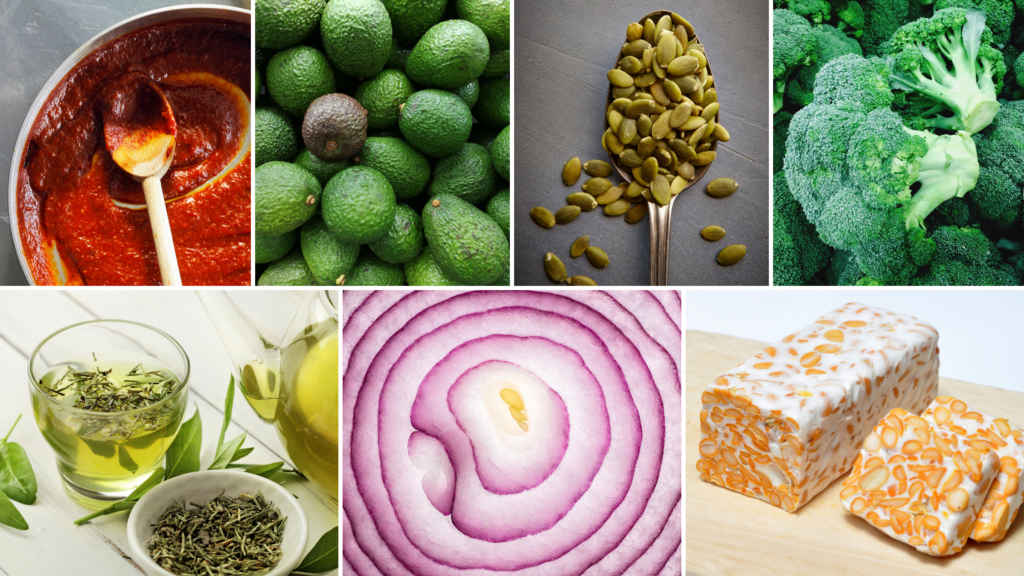
Welcome to the world of "The Big 7": essential superfoods designed not just to nourish, but to actively protect, soothe, and support a healthier prostate. This isn’t about fleeting fads or miracle cures; it’s about understanding the sophisticated symphony of nutrients, phytochemicals, and antioxidants that these foods orchestrate within our bodies, influencing everything from inflammation and oxidative stress to hormonal balance and cellular integrity. For the discerning individual who seeks to understand the ‘why’ behind the ‘what,’ prepare to delve deep into the science and the story of these remarkable dietary champions.
Understanding the Prostate: A Deeper Dive
Before we introduce our culinary heroes, it’s essential to appreciate the delicate balance within the prostate itself. Anatomically, the prostate gland surrounds the urethra, the tube that carries urine from the bladder out of the body. Its primary function is to produce seminal fluid, which nourishes and transports sperm. Hormonally, it’s highly dependent on androgens, particularly dihydrotestosterone (DHT), a potent derivative of testosterone.
With age, this hormonal interplay can become a double-edged sword. Conditions like BPH, affecting over half of men by their 60s and up to 90% by their 80s, are characterized by an overgrowth of prostate cells, often driven by DHT. This enlargement can constrict the urethra, leading to bothersome urinary symptoms such as frequent urination, weak stream, and incomplete bladder emptying. While BPH is benign, it significantly impacts quality of life.
Prostatitis, an inflammation of the prostate, can affect men of all ages, presenting with pain in the pelvic area, painful urination, and flu-like symptoms. It can be bacterial or non-bacterial, with chronic non-bacterial prostatitis often linked to inflammation and nerve dysfunction.
Then there is prostate cancer, the second most common cancer among men worldwide. While genetics, age, and ethnicity play significant roles, lifestyle factors, particularly diet, are increasingly recognized as critical modulators of risk. The development and progression of prostate cancer are complex, involving chronic inflammation, oxidative stress, DNA damage, uncontrolled cell proliferation, and angiogenesis (the formation of new blood vessels that feed tumors).
Our approach to prostate health, therefore, must be multifaceted. It must address inflammation, neutralize damaging free radicals, modulate hormonal pathways, and support healthy cellular processes. This is precisely where the "Big 7" step onto the stage, each bringing its unique set of bioactives to contribute to this intricate protective dance.
The Philosophy Behind the "Big 7": A Symphony of Protection
Why superfoods? The term "superfood" might sound like marketing jargon, but at its core, it refers to foods exceptionally rich in compounds that confer health benefits beyond basic nutrition. We’re not just talking about vitamins and minerals here, though those are crucial. We’re focusing on phytochemicals – plant-derived compounds that exert profound biological effects.
The power of these "Big 7" lies in their synergy. While individual compounds are potent, their combined action within whole foods creates an effect greater than the sum of their parts. They work in concert to:
- Quell Inflammation: Chronic inflammation is a known driver of many chronic diseases, including prostate conditions. Many of these superfoods contain powerful anti-inflammatory compounds that dampen inflammatory pathways.
- Combat Oxidative Stress: Free radicals, byproducts of metabolism and environmental exposure, can damage cells and DNA, contributing to aging and disease. Antioxidants found in these foods neutralize these damaging molecules.
- Modulate Hormonal Balance: By influencing enzymes involved in hormone metabolism, some superfoods can help maintain a healthier balance of androgens and estrogens, crucial for prostate health.
- Support Cell Cycle Regulation and Apoptosis: Healthy cells have a natural life cycle, including programmed cell death (apoptosis) when they become damaged. Cancer cells often evade apoptosis. Certain phytochemicals can encourage unhealthy cells to self-destruct.
- Inhibit Angiogenesis: Tumors require a blood supply to grow. Some compounds can interfere with the formation of new blood vessels, effectively starving potential cancerous growths.
- Enhance Detoxification: By supporting liver function and detoxification pathways, these foods help the body eliminate harmful substances, including excess hormones and environmental toxins.
This isn’t just about adding a single ingredient; it’s about crafting a dietary symphony where each instrument plays a vital role in protecting and nourishing the prostate gland from within. Let’s meet the conductors of this orchestra.
The Big 7: Essential Superfoods for a Healthier Prostate
1. Tomatoes: The Lycopene Powerhouse
No discussion of prostate health is complete without acknowledging the humble tomato. Its vibrant red hue is a beacon of its primary prostate-protective compound: lycopene. Lycopene is a potent carotenoid antioxidant, responsible for the red and pink colors in fruits and vegetables like tomatoes, watermelons, and pink grapefruits.
Key Bioactive Compounds: Lycopene is the star here, but tomatoes also offer vitamins C and E, potassium, and other polyphenols.
Mechanism of Action: Lycopene’s primary benefit stems from its exceptional antioxidant capacity. It effectively neutralizes free radicals, particularly reactive oxygen species, which can cause DNA damage and fuel inflammation in prostate cells. Research suggests lycopene accumulates in prostate tissue, where it can exert its protective effects. Beyond its antioxidant role, lycopene has been shown to modulate cell signaling pathways involved in cell growth and differentiation, potentially inhibiting the proliferation of prostate cancer cells and inducing apoptosis. It may also reduce inflammation by inhibiting pro-inflammatory cytokines and enzymes. Interestingly, cooked tomatoes, especially with a little healthy fat (like olive oil), enhance lycopene bioavailability significantly, as heat breaks down cell walls and fat aids absorption.
Evidence/Studies: Numerous epidemiological studies have linked higher dietary intake of lycopene, particularly from cooked tomato products, to a reduced risk of prostate cancer. Some intervention studies have shown a reduction in PSA levels (a biomarker for prostate cancer) and a decrease in oxidative stress markers in men consuming lycopene-rich foods. While not a cure, the consistent evidence points to a significant protective role.
Practical Application: Incorporate cooked tomato products regularly. Think tomato paste, sauce, stewed tomatoes, or sun-dried tomatoes. A drizzle of olive oil alongside enhances absorption. Fresh tomatoes are great for overall health, but for prostate-specific lycopene, cooked forms are superior.