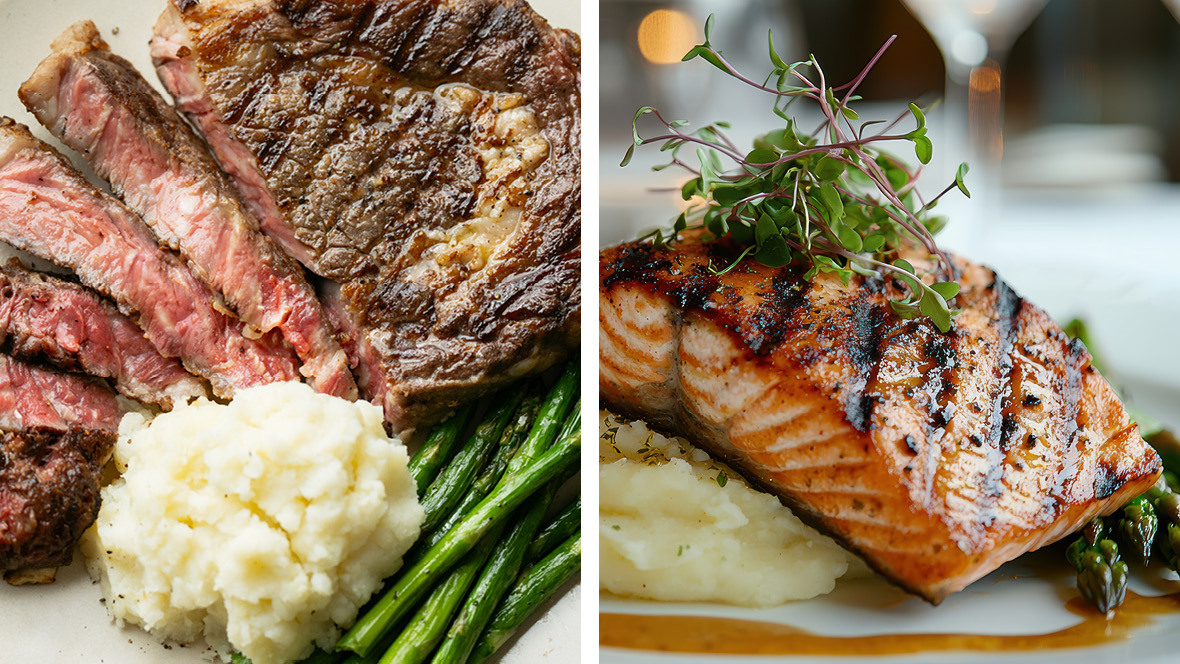

For decades, the image of the elite athlete was inextricably linked with the sizzle of a steak. A thick cut of red meat, rich in protein and iron, was the quintessential meal for recovery, muscle building, and projecting an aura of primal strength. It was the fuel of champions, the reward after a grueling training session, a dietary cornerstone steeped in tradition and perceived necessity. From gridiron gladiators to marathon marvels, the mantra was clear: eat meat, build power.
But quietly, yet with undeniable scientific backing, a revolution has been brewing on the plates of the world’s most finely tuned athletic machines. The unmistakable pink hue of salmon, once a mere culinary alternative, has ascended to become a dietary staple, often supplanting its red meat predecessor. This isn’t a whimsical fad or a transient trend; it’s a calculated, strategic evolution in sports nutrition, driven by an ever-deepening understanding of physiology, performance optimization, and long-term health. Athletes, their coaches, and their nutritionists are making a deliberate swap, trading the perceived brute force of steak for the nuanced, potent benefits of the oceanic powerhouse. The question is no longer if they’re making the switch, but why this profound dietary recalibration is occurring, and what it signifies for the future of peak human performance.
The Reign of Red Meat: A Legacy of Power and Its Evolving Limitations
To understand the shift, we must first appreciate the historical dominance of red meat in the athlete’s diet. The association is primal, almost instinctive. Red meat, particularly steak, has long been synonymous with masculinity, strength, and vitality. Its rich red color evokes images of blood, iron, and raw power – elements deeply ingrained in the psyche of a competitor. From ancient warriors who gorged on wild game to 20th-century strongmen advocating for carnivorous diets, the message was consistent: red meat builds muscle, restores energy, and fuels the most demanding physical endeavors.
Nutritionally, this belief wasn’t entirely unfounded. Steak is, without a doubt, a potent source of essential nutrients. It delivers high-quality, complete protein, providing all nine essential amino acids necessary for muscle protein synthesis (MPS) – the fundamental process of muscle repair and growth. A single serving can provide a significant portion of an athlete’s daily protein requirement, crucial for mitigating muscle breakdown and facilitating recovery after intense exercise. Beyond protein, red meat is a stellar source of heme iron, the most bioavailable form of iron, critical for oxygen transport via hemoglobin and myoglobin, thereby impacting endurance and energy levels. It’s also packed with B vitamins like B12, B6, and niacin, vital cofactors in energy metabolism, nerve function, and red blood cell formation. Creatine, a compound celebrated for its role in enhancing short bursts of power and strength, is also naturally abundant in red meat.
However, as the science of sports nutrition advanced and the demands of elite competition intensified, the limitations and potential downsides of a heavy reliance on red meat began to surface. While beneficial in moderation, excessive consumption, particularly of conventionally raised, fattier cuts, presented several concerns. The primary concern revolved around saturated fat and cholesterol, implicated in cardiovascular health issues. For athletes whose careers depend on optimal circulatory function and long-term health, this became a critical consideration.
Furthermore, the digestion of red meat, especially in large quantities, can be more challenging for the gastrointestinal system, potentially leading to sluggishness or digestive discomfort, which is antithetical to peak performance. Emerging research also highlighted the presence of compounds like Neu5Gc (a non-human sialic acid) and the potential for increased production of TMAO (trimethylamine N-oxide) from certain gut bacteria metabolizing carnitine in red meat, both of which have been linked to inflammatory responses and cardiovascular risk. While the science here is complex and nuanced, it added another layer of consideration for athletes constantly seeking to minimize inflammation and optimize every physiological process. The heavy environmental footprint of beef production, though often a secondary consideration for performance, also began to factor into the broader ethical and sustainable choices of athletes and organizations.
As athletes pushed the boundaries of human performance, their bodies became laboratories, demanding not just fuel, but optimized fuel. The quest for faster recovery, reduced inflammation, enhanced cognitive function, and sustained peak performance with minimal side effects led them to cast their nets wider, beyond the traditional confines of the protein plate.
The Rise of the Oceanic Powerhouse: Unpacking Salmon’s Superiority
Enter salmon: a shimmering, lean fish from the cold, clear waters, now recognized as a nutritional powerhouse uniquely suited to the demands of modern athletic endeavor. Its ascent is not merely about providing an alternative source of protein; it’s about delivering a synergistic blend of nutrients that specifically target the multifaceted needs of an athlete.
A. The Omega-3 Advantage: EPA & DHA – The Game Changers
The undisputed crown jewel of salmon’s nutritional profile is its abundance of long-chain omega-3 fatty acids, specifically Eicosapentaenoic Acid (EPA) and Docosahexaenoic Acid (DHA). These are not merely "healthy fats"; they are potent bioactive compounds that fundamentally alter physiological processes in ways profoundly beneficial to athletes.
-
Anti-Inflammatory Powerhouse: Intense training, by its very nature, induces muscle damage and systemic inflammation. While some inflammation is necessary for adaptation, chronic or excessive inflammation hinders recovery, prolongs muscle soreness (DOMS), and increases injury risk. EPA and DHA are master modulators of inflammatory pathways. They are precursors to less inflammatory eicosanoids (like PGE3, LTB5) and specialized pro-resolving mediators (SPMs) such as resolvins, protectins, and maresins. These compounds actively resolve inflammation, helping to switch off the inflammatory response, clear cellular debris, and promote tissue repair. For an athlete, this translates to significantly reduced muscle soreness, faster recovery times between training sessions, and a lower susceptibility to overuse injuries. Joints, often under immense stress, also benefit from this anti-inflammatory action, improving flexibility and reducing pain.
-
Cardiovascular Health Optimization: Optimal blood flow is paramount for athletic performance, delivering oxygen and nutrients to working muscles and efficiently removing metabolic waste. Omega-3s contribute to cardiovascular health by reducing triglyceride levels, improving endothelial function (the lining of blood vessels), reducing blood pressure, and inhibiting platelet aggregation, thereby enhancing overall circulatory efficiency. A healthy, responsive cardiovascular system means better oxygen delivery to muscles, which directly impacts endurance, stamina, and overall work capacity.
-
Brain Health & Cognitive Function: Sport isn’t just physical; it’s intensely mental. Focus, reaction time, strategic thinking, and mood regulation are critical components of success. DHA, in particular, is a major structural component of brain cell membranes. Omega-3s support neurotransmitter function, improve synaptic plasticity, and protect against oxidative stress in the brain. For athletes, this translates to sharper focus during competition, quicker decision-making, improved coordination, and even enhanced mood regulation, helping them navigate the psychological pressures of elite sport.
-
Cell Membrane Integrity: Omega-3s integrate into the phospholipid bilayers of cell membranes, making them more fluid and flexible. This improved membrane fluidity facilitates nutrient transport into cells and waste removal, enhances cell signaling, and improves the function of various receptors, including insulin receptors. For muscle cells, this means potentially better glucose uptake and insulin sensitivity, crucial for energy management and recovery.
B. Protein Par Excellence:
While omega-3s are the star, salmon’s protein profile is equally impressive. It provides a complete array of essential amino acids, making it a high biological value protein that rivals steak. However, salmon protein is generally leaner, meaning fewer calories from saturated fat per gram of protein. It’s also often perceived as lighter and easier to digest than red meat, reducing the post-meal sluggishness that can impede subsequent training or competition. This high-quality, easily digestible protein is precisely what muscles need for efficient repair and growth, without placing an undue burden on the digestive system.
C. A Symphony of Micronutrients: