
Introduction: The Prostate – A Vulnerable Citadel in the Male Anatomy
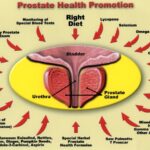
Nestled beneath the bladder, encircling the urethra, lies a small but mighty gland: the prostate. Often overlooked until it begins to assert its presence through discomfort or disease, this walnut-sized organ plays a crucial role in male reproductive health, primarily by producing seminal fluid that nourishes and transports sperm. For many men, the prostate remains a silent, diligent worker for decades, yet as age advances, it frequently transforms into a source of concern, grappling with issues ranging from benign enlargement (BPH) to inflammation (prostatitis) and, most significantly, cancer.
The journey through male aging often brings with it a heightened awareness of prostate health. Discussions among men frequently turn to prevention, management, and the search for allies in maintaining this vital organ’s well-being. While genetics, lifestyle, and medical interventions are undeniably paramount, an often-unsung hero frequently emerges from the biochemical shadows: zinc. More than just another trace mineral, zinc’s relationship with the prostate is a deeply intricate scientific narrative, one that positions it not merely as a beneficial nutrient, but as a prostate’s best friend – a guardian, a regulator, and a critical component in its defense against dysfunction and disease.
For the knowledgeable reader, this article will delve deep into the science behind this extraordinary partnership. We will explore the unique metabolic signature of zinc within the prostate, unravel its multifaceted mechanisms of action, examine its implications across the spectrum of prostate health challenges, and discuss the practical considerations for ensuring optimal zinc status. This isn’t just about supplementation; it’s about understanding a fundamental biological story, a tale of cellular balance, defense, and the intricate dance between a micronutrient and a vital organ.
Chapter 1: The Prostate – An Overview of its Anatomy, Function, and Vulnerabilities
Before we fully appreciate zinc’s role, it’s essential to understand the prostate itself. This fibromuscular and glandular organ, part of the male reproductive system, sits at a critical anatomical junction. Its strategic position means that its enlargement or inflammation can directly impact urinary function, leading to symptoms like frequent urination, weak stream, and difficulty emptying the bladder.
Functionally, the prostate:
- Produces seminal fluid: Approximately 20-30% of the volume of semen is prostatic fluid, rich in enzymes (like prostate-specific antigen, PSA), citrate, and zinc, which are crucial for sperm motility and viability.
- Aids in ejaculation: The muscular tissue within the prostate contracts during ejaculation, helping to propel seminal fluid and sperm into the urethra.
- Filters and protects: It acts as a barrier against urinary tract infections ascending to the reproductive system.
Vulnerabilities and Common Ailments:
Despite its vital roles, the prostate is susceptible to several common conditions:
- Benign Prostatic Hyperplasia (BPH): An age-related condition characterized by the non-cancerous enlargement of the prostate gland. As the gland grows, it compresses the urethra, leading to bothersome urinary symptoms. BPH affects over 50% of men in their 50s and up to 90% of men in their 80s.
- Prostatitis: Inflammation of the prostate gland, which can be acute or chronic, bacterial or non-bacterial. It often presents with pain in the pelvic area, painful urination, and ejaculatory discomfort. Chronic prostatitis/chronic pelvic pain syndrome (CP/CPPS) is a particularly challenging condition, affecting a significant portion of the male population.
- Prostate Cancer (PCa): The most common non-skin cancer among men globally and a leading cause of cancer-related death. PCa often develops slowly, but some forms can be aggressive. Its etiology is complex, involving genetic predisposition, hormonal influences, inflammation, and environmental factors.
Understanding these challenges sets the stage for appreciating how a seemingly simple trace mineral like zinc can exert such profound influence over the prostate’s health trajectory.
Chapter 2: Zinc – The Unsung Hero of Cellular Biology
Zinc is not merely a component of a daily multivitamin; it is an essential trace mineral, meaning the body cannot produce it, and it must be obtained through diet. Its ubiquity and critical functions across virtually all biological systems underscore its "unsung hero" status.
General Roles of Zinc in the Body:
- Enzymatic Activity: Zinc is a cofactor for over 300 enzymes, involved in metabolism, digestion, nerve function, and many other processes. These enzymes include carbonic anhydrase, alcohol dehydrogenase, and superoxide dismutase (an antioxidant).
- Protein Structure and Function: It plays a structural role in numerous proteins, including zinc finger motifs, which are crucial for DNA binding proteins (transcription factors) that regulate gene expression. This means zinc directly influences which genes are turned on or off.
- Immune Function: Zinc is indispensable for a robust immune system, supporting the development and function of immune cells, including T-lymphocytes and natural killer cells. It modulates cytokine production and helps regulate inflammatory responses.
- DNA Synthesis and Repair: It is vital for cell division, DNA replication, and repair mechanisms, making it critical for growth and tissue regeneration.
- Antioxidant Defense: Zinc is a component of superoxide dismutase (SOD), a powerful antioxidant enzyme that neutralizes harmful free radicals, thereby reducing oxidative stress.