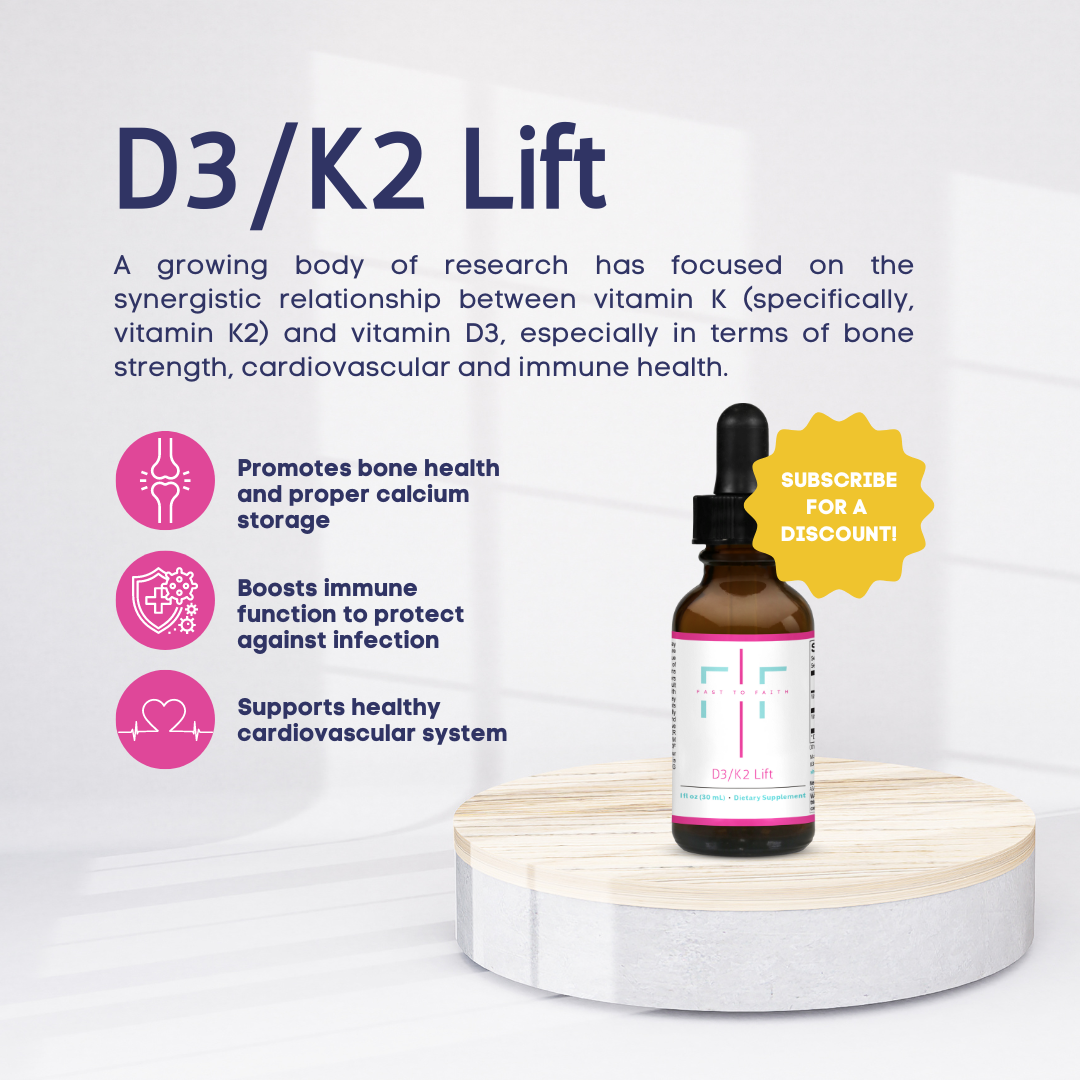

In the grand symphony of human physiology, where countless nutrients play their vital parts, few have garnered as much recent acclaim and understanding as Vitamin D. Often hailed as the "sunshine vitamin," it has emerged from the shadows of mere bone health to claim a pivotal role in immune function, mood regulation, metabolic health, and even the prevention of chronic diseases. For decades, the narrative was simple: get enough sun, or supplement with Vitamin D, and unlock a cascade of health benefits. And indeed, for many, this has been a transformative journey, pulling countless individuals from the malaise of deficiency.
Yet, like all compelling stories, there is a subplot, a critical character often overlooked, whose absence can subtly undermine the protagonist’s best intentions. This unsung hero, the master conductor of calcium’s destiny, is Vitamin K. To truly understand why these two vitamins are an inseparable duo, a perfect pair whose harmony is essential for optimal health, we must delve beyond the surface, exploring not just what each does individually, but how their combined presence orchestrates a physiological ballet that neither can perform alone.
Our journey begins with the familiar, the ubiquitous Vitamin D.
Vitamin D: The Reigning Monarch, and Its Unseen Flaw
For years, Vitamin D has sat comfortably on its throne, revered for its well-documented prowess. Its primary and most celebrated role is as a powerful steroid hormone, regulating calcium and phosphate homeostasis. It orchestrates the absorption of dietary calcium from the gut, ensuring a steady supply for bone mineralization, teeth formation, and myriad cellular processes. Without adequate Vitamin D, our bones become brittle, a condition known as osteomalacia in adults and rickets in children. The profound impact on skeletal health alone cemented its reputation as indispensable.
But Vitamin D’s influence extends far beyond the skeletal system. Research has illuminated its critical involvement in immune modulation, acting as an anti-inflammatory agent and bolstering the body’s defenses against infections, from the common cold to more severe autoimmune conditions. It plays a role in cell growth and differentiation, potentially influencing cancer prevention. Its receptors are found in virtually every tissue and cell type, underscoring its systemic importance – from brain function and mood regulation to muscle strength and cardiovascular health. Low levels have been correlated with increased risks for type 2 diabetes, hypertension, and various neurological disorders.
Given this impressive resume, it’s no wonder that Vitamin D supplementation has skyrocketed, becoming a cornerstone of many health regimens. And rightly so, as global deficiency rates remain alarmingly high, largely due to modern indoor lifestyles and inadequate sun exposure. Supplementing with Vitamin D has been a straightforward, often effective, solution to this widespread problem.
However, herein lies the subtle twist in our story. While Vitamin D is a potent driver of calcium absorption, it is, in a sense, a powerful engine without a steering wheel. It increases the amount of calcium circulating in the bloodstream, ready for use. But where does that calcium go? Ideally, into our bones and teeth, strengthening them. But without proper guidance, an excess of calcium can become a liability, not an asset.
This is the emerging "calcium paradox." We increase calcium absorption with Vitamin D, which is good for bones. But if that calcium isn’t directed correctly, it can end up in places it doesn’t belong – specifically, in our arteries, kidneys, and other soft tissues. This misdirection contributes to arterial calcification, a hardening and stiffening of blood vessels that is a hallmark of atherosclerosis and a major risk factor for heart disease, strokes, and kidney stones. The very nutrient we take to promote health, when taken in isolation and in high doses, could inadvertently contribute to another silent killer. This realization, a slow dawning within the scientific community, highlights the critical need for a co-pilot, a master conductor to guide calcium to its rightful destination.
Enter Vitamin K: The Unsung Hero, The Master Conductor
For too long, Vitamin K remained largely in the shadows, its recognition often limited to its crucial role in blood clotting. Indeed, Vitamin K1 (phylloquinone), predominantly found in green leafy vegetables, is essential for synthesizing several blood coagulation factors in the liver. This function, while vital, overshadowed its equally, if not more, profound role in calcium metabolism, a role almost exclusively attributed to its lesser-known sibling: Vitamin K2 (menaquinone).
The story of Vitamin K2 is one of scientific discovery and the gradual unraveling of complex biochemical pathways. Unlike K1, which primarily acts in the liver, K2 exerts its influence systemically, venturing into bones, arteries, and other soft tissues. There are several forms of K2, the most studied being MK-4 and MK-7. MK-4 is found in animal products like egg yolks, grass-fed butter, and organ meats, and has a relatively short half-life in the body. MK-7, on the other hand, is produced by bacterial fermentation and is abundant in foods like natto (a traditional Japanese fermented soybean dish) and some fermented cheeses. Its longer half-life makes it particularly effective for sustained systemic action.
The true genius of Vitamin K2 lies in its ability to activate specific proteins that literally direct calcium traffic in the body. Think of it as the ultimate GPS system for calcium.
-
Matrix Gla Protein (MGP): This protein is a powerful inhibitor of calcification in soft tissues, particularly in the arteries. However, MGP is only active when carboxylated, a process that absolutely requires Vitamin K2. Without adequate K2, MGP remains inactive, allowing calcium to deposit freely in arterial walls, contributing to their hardening and the progression of atherosclerosis. K2 essentially puts MGP to work, standing guard against unwanted calcium accumulation in our blood vessels.
-
Osteocalcin: Found predominantly in bone and teeth, osteocalcin is a protein crucial for binding calcium and integrating it into the bone matrix, thereby strengthening the skeletal structure. Like MGP, osteocalcin also requires Vitamin K2 for its activation (carboxylation). An inactive osteocalcin means that even if there’s plenty of calcium available, it might not be properly incorporated into the bones, leading to reduced bone mineral density and increased fracture risk. K2 ensures that osteocalcin effectively "grabs" calcium and "places" it precisely where it’s needed – in the bones.
This intricate dance reveals the profound synergy. Vitamin D ensures a plentiful supply of calcium from the diet, making it available for physiological processes. But it is Vitamin K2 that provides the crucial instructions, the blueprint, the traffic signals that guide this calcium. It ensures that calcium is directed away from the delicate arterial walls and into the bone matrix, where it belongs. Without Vitamin K2, Vitamin D’s job is not just incomplete; it’s potentially problematic.
The Perfect Symphony: How D and K Harmonize
When Vitamin D and Vitamin K work in concert, they create a perfect symphony, each note enhancing the other to produce a powerful, harmonious effect on health, particularly concerning bone and cardiovascular systems.
1. Bone Health: Building Stronger Foundations
Vitamin D’s role in calcium absorption is non-negotiable for bone health. It’s the primary driver, ensuring that the raw materials are present. But K2 is the architect. It activates osteocalcin, which then directs that absorbed calcium precisely into the bone matrix. Studies have shown that while Vitamin D helps prevent osteoporosis, its efficacy is significantly enhanced when combined with K2. This duo not only improves bone mineral density but also improves bone quality, making bones more resilient and less prone to fractures. It’s not just about having calcium; it’s about putting it in the right place and making it work effectively.
2. Cardiovascular Health: Safeguarding the Lifelines
Perhaps the most compelling argument for the D+K pairing lies in its impact on cardiovascular health. As discussed, Vitamin D can increase circulating calcium. Without K2, this calcium can settle in the arteries, leading to calcification, stiffening, and ultimately, heart disease. K2, through the activation of MGP, actively prevents this arterial calcification. It’s like a cleanup crew, constantly sweeping calcium away from the arterial walls and keeping them supple and elastic. Research has shown that higher dietary intake of K2, particularly MK-7, is associated with a reduced risk of coronary heart disease and arterial calcification. This makes the D+K combination a powerful strategy not just for preventing heart disease, but for maintaining youthful arterial flexibility. For individuals supplementing with higher doses of Vitamin D, the inclusion of Vitamin K2 becomes not just beneficial, but arguably essential, to mitigate the theoretical risk of calcium misdirection.
3. Beyond Bones and Arteries: A Broader Impact