
For centuries, the human heart has been revered not merely as a biological pump but as the very seat of emotion, love, and connection. Yet, when it comes to discussing the intricate dance between our cardiovascular health and the intimate aspects of our lives, a palpable silence often descends. The conversation around sex and heart health has historically been shrouded in a mix of discomfort, misconception, and fear, primarily focusing on the perceived risks rather than the profound, often overlooked, benefits.
However, as medical science progresses and societal norms evolve, researchers are increasingly pulling back the curtain on this vital, yet veiled, topic. What they are discovering is a rich tapestry of physiological, psychological, and social interactions that firmly establish intimacy – in its broadest and most specific senses – as a significant contributor to cardiovascular well-being. This isn’t merely about dispelling old wives’ tales; it’s about illuminating a holistic truth: the heart that loves and connects is often a heart that thrives.
This article embarks on a journey through the scientific landscape, exploring what the latest research tells us about the cardiovascular benefits of intimacy. We will move beyond the initial trepidation, delving into the physiological mechanisms, psychological underpinnings, and societal implications that underscore the powerful connection between a healthy heart and a fulfilling intimate life. For the knowledgeable audience, we aim to unravel the complexities, challenge long-held assumptions, and paint a comprehensive picture of how the embrace of intimacy can truly nourish the heart.
From Fear to Function: Dispelling Myths and Redefining the Conversation
Historically, the primary concern surrounding sex and heart health revolved around fear: the fear of sudden cardiac death, myocardial infarction (heart attack), or stroke during sexual activity, particularly for individuals with pre-existing cardiovascular conditions. This apprehension, often fueled by sensationalized media reports and anecdotal evidence, led to a pervasive reluctance among both patients and healthcare providers to address the topic openly. Patients, fearing a negative prognosis or judgment, often withheld information about their sexual activity, while clinicians, lacking specific training or feeling uncomfortable, frequently skirted the issue.
However, decades of research have largely debunked these exaggerated fears. Studies consistently show that for the vast majority of individuals with stable cardiovascular disease, the risk associated with sexual activity is remarkably low. The energy expenditure during typical sexual intercourse is comparable to moderate physical activity, such as walking briskly, climbing two flights of stairs, or performing light gardening. Measured in metabolic equivalent tasks (METs), sexual activity generally ranges from 2-5 METs, which is well within the capacity of most cardiac patients who can perform routine daily activities without discomfort.
A seminal study published in the Journal of the American Medical Association in 1996, and subsequent analyses, estimated that sexual activity accounts for less than 1% of all myocardial infarctions. For individuals who are physically active, the risk is even lower. The peak heart rate and blood pressure increases during sex are transient and typically do not exceed levels reached during other forms of moderate exertion.
This crucial shift in understanding – from an almost exclusive focus on risk to a more balanced view that acknowledges safety – has paved the way for a deeper exploration into the benefits. It has allowed researchers to ask not just "Is it safe?" but "Can it be good for you?" And the answer, increasingly, is a resounding yes.
The Symphony of Physiology: How Intimacy Directly Benefits the Heart
The cardiovascular benefits of intimacy are not merely psychological; they are deeply rooted in a complex interplay of hormonal releases, vascular responses, and systemic physiological changes that directly support heart health.
1. Hormonal Release and Neurotransmitter Modulation:
Sexual activity, particularly leading to orgasm, triggers a cascade of neurochemical releases that have profound effects on the body.
- Oxytocin: Often dubbed the "love hormone" or "cuddle hormone," oxytocin is released during touch, arousal, and orgasm. Its role extends far beyond bonding. Research indicates oxytocin has vasodilatory effects, meaning it helps relax blood vessels, which can contribute to lower blood pressure. It also acts as an anti-inflammatory agent and has been linked to improved wound healing and tissue regeneration. Furthermore, oxytocin plays a crucial role in stress reduction, counteracting the detrimental effects of cortisol.
- Endorphins: These natural opioids are released during physical exertion and pleasure, acting as natural pain relievers and mood elevators. Their release contributes to a sense of well-being and euphoria, which can buffer against stress and depression – both significant risk factors for CVD.
- Dopamine: A key neurotransmitter in the brain’s reward system, dopamine is released during anticipation and experience of pleasure, including sexual activity. This creates a positive feedback loop, encouraging behaviors that lead to its release. While directly related to pleasure and motivation, dopamine indirectly supports heart health by fostering a positive mental state and reducing stress-induced cardiovascular strain.
- Cortisol Reduction: Chronic stress is a well-established perpetrator of cardiovascular disease, leading to elevated blood pressure, inflammation, and insulin resistance. Intimacy, through the release of the aforementioned hormones and the sheer act of connection, is a potent stress reducer. Studies have shown that individuals with fulfilling intimate lives often exhibit lower basal cortisol levels and a more robust response to acute stressors, indicating better stress resilience. This direct moderation of cortisol is a cornerstone of intimacy’s cardiovascular protective effects.
2. Vascular Health and Endothelial Function:
The health of our blood vessels, particularly the endothelium (the inner lining of arteries), is paramount to cardiovascular well-being. Endothelial dysfunction is an early marker of atherosclerosis and a predictor of future cardiac events.
- Nitric Oxide (NO) Production: Sexual arousal and activity stimulate the release of nitric oxide, a powerful vasodilator produced by endothelial cells. NO signals blood vessels to relax, increasing blood flow throughout the body, including to the heart and other vital organs. Regular stimulation of this pathway, through consistent sexual activity, may help maintain endothelial health and elasticity, improving arterial stiffness over time.
- Improved Blood Circulation: The increased heart rate and blood flow during sexual activity act as a mini-workout for the cardiovascular system. While not a substitute for sustained aerobic exercise, these transient increases in circulation, when regular, contribute to overall vascular conditioning, helping to keep arteries pliable and efficient.
3. Blood Pressure Regulation:
Hypertension is a leading risk factor for heart disease and stroke. Research suggests a direct link between regular, satisfying intimacy and lower blood pressure.
- A study published in Biological Psychology found that individuals who reported more frequent and satisfying sexual activity had lower resting systolic blood pressure. This effect is likely multi-factorial, attributed to the stress-reducing effects of oxytocin and endorphins, improved vascular tone through nitric oxide, and the overall reduction in chronic stress. While the effects are not as dramatic as medication, they contribute significantly to a holistic approach to blood pressure management.
4. Moderate Physical Activity:
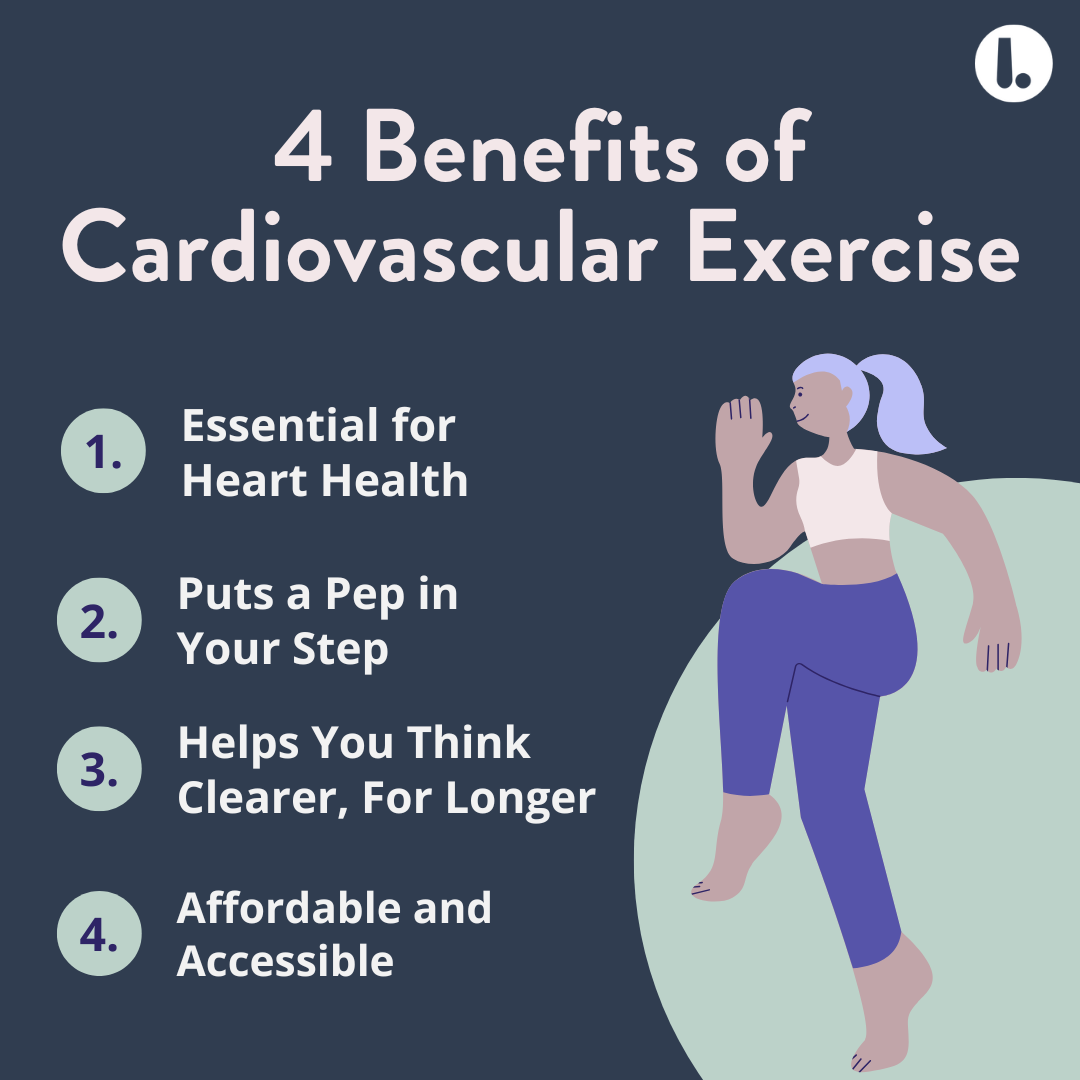
While often downplayed, sexual activity does involve physical exertion. Depending on the intensity and duration, it can burn calories, increase heart rate, and engage various muscle groups. For individuals who may not regularly engage in other forms of exercise, this can contribute to maintaining a baseline level of physical fitness, which is beneficial for the heart. Consistent, moderate physical activity helps strengthen the heart muscle, improve circulation, and maintain a healthy weight – all factors that mitigate cardiovascular risk.
The Heart-Mind Connection: Psychological and Social Benefits
The benefits of intimacy for heart health extend far beyond the purely physiological, delving deep into the psychological and social realms. The human heart, after all, is profoundly influenced by our emotional landscape and our connections with others.
1. Reduced Stress, Anxiety, and Depression:
Mental health and cardiovascular health are inextricably linked. Chronic stress, anxiety disorders, and depression are well-established independent risk factors for CVD, contributing to inflammation, endothelial dysfunction, and unhealthy lifestyle choices.
- Intimacy as an Antidote: Regular, satisfying intimacy serves as a powerful antidote to these mental health challenges. The release of endorphins and oxytocin, coupled with the profound sense of connection, can significantly alleviate symptoms of depression and anxiety. A meta-analysis of studies on social support and health outcomes consistently demonstrates that strong social bonds, often fostered and cemented by intimacy, are protective against numerous health adversities, including heart disease. By reducing the burden of mental distress, intimacy indirectly but powerfully safeguards the cardiovascular system.
2. Enhanced Relationship Quality and Social Support:
Humans are social creatures, and strong social connections are fundamental to well-being and longevity. Intimacy is a cornerstone of many romantic relationships, fostering bonding, trust, and mutual support.
- Protective Social Networks: Research has repeatedly shown that individuals in stable, supportive relationships tend to have better health outcomes, including lower rates of heart disease, faster recovery from illness, and increased longevity. Intimacy strengthens these bonds, enhancing communication and fostering a sense of security and belonging. This robust social support network encourages healthier behaviors, provides emotional resilience during stressful times, and offers practical assistance, all of which indirectly benefit heart health. A partner who cares might encourage regular check-ups, healthy eating, or adherence to medication, forming a critical protective layer.
3. Improved Self-Esteem and Body Image:
Positive self-perception and a healthy body image contribute significantly to mental well-being, which in turn impacts physical health. Intimacy, especially within a loving and accepting relationship, can bolster self-esteem and foster a more positive relationship with one’s body.
- Reduced Self-Criticism: When individuals feel desired and affirmed, it can reduce self-criticism and internal stress. This psychological uplift can decrease the chronic stress response, leading to lower levels of stress hormones that would otherwise tax the cardiovascular system. The confidence gained can also translate into a greater willingness to engage in other health-promoting activities.
4. Longevity and Quality of Life:
Several large-scale epidemiological studies have correlated regular sexual activity and satisfaction with increased longevity and a higher quality of life.
- The "Use It or Lose It" Principle: While correlation doesn’t always equal causation, the consistent findings across diverse populations suggest a robust link. It’s theorized that individuals who maintain an active and satisfying intimate life are often those who also maintain other healthy lifestyle habits, possess better mental health, and have stronger social support systems. The cumulative effect of these factors contributes to a longer, healthier lifespan, with a reduced incidence of cardiovascular events. These studies often control for other variables like age, smoking, and socioeconomic status, further strengthening the observed association.
Specific Populations and Considerations: Nuances in the Research
While the general benefits of intimacy are clear, the research also highlights important considerations for specific populations and circumstances.
1. Post-Cardiac Event or Surgery:
One of the most significant anxieties for individuals recovering from a heart attack, bypass surgery, or other cardiac events is the fear of resuming sexual activity. For decades, advice was often vague or overly cautious.
- Clearer Guidelines: Modern guidelines from organizations like the American Heart Association and the European Society of Cardiology now offer clearer, reassuring advice. They emphasize that most patients can safely resume sexual activity once they can comfortably perform moderate physical activity (e.g., walk a mile in 20 minutes or climb two flights of stairs without symptoms). The key is communication with healthcare providers. Physicians are increasingly trained to discuss these topics openly, providing individualized risk assessments and guidance. For many, resuming intimacy is a crucial step in recovery, restoring a sense of normalcy, confidence, and connection.
2. Erectile Dysfunction (ED) as a Cardiovascular Marker:
Erectile dysfunction, often perceived solely as a sexual health issue, has emerged as a critical early warning sign for underlying cardiovascular disease.
- Shared Vascular Pathology: The arteries supplying blood to the penis are smaller than coronary arteries. Therefore, endothelial dysfunction or atherosclerosis that narrows these smaller vessels can manifest as ED years before symptoms of coronary artery disease appear. Research indicates that ED is an independent predictor of future cardiac events, including heart attack and stroke. This makes ED a powerful diagnostic marker, prompting earlier cardiovascular screening and intervention. While ED itself can be a barrier to intimacy, understanding its link to heart health can motivate individuals to seek medical attention, potentially averting more serious cardiac issues down the line. Treatments for ED, such as PDE5 inhibitors, are often safe for stable cardiac patients, but require physician consultation.
3. Women’s Sexual Health and CVD:
The link between intimacy and heart health is often discussed with a male-centric bias, largely due to the prominence of ED as a marker. However, women’s sexual health is equally, if not more, intertwined with cardiovascular well-being.
- Hormonal Shifts: Menopause, with its dramatic drop in estrogen, can lead to vaginal dryness, pain during intercourse, and decreased libido, impacting intimacy. Estrogen plays a protective role in cardiovascular health, and its decline during menopause coincides with an increased risk of heart disease in women.
- Under-recognized Symptoms: Cardiovascular disease in women often presents differently than in men, and the impact on sexual function is also unique and less studied. Women with CVD may experience fatigue, shortness of breath, or chest pain that makes intimacy difficult or undesirable.
- Psychological Factors: Body image issues, depression, and relationship stress can profoundly affect a woman’s desire and sexual satisfaction, indirectly impacting heart health through chronic stress. More research is needed to fully elucidate the specific cardiovascular benefits and challenges related to intimacy for women, but the overarching principles of stress reduction, improved mental health, and strong social connections remain relevant.
4. Aging and Intimacy:
There’s a persistent societal myth that sexual activity declines significantly or ceases entirely in older age. Research strongly refutes this, demonstrating that many older adults maintain active and satisfying intimate lives well into their 70s, 80s, and beyond.
- Benefits Persist: The cardiovascular benefits of intimacy, including stress reduction, improved mood, and physical activity, continue to be relevant throughout the lifespan. For older adults, intimacy can be particularly important for maintaining social connection, combating loneliness (a known CVD risk factor), and enhancing overall quality of life. Healthcare providers are increasingly encouraged to discuss sexual health with older patients, addressing concerns and offering solutions to maintain this vital aspect of well-being.
Navigating Challenges and Fostering Open Dialogue
Despite the compelling research, integrating intimacy into holistic heart health discussions still faces significant hurdles.
1. Communication Barriers: Many individuals, both patients and healthcare providers, remain uncomfortable discussing sexual health. Patients may feel embarrassed or believe it’s not a "medical" topic, while providers may lack the training or time to initiate these conversations. Overcoming this requires proactive efforts from both sides, including patient education and enhanced training for medical professionals.
2. Physical and Emotional Barriers: For individuals with cardiovascular conditions, physical limitations (fatigue, pain), medication side effects (e.g., some beta-blockers can affect libido), or psychological factors (anxiety about performance or recurrence of symptoms) can pose significant barriers to intimacy. Addressing these requires a multi-faceted approach, including medication review, cardiac rehabilitation, psychological counseling, and open communication with partners.
3. Redefining Intimacy: It’s crucial to acknowledge that intimacy extends beyond penetrative sex. Affection, touch, cuddling, and shared emotional experiences are all forms of intimacy that contribute to bonding, stress reduction, and overall well-being. For those facing physical limitations, exploring these broader forms of intimacy can still yield significant cardiovascular and psychological benefits.
4. Holistic Health Integration: The cardiovascular benefits of intimacy are best realized when integrated into a broader heart-healthy lifestyle. This includes regular physical activity, a balanced diet, stress management techniques, adequate sleep, and avoidance of smoking. Intimacy is a powerful component, but not a standalone cure.
Conclusion: The Heart’s Deepest Desire – Connection
The journey from viewing intimacy as a potential cardiovascular risk to recognizing it as a profound benefit reflects a maturing understanding of human health. The research is unequivocal: a fulfilling intimate life is not merely a pleasant adjunct to existence; it is a vital, multifaceted contributor to cardiovascular well-being. From the intricate dance of hormones and neurotransmitters that soothe our stress and open our vessels, to the psychological solace of connection that fortifies our mental resilience, intimacy nurtures the heart in ways both tangible and profound.
As we move forward, the challenge lies in destigmatizing this conversation, integrating it seamlessly into routine healthcare, and empowering individuals to prioritize their intimate health as an integral part of their overall cardiovascular strategy. The human heart, in its essence, is designed for connection – to pump blood, yes, but also to feel, to bond, and to love. Nurturing this capacity for intimacy, in all its forms, is not just about extending life; it’s about enriching it, ensuring that our hearts beat not just longer, but more fully, more vibrantly, and more connectedly. The story the research tells is clear: for a truly healthy heart, we must also embrace the power of closeness.