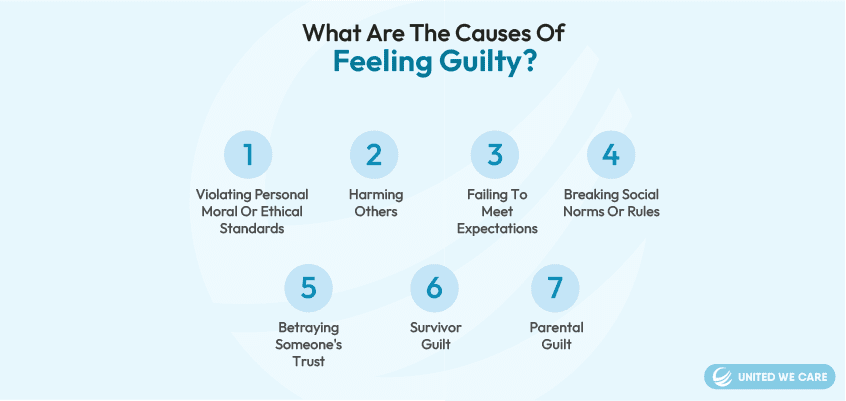

The aroma alone is a promise – a rich, earthy, sometimes nutty, sometimes floral whisper of the day to come, or a much-needed bridge through the afternoon. For countless millions across the globe, the first sip of coffee is more than just a sensory experience; it’s a ritual, a comfort, a catalyst. Yet, nestled within this pervasive pleasure often lurks a shadow of guilt. We hear whispers of "addiction," "jitters," "sleep disruption," and the ever-present question: "Is this really good for me?" In a world obsessed with wellness and self-optimization, coffee has often found itself in the confessional, a vice to be curbed rather than a virtue to be celebrated.
But what if these whispers are largely unfounded? What if, armed with a deeper understanding of its history, its science, and its profound cultural impact, we could finally shed that unnecessary burden of guilt? What if our daily coffee fix isn’t just an indulgence, but a healthy habit, a cognitive enhancer, and a cornerstone of human connection and creativity? This is not merely an article; it’s an invitation to journey through the multifaceted world of coffee, to reclaim its rightful place as a celebrated elixir, and to understand why your healthy habit deserves to be embraced, not excused.
From Myth to Modernity: Coffee’s Storied Odyssey
To truly appreciate coffee is to understand its epic voyage through time, a narrative steeped in legend, controversy, and revolutionary change. Our story begins, as many good stories do, with a goat herder. The popular legend attributes coffee’s discovery to Kaldi, an Abyssinian goat herder in 9th-century Ethiopia. He noticed his goats became unusually energetic, almost dancing, after nibbling on the bright red berries of a particular tree. Intrigued, Kaldi tried the berries himself, experiencing a similar invigorating effect. He shared his discovery with a local monastery, where initially, the monks dismissed the berries as "the devil’s work" and cast them into a fire. But the fragrant smoke that arose was so enticing that they raked the beans from the embers, ground them, and dissolved them in hot water, creating the world’s first cup of coffee. They found it helped them stay awake during long night prayers, transforming it from a demonic curiosity into a divine aid.
From these mythical origins, coffee began its purposeful journey. It wasn’t until the 15th century that coffee cultivation truly took root in Yemen, on the Arabian Peninsula. Here, Sufi mystics embraced coffee, or "qahwah" (meaning "wine of the bean"), as an integral part of their spiritual practices, using it to maintain alertness during nocturnal devotions. Mecca and Medina became early epicenters of coffee culture, with coffeehouses – "kaveh kanes" – emerging as vibrant hubs of social interaction, intellectual discourse, and political debate. These early coffeehouses were radical spaces, democratic forums where people from all walks of life could gather, exchange ideas, and even challenge authority. This very quality, however, made coffee a controversial beverage. Rulers and religious leaders, wary of the dissenting conversations coffee fueled, often banned it, only for it to resurface with even greater vigor.
The Ottoman Empire carried coffee’s banner further, introducing it to Constantinople in the 16th century. The first coffeehouse in Europe opened in Venice in 1645, marking coffee’s slow but inexorable march westward. By the 17th century, coffee had arrived in England, where "penny universities" (coffeehouses where for the price of a penny, one could buy a cup of coffee and engage in stimulating conversation) became hotbeds of Enlightenment thought. Luminaries like Isaac Newton, Samuel Pepys, and Voltaire were avid coffee drinkers, finding inspiration and camaraderie in these bustling establishments. Lloyds of London, the famous insurance market, began as a coffeehouse. The French Revolution, the American Revolution – ideas that shaped the modern world were often brewed alongside cups of strong, black coffee.
Coffee’s journey wasn’t always smooth. It faced papal condemnation (Pope Clement VIII, upon tasting it, famously declared it "so delicious that it would be a pity to let the infidels have exclusive use of it," thus baptizing it and making it acceptable for Christians), economic warfare, and even the "Great Coffee Debate" in Sweden, where King Gustav III ordered a macabre experiment to prove coffee was poisonous (it didn’t work). Yet, coffee persisted, thriving in new lands like Brazil and Colombia, transforming economies and creating global trade routes.
This historical narrative isn’t just fascinating; it’s crucial. It reveals coffee not as a fleeting trend, but as a resilient, culturally significant force that has consistently played a role in human connection, intellectual awakening, and societal evolution. It has survived bans, moral panic, and scientific scrutiny, emerging stronger each time. This deep-rooted legacy alone should begin to chip away at any lingering guilt.
The Science Brews: Unpacking Coffee’s Health Benefits
For the knowledgeable audience, the real meat of the argument lies in science. The historical context explains coffee’s staying power, but contemporary research illuminates its physiological virtues. Far from being merely a stimulant, coffee is a complex biochemical cocktail, a veritable pharmacopeia of beneficial compounds that interact with our bodies in profound and often surprising ways.
Let’s start with the obvious: caffeine. Often vilified, caffeine is perhaps the most well-understood psychoactive substance in the world. It works by blocking adenosine receptors in the brain. Adenosine is a neurotransmitter that promotes relaxation and sleepiness; by blocking it, caffeine prevents the onset of drowsiness and promotes alertness. This isn’t "false energy"; it’s a finely tuned modulation of our natural neurochemistry.
But the narrative of caffeine as a pure "addictive drug" is often oversimplified. While physical dependence can develop (leading to withdrawal symptoms like headaches, fatigue, and irritability if intake is suddenly stopped), this is distinctly different from addiction in the clinical sense, which involves compulsive drug-seeking behavior despite negative consequences. Most coffee drinkers manage their consumption without detriment to their health, relationships, or responsibilities. The "addiction" label often serves to perpetuate guilt rather than accurately describe the relationship most people have with their morning cup.
Beyond caffeine, coffee is an extraordinary source of antioxidants and other beneficial phytochemicals. Indeed, for many Western populations, coffee is the single largest source of dietary antioxidants. These include:
- Chlorogenic Acids (CGAs): These are potent antioxidants, particularly abundant in unroasted coffee beans, though they survive the roasting process to a significant degree. CGAs have been studied for their anti-inflammatory, anti-diabetic, and cardiovascular protective effects. They can help regulate blood sugar, reduce blood pressure, and improve endothelial function.
- Melanoidins: Formed during the roasting process, these compounds are responsible for coffee’s characteristic brown color and some of its distinct aroma and flavor. They also possess antioxidant and anti-inflammatory properties and may contribute to gut health.
- Diterpenes (Cafestol and Kahweol): Found in unfiltered coffee (like French press or Turkish coffee), these compounds have demonstrated anti-inflammatory and potential anti-cancer properties in lab studies. However, they can also elevate LDL cholesterol in some individuals, which is why filtered coffee is often recommended for those concerned about cholesterol levels.
- Magnesium, Potassium, Niacin (Vitamin B3), and Riboflavin (Vitamin B2): Coffee contributes small but significant amounts of these essential micronutrients to our diet.
With such a rich profile, it’s no surprise that a growing body of scientific literature points to a plethora of health benefits associated with regular, moderate coffee consumption:
- Cognitive Enhancement: This is perhaps coffee’s most famous benefit. Beyond simple alertness, studies show coffee can improve various aspects of cognitive function, including reaction time, vigilance, attention, and memory. It helps us focus, process information more quickly, and perform better on mentally demanding tasks. For anyone navigating the complexities of modern work or study, coffee is a legitimate cognitive aid.
- Neuroprotective Effects: Perhaps one of the most exciting areas of research links coffee consumption to a reduced risk of neurodegenerative diseases. Multiple large-scale studies have shown that regular coffee drinkers have a significantly lower risk of developing Parkinson’s disease and Alzheimer’s disease. The mechanisms are still being fully elucidated but are thought to involve caffeine’s neuroprotective properties, coffee’s antioxidant capacity, and its anti-inflammatory effects.
- Liver Health: The liver is a vital organ, and coffee appears to be a powerful ally. Research indicates that coffee consumption is associated with a reduced risk of liver cirrhosis (especially alcoholic cirrhosis), liver cancer, and non-alcoholic fatty liver disease (NAFLD). It seems to have a protective effect against liver damage and inflammation, making it one of the few dietary interventions shown to benefit liver health.
- Type 2 Diabetes Risk Reduction: Consistently, studies show a strong inverse relationship between coffee consumption and the risk of developing type 2 diabetes. Each additional cup of coffee consumed daily has been associated with a 7% reduction in risk. This effect is seen with both caffeinated and decaffeinated coffee, suggesting that compounds other than caffeine, such as chlorogenic acids and magnesium, play a crucial role in improving insulin sensitivity and glucose metabolism.
- Cardiovascular Health: While the old myth suggested coffee was bad for the heart, modern research tells a different story. Moderate coffee consumption is now largely associated with a lower risk of heart disease, stroke, and heart failure. It can transiently increase blood pressure in some individuals, but long-term regular consumption does not appear to raise the risk of hypertension in most people.
- Gut Microbiome Modulation: Emerging research suggests that coffee may positively influence the gut microbiome, promoting the growth of beneficial bacteria and enhancing gut barrier function. A healthy gut microbiome is increasingly linked to overall health, immunity, and even mental well-being.
- Physical Performance Enhancement: For athletes and fitness enthusiasts, coffee is a legal and effective ergogenic aid. Caffeine enhances endurance performance, reduces perceived exertion, and can improve muscle strength and power. It does this by stimulating the central nervous system, mobilizing fat stores for energy, and potentially reducing pain perception during exercise.
- Mood and Mental Health: Coffee is a known mood booster. Its ability to stimulate dopamine release can contribute to feelings of pleasure and motivation. Studies have also linked regular coffee consumption to a lower risk of depression and even suicide. In a world grappling with mental health challenges, the simple act of enjoying a cup of coffee can offer a small, daily uplift.
- Longevity: Perhaps the most compelling overarching benefit is the link between coffee consumption and a reduced risk of all-cause mortality. Multiple large prospective studies have found that regular coffee drinkers tend to live longer, healthier lives, with the greatest benefits often observed at 3-4 cups per day.
Of course, no substance is universally beneficial for everyone, and coffee is no exception. Individual sensitivities vary. Some people metabolize caffeine more slowly due to genetic factors, making them more susceptible to jitters, anxiety, or sleep disturbances, especially if consumed late in the day. Excessive consumption (e.g., more than 6-8 cups daily) can lead to negative effects like increased heart rate, anxiety, and digestive upset. For those prone to acid reflux, coffee can exacerbate symptoms, though the type of roast or preparation method can sometimes mitigate this. Pregnant women and individuals with certain medical conditions are advised to limit or avoid coffee.
The key, as with most things, is moderation and mindful consumption. Listen to your body. Understand your personal tolerance. Choose quality beans. These nuances, however, do not negate the overwhelming evidence for coffee’s benefits for the vast majority of the population.
The Ritual, The "Third Place," and The Social Fabric
Beyond its chemical composition, coffee holds an undeniable power rooted in human behavior and culture. It is a ritual. For many, the morning coffee ritual is sacrosanct: the grind of the beans, the gurgle of the machine, the steam rising, the first aromatic breath. This routine isn’t just about getting a caffeine fix; it’s an anchoring practice that marks the transition from sleep to wakefulness, from personal time to productivity. It’s a moment of quiet contemplation before the day’s demands begin, a small act of self-care.
Coffee also plays an extraordinary role in social connection. The "coffee break" is a universal language, a pause that facilitates informal interaction, idea exchange, and camaraderie in workplaces around the globe. It’s the standard invitation for a casual meeting, a first date, or a catch-up with an old friend. "Let’s grab a coffee" is an offer of connection, of shared space and time, without the heavier implications of a meal or an evening drink.
Sociologist Ray Oldenburg coined the term "third place" to describe public spaces distinct from home ("first place") and work ("second place") that foster community and civic life. Coffeehouses, from their earliest iterations in the Middle East to the bustling cafes of Paris and the ubiquitous Starbucks of today, have epitomized the "third place." They are democratic spaces where strangers can observe, interact, or simply coexist. They have historically been, and continue to be, incubators of ideas, artistic expression, and social movements. The very act of sharing a cup of coffee builds bridges, sparks conversations, and strengthens bonds.
In an increasingly digitized and isolated world, the physical space of a coffee shop, and the simple act of sharing a cup, takes on renewed significance. It offers a tangible connection to community, a refuge from the demands of home and work, and a platform for serendipitous encounters. To feel guilty about participating in such a rich social and personal ritual is to deny a fundamental aspect of human connection and well-being.
Economic and Ethical Considerations: Acknowledging Complexity
A knowledgeable audience understands that no global phenomenon exists in a vacuum. The coffee industry is vast and complex, touching millions of lives from bean to cup. While this article primarily focuses on personal health and pleasure, it’s worth acknowledging the broader context.
The journey of a coffee bean from a small farm in the global South to a consumer’s cup in the global North involves intricate supply chains, fluctuating commodity prices, and significant environmental and social considerations. Issues of fair trade, sustainable farming practices, labor conditions, and climate change all play a role in the narrative of coffee.
Choosing ethically sourced, sustainably grown coffee is a way to align one’s personal enjoyment with a broader commitment to global well-being. This awareness, far from inducing guilt, can deepen the appreciation for each cup, knowing that it supports equitable practices and environmental stewardship. It transforms a simple purchase into a conscious act, adding another layer of positive affirmation to the coffee habit.
Dispelling the Last Vestiges of Guilt
We’ve journeyed through mythical origins, historical controversies, scientific revelations, and cultural significance. We’ve seen coffee emerge not as a mere habit to be endured or a vice to be curbed, but as a powerful, multifaceted elixir that has profoundly shaped human history and continues to enrich our daily lives.
The lingering guilt about your coffee fix is, in most cases, an outdated relic of past misinformation and oversimplification. It’s time to shed that burden. Your daily coffee isn’t just about waking up; it’s about engaging with the world with enhanced clarity. It’s not just a stimulant; it’s a source of potent antioxidants that fight disease. It’s not just an indulgence; it’s a ritual that grounds you, a social lubricant that connects you, and a cultural touchstone that has fostered innovation for centuries.
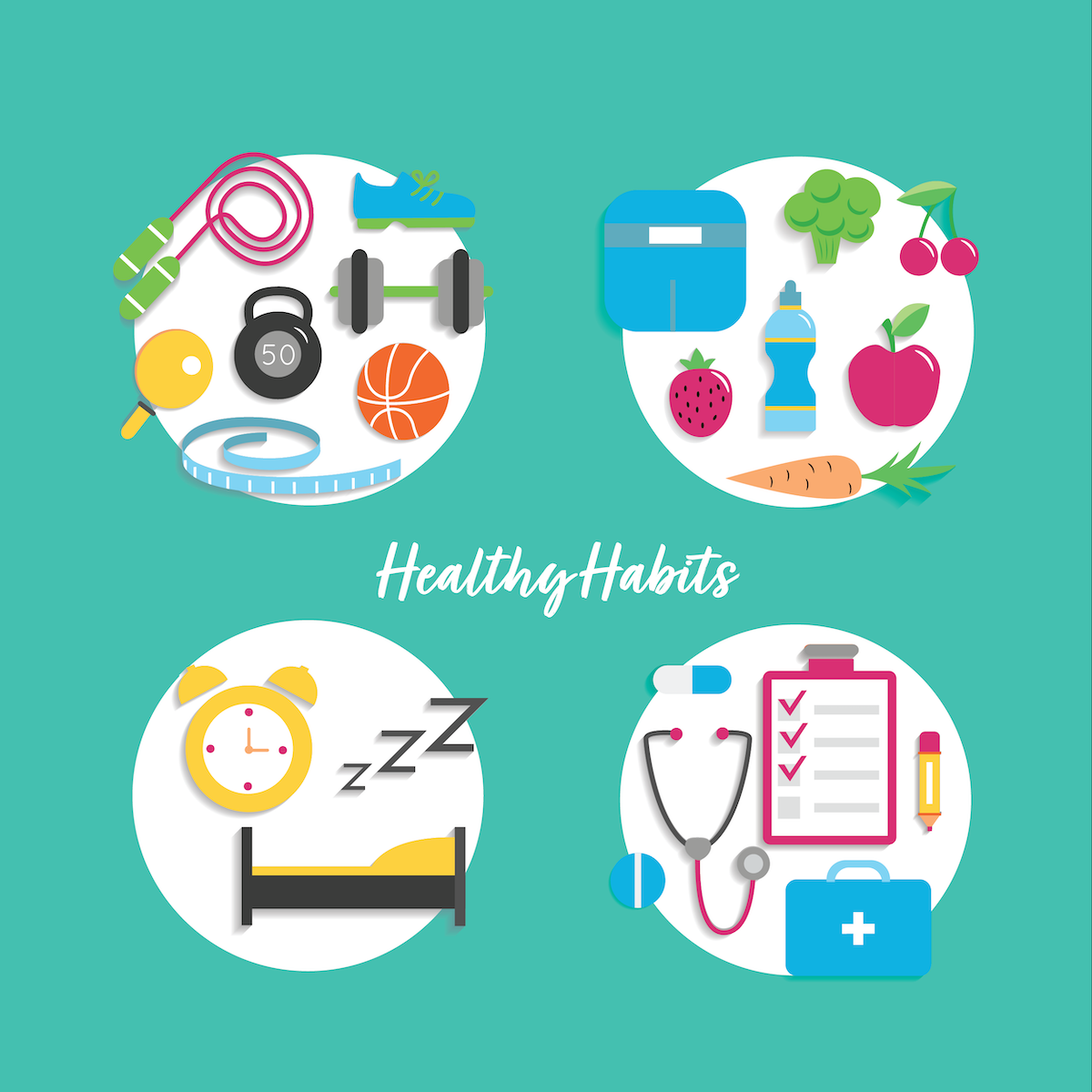
Embrace your coffee fix. Savor the aroma, the warmth, the taste. Recognize it for what it is: a healthy habit that supports cognitive function, protects against chronic diseases, boosts mood, enhances physical performance, and connects you to a rich tapestry of human experience.
Of course, conscious consumption remains paramount. Understand your body’s unique response to caffeine. Choose quality beans. Opt for healthy additions (or none at all) over excessive sugars and artificial creamers. Time your intake to optimize alertness without disrupting sleep. These are not acts of guilt or deprivation, but acts of informed self-care that maximize coffee’s benefits.
So, the next time you reach for your beloved mug, let go of the apprehension. Let the rich, complex narrative of coffee wash over you. You are not just drinking a beverage; you are participating in a tradition, benefiting from nature’s bounty, and fueling your mind and body with an ancient, yet remarkably modern, elixir. Your coffee fix is a healthy habit, a daily dose of history and science, and a thoroughly deserved pleasure. Drink up, without an ounce of guilt.