
In the grand tapestry of nature’s bounty, certain elements possess a quiet strength, often overlooked amidst the flashier, more exotic contenders. The humble zucchini, with its unassuming green skin and mild flavor, is one such understated marvel. Often relegated to side dishes or summer abundance, this versatile squash harbors a nutritional profile so robust, so profoundly beneficial, that it truly earns the moniker: "The Green Powerhouse."
Imagine a vegetable that whispers promises of vitality to your cells, fortifies your defenses, and orchestrates a symphony of wellness within your body. This isn’t a fantasy, but the reality of Cucurbita pepo, the common zucchini. For the discerning mind, the health benefits aren’t just anecdotal; they are meticulously etched into its molecular structure, backed by a growing body of scientific inquiry.
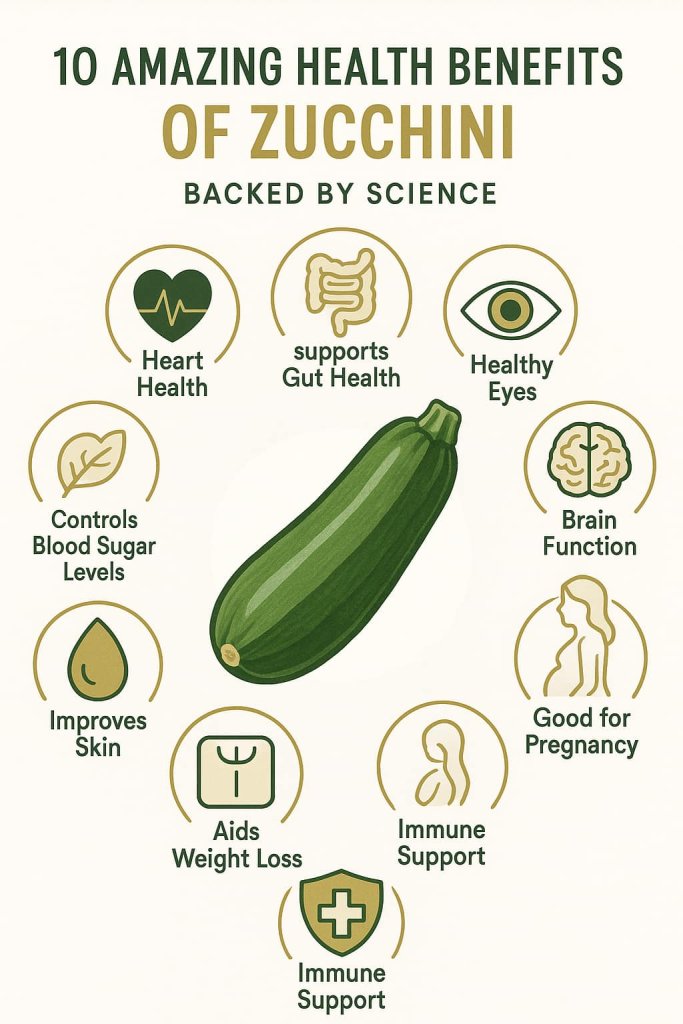
This isn’t merely a list of nutrients; it’s a journey into the cellular and systemic wonders that unfold when we invite zucchini to our plates. We will delve into seven distinct, science-backed health benefits that elevate zucchini from a mere garden staple to an indispensable ally in the pursuit of optimal health. Prepare to discover how this verdant gem can transform your well-being, one delicious bite at a time.
1. Antioxidant Powerhouse: Battling Oxidative Stress and Chronic Disease
At the forefront of zucchini’s remarkable health benefits is its formidable antioxidant capacity. Our bodies are constantly under siege from free radicals, unstable molecules that cause cellular damage through a process known as oxidative stress. This stress is a primary driver of aging and a precursor to a host of chronic diseases, including various cancers, heart disease, and neurodegenerative disorders. Zucchini, however, arrives armed with an impressive arsenal of protective compounds.
Foremost among these are carotenoids like lutein and zeaxanthin, pigments that not only give some zucchini varieties their vibrant hue but also act as potent free radical scavengers. These specific carotenoids are renowned for their ability to neutralize reactive oxygen species, particularly in sensitive tissues. Beyond these, zucchini also delivers a healthy dose of Vitamin C, a classic water-soluble antioxidant vital for immune function and collagen synthesis, and manganese, a trace mineral that serves as a co-factor for superoxide dismutase, one of the body’s primary endogenous antioxidant enzymes.
But the story doesn’t end there. Zucchini peel, often discarded, is particularly rich in polyphenols, including various phenolic acids and flavonoids. These phytochemicals exhibit powerful antioxidant and anti-inflammatory properties, working synergistically to protect cells from damage. Research suggests that consuming a diet rich in these compounds can help mitigate the cumulative effects of oxidative stress over time, thereby reducing the risk of developing chronic inflammatory conditions and certain cancers. By effectively quenching free radicals, zucchini helps preserve cellular integrity, supports DNA repair mechanisms, and contributes to a youthful cellular environment, making it a crucial component of a preventative health strategy. It’s not just about slowing aging; it’s about maintaining robust cellular function for years to come.
2. Digestive Dynamo: Fueling a Thriving Gut Microbiome and Optimal Function
A healthy digestive system is the cornerstone of overall well-being, influencing everything from nutrient absorption to immune function and even mood. Zucchini proves to be an exceptional ally in this regard, primarily due to its significant fiber content and high water volume.
Zucchini contains both soluble and insoluble fiber, each playing a distinct yet complementary role in digestive health. Insoluble fiber, the "roughage," adds bulk to stool, facilitating its passage through the digestive tract and preventing constipation. This mechanical action helps maintain regularity and can reduce the risk of diverticular disease. Soluble fiber, on the other hand, forms a gel-like substance in the gut, which can help regulate bowel movements, slow down digestion, and contribute to a feeling of fullness. More critically, soluble fiber acts as a prebiotic, serving as a vital food source for the beneficial bacteria residing in your gut microbiome.
A thriving and diverse gut microbiome is crucial for numerous physiological processes. These friendly bacteria ferment soluble fiber, producing short-chain fatty acids (SCFAs) like butyrate, acetate, and propionate. Butyrate, in particular, is a primary energy source for colon cells and plays a critical role in maintaining the integrity of the intestinal barrier, reducing inflammation, and potentially influencing immune responses and metabolic health.
Furthermore, zucchini is composed of over 90% water. This high water content, combined with its fiber, helps keep the digestive tract hydrated, ensuring smooth transit of waste and preventing dehydration, which can exacerbate constipation. By promoting regular bowel movements, nourishing beneficial gut bacteria, and maintaining gut hydration, zucchini actively contributes to a robust and efficient digestive system, paving the way for better nutrient absorption, reduced digestive discomfort, and a healthier gut-brain axis.
3. Cardiovascular Guardian: Nurturing a Healthy Heart and Circulatory System
The heart, an tireless pump, deserves all the support we can give it, and zucchini delivers a suite of nutrients specifically tailored to cardiovascular health. The interplay of its mineral content, fiber, and antioxidant properties positions it as a significant contributor to maintaining a strong and resilient circulatory system.
One of zucchini’s key contributions to heart health comes from its rich supply of potassium. Potassium is an essential electrolyte that plays a crucial role in regulating blood pressure. It works by counteracting the effects of sodium, helping to relax blood vessel walls and promote the excretion of excess sodium through urine. This delicate balance is vital for maintaining healthy blood pressure levels, thereby reducing the strain on the heart and arteries, and significantly lowering the risk of hypertension, stroke, and other cardiovascular diseases.
In addition to potassium, zucchini also provides magnesium, another mineral critical for cardiac function. Magnesium helps regulate heart rhythm, supports healthy muscle contraction (including the heart muscle), and contributes to overall blood vessel health. Deficiencies in magnesium have been linked to an increased risk of arrhythmias and other heart conditions.
The fiber in zucchini, particularly soluble fiber, also plays a pivotal role. It can help lower levels of low-density lipoprotein (LDL) cholesterol, often referred to as "bad" cholesterol, by binding to cholesterol in the digestive tract and facilitating its excretion. This mechanism helps prevent the buildup of plaque in the arteries (atherosclerosis), a primary cause of heart attacks and strokes. Moreover, the anti-inflammatory and antioxidant compounds discussed earlier further protect cardiovascular tissues from oxidative damage and inflammation, which are key drivers of arterial stiffness and plaque formation. By providing these essential minerals, fiber, and protective compounds, zucchini acts as a comprehensive cardiovascular guardian, helping to keep your heart pumping strong and your circulatory system clear.
4. Blood Sugar Balancer: A Strategic Ally in Metabolic Health
For those navigating the complexities of blood sugar management, or simply striving for optimal metabolic health, zucchini emerges as a highly beneficial dietary inclusion. Its unique nutritional composition makes it a strategic ally in regulating glucose levels and potentially improving insulin sensitivity.
A primary reason for zucchini’s efficacy in blood sugar control is its incredibly low glycemic index (GI) and low glycemic load (GL). Foods with a low GI are digested and absorbed slowly, leading to a gradual and sustained rise in blood sugar rather than a sharp spike. This characteristic is crucial for preventing insulin surges, which, over time, can contribute to insulin resistance and increase the risk of type 2 diabetes.
The generous fiber content, particularly soluble fiber, further enhances this benefit. Soluble fiber slows down the rate at which carbohydrates are digested and absorbed into the bloodstream. By forming a gel-like substance in the gut, it effectively creates a physical barrier that delays glucose absorption, leading to a more stable and prolonged release of energy. This sustained release helps maintain steady blood sugar levels throughout the day, preventing the energy crashes and cravings often associated with high-GI foods.
Beyond fiber, emerging research suggests that certain compounds in zucchini may directly impact insulin sensitivity. While more studies are needed, preliminary findings indicate that specific phytonutrients might influence the cellular pathways involved in glucose uptake and utilization. Furthermore, zucchini’s high water content and low-calorie density allow individuals to consume a substantial volume of food without significantly impacting blood sugar or caloric intake, fostering satiety and reducing the likelihood of overeating, which is often a contributing factor to metabolic dysfunction. For individuals managing diabetes or pre-diabetes, incorporating zucchini into meals can be a simple yet powerful strategy to support balanced blood sugar and foster long-term metabolic wellness.
5. Visionary Vegetable: Protecting Precious Sight from Age-Related Decline
Our eyes are windows to the world, and protecting their intricate health is paramount. Zucchini offers a unique contribution to maintaining sharp vision and guarding against age-related ocular degeneration, thanks to its specific concentration of powerful carotenoids.
The stars of the show in zucchini’s vision-protecting arsenal are lutein and zeaxanthin. These two dietary carotenoids are not just antioxidants; they are uniquely deposited in high concentrations within the macula, a small but critical part of the retina responsible for sharp, central vision and the ability to see fine details and colors. Within the macula, they form the macular pigment, which acts as a natural blue light filter and a potent antioxidant shield.
Blue light, emitted from screens and the sun, can cause oxidative damage to the retina over time. Lutein and zeaxanthin absorb this harmful blue light before it can reach the photoreceptor cells, thereby protecting them from phototoxicity. Additionally, their antioxidant properties help neutralize free radicals generated by light exposure and metabolic processes within the eye, preventing oxidative stress that can lead to cellular damage and the progression of eye diseases.
Extensive scientific research has consistently linked higher dietary intake of lutein and zeaxanthin with a significantly reduced risk of developing age-related macular degeneration (AMD) and cataracts, two of the leading causes of vision loss and blindness worldwide, particularly in older adults. AMD progressively damages the macula, leading to blurred central vision, while cataracts involve the clouding of the eye’s natural lens. By regularly consuming zucchini, you are providing your eyes with essential nutrients that act as internal sunglasses and cellular protectors, helping to maintain the integrity and function of your retina and lens for a lifetime of clear sight.
6. Immune System Architect: Fortifying Defenses Against Illness
A robust immune system is our body’s frontline defense against pathogens, viruses, and environmental threats. Zucchini, with its synergistic blend of vitamins, minerals, and antioxidants, acts as a subtle yet effective architect, strengthening these defenses and promoting overall immune resilience.
The most direct contributor to zucchini’s immune-boosting prowess is its significant content of Vitamin C. This essential nutrient is a well-known immune modulator. It stimulates the production and function of various immune cells, including phagocytes and lymphocytes, which are critical for identifying and eliminating invading microorganisms. Vitamin C also enhances the activity of natural killer cells and boosts the production of antibodies, thereby improving the body’s ability to mount an effective defense against infections. Furthermore, as a potent antioxidant, Vitamin C protects immune cells themselves from oxidative damage, ensuring they remain healthy and functional.
Beyond Vitamin C, the array of antioxidants present in zucchini, including beta-carotene, lutein, zeaxanthin, and various polyphenols, collectively play a crucial role in immune support. By reducing systemic oxidative stress and inflammation, these compounds create a more favorable environment for immune cells to operate efficiently. Chronic inflammation can suppress immune responses, making the body more vulnerable to illness. Zucchini’s anti-inflammatory properties thus contribute indirectly yet powerfully to immune competence.
Moreover, the trace minerals found in zucchini, such as zinc and manganese (though in smaller amounts), also contribute to immune function. Zinc, for instance, is vital for the development and function of immune cells. While zucchini isn’t a primary source of zinc, its overall nutrient density contributes to a well-nourished body, which is fundamental for a strong immune response. By providing these critical nutrients and protective compounds, zucchini helps fortify the immune system, making it better equipped to ward off illness and maintain health throughout the year.
7. Weight Management Wizard: Satiety, Hydration, and Nutrient Density
In the complex journey of weight management, finding foods that support your goals without sacrificing flavor or satisfaction is key. Zucchini emerges as a true "weight management wizard," offering a powerful combination of attributes that promote satiety, hydration, and nutrient density, all while being remarkably low in calories.
The secret to zucchini’s weight management magic lies in its exceptionally high water content (over 90%) and substantial fiber content. These two elements work in tandem to create a feeling of fullness and satisfaction with very few calories. When you consume zucchini, the high water volume takes up significant space in your stomach, signaling satiety to your brain. This physical bulk helps you feel full faster and stay full longer, naturally reducing your overall caloric intake without feeling deprived.
The fiber further enhances this effect. Soluble fiber, as mentioned, forms a gel in the digestive tract, which slows down gastric emptying. This prolonged digestion contributes to sustained fullness, preventing the rapid onset of hunger pangs that often lead to snacking on less healthy, high-calorie options. Insoluble fiber adds bulk to meals, which also contributes to satiety.
Crucially, zucchini is incredibly low in calories (approximately 17 calories per 100 grams). This makes it an ideal "volume food" – you can eat a large serving without accumulating excessive calories. Replacing higher-calorie, less nutrient-dense ingredients with zucchini (think zucchini noodles instead of pasta, or adding grated zucchini to stews and casseroles) is an effective strategy for reducing caloric density while boosting nutrient intake.
Furthermore, despite its low-calorie count, zucchini is packed with vitamins, minerals, and antioxidants. This nutrient density means you’re nourishing your body with essential micronutrients even while managing your energy intake. This comprehensive approach – promoting satiety, reducing caloric intake, and providing vital nutrients – makes zucchini an invaluable tool for anyone looking to achieve and maintain a healthy weight, transforming the challenge of weight management into a delicious and sustainable endeavor.
Beyond the Benefits: Culinary Versatility and Integration
The beauty of zucchini extends beyond its profound health benefits to its remarkable culinary versatility. This mild-mannered squash is a blank canvas, eagerly absorbing the flavors it’s cooked with, making it an effortless addition to virtually any meal.
Imagine spiralized zucchini noodles ("zoodles") as a light, gluten-free alternative to pasta, tossed with your favorite pesto or marinara. Envision thick slices grilled to smoky perfection, or delicate rounds sautéed with garlic and herbs. Zucchini can be roasted until tender and sweet, added to stir-fries for extra crunch and nutrition, or grated invisibly into muffins, breads, and even meatloaf to boost moisture and fiber. It blends seamlessly into smoothies, adding a creamy texture and a nutritional punch without altering the flavor profile. From savory tarts and frittatas to refreshing salads and hearty stews, zucchini integrates effortlessly, making healthy eating both simple and supremely delicious. Its adaptability means you can reap all its science-backed benefits without ever feeling like you’re sacrificing taste or culinary creativity.
Conclusion
The journey through the seven science-backed health benefits of zucchini reveals a truth often hidden in plain sight: true power often resides in simplicity. From its role as a formidable antioxidant powerhouse, diligently battling oxidative stress and protecting against chronic disease, to its tireless work as a digestive dynamo, fostering a thriving gut microbiome, zucchini proves itself to be far more than just a garden vegetable.
It stands as a cardiovascular guardian, nurturing a healthy heart and circulatory system through its vital electrolytes and fiber. It acts as a blood sugar balancer, offering a strategic alliance in metabolic health by promoting stable glucose levels. For our precious sight, it serves as a visionary vegetable, fortifying the macula against age-related decline. As an immune system architect, it fortifies our defenses, making us more resilient against illness. And finally, as a weight management wizard, it orchestrates satiety and hydration with nutrient density, making healthy weight a delicious reality.
The humble zucchini, this green powerhouse, offers a profound testament to nature’s wisdom, packaging a symphony of wellness within its verdant skin. Its accessibility, versatility, and undeniable health advantages make it an indispensable ally in our daily pursuit of vitality. So, the next time you encounter this unassuming squash, remember the intricate network of benefits it carries, ready to nourish, protect, and empower your body. Embrace the green, and unlock the potent, science-backed secrets of zucchini for a healthier, more vibrant you.