
In a world increasingly defined by digital interfaces and the relentless hum of individual striving, the profound, life-altering power of genuine human connection often fades into the background. We chase professional milestones, accumulate possessions, and meticulously curate our online personas, yet sometimes overlook the most potent elixir for a long, healthy, and fulfilling life: friendship. It’s not just a pleasant accessory to existence; it is, in essence, a prescription – a powerful "Rx" that safeguards our physical, mental, and emotional well-being.
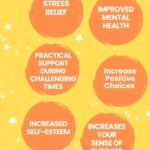
For millennia, human beings have thrived in tribes, communities, and tight-knit groups. Our very evolution is predicated on collaboration and mutual support. Yet, modern society frequently challenges this innate wiring, leading to what some call an epidemic of loneliness. But what if we told a different story? What if we rediscovered the ancient wisdom, now validated by cutting-edge science, that deep, meaningful social bonds are not just good for the soul, but essential for the body and mind? This is not merely anecdotal comfort; it’s a robust scientific truth. Let us embark on a journey through seven profound ways that the friendship Rx fortifies our health, weaving together scientific insight with the human narrative of connection.
1. The Stress Antidote: How Friends Buffer Life’s Blows and Calm the Nervous System
Imagine the relentless hum of modern life: deadlines looming, bills piling, unexpected crises erupting. Stress, in its acute and chronic forms, is a silent assassin, eroding our health from the inside out. It elevates cortisol levels, spikes blood pressure, suppresses the immune system, and contributes to a host of inflammatory conditions. For many, navigating this labyrinth of pressures feels like a solitary battle against an unseen enemy.
Enter the friend. Not as a magic wand, but as a crucial buffer, a human shock absorber in the face of life’s relentless impacts. Consider the scenario: you’ve just received devastating news – a job loss, a health scare, a personal setback. The initial wave of panic, the tightening in your chest, the racing thoughts – these are the physiological manifestations of your body’s "fight or flight" response kicking into high gear. Now, picture picking up the phone and hearing the familiar, comforting voice of a trusted friend. Or better yet, sharing a quiet cup of coffee, pouring out your anxieties, and feeling their hand on your arm.
What happens in that moment of shared vulnerability and empathetic listening? Scientifically, it’s a cascade of positive neurochemical events. The very act of social connection, particularly with someone you trust, triggers the release of oxytocin – often dubbed the "love hormone" or "cuddle chemical." Oxytocin has a remarkable ability to counteract the stress response. It dampens the activity of the amygdala (the brain’s fear center), lowers cortisol levels, and promotes feelings of calm and security. It acts as a natural anxiolytic, reducing anxiety and fostering a sense of belonging that tells your ancient brain: "You are not alone; you are safe within your tribe."
This isn’t just about feeling better emotionally; it has tangible physiological benefits. Studies have shown that individuals with strong social support networks exhibit lower baseline stress hormones and a more rapid recovery from acute stressors. Their cardiovascular systems are less reactive to psychological challenges, and their inflammatory markers are often lower. The presence of a friend can literally downregulate your sympathetic nervous system, shifting you from a state of hyperarousal to one of "rest and digest."
The story of friendship as a stress antidote is one of shared burdens and reciprocal empathy. It’s the friend who listens without judgment, who offers a different perspective, or who simply sits in silence, their presence a balm. It’s the shared laughter that breaks the tension, the shared tears that validate the pain. These interactions aren’t just pleasant; they are essential physiological regulators, prescribing a powerful dose of calm and resilience against the relentless onslaught of modern stressors. They remind us that even in our darkest hours, we are part of something larger, a network of care that inherently protects our most vital systems.
2. The Longevity Elixir: Extending Your Lifespan, One Meaningful Connection at a Time
The pursuit of longevity has fascinated humanity for millennia. From ancient elixirs to modern biohacking, we tirelessly seek the secret to a longer life. Yet, one of the most powerful and accessible "anti-aging" interventions isn’t found in a pill bottle or a complicated diet plan, but in the warmth of human companionship. The data is unequivocal: strong social connections are as significant a predictor of lifespan as factors like smoking, obesity, and physical activity.
Consider the sweeping meta-analyses, combining data from hundreds of studies involving millions of participants. Researchers consistently find that individuals with robust social ties have a 50% increased likelihood of survival over a given period compared to those who are socially isolated. This isn’t a marginal effect; it’s a profound, life-extending phenomenon. To put it into perspective, the impact of social connection on mortality is comparable to quitting smoking and greater than that of obesity or physical inactivity.
Why is this the case? The narrative is multifaceted, weaving together behavioral, psychological, and physiological threads. Firstly, socially integrated individuals tend to engage in healthier behaviors. Friends often encourage us to make better choices – to exercise, eat well, seek medical attention when needed, and avoid risky habits. They provide accountability and motivation. Think of the friend who drags you to the gym, or the one who reminds you to schedule that overdue check-up.
Beyond behavior, social connections offer a profound sense of purpose and belonging, which are critical psychological determinants of health. Knowing you are cared for, that you have a role to play in someone else’s life, and that you are not alone in the world combats feelings of despair and hopelessness, which are known precursors to physical decline. The despair of loneliness can manifest as chronic stress, leading to the physiological wear and tear discussed earlier, accelerating cellular aging and increasing susceptibility to disease.
Moreover, the very act of being connected seems to exert a direct, protective effect on our biological systems. Chronic loneliness is associated with elevated inflammation markers, impaired immune function, and higher blood pressure – all factors that contribute to chronic diseases and premature death. Conversely, a thriving social life promotes healthy cardiovascular function, a robust immune response, and even better genetic expression related to cellular repair and longevity.
The story of friendship as a longevity elixir is whispered in the shared laughter of old friends, in the quiet support offered during illness, in the collective memories that form the tapestry of a life well-lived. It’s the reminder that our lives are intertwined, and in that entanglement lies a formidable power to not only enrich our years but also to add years to our lives. It’s a testament to our fundamental nature as social creatures, where the strength of our bonds directly translates into the resilience of our very existence.
3. The Immune System Boost: A Social Shield Against Sickness and Disease
Our immune system is our body’s personal army, a complex network of cells, tissues, and organs that defend against pathogens, foreign invaders, and even rogue cells within our own bodies. It’s a delicate balance, constantly vigilant, and profoundly influenced by our mental and emotional states. When we are stressed, anxious, or lonely, our immune system often pays the price, leaving us vulnerable.
This is where the friendship Rx steps in as a formidable shield. The connection between social bonds and immune function is a vibrant area of psychoneuroimmunology research, revealing fascinating insights into how our relationships literally shape our biological defenses. Chronic social isolation, for instance, has been consistently linked to higher levels of inflammation and a dampened immune response. Individuals who report feeling lonely often exhibit higher levels of C-reactive protein (CRP), a marker of systemic inflammation, and their immune cells may be less effective at fighting off viruses.
Consider the common cold. Studies have shown that people with diverse social networks are less susceptible to catching colds when exposed to viruses, and if they do get sick, their symptoms are often milder and they recover more quickly. This isn’t magic; it’s a testament to the robust physiological state fostered by strong social support. The oxytocin released during positive social interactions, as mentioned earlier, isn’t just a stress reducer; it also has anti-inflammatory properties and can modulate immune cell activity in beneficial ways.
Furthermore, friends can indirectly bolster our immune system by encouraging healthy behaviors. They might nudge us to get enough sleep, eat nutritious meals, or manage our stress effectively – all factors crucial for optimal immune function. They can also provide practical support during illness, ensuring we have access to care, food, and rest, preventing the kind of acute stress that can further compromise a weakened immune system.
The narrative here is one of collective strength. Imagine a group of friends rallying around someone facing a serious illness. The emotional support, the practical help, the sheer sense of being seen and cared for – these aren’t just comforting gestures; they are biological interventions. They reduce the chronic stress that saps immune resources, they promote a sense of well-being that primes the body for healing, and they ensure that the individual is not fighting their battle alone.
In essence, friendship inoculates us against loneliness and its physiological consequences. It provides a constant, gentle hum of security and belonging that signals to our immune system that the environment is safe, resources are available, and there’s no need for the hyper-vigilance and inflammatory overdrive associated with perceived threat. The laughter, the shared meals, the comforting embrace – these are not just moments of joy, but vital components of our immunological armor, making us more resilient against the myriad threats to our health.
4. The Resilience Builder: Navigating Adversity with a Network of Support
Life is an unpredictable journey, fraught with inevitable challenges: loss, failure, illness, and unexpected setbacks. The ability to bounce back from adversity, to adapt and grow in the face of hardship, is known as resilience. It’s a crucial psychological trait that determines not just our happiness, but also our long-term health. And, perhaps unsurprisingly, social bonds are a cornerstone of building and maintaining this vital capacity.
When tragedy strikes, the initial shock can be debilitating. The world feels unstable, and our coping mechanisms can be overwhelmed. In these moments, a robust network of friends acts as a psychological safety net, preventing us from spiraling into despair and providing the scaffolding upon which we can rebuild.
Consider someone grappling with a significant loss, like the death of a loved one. The grief can be all-consuming, threatening to isolate them completely. A true friend, however, doesn’t try to "fix" the pain but rather sits with it. They offer a listening ear, validate feelings of sorrow, anger, or confusion, and provide a stable presence in a chaotic emotional landscape. This unconditional support helps the grieving individual process their emotions, find meaning in their experience, and gradually reintegrate into life.
From a neurological perspective, social support helps regulate the prefrontal cortex, the part of the brain responsible for executive functions like problem-solving, decision-making, and emotional regulation. When under extreme stress, the prefrontal cortex can become impaired, making rational thought difficult. A friend’s calm presence, their ability to offer perspective, or even to help break down overwhelming problems into manageable steps, effectively "co-regulates" our brains, helping us regain our cognitive footing.
Furthermore, friends provide diverse coping strategies. One friend might offer practical help, another emotional comfort, and a third a much-needed distraction or a reminder of past triumphs. This multi-faceted support ensures that various needs are met, preventing the accumulation of unresolved stress that can lead to burnout or chronic health issues. They remind us of our strengths, celebrate our small victories, and gently push us forward when we feel stuck.
The story of friendship as a resilience builder is one of shared burdens, collective wisdom, and unwavering belief in one another. It’s the friend who reminds you of your past triumphs when you feel defeated, the one who helps you laugh through tears, or the one who simply holds your hand through the storm. They don’t just witness your struggle; they actively participate in your recovery, lending their strength when yours falters. This collective fortitude not only helps us survive adversity but also allows us to emerge stronger, more integrated, and more capable of facing future challenges, protecting our mental and physical health in the process.
5. The Purpose and Belonging Catalyst: Finding Meaning and Identity in Shared Experiences
At the core of the human experience lies a fundamental yearning for purpose and belonging. We are meaning-making creatures, constantly seeking to understand our place in the world and to feel connected to something larger than ourselves. When these needs are unmet, a void can open, leading to feelings of emptiness, apathy, and existential distress, which are potent precursors to both mental and physical illness.
Friendship, in its myriad forms, acts as a powerful catalyst for fulfilling these intrinsic human needs. It anchors us in a shared reality, offering a sense of identity, validation, and collective purpose. When we are part of a friendship group, we are not just individuals; we are members of a micro-community, a chosen family where our unique qualities are seen, appreciated, and integrated.
Consider the sense of belonging that comes from a shared passion with friends – a book club, a hiking group, a volunteer team, or simply a regular coffee ritual. These shared experiences create a collective identity, reinforcing who we are and what we value. They provide a sense of structure and predictability, knowing that there are people who expect us, rely on us, and genuinely care about our presence. This consistent affirmation counters feelings of alienation and provides a stable foundation for self-worth.
Moreover, friendships often provide opportunities for altruism and reciprocity. Helping a friend in need, celebrating their successes, or simply being a sounding board gives our lives meaning beyond our individual pursuits. It connects us to a broader narrative of mutual support and contribution. This sense of being needed and valued is a powerful antidote to feelings of insignificance, fostering a positive self-concept that is crucial for mental resilience and overall well-being.
The absence of belonging, conversely, is a significant risk factor for depression, anxiety, and even substance abuse. When individuals feel disconnected, they lose their anchor, drifting in a sea of isolation. This emotional distress can manifest physically, contributing to chronic stress, sleep disturbances, and a general decline in physical health.
The story of friendship as a purpose and belonging catalyst is written in the shared laughter over inside jokes, the collective efforts towards a common goal, and the quiet understanding that comes from years of shared history. It’s the feeling of "being home" when you’re with your chosen people, a profound sense of acceptance that allows you to be your authentic self. These bonds not only enrich our lives but fundamentally shape our sense of self, imbue our days with meaning, and ultimately protect our health by fulfilling our deepest human needs for connection and significance.
6. The Healthy Habit Architect: Friends as Agents of Positive Lifestyle Change
We are, in many ways, products of our environment and the people we surround ourselves with. Our habits, both good and bad, are often shaped by social norms and the behaviors of our peers. While this can sometimes lead to negative influences, it can also be harnessed as an incredibly powerful force for positive change. Friends, in essence, can act as architects of our healthy habits, subtly and overtly guiding us towards better lifestyle choices.
Think about the myriad ways friends influence us. If your friends prioritize physical activity, you’re more likely to join them for a run, a hike, or a trip to the gym. If they practice mindful eating, you might find yourself making healthier food choices. If they value self-care and mental health, you’re more likely to discuss your struggles and seek support. This social contagion of positive behaviors is a well-documented phenomenon. We are naturally inclined to conform to the norms of our social groups, and when those norms are healthy, everyone benefits.
Beyond mere influence, friends provide crucial accountability. It’s much harder to skip that morning workout when you know a friend is waiting for you. It’s easier to resist that unhealthy snack when your friend is also choosing a healthier option. They become partners in our wellness journeys, offering encouragement, celebrating small victories, and gently redirecting us when we stray. This shared commitment makes healthy living feel less like a chore and more like a collaborative effort.
Moreover, friends can introduce us to new healthy activities or perspectives. Perhaps a friend introduces you to yoga, a new healthy recipe, or a different approach to stress management. Their enthusiasm and personal experience can be highly motivating, making the adoption of new habits feel less daunting and more appealing. They expand our repertoire of wellness tools and provide a supportive environment for experimentation.
The flip side, of course, is that negative influences can also spread through social networks. However, by consciously cultivating friendships with individuals who share healthy values and aspire to well-being, we can leverage this social dynamic to our advantage. It’s about choosing our "tribe" wisely, recognizing that our health is deeply intertwined with the health behaviors of those closest to us.
The story of friendship as a healthy habit architect is a collection of shared runs, joint cooking sessions, and encouraging words. It’s the friend who cheers you on as you pursue a new fitness goal, the one who shares their favorite healthy recipes, or the one who simply makes healthy choices feel natural and enjoyable. These relationships transform the often solitary and challenging path of lifestyle change into a collaborative, supportive, and ultimately more successful journey, protecting our physical health one positive habit at a time.
7. The Cognitive Guardian: Keeping Your Mind Sharp and Agile Through Social Engagement
As we age, one of the most significant health concerns is cognitive decline – the gradual erosion of memory, processing speed, and executive function, culminating for some in debilitating conditions like dementia. While genetics and lifestyle factors play a role, emerging research highlights another powerful protector of brain health: vibrant social engagement. Friends, in essence, act as cognitive guardians, helping to keep our minds sharp, agile, and resilient against the ravages of time.
The brain is a "use it or lose it" organ. Just as physical exercise keeps our muscles strong, cognitive stimulation keeps our neural pathways robust. Social interactions are incredibly complex cognitive exercises. They require us to listen actively, interpret non-verbal cues, empathize, respond appropriately, recall shared memories, negotiate different perspectives, and adapt our communication style. Each conversation, each shared experience, each problem solved together, provides a stimulating workout for various regions of the brain.
Consider the phenomenon of "cognitive reserve." Individuals with higher cognitive reserve – built through education, lifelong learning, and mentally stimulating activities – are better able to withstand brain pathology (like the plaques and tangles associated with Alzheimer’s) without showing overt symptoms of dementia. Social engagement is a powerful contributor to this reserve. The constant mental demands of maintaining relationships, coupled with the emotional regulation required, build a more resilient and adaptable brain.
Moreover, friendships combat loneliness and depression, both of which are significant risk factors for cognitive decline. Loneliness is associated with increased stress hormones and inflammation, which can damage brain cells over time. Depression can impair memory and executive function, and chronic depressive episodes are linked to a higher risk of dementia. Friends provide emotional support and a sense of purpose that can stave off these detrimental states, thereby indirectly protecting brain health.
The story of friendship as a cognitive guardian is written in the lively debates over current events, the shared laughter over past adventures, the collaborative problem-solving, and the simple act of reminiscing together. It’s the friend who challenges your perspective, the one who introduces you to new ideas, or the one with whom you share complex conversations that demand your full attention. These interactions not only enrich our lives but actively stimulate neural networks, maintain cognitive flexibility, and strengthen the brain’s ability to resist decline. They ensure that our minds remain active, engaged, and connected to the world, providing a vital layer of protection against the specter of cognitive impairment.
The Symphony of Connection: Weaving the Threads of Health
The seven pathways through which friendship protects our health are not isolated phenomena; they are interwoven threads in a magnificent tapestry of human connection. The stress antidote of shared laughter boosts the immune system. The purpose found in belonging encourages healthy habits, which in turn extends longevity. The cognitive stimulation of a lively discussion fosters resilience in the face of adversity. Each aspect reinforces the others, creating a powerful, synergistic effect that elevates our overall well-being.
In a society that often glorifies individualism and self-reliance, it is a profound truth that our greatest strength, our most potent medicine, often lies in our interconnectedness. The Friendship Rx is not a one-time dose but a lifelong prescription, requiring cultivation, care, and conscious effort. It asks us to invest our time, our vulnerability, and our empathy into the relationships that truly matter.
For the knowledgeable audience, the message is clear: this is not soft science or feel-good platitudes. This is robust epidemiological data, neuroscientific evidence, and psychological insight converging on a singular, powerful conclusion. Our social health is inextricably linked to our physical and mental health. Neglecting our social bonds is akin to neglecting diet, exercise, or sleep – it comes at a significant cost.
Let us therefore tell this story widely and often. Let us champion the power of friendship in our lives and in the lives of those around us. Let us recognize that in a world full of complex challenges, the simplest, most human of connections might just be the most profound solution. For in the embrace of friendship, in the shared journey of life, we find not only joy and companionship, but the very essence of health and enduring vitality. The prescription is clear: connect, care, and thrive.