
In the grand tapestry of human experience, there are threads so fundamental, so intrinsically woven into our being, that we often overlook their profound significance. Physical touch is one such thread. It is a primal language, older than words, capable of communicating comfort, love, warning, and solace with an immediacy that bypasses the intellect and speaks directly to the soul. But beyond its obvious social and emotional roles, touch performs a deeper, more silent alchemy: it acts as a fundamental regulator of our nervous system, an emotional anchor that stabilizes us amidst life’s storms.
This isn’t merely a poetic notion; it is a scientifically verifiable truth, etched into our biology from the first moments of life. From the gentle caress that soothes a crying infant to the firm hand on a friend’s shoulder during a crisis, touch orchestrates a complex symphony of neurochemical responses, calming the agitated, connecting the isolated, and grounding the adrift. To understand this profound power is to unlock a deeper appreciation for our own humanity and the intricate dance between our bodies, minds, and relationships.
The Evolutionary Tapestry: Why Touch Matters So Much
To truly grasp the power of touch, we must journey back through evolutionary time. Our earliest ancestors, vulnerable and dependent, relied on physical proximity and contact for survival. A mother’s embrace wasn’t just comforting; it was a matter of life and death, protecting against predators, regulating body temperature, and signaling safety. This deep-seated need for contact is evident across the mammalian kingdom, where grooming, huddling, and nuzzling are not just social rituals but essential behaviors for group cohesion and individual well-being.
Consider the groundbreaking work of Harry Harlow in the mid-20th century. His experiments with rhesus monkeys, though ethically controversial by today’s standards, revealed a profound truth: infant monkeys overwhelmingly preferred a "cloth mother" – a surrogate made of soft terry cloth – over a "wire mother" that provided nourishment. This demonstrated that comfort, warmth, and physical contact were more fundamental to attachment and healthy development than even sustenance itself. The cloth mother provided an emotional anchor, a secure base that allowed the infant to explore and return to for solace, shaping their future capacity for relationships and resilience.
For humans, this evolutionary imperative is even more pronounced. We are born utterly helpless, dependent on caregivers for every aspect of survival. Skin-to-skin contact, often called "kangaroo care," has been shown to stabilize premature infants’ heart rates, improve their breathing patterns, reduce stress, and promote better sleep and weight gain. This isn’t just a physical benefit; it’s a neurological blueprint being laid down, teaching the nascent nervous system how to regulate itself in the presence of a safe, loving touch. Without this foundational anchoring, the developing nervous system can become hyper-vigilant, prone to anxiety, and struggle with emotional regulation later in life – a phenomenon often observed in individuals who experienced early neglect or institutionalization.
The Skin: Our First Language, Our Deepest Receptor
Our skin, the largest organ of the body, is far more than a protective barrier. It is a vast, intricate sensory network, teeming with specialized receptors that translate the physical world into neurological signals. It is our first language, capable of communicating warmth, pressure, texture, and vibration, long before we utter our first word.
When we experience touch, it’s not a singular event but a complex orchestra of sensations. Different types of mechanoreceptors embedded in our skin are responsible for this nuanced reception:
- Pacinian corpuscles detect deep pressure and vibration.
- Meissner’s corpuscles are highly sensitive to light touch and changes in texture.
- Merkel’s discs respond to sustained pressure and shape perception.
- Ruffini endings sense skin stretch and sustained pressure.
While all these receptors contribute to our conscious perception of touch, a particular class of nerve fibers holds the key to touch’s unique emotional and regulatory power: the C-tactile (CT) fibers. These unmyelinated nerve fibers are found predominantly in the hairy skin (most of our body surface) and respond optimally to slow, gentle, skin-temperature stroking – precisely the kind of touch associated with comfort and affection.
Unlike the faster, myelinated fibers that convey discriminative touch (allowing us to identify objects by feel), CT fibers transmit signals at a slower, more leisurely pace. This difference in speed is crucial, as it allows the brain to process these signals in distinct ways. The information from CT fibers bypasses the primary somatosensory cortex, which is responsible for the conscious, discriminative aspects of touch, and instead projects more directly to brain regions involved in emotion, self-awareness, and social cognition.
Decoding the Symphony: The Neurobiology of Touch
So, what happens once these touch signals reach the brain? It’s a cascade of events, a beautifully orchestrated neurological symphony that underpins touch’s ability to regulate our nervous system:
-
The Insula and Emotional Processing: Signals from CT fibers arrive at the insula, a deep cortical structure often referred to as the "seat of interoception." The insula integrates sensory information from the body with emotional states, playing a critical role in our subjective experience of feelings. When gentle touch activates the insula, it contributes to feelings of warmth, connection, and emotional resonance. It helps us feel "in touch" with ourselves and others.
-
The Amygdala and Fear Modulation: The amygdala, the brain’s alarm system, is highly responsive to threats and generates fear and anxiety. Comforting touch has a remarkable ability to dampen amygdala activity. When a loved one holds our hand during a stressful event, the touch signals safety, reducing the perception of threat and quieting the amygdala’s frantic alerts. This allows the prefrontal cortex, responsible for rational thought and problem-solving, to regain control.
-
The Oxytocin Overflow: The Love Hormone: Perhaps the most famous neurochemical player in the touch story is oxytocin. Often dubbed the "love hormone" or "cuddle chemical," oxytocin is released from the pituitary gland in response to various forms of social contact, especially touch. Its effects are far-reaching:
- Reduces stress hormones: Oxytocin counteracts the effects of cortisol, the primary stress hormone, lowering its levels in the bloodstream.
- Promotes bonding and trust: It enhances feelings of attachment, empathy, and social connection, strengthening interpersonal bonds.
- Lowers blood pressure and heart rate: Oxytocin has a calming effect on the cardiovascular system, promoting relaxation.
- Increases pain threshold: It can act as a natural analgesic, reducing the perception of pain.
The release of oxytocin creates a positive feedback loop: touch releases oxytocin, which makes us feel good, making us seek more touch.
-
Dopamine and Serotonin: The Feel-Good Duo: Touch also stimulates the release of dopamine, a neurotransmitter associated with pleasure, reward, and motivation. This contributes to the pleasurable sensation of touch and reinforces the desire for more positive social interaction. Simultaneously, touch can boost serotonin levels, a neurotransmitter crucial for mood regulation, sleep, and appetite. Low serotonin is linked to depression and anxiety, so its increase through touch contributes to overall well-being and emotional stability.
-
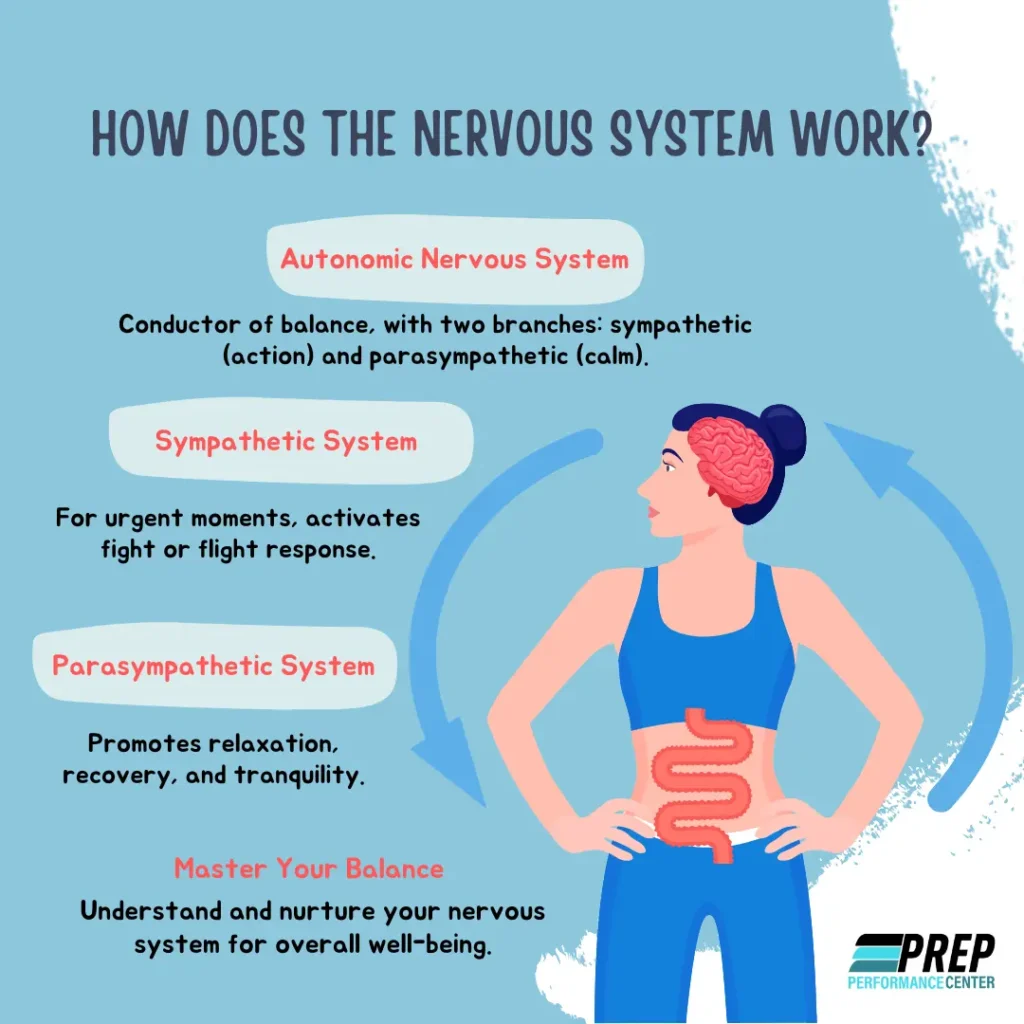
Vagus Nerve Activation: The Parasympathetic Pathway: The vagus nerve is a major component of the parasympathetic nervous system, responsible for the "rest and digest" response. Gentle, comforting touch, particularly around the face, neck, and chest, can stimulate the vagus nerve. This activation leads to a decrease in heart rate, blood pressure, and muscle tension, shifting the body from a state of "fight or flight" (sympathetic activation) to one of calm and relaxation. Vagal tone, the strength of vagus nerve activity, is associated with greater emotional resilience and better stress coping mechanisms.
In essence, touch acts as a powerful lever, shifting our nervous system from a state of sympathetic arousal (stress, alertness, threat response) to parasympathetic dominance (calm, connection, restoration). It’s a biological off-switch for anxiety, a natural balm for distress.
A Lifespan of Connection: Touch Through the Ages
The power of touch isn’t confined to infancy; it remains a vital emotional anchor throughout our lives, albeit manifesting in different forms and contexts.
Infancy and Childhood: The Blueprint of Security
As we’ve seen, early touch is foundational. A parent’s loving hold, a sibling’s playful jostle, a teacher’s encouraging pat – these experiences build a child’s sense of security, self-worth, and ability to form healthy attachments. Children who receive adequate positive touch tend to be more resilient, better able to regulate their emotions, and more socially adept. Touch helps them explore boundaries, understand non-verbal cues, and feel seen and loved.
Adolescence: Navigating Identity and Connection
Adolescence is a turbulent time of identity formation and social exploration. While peer relationships become paramount, the need for familial touch, though sometimes expressed with awkwardness, remains. A hug from a parent can still ground an overwhelmed teenager, even if they pretend it’s uncool. Peer-to-peer touch, like high-fives, arm links, or even playful pushes, helps solidify social bonds, establish group identity, and convey acceptance during a period of intense self-consciousness.
Adulthood: Intimacy, Support, and Empathy
In adulthood, touch becomes a cornerstone of intimacy in romantic relationships. Holding hands, cuddling, kissing, and sexual touch are not just expressions of desire but powerful mechanisms for maintaining emotional connection, reducing stress, and fostering a deep sense of belonging and security. In friendships and family relationships, touch provides non-verbal support and empathy – a comforting arm around the shoulder during grief, a celebratory high-five, a reassuring squeeze of the hand during a difficult conversation. It conveys "I’m here for you," "I understand," or "You’re not alone," often more effectively than words ever could.
Touch is also a critical component of empathy. When we witness someone else in distress, a natural inclination is to reach out and offer physical comfort. This act of compassionate touch not only soothes the recipient but also activates empathy circuits in the giver’s brain, strengthening the bond between them.
Old Age: Sustaining Connection and Dignity
As people age, particularly those who experience illness, isolation, or cognitive decline, the importance of touch often intensifies. A gentle hand-hold can provide immense comfort and a sense of connection when verbal communication becomes difficult. Therapeutic touch in elder care settings can reduce agitation, improve mood, and alleviate loneliness, reminding individuals of their continued humanity and worth.
The Therapeutic Embrace: Healing Through Touch
Beyond personal relationships, touch has a profound role in therapeutic and healing contexts.
-
Massage Therapy: This isn’t just a luxury; it’s a powerful tool for nervous system regulation. The deep pressure and rhythmic strokes of massage activate mechanoreceptors, stimulate vagal nerve activity, reduce cortisol, and increase oxytocin and serotonin. This leads to decreased muscle tension, improved circulation, reduced anxiety, and better sleep, making it beneficial for conditions ranging from chronic pain to depression.
-
Animal-Assisted Therapy: The unconditional, non-judgmental touch of animals has a remarkable calming effect. Petting a dog or cat lowers blood pressure, reduces stress hormones, and increases oxytocin. This is why animal-assisted therapy is effective in hospitals, nursing homes, and for individuals struggling with trauma, anxiety, or social isolation. The animal provides a safe, non-demanding source of comforting touch, acting as a living emotional anchor.
-
Therapeutic Touch in Mental Health: In a clinical setting, with strict adherence to consent and ethical boundaries, touch can be a powerful adjunct to psychotherapy. A therapist might offer a comforting hand-squeeze to a client experiencing intense distress, or guide them through self-soothing touch exercises. For individuals who have experienced trauma, reintroducing safe, consensual touch can be a crucial step in re-patterning their nervous system’s response to physical contact and reclaiming a sense of bodily autonomy and safety.
-
Medical Care: Even in medical settings, where touch is often clinical and procedural, conscious, empathetic touch can make a difference. A doctor’s reassuring hand on a patient’s arm before a difficult procedure, or a nurse’s gentle touch during a painful intervention, can significantly reduce anxiety and improve the patient’s experience.
The Echo of Absence: The Cost of Touch Deprivation
If touch is such a powerful anchor, what happens when it’s absent? The consequences of touch deprivation, often referred to as "skin hunger" or "touch starvation," are profound and far-reaching.
Individuals who experience a significant lack of positive, consensual touch often report feelings of loneliness, isolation, anxiety, and depression. Their nervous systems can remain in a state of heightened arousal, struggling to find a baseline of calm. This can manifest as:
- Increased stress and anxiety: Without the calming effect of touch, cortisol levels may remain elevated, contributing to chronic stress.
- Difficulty with emotional regulation: Individuals may struggle to soothe themselves or manage intense emotions.
- Impaired social bonding: A lack of early touch can hinder the development of secure attachment styles, making it difficult to form and maintain healthy relationships later in life.
- Physical health issues: Chronic stress and elevated cortisol levels are linked to a weakened immune system, cardiovascular problems, and other stress-related ailments.
- Feelings of unreality or disconnection: Without the grounding input of touch, some individuals report feeling less connected to their own bodies or the world around them.
The COVID-19 pandemic offered a stark, global illustration of touch deprivation. Lockdowns, social distancing, and the fear of contagion severely limited physical contact. Many people reported feeling a deep sense of unease, loneliness, and increased anxiety, even those who were typically self-sufficient. This collective experience underscored just how vital routine, often unconscious, casual touch – a handshake, a hug from a friend, a crowded commute – is to our daily nervous system regulation. The absence of these small anchors left many feeling adrift.
Navigating the Modern Landscape of Touch
In our increasingly complex world, the landscape of touch is also evolving. While its biological importance remains constant, cultural norms, personal boundaries, and the rise of digital communication all shape how we experience and seek touch.
-
Consent is Paramount: Understanding and respecting consent is fundamental to healthy touch. Any touch, regardless of its intent, must be consensual, creating a safe and trusting environment. This is especially crucial in therapeutic settings and for individuals who have experienced trauma.
-
The Digital Divide: While digital communication allows us to connect across distances, it cannot replicate the physiological benefits of physical touch. A video call, however intimate, does not trigger the same oxytocin release or vagal nerve activation as a warm embrace. In an increasingly digital world, it becomes even more important to intentionally cultivate opportunities for real-life, human connection and touch.
-
Cultural Variations: The appropriateness and frequency of touch vary significantly across cultures. What might be a common gesture of affection in one culture could be considered inappropriate in another. Awareness and respect for these cultural nuances are essential for effective and respectful interaction.
-
Reclaiming Healthy Touch: For those who have experienced negative or abusive touch, the idea of physical contact can be fraught with fear and anxiety. Healing often involves slowly and safely reintroducing positive, consensual touch, often with the guidance of a therapist, to re-pattern the nervous system’s response and reclaim touch as a source of comfort and connection.
The Emotional Anchor Revisited
Ultimately, physical touch is far more than a simple sensory experience. It is a fundamental human need, a sophisticated biological mechanism, and a powerful emotional anchor that grounds us, stabilizes us, and connects us to the world and to each other. It is the silent language of care, the unspoken promise of support, and the embodied affirmation of our shared humanity.
From the first skin-to-skin contact at birth, shaping our capacity for attachment and resilience, to the comforting hand in old age, affirming our continued worth, touch continuously works to regulate our nervous system. It calms the storm of stress hormones, floods us with the warmth of connection, and shifts our physiology towards peace and restoration.
In a world that often prioritizes the intellectual and the virtual, let us not forget the profound, tangible power of touch. Let us be mindful of its absence and intentional in its presence. Let us offer and receive it with awareness, respect, and gratitude. For in every gentle caress, every firm handshake, every comforting hug, we are not just exchanging warmth; we are anchoring ourselves, and each other, in the safety, security, and profound belonging that defines the human experience. The emotional anchor, it turns out, is not an abstract concept, but a tangible, skin-deep reality, waiting to be felt and embraced.