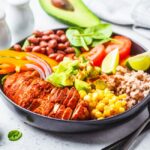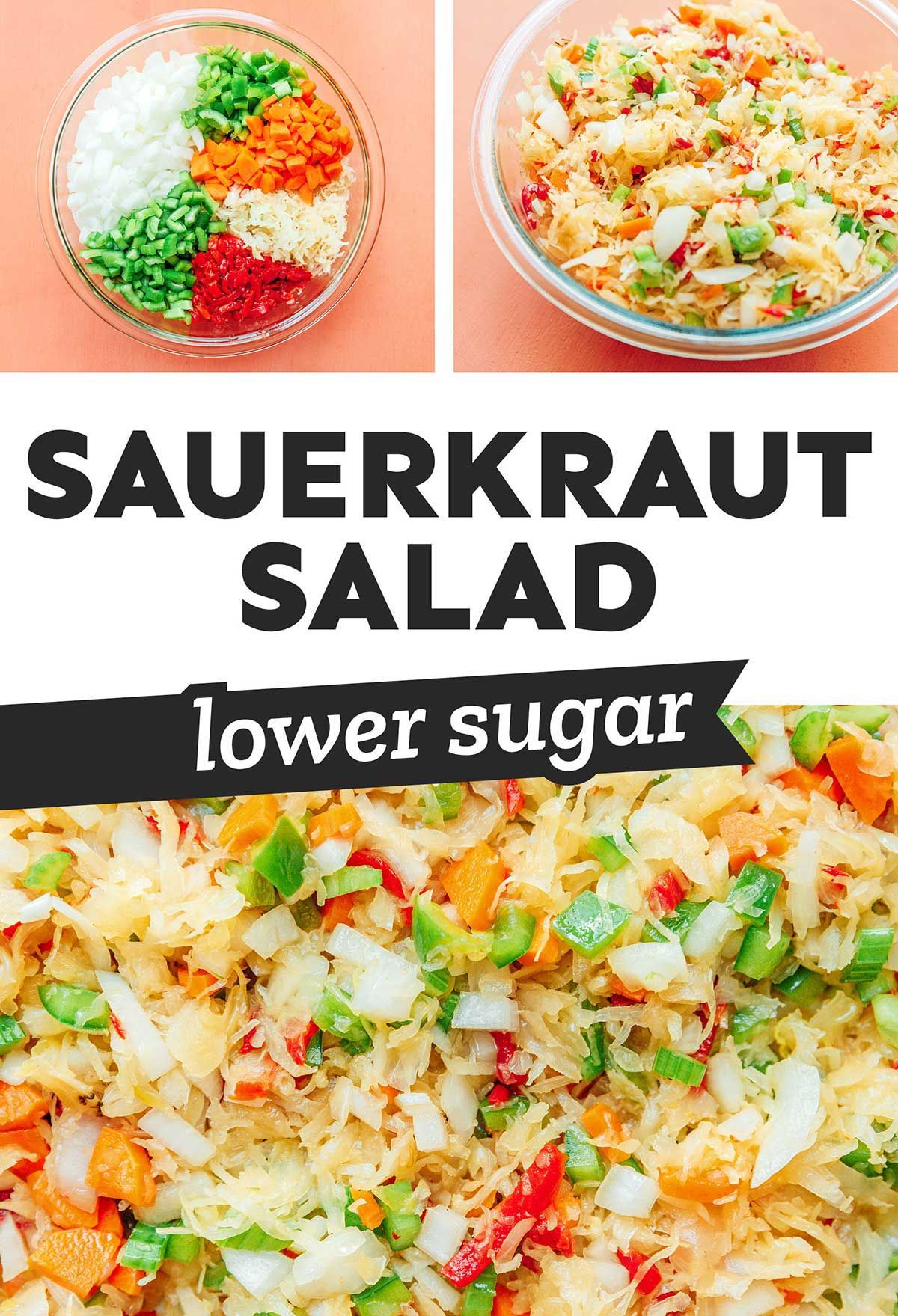

In a world perpetually seeking the next diet trend, the latest superfood, or the most efficient meal replacement, we often overlook one of the simplest, most primal, and profoundly effective tools for true dietary satisfaction: the humble salad. But not just any salad. We’re talking about a salad designed with intention, built around a principle that science is increasingly validating and our evolutionary history implicitly understands: the "crunch factor."
This isn’t merely about adding a few croutons. It’s a deep dive into the sensory symphony, the physiological mechanisms, and the psychological interplay that makes a truly crunchy, well-composed salad not just a healthy choice, but a powerful antidote to unfulfilled cravings and the insidious cycle of overeating. It’s a story of rediscovering satisfaction in the simplest of forms, transforming a mundane meal into a cornerstone of mindful nourishment.
The Modern Dilemma: Full but Not Satisfied
Consider the modern eater. We consume countless calories in forms designed for efficiency: smoothies, meal replacement shakes, soft processed foods, and refined grains. We meticulously track macros, count calories, and adhere to rigid eating windows. Yet, despite our best efforts, a pervasive feeling often lingers: "I’m full, but I’m not satisfied." This gnawing sensation, this silent protest from our bodies and minds, often leads us back to the pantry or the drive-thru, seeking that elusive something that will finally quiet the craving. This isn’t a failure of willpower; it’s a breakdown in our body’s intricate communication system, a system that relies heavily on sensory input.
Our ancestors didn’t grapple with this. Their food was, by necessity, unprocessed. It required effort – hunting, gathering, chewing. The act of eating was a multi-sensory experience, a ritual involving sight, smell, taste, and crucially, texture. In our quest for convenience, we have inadvertently stripped our food of one of its most vital components: the very resistance it offers to our teeth. And in doing so, we have muted a powerful signal for satiety.
The Sensory Symphony of Crunch: More Than Just Sound
At its core, the crunch factor is a sensory phenomenon. When we bite into something crunchy – a crisp apple, a fresh carrot, a handful of toasted nuts – a cascade of sensory information floods our brain.
First, there’s the auditory feedback. The sharp snap, the crackle, the gentle roar of celery against our eardrums. Researchers, notably those at the University of Manchester, have explored the concept of "self-generated sound" and its impact on food perception. Their findings suggest that the louder the crunch, the more likely we are to perceive the food as fresh, appealing, and ultimately, satisfying. This auditory feedback loop is not just a pleasant addition; it’s a crucial part of our brain registering the act of eating. When we eat soft foods, this feedback is diminished, making it easier to consume more without realizing how much we’ve had.
Beyond sound, there’s the tactile experience. The initial resistance, the satisfying give, the breaking apart of fibers, the granular texture against our tongue and palate. This physical engagement is paramount. It tells our brain that real work is being done, that actual food, not just a caloric slurry, is being consumed. This tactile input contributes significantly to our perception of mouthfeel and overall pleasure derived from food.
Then there’s the flavor release. Crunchy foods often hold their flavors differently. The physical act of breaking down cell walls releases volatile compounds, intensifying the taste experience. Think of the burst of flavor from a crisp radish compared to a soft, boiled one. The crunch acts as a delivery mechanism, enhancing our enjoyment and signaling to our brain that we are receiving a rich, complex nutrient profile.
This multi-sensory engagement transforms eating from a mere act of fueling into an immersive experience. And it is this immersive experience that holds the key to true satisfaction.
The Science of Satiety: Chewing as a Physiological Prerequisite
The impact of crunch extends far beyond sensory pleasure; it’s deeply rooted in our physiology. The act of chewing, or mastication, is not just the first step in digestion; it’s a critical trigger for a cascade of satiety signals.
1. Hormonal Signaling: When we chew, especially fibrous, resistant foods, we initiate a complex hormonal response.
- Cholecystokinin (CCK): This hormone is released in the small intestine in response to fat and protein, and its release is significantly influenced by the duration of chewing. CCK signals satiety to the brain and slows gastric emptying, making us feel fuller for longer.
- Glucagon-like Peptide-1 (GLP-1) and Peptide YY (PYY): These gut hormones, often referred to as "satiety hormones," are also stimulated by chewing and the presence of food in the digestive tract. They work to suppress appetite, slow gut motility, and improve insulin sensitivity.
- Ghrelin Suppression: Conversely, chewing helps to suppress ghrelin, the "hunger hormone." The longer and more vigorously we chew, the more effectively ghrelin levels are kept in check, preventing premature hunger pangs.
2. Oral Processing Time and Eating Speed: Crunchy foods inherently require more chewing time. This extended oral processing time is a critical factor in satiety. Studies have consistently shown that slower eating leads to reduced food intake. When we eat slowly, our bodies have more time for satiety signals to travel from our gut to our brain. It takes approximately 20 minutes for these signals to fully register. If we devour a soft meal in five minutes, we’ve likely overeaten before our brain even gets the memo that we’re full. Crunchy salads, by their very nature, enforce a more leisurely pace, allowing these crucial signals to catch up.
3. Gastric Distension and Fiber: A well-constructed crunch-factor salad is typically rich in fiber. The bulk of leafy greens, cruciferous vegetables, and other crunchy additions fills the stomach, causing gastric distension. This physical stretching of the stomach walls sends signals to the brain, contributing to a feeling of fullness. Fiber also adds volume to food without adding significant calories, and it slows down the digestive process, further prolonging satiety.
4. Blood Sugar Regulation: The fiber in crunchy vegetables also plays a vital role in stabilizing blood sugar levels. Unlike refined carbohydrates that cause rapid spikes and subsequent crashes, the complex carbohydrates and fiber in a salad lead to a slower, more sustained release of glucose into the bloodstream. This prevents the roller-coaster effect of energy highs and lows, which often triggers cravings for quick-fix sugary or fatty foods.
5. Cognitive Load and Mindfulness: The effort involved in chewing crunchy foods demands a degree of attention. This "cognitive load" during eating can foster mindfulness. When we’re consciously chewing, experiencing the textures and sounds, we are less likely to be distracted, less likely to mindlessly shovel food, and more likely to tune into our body’s hunger and fullness cues. It shifts eating from an unconscious habit to a deliberate act.
Why Smoothies and Soft Foods Often Fall Short
In stark contrast to the crunch factor, many popular "healthy" food options, like smoothies and meal replacement shakes, inadvertently bypass these crucial satiety mechanisms. While often nutrient-dense, they lack the textural complexity that signals satisfaction.
- Bypassing Oral Processing: Smoothies require minimal chewing. The blender does the work, pre-digesting the food to some extent. This means fewer satiety hormones are triggered, and the critical feedback loop of chewing is largely absent.
- Rapid Consumption: Because they are liquid or semi-liquid, smoothies can be consumed very quickly. This rapid intake means the stomach fills up before the brain has time to register fullness, often leading to overconsumption of calories without the commensurate feeling of satisfaction.
- The "Liquid Calories" Phenomenon: Our bodies often don’t register liquid calories in the same way they do solid food. We might drink a 500-calorie smoothie and still feel hungry an hour later, whereas a 500-calorie solid meal would likely leave us feeling much more satiated.
- Lack of Psychological Engagement: There’s less "work" involved in drinking a smoothie. The psychological satisfaction derived from the effort of chewing and breaking down food is diminished, contributing to a feeling of incompleteness, even if the nutritional requirements have been met.
This isn’t to say smoothies are inherently bad. They can be excellent vehicles for nutrient delivery. But as a primary source of satiety, especially for those prone to overeating or constant cravings, they often fall short precisely because they lack the textural engagement that crunchy foods provide.
Beyond Crunch: The Anatomy of a Truly Satisfying Salad
While crunch is the star, a truly satisfying salad is a masterful orchestration of various elements. It’s not just about throwing some lettuce and a few hard vegetables together; it’s about strategic layering of macronutrients and diverse textures to create a cohesive, hunger-busting meal.
1. The Fiber Powerhouse: The foundation of any great salad is a robust base of fibrous greens. Think beyond iceberg lettuce. Romaine, kale, spinach, mixed greens, arugula, and even shredded cabbage offer varying levels of crunch and a wealth of vitamins, minerals, and, most importantly, dietary fiber. This fiber provides bulk, aids digestion, and contributes significantly to satiety. Extend this fiber profile with other vegetables like broccoli florets, carrots, bell peppers, cucumbers, radishes, and jicama – all delivering varying degrees of crunch.
2. Lean Protein for Sustained Satiety: Protein is paramount for feeling full and staying full. It takes longer to digest than carbohydrates or fats, keeping hunger at bay. Incorporate generous portions of lean protein: grilled chicken or fish, hard-boiled eggs, tofu, tempeh, lentils, chickpeas, or black beans. These additions not only boost the satiety factor but also add another layer of texture – chewy, firm, or tender – contributing to the overall sensory experience.
3. Healthy Fats for Flavor and Fullness: Fats are essential for absorbing fat-soluble vitamins, contributing to hormonal balance, and adding richness and flavor that signal satisfaction. Don’t shy away from healthy fats in your salad. Avocado provides a creamy counterpoint to the crunch, while nuts (almonds, walnuts, pecans) and seeds (chia, flax, pumpkin, sunflower) offer additional crunch, healthy omega-3s, and fiber. A drizzle of olive oil-based dressing is also crucial, enhancing the flavor profile and contributing to that feeling of completeness.
4. The Variety and Complexity of Textures: This is where the crunch factor truly shines. A truly satisfying salad isn’t monochromatic in texture. It’s a symphony:
- Crisp: Lettuce, cucumber, bell pepper, radish.
- Hard/Resistant: Carrots, jicama, celery, raw broccoli.
- Chewy: Dried cranberries (sparingly), sun-dried tomatoes, roasted chickpeas, whole grains (quinoa, farro).
- Creamy: Avocado, feta cheese (sparingly), a creamy dressing base.
- Crumbly/Crunchy Toppers: Toasted nuts, seeds, crispy onions, homemade whole-grain croutons.
This textural complexity keeps the mouth engaged, preventing palate fatigue and ensuring every bite offers a new dimension of enjoyment.
5. Umami and Acidity for a Balanced Flavor Profile: A truly satisfying meal needs balance. Umami (the savory fifth taste) and acidity are crucial for preventing a salad from tasting "flat" or boring. Add ingredients like sun-dried tomatoes, olives, Parmesan cheese (sparingly), mushrooms, or a sprinkle of nutritional yeast for umami. Acidity from lemon juice, vinegar (balsamic, apple cider, red wine), or pickled vegetables brightens the flavors and aids digestion. A well-balanced dressing is key here, tying all the flavors together.
The Psychological Dimension: Mindful Eating and Breaking the Cycle
Beyond the physiological benefits, the crunch factor plays a significant role in the psychological aspects of eating.
- Forcing Mindfulness: As mentioned, the effort of chewing crunchy foods naturally slows us down. This enforced deceleration creates an opportunity for mindfulness. Instead of mindlessly consuming, we become more aware of the act of eating – the textures, the flavors, the sounds, and crucially, our body’s internal signals of hunger and fullness. This heightened awareness is a powerful tool against overeating.
- The Effort-Reward Principle: There’s a subtle psychological reward system at play. The "work" involved in chewing a substantial, crunchy salad signals to our brain that we’ve truly earned and consumed a meal. This effort translates into a deeper sense of accomplishment and satisfaction, a feeling often absent after consuming easily digestible, soft foods.
- Breaking the Deprivation Cycle: One of the biggest challenges in managing cravings and overeating is the feeling of deprivation. If a meal, even a healthy one, leaves us feeling unsatisfied, it often triggers a compensatory craving later for something "more." A truly satisfying, crunchy salad can break this cycle. It provides such a complete sensory and physiological experience that the feeling of deprivation is significantly reduced, lessening the likelihood of subsequent indulgent cravings. It teaches our body that healthy can also mean deeply satisfying.
- Resetting Expectations: Regularly consuming satisfying, crunchy salads can reset our expectations of what a "meal" should feel like. It shifts the focus from merely "filling up" to truly "nourishing and satisfying," both physically and mentally.
Practical Application: Crafting Your Crunch-Factor Salads
Building a crunch-factor salad isn’t complicated, but it does require intentionality. Here’s how to integrate this principle into your daily routine:
- Start with a Sturdy Base: Forget flimsy iceberg. Opt for romaine, green leaf, red leaf, kale, or shredded cabbage. These greens offer more structure and a satisfying crispness.
- Layer in Crunchy Vegetables: This is your primary source of crunch. Think:
- Carrots: Shredded or thinly sliced.
- Bell Peppers: Any color, sliced or diced.
- Cucumbers: Sliced, diced, or spiralized.
- Radishes: Thinly sliced for a peppery bite and crispness.
- Celery: Chopped.
- Jicama: Sliced into matchsticks for a unique watery crunch.
- Broccoli or Cauliflower Florets: Raw or lightly steamed to retain some firmness.
- Add Protein for Substance and Chew:
- Grilled Chicken or Fish: Chilled and sliced.
- Hard-Boiled Eggs: Halved or chopped.
- Legumes: Chickpeas, black beans, lentils, edamame (roasted chickpeas add extra crunch!).
- Tofu or Tempeh: Baked or pan-fried until slightly crispy.
- Incorporate Healthy Fats and Secondary Crunch:
- Avocado: Creamy texture and healthy fats.
- Nuts and Seeds: Almonds, walnuts, pecans, pumpkin seeds, sunflower seeds – toasted for enhanced flavor and crunch.
- Olives: For savory notes and healthy fats.
- Cheese: Crumbled feta, goat cheese, or shaved Parmesan in moderation.
- Don’t Forget the Flavor Boosters:
- Herbs: Fresh parsley, cilantro, basil, mint.
- Citrus: A squeeze of lemon or lime.
- Pickled Vegetables: Pickled onions, jalapeños, or carrots for a tangy crunch.
- Whole Grains: Quinoa, farro, or barley for chewiness and sustained energy.
- Homemade Croutons: Made from whole-grain bread, toasted with olive oil and herbs.
- Craft a Mindful Dressing: An olive oil and vinegar-based dressing (balsamic, apple cider, red wine) with herbs and spices is ideal. Avoid heavy, sugary, or overly creamy dressings that can negate the health benefits and hide the beautiful textures. The dressing should enhance, not drown, your salad.
Overcoming Salad Stereotypes:
- "Salads are boring": This myth crumbles when you embrace variety in greens, vegetables, proteins, and crunch. Rotate ingredients, experiment with dressings, and think beyond the basic garden salad.
- "Salads aren’t filling": This is only true if your salad lacks protein, healthy fats, and sufficient fiber. A well-built crunch-factor salad is incredibly satiating.
- "Salads are unhealthy": Watch out for hidden pitfalls: excessive creamy dressings, fried toppings, candied nuts, and too much cheese. Focus on whole, unprocessed ingredients.
The Long-Term Impact: Beyond the Meal
Embracing the crunch factor in your salads is more than just a meal strategy; it’s a shift in philosophy. It moves us away from a purely caloric or macro-focused view of food and back towards a holistic understanding of nourishment that includes sensory pleasure and psychological satisfaction.
The long-term benefits extend far beyond simply reducing overeating:
- Improved Digestion: The increased chewing and fiber intake support a healthy digestive system.
- Sustained Energy: Stable blood sugar levels mean fewer energy crashes and more consistent vitality throughout the day.
- Enhanced Nutrient Absorption: Chewing food thoroughly aids in breaking it down, making nutrients more bioavailable.
- A Healthier Relationship with Food: By focusing on satisfaction and mindful eating, we can heal our relationship with food, moving away from guilt and restriction towards enjoyment and nourishment.
- Sustainable Weight Management: When meals are truly satisfying, the urge to snack unnecessarily or overeat at subsequent meals diminishes naturally, leading to more effortless weight management.
Conclusion: Re-envisioning the Salad as a Cornerstone of Satisfaction
The "crunch factor" in salads is not a fleeting trend or a complex dietary hack. It is a timeless principle rooted in our biology and psychology, a testament to the profound power of simple, unprocessed food. In a world that often prioritizes speed and convenience over satisfaction and mindfulness, intentionally building meals that engage all our senses – especially through the delightful resistance of crunch – is a revolutionary act.
It’s an invitation to slow down, to truly taste, to consciously engage with our food, and to listen to the subtle signals our bodies send. By re-envisioning the salad not as a deprivation meal but as a masterpiece of texture, flavor, and sensory delight, we unlock a powerful tool for satisfying cravings, reducing overeating, and fostering a deeper, more joyful connection with the food that nourishes us. Let the symphony of crunch guide you towards a more satiated, mindful, and ultimately, healthier way of eating.