
A Story of Life’s Sustenance
In the grand tapestry of human existence, few elements hold as profound a significance as blood. It is the very river of life, a crimson current ceaselessly flowing through our veins, carrying the breath of existence to every cell, every tissue, every corner of our being. From ancient civilizations, who revered it as the seat of the soul, to modern medicine, which deciphers its intricate molecular dances, blood has always been synonymous with vitality, strength, and life itself. Its health, therefore, is not merely a medical concern, but a fundamental narrative of our capacity to thrive.
At the heart of this life-giving fluid lies a remarkable protein: hemoglobin. This intricate molecular marvel, nestled within our red blood cells, is the principal architect of oxygen transport, the silent hero that ensures every breath we take translates into energy and function. Yet, like any complex machinery, the production and maintenance of optimal hemoglobin levels can be susceptible to myriad challenges, often stemming from dietary deficiencies or lifestyle choices in our fast-paced world.
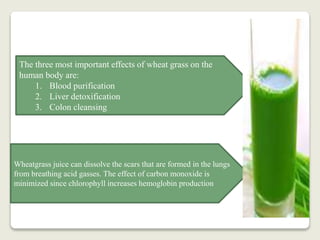
It is into this narrative of crucial biological function and modern health challenges that a humble, vibrant green emerges – wheatgrass. Often hailed as a superfood, a potent emerald elixir, wheatgrass has garnered considerable attention for its purported health benefits, with its potential to support blood health and, specifically, hemoglobin production, standing out as a compelling claim. But is this connection merely anecdotal, a whisper among wellness enthusiasts, or does it rest on a bedrock of scientific understanding? This article embarks on a journey to unravel this story, to explore the intricate symphony of blood, the vital role of hemoglobin, and how the nutrient-dense power of wheatgrass might indeed be a significant player in maintaining the crimson current of life.
Part 1: The Vital Elixir – Understanding Blood and Hemoglobin
To appreciate the potential of wheatgrass, we must first deeply understand the precious fluid it seeks to nourish. Blood is far more than a simple liquid; it is a complex, living tissue, a sophisticated transport system that underpins virtually every physiological process.
The Symphony of Life: What is Blood?
Imagine a bustling metropolis, where different vehicles carry specific cargo to various destinations, maintaining the city’s very pulse. This is analogous to blood. It comprises several key components, each with a specialized role:
- Plasma: The pale yellow liquid matrix, making up about 55% of blood volume. Plasma is predominantly water, but it also carries proteins (like albumin, globulins, and fibrinogen), electrolytes, hormones, nutrients (glucose, amino acids, fatty acids), and waste products. It acts as the transport medium for all other blood components.
- Red Blood Cells (Erythrocytes): The most abundant blood cells, giving blood its characteristic red color. These biconcave discs are exquisitely designed for their primary mission: oxygen transport. They are packed with hemoglobin.
- White Blood Cells (Leukocytes): The body’s immune defenders. Less numerous than red blood cells, they come in various types (neutrophils, lymphocytes, monocytes, eosinophils, basophils), each specialized to identify and neutralize pathogens, clear cellular debris, and regulate immune responses.
- Platelets (Thrombocytes): Small, irregularly shaped cell fragments crucial for blood clotting. They respond to injuries, forming a plug and initiating the coagulation cascade to prevent excessive blood loss.
The collective functions of these components are staggering: oxygen and nutrient delivery to tissues, waste removal from cells, hormone transport, immune defense against infections, regulation of body temperature, and maintenance of pH balance. Blood truly is the conduit of life, a continuous, dynamic system essential for every moment of our existence.
Hemoglobin: The Oxygen Architect
Within this complex symphony, hemoglobin stands as the principal soloist, the virtuoso responsible for the most critical act: carrying oxygen from the lungs to the farthest reaches of the body, and simultaneously ferrying carbon dioxide back to the lungs for exhalation.
Hemoglobin is a metalloprotein, an intricate marvel of molecular engineering. Its structure is key to its function:
- Globin Chains: It consists of four protein subunits, typically two alpha and two beta chains in adult hemoglobin (HbA). These protein chains provide the structural framework.
- Heme Groups: Each globin chain is associated with a non-protein molecule called a heme group. At the center of each heme group lies a single atom of iron, specifically ferrous iron (Fe2+). This iron atom is the crucial binding site for oxygen.
The brilliance of hemoglobin lies in its ability to reversibly bind oxygen. In the oxygen-rich environment of the lungs, each of the four heme groups avidly binds an oxygen molecule. As the red blood cell travels through the bloodstream to oxygen-deprived tissues, the hemoglobin readily releases its oxygen payload, allowing cells to perform cellular respiration and generate energy. It then picks up carbon dioxide, a waste product, to be transported back to the lungs. This elegant dance of binding and releasing is what sustains aerobic life.
The Perils of Imbalance: Anemia and its Ramifications
Given hemoglobin’s pivotal role, it’s clear that any disruption to its optimal levels or function can have profound consequences. The most common condition associated with low hemoglobin is anemia, a state characterized by a reduced number of red blood cells or a reduced amount of hemoglobin within them, leading to diminished oxygen-carrying capacity of the blood.
Anemia is not a single disease but rather a symptom or a sign of an underlying problem. While there are many types, iron-deficiency anemia (IDA) is by far the most prevalent globally, affecting an estimated 1.62 billion people, particularly women of reproductive age and young children. Iron is indispensable for heme synthesis; without adequate iron, the body cannot produce enough functional hemoglobin.
The symptoms of anemia are a direct reflection of the body’s struggle to cope with oxygen deprivation:
- Fatigue and Weakness: The most common and debilitating symptoms, as cells lack the oxygen to produce energy efficiently.