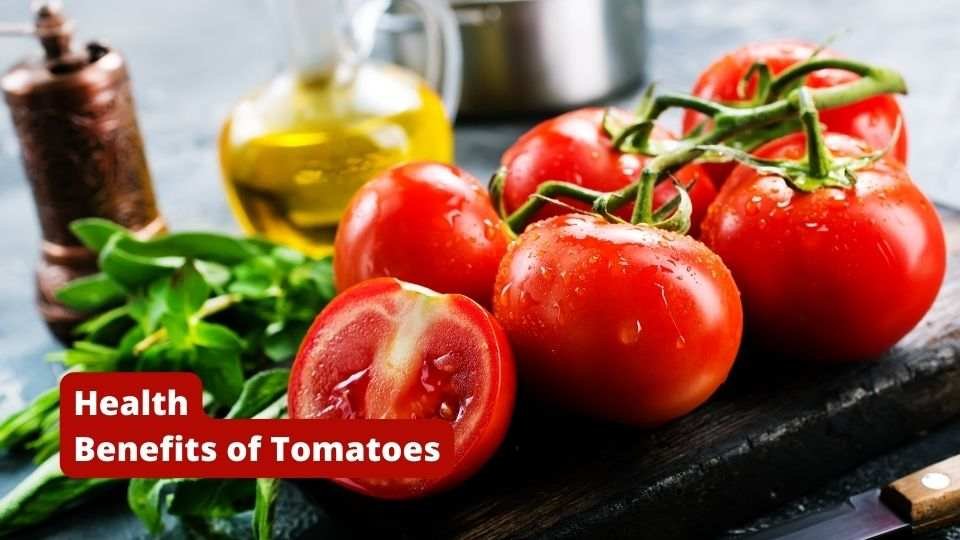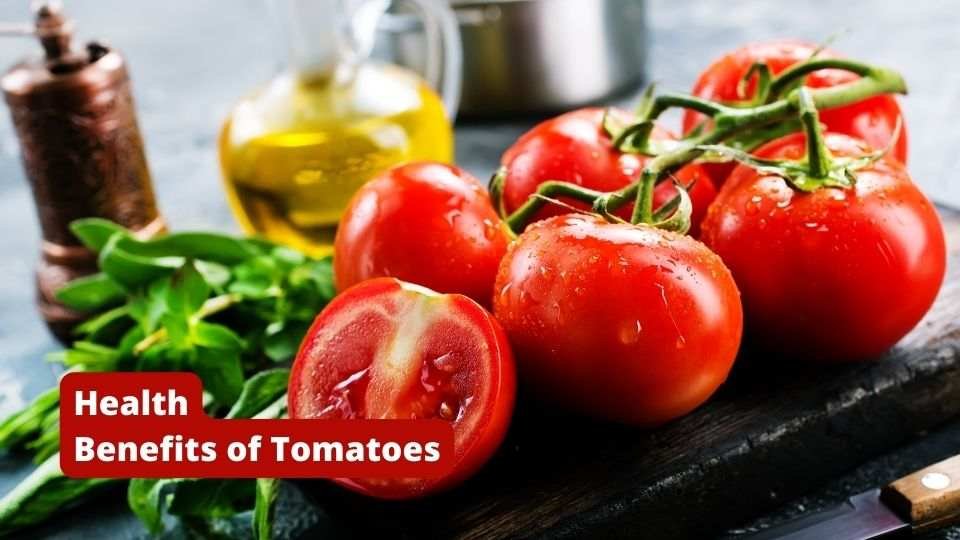

From the sun-drenched fields of the Americas to the heart of kitchens worldwide, the tomato ( Solanum lycopersicum) holds an undisputed place in our culinary landscape. Often debated as a fruit or a vegetable, its ruby globes are a ubiquitous presence, lending their vibrant hue and tangy sweetness to everything from sauces and salads to sandwiches and stews. Yet, beneath this familiar exterior, often taken for granted, lies a complex biochemical powerhouse – a crimson catalyst brimming with an astonishing array of compounds that offer far more than just flavour and visual appeal.
For the knowledgeable palate and the inquisitive mind, the journey into the tomato’s health benefits is a revelation. It’s a story not merely of vitamins and minerals, but of intricate phytochemical symphonies, synergistic interactions, and the quiet, persistent work of nature’s pharmacy. While its reputation as a source of lycopene and vitamin C is well-established, delve a little deeper, and the humble tomato unveils a surprising tapestry of health advantages, challenging our assumptions and inviting a newfound appreciation for this everyday marvel. Prepare to have your understanding of this beloved fruit – yes, botanically, it’s a fruit – ripened by discovery.
Let us embark on a journey, peeling back the layers of familiarity to uncover the ten truly surprising health benefits that the tomato generously offers, proving it to be far more than just a culinary staple.
1. The Prostate Protector and Beyond: A Cancer Warrior
While the antioxidant power of lycopene in tomatoes is widely known, its specific, targeted impact on certain cancers often surprises even the well-informed. Lycopene, a potent carotenoid, is not merely a general antioxidant; it’s a highly efficient scavenger of singlet oxygen, a particularly destructive free radical. Its unique molecular structure allows it to neutralize these harmful agents more effectively than many other carotenoids.
The most compelling evidence lies in its role in prostate cancer prevention and management. Numerous epidemiological studies have consistently shown an inverse relationship between high tomato consumption (especially cooked tomatoes) and the risk of prostate cancer. The "surprise" here is not just that it helps, but how it helps. Lycopene has been observed to inhibit the proliferation of prostate cancer cells, induce apoptosis (programmed cell death) in these cells, and interfere with androgen receptor signalling, which is crucial for prostate cancer growth. Furthermore, it can modulate cell cycle progression and inhibit angiogenesis – the formation of new blood vessels that feed tumours. It’s a multi-pronged attack, making it a significant dietary intervention.
Beyond the prostate, research suggests lycopene’s protective effects extend to other cancers, including breast, lung, stomach, and colorectal cancers. Its anti-inflammatory properties, coupled with its ability to enhance cell-to-cell communication and modulate gene expression, paint a picture of a sophisticated cellular guardian rather than just a simple antioxidant. The bioavailability of lycopene is also a fascinating aspect; it’s lipophilic, meaning it’s best absorbed with fats and its concentration increases significantly when tomatoes are cooked, breaking down cell walls and releasing the compound more readily. This transformation from raw to cooked unlocks a more potent medicinal profile, a surprise for those who might prefer their tomatoes strictly fresh.
2. The Cardiovascular Conductor: Orchestrating Heart Health
The tomato’s contribution to cardiovascular health goes far beyond just reducing oxidative stress. It’s a symphony of compounds working in concert to maintain the delicate balance required for a healthy heart and robust circulatory system. Potassium, a well-known electrolyte abundant in tomatoes, plays a crucial role in regulating blood pressure by counteracting the effects of sodium and promoting vasodilation. This is not groundbreaking news, but its synergistic action with other tomato compounds elevates its impact.
The surprise lies in the collective power of lycopene, vitamin C, vitamin E, beta-carotene, and a host of flavonoids (like rutin and quercetin). These compounds don’t just protect against LDL cholesterol oxidation – a key step in atherosclerosis – but also improve endothelial function, the health of the inner lining of blood vessels. Healthy endothelium is vital for proper blood flow and preventing plaque buildup. Lycopene, in particular, has been shown to reduce total cholesterol and LDL cholesterol levels, while increasing beneficial HDL cholesterol.
Furthermore, tomatoes contain niacin (vitamin B3) and folate (vitamin B9). Niacin is known to help lower cholesterol and triglyceride levels, while folate helps reduce homocysteine levels. Elevated homocysteine is an independent risk factor for heart disease and stroke, often overlooked in dietary discussions. The tomato’s comprehensive profile, addressing blood pressure, cholesterol, oxidative stress, inflammation, and homocysteine, makes it an unsung hero in the prevention of heart attacks and strokes – a true cardiovascular conductor.
3. The Skin’s Shield and Radiance Enhancer: Beyond Topical Creams
When we think of skin protection, we often reach for sunscreen or expensive creams. The idea that a simple tomato could offer significant photoprotection and enhance skin health from within is genuinely surprising. Lycopene, once again, is the star here, but its mechanism of action is particularly fascinating.
Studies have demonstrated that regular consumption of lycopene-rich tomato products can increase the skin’s natural defence against UV radiation. It doesn’t replace sunscreen, but it provides an internal shield, reducing the intensity of sunburn and mitigating the long-term damage caused by sun exposure. This internal photoprotection works by accumulating lycopene in the skin cells, where it acts as an antioxidant, neutralizing free radicals generated by UV light before they can cause cellular damage, collagen breakdown, and DNA mutations. This translates to reduced risk of photoaging (wrinkles, age spots) and potentially skin cancers.
Beyond UV protection, tomatoes contribute to overall skin radiance. Vitamin C is essential for collagen synthesis, the protein that provides skin with its structure and elasticity. A healthy collagen matrix means firmer, more youthful-looking skin. The antioxidants also combat oxidative stress that can dull the complexion and contribute to inflammatory skin conditions. Furthermore, the high water content of tomatoes aids in hydration, crucial for maintaining skin suppleness. The idea of "eating your sunscreen" or "eating your anti-aging cream" through a delicious, everyday food is a truly surprising and empowering concept.
4. The Bone Builder’s Ally: Strengthening the Skeletal Framework
Bone health is typically associated with calcium and vitamin D, often relegating other nutritional contributions to the background. However, the tomato offers a surprisingly robust array of nutrients that support skeletal integrity, making it an excellent, albeit overlooked, ally for strong bones.
Vitamin K, present in tomatoes, is critical for bone health. It activates osteocalcin, a protein that binds calcium to the bone matrix, ensuring that calcium is deposited where it’s needed most. Without adequate vitamin K, calcium metabolism can be impaired, leading to weaker bones. Furthermore, vitamin K may also reduce the risk of fractures.
The powerful antioxidants in tomatoes, especially lycopene and vitamin C, play a less direct but equally important role. Oxidative stress can contribute to bone degradation by increasing the activity of osteoclasts (cells that break down bone) and reducing the activity of osteoblasts (cells that build bone). By neutralizing free radicals, these antioxidants help maintain a healthy balance in bone remodelling, protecting against conditions like osteoporosis.
Additionally, some research suggests that lycopene may positively influence bone mineral density and reduce bone resorption markers. The anti-inflammatory properties of tomatoes also contribute, as chronic inflammation can negatively impact bone metabolism. Thus, the tomato offers a holistic approach to bone health, moving beyond the simple calcium narrative to embrace the complex interplay of nutrients and their protective effects on our skeletal framework.
5. The Vision’s Guardian: Protecting Precious Eyesight
Carrots famously guard our eyesight, but the tomato’s contribution to ocular health is often underestimated and equally vital, making it a surprising guardian of vision. While not as concentrated as in leafy greens, tomatoes contain significant amounts of lutein and zeaxanthin – two potent carotenoids known as "macular pigments."
These compounds accumulate in the macula, the central part of the retina responsible for sharp, detailed vision. Here, they act as natural sunglasses, filtering out harmful blue light and neutralizing free radicals that can damage delicate retinal cells. This protective action is crucial in preventing age-related macular degeneration (AMD), a leading cause of vision loss in older adults, and cataracts. The "surprise" is that while other foods are more famed for these nutrients, the sheer volume of tomato consumption worldwide makes it a significant dietary source for many.
Furthermore, vitamin A (derived from beta-carotene in tomatoes) is fundamental for good vision, particularly in low light conditions, and for maintaining the health of the cornea. Vitamin C, another abundant nutrient in tomatoes, is also important for eye health, potentially reducing the risk of cataracts and supporting the health of blood vessels in the eyes. The comprehensive antioxidant profile of tomatoes helps combat oxidative stress that can damage eye tissues over time. Including tomatoes regularly in your diet provides a multi-faceted defence system for your eyes, working tirelessly to preserve one of our most precious senses.
6. The Blood Sugar Stabilizer: A Sweet Relief for Metabolic Health
For those navigating the complexities of blood sugar management, the tomato emerges as a surprisingly beneficial food, offering subtle yet significant support in maintaining metabolic balance. Its low glycemic index and rich nutrient profile contribute to its role as a blood sugar stabilizer.
One key factor is its fibre content. Tomatoes are a good source of dietary fibre, which helps slow down the absorption of sugars into the bloodstream, preventing rapid spikes in blood glucose levels. This makes them an excellent choice for individuals with insulin resistance or type 2 diabetes. The fibre also contributes to satiety, helping with weight management, which is crucial for metabolic health.
Beyond fibre, tomatoes contain chromium, a trace mineral that plays a vital role in enhancing the action of insulin, the hormone responsible for transporting glucose from the blood into cells. Chromium helps insulin work more efficiently, leading to better glucose uptake and stable blood sugar levels.
Moreover, the array of antioxidants and anti-inflammatory compounds in tomatoes helps combat oxidative stress and chronic inflammation, both of which are implicated in the development and progression of insulin resistance and type 2 diabetes. By reducing these underlying factors, tomatoes contribute to a healthier metabolic environment. The surprise here is the nuanced, multi-directional support for blood sugar regulation, extending beyond simple carbohydrate content to encompass hormonal sensitivity and inflammatory pathways.
7. The Digestive Dynamo: Nurturing a Healthy Gut
While the fibre content of tomatoes is known to aid digestion, the extent of its positive impact on the entire gastrointestinal system and even the gut microbiome is often underestimated, positioning it as a true digestive dynamo.
The dietary fibre in tomatoes, both soluble and insoluble, promotes regularity and prevents constipation by adding bulk to stool and facilitating its passage through the digestive tract. This mechanical action is straightforward. However, the soluble fibre also acts as a prebiotic, feeding beneficial gut bacteria. A thriving gut microbiome is increasingly recognized as central to overall health, influencing everything from immunity to mood. By supporting these friendly bacteria, tomatoes indirectly contribute to a healthier digestive ecosystem.
The high water content of tomatoes (over 90%) is also crucial for digestive health, helping to keep stools soft and preventing dehydration, which can exacerbate constipation. Furthermore, the antioxidants and anti-inflammatory compounds in tomatoes can help soothe inflammation in the gut lining, potentially offering benefits for individuals with inflammatory bowel conditions, though more research is always needed in this area.
The malic acid and citric acid in tomatoes contribute to their characteristic tangy flavour, and these organic acids can also stimulate digestive enzyme activity, aiding in the breakdown and absorption of nutrients. Thus, the tomato provides comprehensive support for the digestive system, from promoting regular bowel movements to nurturing the microscopic inhabitants of our gut.
8. The Mood & Sleep Enhancer: A Natural Antidote to Stress
The connection between diet and mental well-being is gaining increasing recognition, and the tomato offers a surprising, yet significant, contribution to mood regulation and sleep quality. This benefit is largely attributed to its folate content and other neuro-active compounds.
Folate (vitamin B9) is a crucial nutrient for brain health. It plays a key role in the synthesis of neurotransmitters such as serotonin, dopamine, and norepinephrine, which are essential for mood regulation, stress response, and cognitive function. A deficiency in folate has been linked to an increased risk of depression and anxiety. By providing a good source of this vital B vitamin, tomatoes contribute to maintaining healthy neurotransmitter levels, thereby supporting emotional balance.
Beyond folate, tomatoes contain small amounts of alpha-lipoic acid, an antioxidant that helps the body convert glucose into energy and can stabilize blood sugar levels. Stable blood sugar is critical for maintaining consistent energy and mood, preventing the "crashes" that can lead to irritability and fatigue.
For sleep, the calming effects of stable blood sugar and adequate neurotransmitter production indirectly contribute to better rest. Some studies also suggest that a diet rich in antioxidants can protect brain cells from oxidative damage, which is implicated in mood disorders and cognitive decline. While not a direct sedative, the tomato’s holistic contribution to nervous system health makes it a surprisingly beneficial food for enhancing mood and promoting restful sleep.
9. The Anti-Inflammatory Powerhouse: Quelling the Body’s Fires
Inflammation is the body’s natural response to injury or infection, but chronic low-grade inflammation is a silent perpetrator behind many modern diseases, including heart disease, diabetes, certain cancers, and autoimmune disorders. While lycopene’s anti-inflammatory role is known, the full extent of the tomato’s arsenal against inflammation is truly surprising.
Tomatoes are rich in a diverse array of anti-inflammatory compounds beyond just lycopene. These include other carotenoids like beta-carotene, lutein, and zeaxanthin, as well as a variety of flavonoids such as quercetin, kaempferol, and rutin. These phytochemicals work synergistically to modulate inflammatory pathways within the body.
Quercetin, for instance, has been extensively studied for its ability to inhibit the production of inflammatory mediators like histamine and leukotrienes. Rutin has been shown to reduce capillary permeability and improve circulation, which can alleviate inflammation. Vitamin C, another powerful antioxidant in tomatoes, also plays a role in reducing systemic inflammation.
Furthermore, tomatoes contain anti-inflammatory enzymes and unique glycoalkaloids like tomatine, which, in appropriate amounts, may contribute to their protective effects. This complex interplay means that tomatoes don’t just put out a single inflammatory fire; they dampen the overall inflammatory response, offering comprehensive protection against the cellular damage that underpins chronic disease. This broad-spectrum anti-inflammatory action makes the tomato a powerhouse in maintaining cellular equilibrium.
10. The Detoxification Support System: Aiding the Body’s Cleansing Process
When we think of detoxification, we often conjure images of restrictive diets or expensive supplements. However, the humble tomato offers surprisingly robust support for the body’s natural cleansing mechanisms, aiding the liver and kidneys in their vital work.
One key component is glutathione, often dubbed the "master antioxidant" of the body. While tomatoes don’t contain massive amounts of pre-formed glutathione, they provide precursors and co-factors (like vitamin C and various amino acids) that enable the body to synthesize its own. Glutathione is crucial for phase II detoxification in the liver, where toxins are conjugated with other molecules to make them water-soluble and easier to excrete.
The high water content of tomatoes is also fundamental for detoxification. Adequate hydration supports kidney function, allowing them to efficiently filter waste products from the blood and excrete them through urine. It also helps maintain regular bowel movements, preventing the reabsorption of toxins from the gut.
Moreover, the array of antioxidants in tomatoes protects liver cells from oxidative damage caused by metabolic byproducts and environmental toxins. A healthy, protected liver is a more efficient detoxifier. Some studies suggest that certain compounds in tomatoes may also support the activity of detoxification enzymes. While tomatoes are not a magic bullet for "detox," their combined nutritional profile provides a gentle yet effective support system for the body’s intrinsic cleansing processes, making them a surprising ally in maintaining purity from within.
Beyond the Individual Benefits: The Synergistic Power
What makes the tomato truly exceptional is not just the presence of these individual compounds, but their synergistic interaction. The concept of the "food matrix" highlights that nutrients within whole foods work together in ways that isolated supplements often cannot replicate. Lycopene’s efficacy, for instance, is enhanced by the presence of other carotenoids, vitamin E, and healthy fats (like those found in olive oil when cooking tomatoes). This intricate dance of nutrients creates a protective effect that is greater than the sum of its parts.
This is why, for the knowledgeable individual, focusing on whole, unprocessed foods like tomatoes is paramount. The tomato is a testament to nature’s brilliance, where every component plays a role in a finely tuned biological orchestra, producing benefits that extend far beyond our initial expectations.
Culinary Integration: Maximizing the Crimson Catalyst’s Potential
To fully harness these surprising benefits, integrating tomatoes intelligently into your diet is key. Remember the bioavailability of lycopene, which increases when tomatoes are cooked and consumed with a little healthy fat. Think rich tomato sauces, stews, roasted tomatoes, or a hearty homemade soup. While raw tomatoes offer an abundance of vitamin C and other heat-sensitive nutrients, a balance of both cooked and raw forms provides the most comprehensive nutritional spectrum.
From a simple caprese salad to a complex bolognese, from sun-dried delights to fresh salsa, the versatility of the tomato allows for endless culinary creativity. Choose ripe, vibrant tomatoes, preferably organic, to maximize their nutrient density and minimize pesticide exposure.
The Lasting Legacy of the Humble Tomato
The story of the tomato is one of transformation – from a wild, potentially poisonous curiosity to a revered culinary staple, and now, through the lens of modern science, to a recognized superfood with an astonishing breadth of health benefits. Its journey from obscurity to ubiquity mirrors our own evolving understanding of nutrition and wellness.
For the knowledgeable audience, the tomato serves as a powerful reminder that true health often lies not in exotic elixirs or fleeting fads, but in the consistent embrace of simple, whole foods. These crimson catalysts, bursting with life-giving compounds, invite us to look beyond the ordinary, to appreciate the profound power nestled within nature’s everyday gifts. So, the next time you slice into a juicy tomato, remember the incredible story it tells – a story of protection, vitality, and surprising well-being, waiting to unfold with every delicious bite.