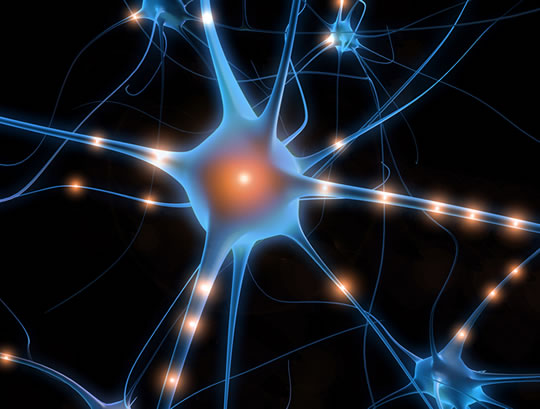

For centuries, a bedrock principle of neuroscience held firm: once the brain reached maturity, its neuronal population was fixed. You were born with a finite number of brain cells, and that was that. Lose them, and they were gone forever. This dogma, reinforced by the eminent Santiago Ramón y Cajal, who famously declared, "Once development was ended, the founts of growth and regeneration of the axons and dendrites dried up irrevocably. In adult centers, the nerve paths are something fixed, ended, immutable. Everything may die, nothing may be regenerated," shaped our understanding of brain injury, aging, and potential for recovery. It was a rather bleak outlook, a biological one-way street.
But science, in its relentless pursuit of truth, often thrives on challenging established wisdom. Over the past few decades, a quiet revolution has unfolded in the world of neuroscience, revealing a truth far more dynamic and hopeful: the adult brain, far from being static, possesses a remarkable capacity for renewal. It can, in fact, grow new brain cells. This process is called neurogenesis, and its discovery has profound implications for everything from mood and memory to our ability to combat cognitive decline. And at the heart of this revolution, surprisingly, lies something as commonplace and accessible as physical movement, particularly cardiovascular exercise.
So, can you actually grow new brain cells through cardio? The answer, unequivocally, is yes. But like any good story, the journey to this understanding is intricate, filled with scientific detective work, fascinating discoveries, and a burgeoning appreciation for the brain’s profound plasticity.
The Paradigm Shift: From Fixed to Flexible
The seeds of neurogenesis were sown long before they truly germinated. As early as the 1960s, Joseph Altman, working with rats, published groundbreaking electron microscopy studies showing evidence of newly formed neurons in the brains of adult animals, specifically in the hippocampus and olfactory bulb. His findings, however, flew in the face of the prevailing dogma and were largely ignored or dismissed as artifacts. The scientific community wasn’t ready to challenge Ramón y Cajal’s formidable legacy.
It wasn’t until the 1980s that the concept truly began to gain traction. Fernando Nottebohm’s elegant studies on canaries demonstrated that adult birds could generate new neurons in brain regions crucial for song learning, and this neurogenesis was linked to their ability to learn new songs seasonally. This provided a compelling functional link, suggesting that neurogenesis wasn’t just happening, but it was important.
Still, the question lingered: did this apply to mammals, particularly humans? The leap from birds to humans was significant, and the prevailing skepticism remained potent. Direct evidence in living humans was, for obvious ethical reasons, impossible to obtain at the time.
The breakthrough for humans came in 1998, when a team led by Peter Eriksson and Fred Gage published a landmark study in Nature Medicine. By examining brain tissue from deceased cancer patients who had been treated with bromodeoxyuridine (BrdU), a marker incorporated into newly synthesized DNA, they found conclusive evidence of newly formed neurons in the hippocampus of adult humans. This was the definitive proof the scientific world had been waiting for. The dogma was shattered. The adult human brain was capable of neurogenesis.
Where the Magic Happens: The Hippocampus and the Dentate Gyrus
While neurogenesis occurs in a few specific niches within the adult brain, the most extensively studied and functionally significant site is the hippocampus, a seahorse-shaped structure deep within the temporal lobe. The hippocampus is a critical player in learning, memory formation (especially episodic and spatial memory), and emotional regulation. Specifically, new neurons are born in a region of the hippocampus called the dentate gyrus (DG), within a narrow band known as the subgranular zone (SGZ).
Here, a specialized population of neural stem cells (NSCs) and progenitor cells reside, akin to dormant seeds waiting for the right conditions to sprout. When activated, these cells embark on a remarkable journey:
- Proliferation: The stem cells divide, creating new cells.
- Migration: These nascent cells move away from their birthplace.
- Differentiation: They mature into specific types of neurons or glial cells (the brain’s support cells).
- Survival: A critical step, as many new cells don’t survive. Only a fraction integrate into existing neural circuits.
- Integration: The surviving neurons extend axons and dendrites, forming synaptic connections with existing neurons, becoming functional members of the hippocampal network.
This intricate process ensures that new neurons aren’t just randomly generated but are carefully woven into the brain’s complex tapestry, ready to contribute to its functions.
The Cardio Connection: A Symphony of Molecular Messengers
Once the existence of adult neurogenesis was confirmed, the scientific spotlight shifted to understanding what factors influenced it. And this is where physical activity, particularly aerobic exercise, enters the stage with a dramatic flourish.
Early animal studies were incredibly compelling. Researchers found that simply giving rodents access to a running wheel dramatically increased neurogenesis in their hippocampus. These "runner" rats showed enhanced learning abilities, better memory, and improved mood compared to their sedentary counterparts. The evidence was clear: exercise was a potent stimulator of new brain cell growth.
But how does cardio, a seemingly peripheral activity, exert such a profound effect on the brain’s deepest recesses? The answer lies in a complex interplay of molecular messengers and physiological changes that collectively create a fertile environment for neurogenesis:
-
Brain-Derived Neurotrophic Factor (BDNF): The Brain’s Fertilizer
If neurogenesis is like planting seeds, then BDNF is the brain’s most potent fertilizer. It’s a protein that belongs to a family of growth factors called neurotrophins. BDNF is crucial for the survival, growth, and differentiation of neurons. It promotes the proliferation of neural stem cells, helps new neurons survive and mature, and enhances synaptic plasticity – the ability of synapses (the connections between neurons) to strengthen or weaken over time.
Cardio exercise, especially consistent aerobic activity, has been shown to significantly increase BDNF levels in the hippocampus and other brain regions. This surge in BDNF acts as a powerful signal, kickstarting the neurogenic cascade and nurturing the newly formed cells. -
Insulin-Like Growth Factor 1 (IGF-1): The Systemic Booster
IGF-1 is a hormone primarily produced in the liver, but it can cross the blood-brain barrier and has significant neurotrophic effects. It promotes cell proliferation, neuronal survival, and myelination (the formation of the protective sheath around nerve fibers). Exercise increases the circulating levels of IGF-1, which then acts on the brain, contributing to the neurogenic response. It works in concert with BDNF, amplifying its effects. -
Vascular Endothelial Growth Factor (VEGF): Building the Infrastructure
Neurogenesis isn’t just about growing new neurons; it’s also about building the necessary support infrastructure. New neurons need a robust blood supply to deliver oxygen and nutrients. VEGF is a potent signaling protein that stimulates angiogenesis, the formation of new blood vessels. Exercise, particularly cardio, increases VEGF levels, leading to an enhanced capillary network in the brain, especially within the hippocampus. This improved blood flow creates a more hospitable environment for new neurons to thrive and integrate. Think of it as building new roads and plumbing for the new houses (neurons) being constructed. -
Fibroblast Growth Factor 2 (FGF-2): A General Growth Promoter
FGF-2 is another neurotrophic factor that plays a role in cell proliferation, differentiation, and survival. It promotes the growth of neural stem cells and helps protect neurons from damage. Similar to other growth factors, its levels are positively influenced by exercise, contributing to the overall neurogenic effect.
Beyond these specific molecular players, cardio also induces a cascade of other beneficial physiological changes:
- Reduced Inflammation: Chronic inflammation is detrimental to brain health and can suppress neurogenesis. Exercise has anti-inflammatory effects, creating a healthier environment for neuronal growth.
- Improved Glucose Metabolism: The brain is a massive consumer of glucose. Exercise improves insulin sensitivity and glucose uptake, ensuring the brain has a steady and efficient energy supply.
- Enhanced Oxygenation: Increased blood flow during exercise delivers more oxygen to the brain, vital for all cellular processes, including neurogenesis.
- Stress Reduction: Chronic stress is a powerful inhibitor of neurogenesis. Exercise is a well-known stress reducer, mitigating the negative impact of stress hormones like cortisol on the hippocampus.
In essence, cardio acts as a systemic orchestrator, coordinating a symphony of biological responses that converge to foster neurogenesis. It’s not just one magic bullet, but a comprehensive biological program that rejuvenates the brain from within.
The Human Evidence: From Corroboration to Causation
While animal studies provide compelling evidence, the ultimate question for humans is whether these findings translate. Direct measurement of neurogenesis in living human brains is, as mentioned, technically and ethically challenging. However, a growing body of indirect evidence strongly corroborates the animal findings.
Human studies typically rely on:
- Cognitive Function Tests: Researchers assess memory, learning, and executive functions before and after exercise interventions. Numerous studies have shown that regular aerobic exercise significantly improves these cognitive domains, particularly tasks related to hippocampal function (e.g., spatial memory, pattern separation). This improvement is precisely what one would expect if neurogenesis were occurring and integrating new neurons into memory circuits.
- Neuroimaging (fMRI, structural MRI): Functional MRI (fMRI) can detect changes in brain activity patterns. Structural MRI can measure changes in brain volume. Studies have shown that aerobic exercise can increase hippocampal volume in older adults, a phenomenon often associated with increased neurogenesis and dendritic branching (the growth of connections between neurons).
- Blood Biomarkers: Measuring levels of BDNF and other growth factors in the blood after exercise provides a strong proxy for their activity in the brain, given their ability to cross the blood-brain barrier.
- Longitudinal Studies: Following individuals over many years, researchers observe that those who engage in regular physical activity exhibit slower rates of age-related cognitive decline and a reduced risk of neurodegenerative diseases. While not direct proof of neurogenesis, these long-term benefits align perfectly with the idea of a more resilient, plastic brain maintained by ongoing neuronal renewal.
For instance, a groundbreaking study published in PNAS showed that aerobic exercise training increased the size of the anterior hippocampus, leading to improvements in spatial memory, in older adults. This structural change, coupled with functional improvements, provides powerful indirect evidence for exercise-induced neurogenesis and its functional significance in humans.
The Functional Implications: Why New Neurons Matter
So, we can grow new brain cells. That’s fascinating, but what does it actually do for us? The functional implications of exercise-induced neurogenesis are vast and incredibly promising:
-
Enhanced Learning and Memory: New neurons in the dentate gyrus are thought to play a crucial role in "pattern separation," the ability to distinguish between similar but distinct memories (e.g., remembering where you parked your car today versus yesterday, even if it’s the same parking lot). This allows for more precise and distinct memory formation. Exercise, by boosting neurogenesis, can sharpen this ability, making us better learners and more efficient at recalling information.
-
Mood Regulation and Resilience: The hippocampus is intimately involved in mood regulation. Dysfunctions in hippocampal neurogenesis have been linked to mood disorders like depression and anxiety. Antidepressants, interestingly, often stimulate neurogenesis. Exercise, through its neurogenic effects, can act as a natural antidepressant and anxiolytic (anxiety-reducing agent), improving mood and increasing resilience to stress. The feeling of well-being after a good run isn’t just psychological; it has a tangible biological basis in the brain’s capacity for renewal.
-
Combating Cognitive Decline and Neurodegenerative Diseases: As we age, neurogenesis naturally declines. This decline is thought to contribute to age-related memory impairment and increased vulnerability to neurodegenerative conditions like Alzheimer’s and Parkinson’s disease. By consistently engaging in cardio, we can potentially counteract this age-related decline, maintaining a more youthful and functional hippocampus. While exercise is not a cure for these devastating diseases, it is increasingly recognized as a powerful preventative measure and a means to build "cognitive reserve," making the brain more resilient to pathological changes.
-
Increased Brain Plasticity: Neurogenesis is a powerful manifestation of brain plasticity – the brain’s ability to reorganize itself by forming new neural connections throughout life. By fostering neurogenesis, exercise helps maintain a more plastic, adaptable brain, better equipped to learn new skills, recover from injury, and navigate the complexities of a changing world.
Nuances, Caveats, and the Road Ahead
While the evidence for exercise-induced neurogenesis is compelling, it’s important to approach the topic with a nuanced understanding.
- It’s Not a Magic Bullet: Neurogenesis is influenced by a multitude of factors, not just exercise. Sleep quality, nutrition (e.g., omega-3 fatty acids, flavonoids), stress levels, social interaction, and cognitive stimulation all play critical roles. A holistic approach to brain health is always best.
- Survival and Integration are Key: Generating new neurons is only half the battle. A significant percentage of newly born neurons die before they can fully integrate into existing circuits. The challenge for future research is to understand how to optimize the survival and functional integration of these new cells. Cognitive stimulation and learning, coupled with exercise, appear to be crucial for this integration phase.
- Optimal "Dose" and Type of Exercise: While aerobic exercise is a consistent stimulator of neurogenesis, the optimal intensity, duration, and frequency are still being actively researched. Is HIIT (High-Intensity Interval Training) better than moderate steady-state cardio? Does resistance training also contribute? Emerging evidence suggests that a combination of different exercise types might be most beneficial, but aerobic exercise remains the strongest driver of hippocampal neurogenesis.
- Individual Variability: Genetic predispositions, age, baseline fitness levels, and overall health status can all influence an individual’s neurogenic response to exercise. What works optimally for one person might be different for another.
- Direct Human Evidence: While strong indirect evidence exists, obtaining direct, non-invasive evidence of neurogenesis in living human brains remains a frontier in neuroscience. Advances in imaging techniques or novel biomarkers may one day provide this definitive proof.
The future of neurogenesis research is incredibly exciting. Scientists are exploring how to harness the power of neurogenesis therapeutically, perhaps through pharmacological interventions that mimic or enhance the effects of exercise, or by combining exercise with targeted therapies for conditions like depression, PTSD, or neurodegenerative diseases. The goal is to not just slow decline but to actively promote repair and regeneration.
Conclusion: The Power of Movement, The Promise of Renewal
The journey from a fixed, immutable brain to one capable of continuous renewal is one of the most remarkable stories in modern science. The discovery of adult neurogenesis has fundamentally reshaped our understanding of brain plasticity, offering a beacon of hope for maintaining cognitive vitality throughout life and even potentially recovering from neurological insults.
At the heart of this transformative understanding lies the profound, yet elegantly simple, power of movement. Cardiovascular exercise, through its intricate dance of molecular messengers and systemic benefits, acts as a potent catalyst for neurogenesis, literally helping us grow new brain cells. It’s a testament to the interconnectedness of our bodies and minds, demonstrating that the health of one profoundly influences the other.
So, the next time you lace up your running shoes, hop on a bike, or take a brisk walk, remember that you’re not just improving your cardiovascular health or shedding a few pounds. You’re actively cultivating a secret garden within your brain, planting the seeds of new neurons, nurturing their growth, and weaving them into the very fabric of your memory, mood, and cognitive resilience. You are, quite literally, building a better brain, one step at a time. The power to renew and regenerate is within us, waiting to be unleashed by the simple, profound act of moving.