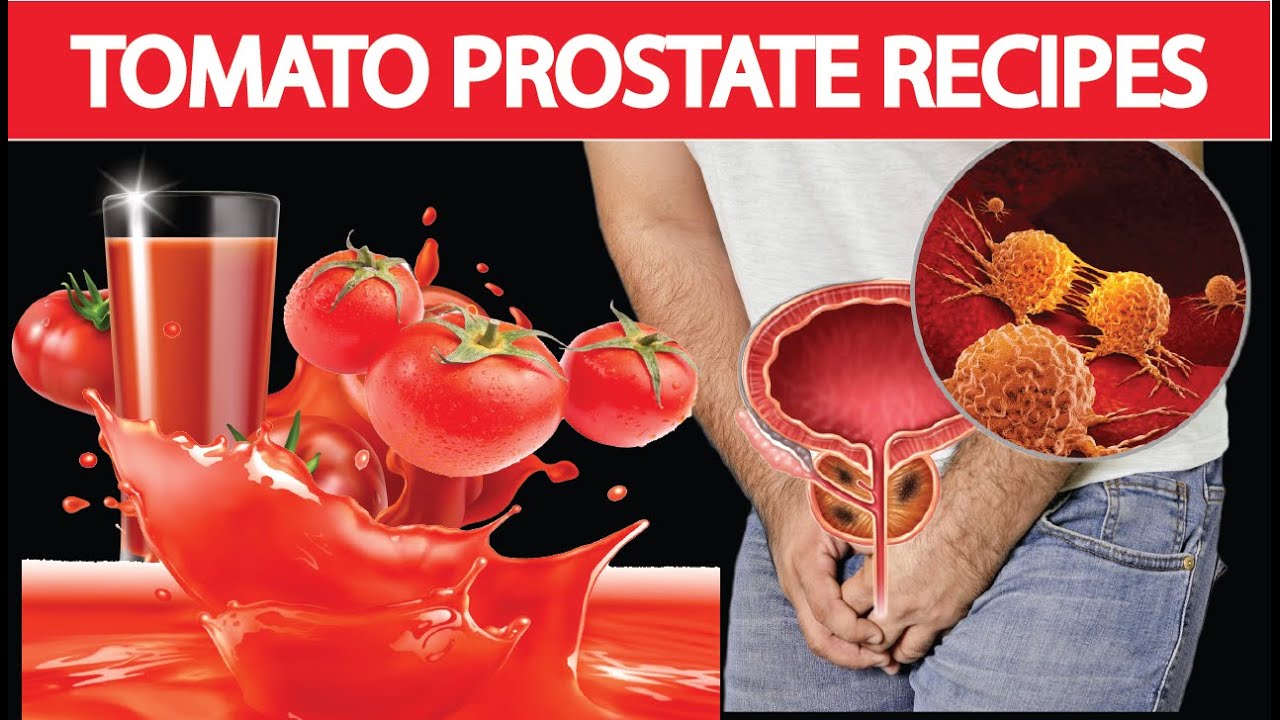

The prostate. For many men, it remains an elusive, often ignored gland until its presence is announced by discomfort, urgency, or, in graver instances, a diagnosis that shakes the very foundation of their well-being. Nestled beneath the bladder, encircling the urethra, this walnut-sized organ plays a crucial role in male reproductive health, contributing fluid to semen. Yet, as men age, this diligent little gland often becomes a source of concern, grappling with issues ranging from benign prostatic hyperplasia (BPH) to prostatitis and, most significantly, prostate cancer – a disease that touches millions globally.
For centuries, humanity has sought elixirs and panaceas, often overlooking the profound wisdom inherent in the very soil beneath our feet. We’ve chased synthetic cures, marveling at the marvels of modern medicine, while sometimes forgetting the fundamental truth that our bodies are intricately linked to the natural world. This is a story about rediscovering such wisdom, about an ancient fruit, a simple culinary act, and the remarkable alchemy that transforms a common ingredient into a potent ally for prostate health. It’s a story that unfolds not in laboratories alone, but in kitchens, in gardens, and in the quiet understanding that the path to longevity often begins with what we choose to nourish ourselves with.
Our protagonist in this tale is the humble tomato, Solanum lycopersicum. But not just any tomato, and not consumed in just any way. This is the story of the cooked tomato, an unassuming culinary transformation that unlocks a hidden treasure, turning a garden staple into a powerful guardian of prostate integrity. It’s a narrative woven from epidemiological observations, molecular biology, and the enduring human quest for health, all seasoned with the rich, savory notes of a simmering sauce.
The Prostate: A Silent Workhorse and Its Modern Vulnerabilities
Before we delve into the tomato’s magic, let’s spend a moment understanding the organ it aims to protect. The prostate gland is an exocrine gland, meaning it secretes substances outside the body, in this case, into the urethra. Its primary function is to produce prostatic fluid, a milky, slightly acidic fluid that constitutes about 20-30% of the total volume of semen. This fluid contains enzymes, citric acid (a nutrient for sperm), and prostate-specific antigen (PSA), which helps liquefy the ejaculate, allowing sperm to swim freely. Crucially, the prostate is also a hormone-responsive organ, influenced by androgens, particularly dihydrotestosterone (DHT), a potent derivative of testosterone. This hormonal sensitivity is key to understanding both its normal function and its susceptibility to disease.
As men age, the prostate faces several common challenges:
- Benign Prostatic Hyperplasia (BPH): This non-cancerous enlargement of the prostate affects over half of men in their 60s and up to 90% of men in their 70s and 80s. As the gland grows, it can compress the urethra, leading to bothersome urinary symptoms like frequent urination, urgency, weak stream, and incomplete bladder emptying. While not life-threatening, BPH significantly impacts quality of life.
- Prostatitis: Inflammation of the prostate, which can be acute or chronic, bacterial or non-bacterial. It often causes pain in the pelvic area, groin, or genitals, along with urinary symptoms and sometimes fever.
- Prostate Cancer: This is the most common non-skin cancer among men and the second leading cause of cancer death in men in many Western countries. The lifetime risk for men is about 1 in 8, though for most, it’s a slow-growing cancer. However, aggressive forms exist, making early detection and prevention critical.
The conventional approach to these conditions has often been reactive: medication for BPH, antibiotics for prostatitis, surgery, radiation, or hormone therapy for cancer. However, a growing body of evidence, bolstered by a more holistic understanding of health, points towards the profound role of lifestyle and diet in preventing or mitigating the progression of these issues. It is within this proactive paradigm that the cooked tomato finds its distinguished place.
Lycopene: The Crimson Crusader
At the heart of the tomato’s prostate-protective prowess lies a vibrant red pigment called lycopene. Belonging to the family of carotenoids, which are natural pigments responsible for the bright red, orange, and yellow colors in fruits and vegetables, lycopene is unique. Unlike beta-carotene, which the body can convert to Vitamin A, lycopene does not possess Vitamin A activity. Its power lies elsewhere: as an exceptionally potent antioxidant.
Imagine your body as a complex machine constantly under attack. Daily metabolic processes, exposure to environmental toxins (pollution, cigarette smoke), UV radiation, and even stress generate unstable molecules known as free radicals. These highly reactive molecules, with their unpaired electrons, wreak havoc by stealing electrons from stable molecules in your cells, leading to oxidative stress. This stress damages cellular components like DNA, proteins, and lipids, contributing to aging, inflammation, and the initiation and progression of chronic diseases, including various cancers.
Lycopene, with its unique chemical structure featuring an extended system of conjugated double bonds, is an incredibly efficient scavenger of these free radicals, particularly singlet oxygen, a highly reactive form of oxygen. By neutralizing free radicals, lycopene helps to protect cells from damage, preserving their integrity and function. In the context of the prostate, where oxidative stress and chronic inflammation are implicated in the development of BPH and prostate cancer, lycopene’s antioxidant capacity is a critical line of defense.
The Alchemist’s Fire: Why Cooking Matters
Here’s where the story takes a fascinating turn, where the simple act of heating transforms a good food into a great one for prostate health. For many nutrients, raw consumption is often touted as superior. But for lycopene, the opposite is true. The revelation that cooking tomatoes significantly enhances lycopene’s bioavailability was a game-changer in nutritional science.
Bioavailability refers to the proportion of a nutrient that is absorbed from the diet and used for normal body functions. In raw tomatoes, lycopene is tightly bound within the fruit’s fibrous cell walls and exists predominantly in its trans-isomer form. The human digestive system, particularly its enzymatic machinery, struggles to efficiently break down these tough plant cell walls and extract the lycopene.
Enter the heat. When tomatoes are cooked, something remarkable happens:
- Cell Wall Breakdown: Heat effectively softens and breaks down the rigid cell walls of the tomato. This mechanical disruption liberates the lycopene from its cellular matrix, making it much more accessible for absorption in the gut.
- Isomerization: Lycopene exists in several structural forms, or isomers. The predominant form in raw tomatoes is all-trans-lycopene, a relatively straight and rigid molecule. When subjected to heat, a portion of this all-trans-lycopene undergoes a conformational change, converting into cis-isomers (e.g., 5-cis-lycopene). While all-trans-lycopene is still important, cis-isomers, with their bent structures, are thought to be more soluble and thus more readily absorbed by the human body. Think of it like bending a stiff pipe to fit through a narrow opening.
- The Role of Fat: Lycopene, like all carotenoids, is fat-soluble. This means it requires dietary fat for optimal absorption. When you cook tomatoes, particularly in dishes that incorporate healthy fats like olive oil (think classic Italian sauces), the fat acts as a vehicle, facilitating the transport of lycopene across the intestinal wall into the bloodstream. The fat helps form micelles, tiny structures that carry fat-soluble compounds, allowing them to be absorbed.
Studies have consistently shown that lycopene from cooked tomato products – sauces, paste, soups, and juice – is two to five times more bioavailable than lycopene from raw tomatoes. This isn’t to say raw tomatoes are without value; they offer other heat-sensitive nutrients like Vitamin C. But for maximizing lycopene’s prostate-protective effects, cooking is the undisputed champion. The simmering pot, therefore, becomes an alchemist’s crucible, transforming a simple fruit into a powerful elixir.
The Mechanisms of Protection: How Lycopene Works Its Magic
The story deepens as we explore the intricate ways lycopene, once absorbed, wields its influence within the body, particularly within the prostate gland. Its protective mechanisms are multifaceted, extending beyond mere antioxidant activity: