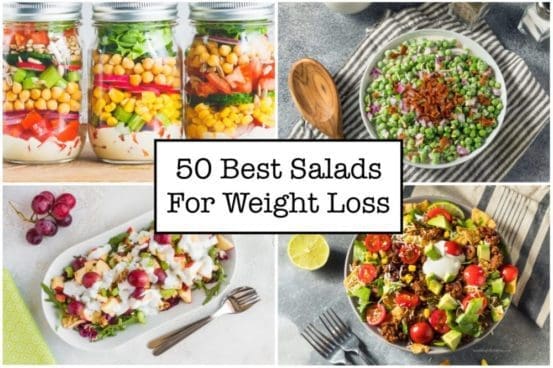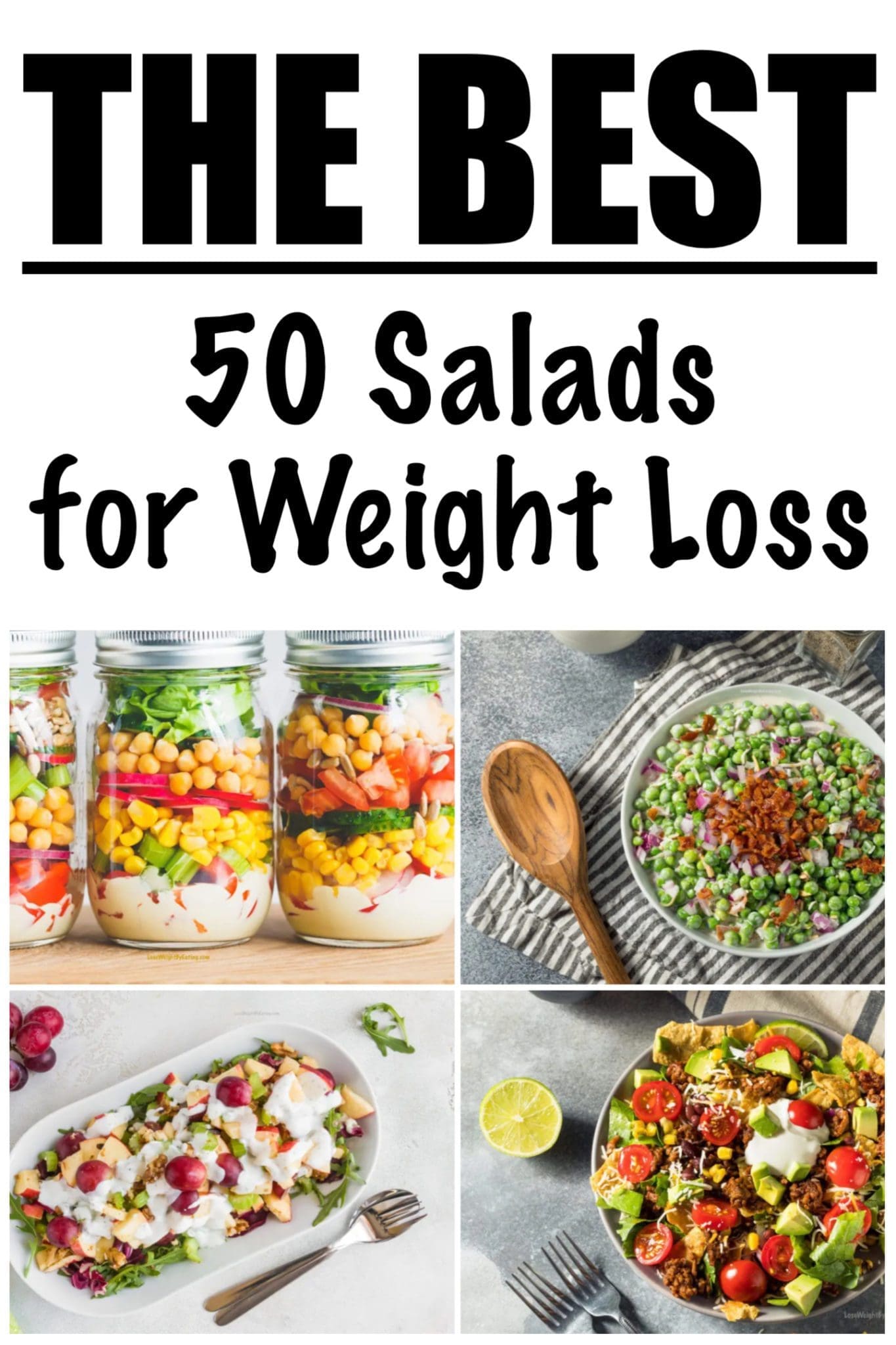

In a world perpetually fixated on reduction, restriction, and the austere discipline of "eating less," the very notion of consuming more food to achieve weight loss feels almost heretical. It challenges the deeply ingrained dogma that equates calorie scarcity with a shrinking waistline. Yet, for the knowledgeable individual who has navigated the cyclical frustrations of conventional dieting, the paradox holds a profound, liberating truth: sustainable weight loss is not about deprivation, but about intelligent abundance. And at the heart of this paradigm shift lies a deceptively simple, yet infinitely powerful culinary vehicle: the strategically crafted salad.
This isn’t the story of the sad, wilting iceberg lettuce with a solitary tomato wedge, drenched in a calorie-laden dressing that sabotages its meager nutritional intentions. This is the narrative of the power salad – a symphony of textures, flavors, and nutrient density, meticulously engineered to trigger deep satiety, nourish at a cellular level, and fundamentally rewire the body’s hunger signals, all while facilitating a graceful, sustainable descent into a leaner, more vibrant state.
Deconstructing the Diet Dogma: The Myth of Less
For decades, the weight loss industry has peddled a simple, often brutal, equation: calories in versus calories out. While fundamentally true in a simplistic thermodynamic sense, this reductionist view ignores the intricate biological and psychological tapestry of human appetite and metabolism. The "eat less" mandate often translates into a constant battle against one’s own physiology.
When we drastically cut calories without addressing nutrient density, our bodies enter a state of perceived famine. Ghrelin, the "hunger hormone," surges, screaming for sustenance. Leptin, the "satiety hormone," diminishes, unable to signal fullness effectively. Metabolism slows in a desperate attempt to conserve energy. Psychologically, the constant deprivation leads to obsession with food, heightened cravings, and an almost inevitable rebound effect where willpower eventually crumbles, often resulting in consuming far more than was initially "saved." This is the story countless individuals live, caught in a purgatorial cycle of dieting, brief success, and disheartening regain.
The critical flaw in this approach is its failure to distinguish between energy density and nutrient density. A handful of potato chips might pack the same caloric punch as a substantial bowl of vegetables, but their impact on satiety, blood sugar, and overall nutritional status is worlds apart. The chips offer empty calories, spiking blood sugar, providing transient pleasure, and leaving the body nutritionally bereft and quickly hungry again. The vegetables, on the other hand, deliver a wealth of vitamins, minerals, fiber, and water, filling the stomach, stabilizing blood sugar, and signaling deep satisfaction to the brain, even at a lower caloric cost.
The true path to sustained weight loss, therefore, isn’t about eating less food, but about eating more of the right food. It’s about leveraging the inherent intelligence of our bodies, working with our hunger and satiety mechanisms, rather than against them. And this is where the power salad emerges as a protagonist in our narrative of abundance.
The Science of Satiety: Why Salads Win the Hunger Game
The strategic salad’s ability to promote weight loss while allowing for generous consumption isn’t magic; it’s a masterful orchestration of several scientific principles that profoundly influence satiety:
-
Volume and Water Content: This is the most immediate and visceral mechanism. Vegetables, the backbone of any robust salad, are predominantly water. Water adds significant bulk and weight to food without adding calories. When you consume a large volume of water-rich, fibrous vegetables, your stomach distends. This physical stretching triggers mechanoreceptors in the stomach lining, sending signals to the brain (via the vagus nerve) that you are full. A large salad, though low in calories, can physically fill the stomach far more effectively than a calorically equivalent, but much smaller, portion of energy-dense processed foods.
-
Fiber Powerhouse: The diverse array of vegetables, legumes, and whole grains in a well-constructed salad delivers an unparalleled dose of both soluble and insoluble fiber.
- Soluble fiber (found in oats, beans, lentils, carrots, apples) dissolves in water to form a gel-like substance. This gel slows down gastric emptying, meaning food stays in your stomach longer, prolonging feelings of fullness. It also helps stabilize blood sugar by slowing the absorption of glucose, preventing the rapid spikes and crashes that often trigger subsequent hunger and cravings. Furthermore, soluble fiber is a prebiotic, feeding beneficial gut bacteria, which in turn produce short-chain fatty acids (SCFAs) like butyrate, impacting metabolism and satiety signaling.
- Insoluble fiber (found in leafy greens, whole grains, nuts, seeds) adds bulk to stool and promotes regularity. While it doesn’t form a gel, its physical presence contributes to the overall volume and texture of the meal, enhancing mechanical satiety.
-
Chewing and Oral Processing: The very act of eating a substantial salad requires more chewing and oral processing than, say, a highly processed meal replacement shake or soft, refined carbohydrates. This extended chewing time is not merely incidental; it’s a critical component of satiety. The longer we chew, the more time we give our brains to register the act of eating and the incoming nutrients. This oral processing triggers a cascade of hormonal responses, including the release of satiety hormones like cholecystokinin (CCK) and peptide YY (PYY), which signal fullness to the brain.
-
Nutrient Density without Calorie Density: One of the insidious causes of persistent hunger, often termed "hidden hunger," is nutrient deficiency. Our bodies are incredibly intelligent; they will continue to signal hunger, even after calorie consumption, if they are not receiving the essential vitamins, minerals, and phytonutrients they need to function optimally. A well-designed salad is a micronutrient powerhouse, brimming with antioxidants, vitamins (A, C, K, folate), and minerals (potassium, magnesium, iron). By satisfying these fundamental nutritional requirements, salads can quiet the body’s deeper, evolutionary drive for nutrients, leading to a more profound and lasting sense of satisfaction that extends beyond mere stomach fullness.
-
The Essential Macros: Protein and Healthy Fats: While often overlooked in the "salad equals rabbit food" stereotype, the strategic salad is an ideal vehicle for delivering adequate amounts of protein and healthy fats – two macronutrients crucial for satiety. Protein is the most satiating macronutrient, requiring more energy to digest and metabolize, and stimulating the release of satiety hormones. Healthy fats, while calorie-dense, are vital for nutrient absorption (especially fat-soluble vitamins like A, D, E, K), hormone production, and slowing down gastric emptying, contributing to sustained fullness. The art of the power salad lies in integrating these elements wisely.
Beyond the Iceberg Lettuce: Crafting the Strategic Salad
The journey from a flimsy side dish to a transformative main meal requires a thoughtful, layered approach. Here, we build the strategic salad piece by piece, understanding the role of each component in the grand narrative of satiety and weight loss.
1. The Foundation First: The Greens (The Unsung Heroes)
Forget the pale, nutrient-poor iceberg lettuce. Our story begins with a generous, vibrant base of dark, leafy greens. These are the unsung heroes, providing maximum micronutrient density with minimal caloric impact.
- Spinach: Rich in iron, folate, and vitamins A, C, and K. Its mild flavor makes it versatile.
- Kale: A nutritional powerhouse, boasting vitamins A, C, K, manganese, and a substantial amount of fiber. Its robust texture holds up well to dressings.
- Romaine Lettuce: Crispy, hydrating, and a good source of vitamins A and K.
- Mixed Greens/Spring Mix: Offers a diverse range of nutrients and textures, from peppery arugula to tender butter lettuce.
- Arugula: Adds a peppery bite and is rich in glucosinolates, compounds with potential anti-cancer properties.
Aim for at least two to three large handfuls as your starting point. This establishes the essential volume and nutrient base.
2. The Powerhouse Proteins: Sustained Satiety
Protein is non-negotiable for a weight-loss salad. It preserves lean muscle mass during caloric deficit, boosts metabolism, and is the single most satiating macronutrient.
- Lean Animal Proteins:
- Grilled Chicken or Turkey Breast: Versatile, lean, and easily prepared. Season generously.
- Fish: Grilled salmon (omega-3s!), tuna (packed in water or olive oil), cod, shrimp.
- Hard-Boiled Eggs: A convenient, complete protein source.
- Plant-Based Proteins:
- Legumes: Black beans, chickpeas, lentils (canned, rinsed, and drained are perfect for convenience). These also add a significant fiber boost.
- Tofu or Tempeh: Marinated and baked/sautéed for flavor and texture.
- Edamame: A complete protein, delicious shelled.
Target 4-6 ounces (100-170g) of cooked protein per serving to ensure lasting fullness.
3. Fiber Fiesta: Non-Starchy Vegetables (The Rainbow Effect)
This is where the salad truly comes alive, both visually and nutritionally. Aim for a vibrant spectrum of colors, indicating a diverse array of phytonutrients and antioxidants. These add volume, crunch, and a wealth of vitamins and minerals without significant calories.
- Cruciferous Vegetables: Broccoli florets, cauliflower florets, shredded cabbage, Brussels sprouts (roasted or raw, thinly sliced).
- Bell Peppers: Red, yellow, orange, green – excellent source of Vitamin C and antioxidants.
- Cucumbers: Hydrating and crunchy.
- Carrots: Shredded or sliced, adds sweetness and Vitamin A.
- Tomatoes: Cherry or chopped, lycopene-rich.
- Radishes: Adds a peppery kick and crunch.
- Mushrooms: Sliced, adds umami flavor and texture.
- Asparagus, Zucchini, Green Beans: Lightly steamed or roasted, then chilled.
Don’t be shy here. Load up on at least 3-5 different types of non-starchy vegetables. Variety is key to preventing boredom and maximizing nutrient intake.
4. Smart Carbs: The Energy Boost (Portion Awareness)
While the focus is on low-calorie density, a small, strategic inclusion of complex carbohydrates can provide sustained energy and further enhance satiety, especially if the salad is a main meal. This is where mindful portion control becomes paramount.
- Whole Grains: Quinoa, farro, bulgur, or a small scoop of brown rice.
- Roasted Sweet Potato: Cubed and roasted, adds sweetness and complex carbs.
- Corn: A small amount of fresh or frozen (thawed) corn.
- Whole-Wheat Pasta (very sparingly): If you absolutely crave pasta, a tiny portion.
Limit these to about ¼ to ½ cup cooked. This provides enough energy without turning your salad into a carb-heavy calorie bomb.
5. The Healthy Fat Factor: Flavor and Extended Satiety
Healthy fats are essential for satiety, hormone production, and the absorption of fat-soluble vitamins from your vegetables. However, they are also calorie-dense, so conscious portioning is crucial.
- Avocado: ¼ to ½ an avocado, sliced or diced. Provides monounsaturated fats and creaminess.
- Nuts: Almonds, walnuts, pecans, pistachios. A small handful (approx. 1 oz or 28g).
- Seeds: Chia seeds, flax seeds, pumpkin seeds, sunflower seeds. A tablespoon or two. Offer omega-3s, fiber, and minerals.
These additions contribute significantly to the mouthfeel and satisfaction, preventing you from feeling deprived.
6. Flavor Bombs & Accents: Elevating the Experience
These are the elements that transform a nutritious meal into a culinary delight, making it something you genuinely look forward to eating.
- Fresh Herbs: Cilantro, parsley, basil, mint, dill. Chop generously and add for bursts of freshness.
- Spices: A sprinkle of chili flakes, cumin, smoked paprika, or garlic powder.
- Citrus Zest: Lemon or lime zest adds brightness.
- Fermented Vegetables: A small scoop of sauerkraut or kimchi adds tang, crunch, and beneficial probiotics for gut health.
- Small Amounts of Cheese: Feta, goat cheese, or a sprinkle of Parmesan. Use sparingly (1-2 tablespoons) for flavor, not as a main component.
- Olives: A few sliced olives add healthy fats and savory notes.
- Pickled Onions/Jalapeños: Adds a delightful tang and crunch.
These accents provide layers of flavor that keep the palate engaged and prevent boredom, a common pitfall in any dietary change.
The Dressing Dilemma: Friend or Foe?
The dressing is often the unsung saboteur of an otherwise healthy salad. Many commercially prepared dressings are laden with hidden sugars, unhealthy trans fats, excessive sodium, and artificial ingredients. They can easily add hundreds of empty calories, turning your virtuous salad into a caloric equivalent of a fast-food burger.
The story of successful weight loss with salads requires taking control of the dressing.
Making Your Own: The Ultimate Control
This is the golden rule. Crafting your own dressing ensures you know exactly what goes into it and allows for customization to your taste preferences and dietary needs.
- Healthy Fat Base: Extra virgin olive oil, avocado oil, or flaxseed oil. These provide healthy monounsaturated or polyunsaturated fats.
- Acid Component: Fresh lemon juice, lime juice, apple cider vinegar, balsamic vinegar, red wine vinegar. Acids cut through richness and brighten flavors.
- Flavor Boosters: Dijon mustard, minced garlic, shallots, fresh or dried herbs (oregano, basil, thyme), black pepper, a pinch of sea salt, a tiny touch of natural sweetener like maple syrup or honey if desired (but be mindful of sugar content).
- Creaminess (Optional, with caution): A small amount of plain Greek yogurt, tahini, or blended avocado can create creamy dressings without heavy cream.
Portion Control, Even with Healthy Dressings:
Even the healthiest olive oil-based dressing is calorie-dense. A general guideline is 1-2 tablespoons per large salad. A clever trick is the "dip and dress" method: pour your dressing into a small container, dip your fork into the dressing, then into your salad. This ensures every bite gets flavor without drenching the entire bowl.
Alternative "Dressings":
Sometimes, you don’t even need a traditional dressing.
- Salsa: A fresh, flavorful, and low-calorie option.
- Hummus: A dollop of hummus can add creaminess and protein (use sparingly due to calorie density).
- Mashed Avocado: Blended with lime juice and spices, it can create a rich, satisfying "dressing."
The Mindset Shift: From Diet Food to Culinary Delight
The success of integrating strategic salads into a weight-loss journey isn’t just about the physical components; it’s profoundly about a shift in mindset. If you perceive salads as "diet food" – a punishment or a necessary evil – your adherence will be fleeting. The narrative must evolve from restriction to empowerment, from blandness to culinary adventure.
-
Embrace Variety and Experimentation: Boredom is the enemy of sustainability. Don’t eat the same salad every day. Leverage seasonal ingredients. Explore different cuisines for inspiration: a Mediterranean-inspired salad with chickpeas and feta, an Asian-style salad with edamame and a ginger-sesame dressing, a Mexican-inspired salad with black beans and salsa. The possibilities are endless.
-
Meal Prep Strategy: Make it easy to choose the healthy option. Dedicate time once or twice a week to prep salad components: wash and chop greens, roast vegetables, cook grains, grill chicken, make a batch of dressing. Store components separately, then assemble your power salad fresh before eating. This eliminates decision fatigue and the temptation to grab less nutritious alternatives.
-
Listen to Your Body: As you consistently consume these nutrient-dense, satiating meals, you’ll find your body’s hunger signals become clearer and more accurate. You’ll learn to distinguish genuine physical hunger from emotional eating or cravings born of nutrient deficiency. Trust this innate wisdom.
-
Patience and Consistency: Weight loss is not a sprint; it’s a marathon. There will be days when adherence is challenging. Forgive yourself, learn from it, and return to your strategic salad approach. Consistency, not perfection, is the key to long-term success.
Potential Pitfalls and How to Avoid Them
Even with the best intentions, the "salad story" can take a wrong turn. Awareness of common pitfalls is crucial for success.
- The "Salad Bar Syndrome": The seemingly healthy salad bar can be a minefield. Watch out for:
- Fried toppings: Crispy chicken, fried onions, tortilla strips.
- Excessive cheese: A sprinkle is fine, a mountain is not.
- Creamy pasta or potato salads: These are often high in calories and unhealthy fats.
- Sugary dried fruits: Candied pecans, cranberries with added sugar.
- Croutons: Usually refined carbs and unhealthy fats.
- Insufficient Protein/Fat: If your salad leaves you hungry an hour later, it likely lacked enough protein and healthy fats. Re-evaluate your portions.
- Boredom/Repetition: As mentioned, variety is vital. Plan different salad themes.
- Hidden Sugars in Dressings: Always read labels or, better yet, make your own.
- Not Enough Volume: A small, anemic salad won’t trigger satiety. Go big on greens and non-starchy vegetables.
- Overdoing Healthy Fats: While good for you, avocado, nuts, and seeds are calorie-dense. Stick to recommended serving sizes.
The solution to these pitfalls lies in mindful preparation and conscious choices. Every component tells a part of the story, and each must align with the goal of eating more to lose weight.
The Story of Transformation: Beyond the Scale
Embracing the strategic salad is more than just a weight-loss tactic; it’s a profound shift in one’s relationship with food and body. The story culminates not just in a smaller dress size, but in a holistic transformation:
- Increased Energy: Fueling your body with nutrient-dense foods provides sustained energy levels, banishing the post-meal slump.
- Improved Digestion: The high fiber content promotes a healthy gut microbiome and regular bowel movements, reducing bloating and discomfort.
- Enhanced Mood and Mental Clarity: Stable blood sugar and abundant micronutrients support brain health, reducing irritability and improving focus.
- Sustainable Habits: This isn’t a temporary diet; it’s a template for a lifetime of abundant, nourishing eating. You learn to satisfy your hunger rather than constantly battling it.
- A Deeper Appreciation for Food: You discover the incredible versatility and deliciousness of whole, unprocessed ingredients. Cooking and eating become acts of self-care and creativity.
The narrative arc begins with the struggle against restrictive diets, moves through the scientific understanding of satiety and nutrient density, meticulously builds the framework of the power salad, addresses the practicalities and pitfalls, and ultimately arrives at a destination of sustainable health and well-being.
The journey of weight loss, often portrayed as a grueling test of willpower and self-denial, can instead be a delightful exploration of abundance. By mastering the art of the strategic salad, we rewrite our personal diet stories, trading deprivation for deliciousness, scarcity for satiety, and the constant battle against hunger for a harmonious, nourishing path to a leaner, more vibrant life. So, eat more, savor deeply, and watch your body gracefully transform, one abundant, satisfying salad at a time.