
In the grand tapestry of human health, there are countless threads interwoven – genetics, lifestyle, environment. But few threads hold as much power over the longevity and vitality of our most crucial organ, the heart, as the simple, often overlooked dietary component known as soluble fiber. It’s a quiet hero, working diligently behind the scenes, transforming the mundane into the magnificent, turning a humble bowl of oatmeal into a daily act of profound self-care.
Imagine your heart, a tireless pump, beating an average of 100,000 times a day, circulating life-giving blood to every cell in your body. It’s a marvel of engineering, yet it’s incredibly vulnerable to modern lifestyle diseases. Cardiovascular disease remains the leading cause of death globally, a stark reminder that while our hearts are resilient, they are not invincible. But what if there was a simple, delicious, and incredibly effective strategy to bolster its defenses, to keep its rhythm strong and its vessels clear? This is where soluble fiber steps onto the stage, and why your heart, unbeknownst to you, might just be craving that bowl of oatmeal every morning.
This isn’t just a nutritional fact sheet; it’s a story. A story of microscopic battles and alliances within your digestive tract, of biochemical magic that reverberates throughout your entire system, and of the profound impact a seemingly insignificant dietary choice can have on your most vital organ. We’ll journey into the intricate world of fiber, unraveling its mysteries, celebrating its champions, and ultimately, empowering you to make a choice that could redefine the health trajectory of your heart.
The Unsung Hero: What Exactly is Soluble Fiber?
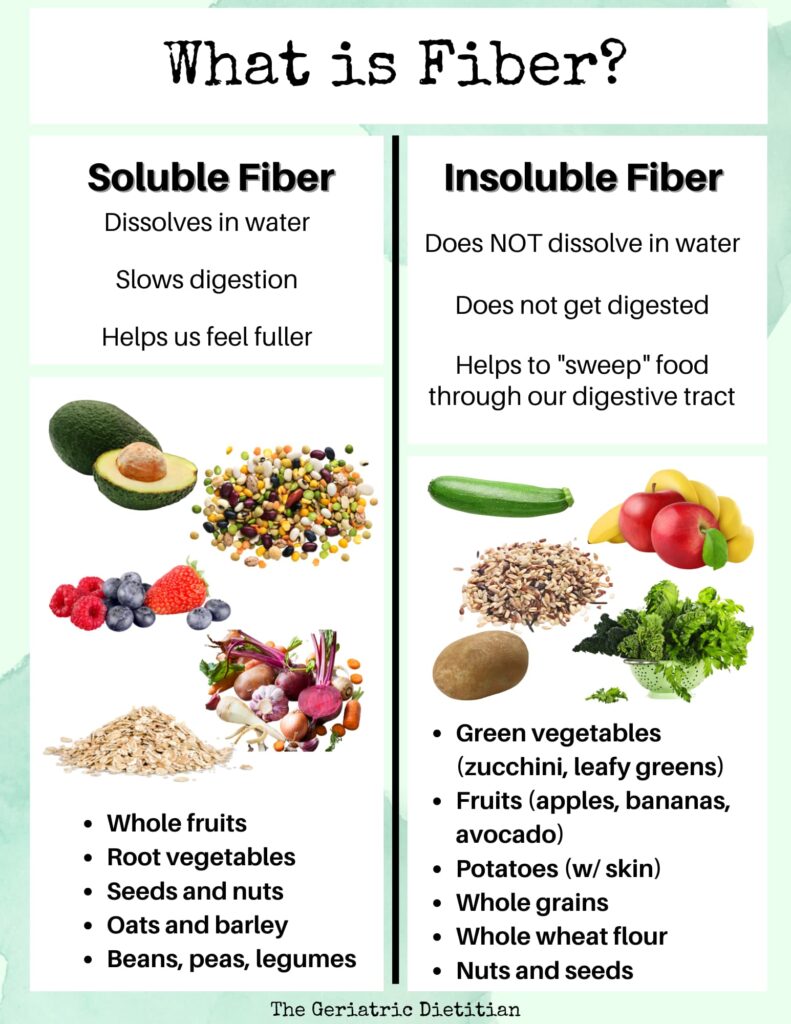
Before we delve into the heart-specific magic, let’s demystify fiber itself. Dietary fiber is a type of carbohydrate found in plant foods that our bodies cannot digest. Unlike fats, proteins, and other carbohydrates that are broken down and absorbed, fiber largely passes through our digestive system intact. It’s often categorized into two main types: insoluble and soluble.
Insoluble fiber, often called "roughage," doesn’t dissolve in water. It acts like a broom, adding bulk to your stool and helping food move through your digestive system more quickly. Think of the tough skins of fruits, the outer layers of whole grains, or the strings in celery. It’s crucial for preventing constipation and promoting regular bowel movements.
Soluble fiber, our star player, is different. As its name suggests, it dissolves in water, forming a viscous, gel-like substance. This transformation is key to its myriad health benefits. When you add water to oats, for instance, you see this gel-forming property in action as they thicken into a creamy porridge. This gel is not merely a textural curiosity; it’s a biological powerhouse, slowing down digestion, binding to undesirable compounds, and feeding the microscopic residents of your gut.
Common sources of soluble fiber include oats, barley, psyllium, legumes (beans, lentils, peas), apples, citrus fruits, carrots, and chia seeds. While all fiber is beneficial, it’s the unique properties of soluble fiber that make it an unparalleled ally for your cardiovascular system.
The Cholesterol Conundrum: Soluble Fiber’s Direct Intervention
One of the most well-documented and celebrated benefits of soluble fiber is its remarkable ability to lower blood cholesterol levels, particularly the dreaded low-density lipoprotein (LDL) cholesterol – often dubbed "bad" cholesterol. High LDL levels are a primary driver of atherosclerosis, the hardening and narrowing of arteries that can lead to heart attacks and strokes.
How does a simple dietary component achieve such a significant feat? The mechanism is elegantly simple yet profoundly effective:
- Bile Acid Binding: Our liver produces bile acids, which are essential for digesting fats in the small intestine. These bile acids are made from cholesterol. After aiding in digestion, most bile acids are reabsorbed into the bloodstream and recycled back to the liver. This is a highly efficient system, but it means the body doesn’t need to use much new cholesterol to make bile acids.
- The Gel’s Embrace: When soluble fiber forms its gel in the digestive tract, it effectively "traps" or binds to these bile acids. Instead of being reabsorbed, the bile acids, now entangled with the fiber, are escorted out of the body through waste.
- Cholesterol Demand: With fewer bile acids being recycled, the liver senses a deficit. To compensate, it must draw more cholesterol from the bloodstream to synthesize new bile acids. This process directly reduces the amount of circulating LDL cholesterol, effectively "cleaning up" the arteries.
This ingenious interaction is like a daily detox for your cholesterol. Studies have consistently shown that increasing soluble fiber intake can significantly reduce total and LDL cholesterol levels, rivaling the effects of some cholesterol-lowering medications in milder cases. The beta-glucan in oats, in particular, is a potent cholesterol-lowering soluble fiber, making that morning bowl of oatmeal a powerful tool in your heart health arsenal.
The Gut-Heart Axis: A Microscopic Metropolis at Work
The story of soluble fiber and heart health doesn’t end with cholesterol. In fact, one of the most exciting and rapidly evolving areas of research lies within the bustling, microscopic metropolis of our gut: the microbiome. This vast community of trillions of bacteria, fungi, and other microorganisms plays an astonishingly complex role in nearly every aspect of our health, including that of our heart.
Soluble Fiber as a Prebiotic: Soluble fiber acts as a prebiotic, meaning it’s the preferred food source for many of the beneficial bacteria residing in your large intestine. Unlike our own enzymes, these gut microbes possess the necessary tools to break down and ferment soluble fiber.
The Fermentation Symphony and Short-Chain Fatty Acids (SCFAs): When these good bacteria feast on soluble fiber, they produce a symphony of byproducts, the most important for our discussion being Short-Chain Fatty Acids (SCFAs). The three primary SCFAs are acetate, propionate, and butyrate. These aren’t just waste products; they are powerful signaling molecules that exert profound effects throughout the body, directly influencing heart health:
- Propionate and Cholesterol Synthesis: Propionate, produced from the fermentation of soluble fiber, has a particularly interesting direct impact on cholesterol. It travels to the liver and has been shown to inhibit an enzyme called HMG-CoA reductase. This enzyme is a key player in the liver’s cholesterol synthesis pathway – it’s the same enzyme targeted by statin drugs! By naturally reducing the liver’s ability to produce cholesterol, propionate adds another layer to soluble fiber’s cholesterol-lowering power.
- Butyrate and Gut Barrier Integrity: Butyrate is a primary energy source for the cells lining your colon. It plays a critical role in maintaining the integrity of the gut barrier, preventing "leaky gut." A compromised gut barrier can allow toxins and inflammatory compounds to escape into the bloodstream, triggering systemic inflammation, a major contributor to atherosclerosis and heart disease. By fortifying this barrier, butyrate indirectly protects your heart.
- Systemic Anti-inflammatory Effects: All SCFAs contribute to reducing systemic inflammation. They modulate immune responses, reducing the production of pro-inflammatory cytokines that can damage blood vessels and promote plaque formation. Chronic low-grade inflammation is a silent killer, slowly eroding the health of our arteries, and soluble fiber, through its SCFA production, is a potent anti-inflammatory agent.
- Blood Pressure Regulation: Emerging research suggests that SCFAs can also influence blood pressure. They may interact with receptors in the blood vessels, leading to vasodilation (widening of blood vessels), which helps lower blood pressure. A healthy gut microbiome, fueled by soluble fiber, is increasingly seen as a crucial component in maintaining optimal blood pressure.
- Insulin Sensitivity: SCFAs also play a role in improving insulin sensitivity, a factor that profoundly impacts heart health. We’ll explore this further, but a well-fed gut microbiome is better equipped to help your body manage blood sugar effectively.
In essence, by consuming soluble fiber, you are not just feeding yourself; you are nurturing a complex ecosystem within you that, in turn, produces compounds vital for your heart’s well-being. It’s a beautiful example of how our dietary choices can foster symbiotic relationships within our own bodies.