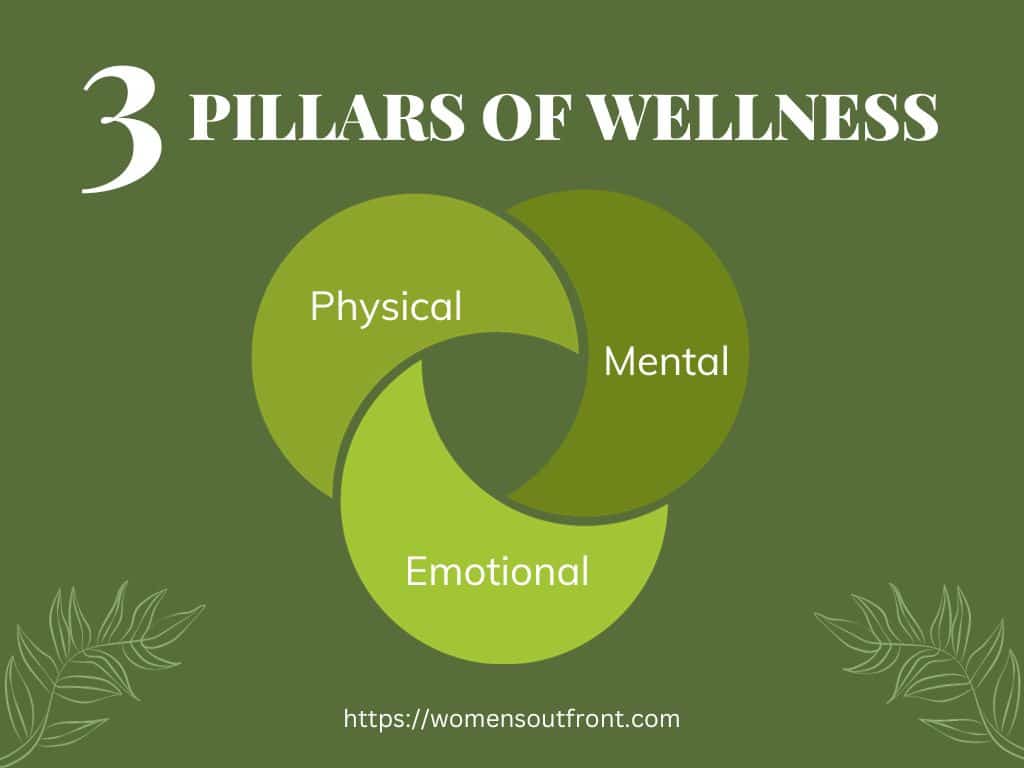

We live in an age obsessed with optimization. Our calendars are meticulously curated, our diets are precision-engineered, and our workout regimes are designed with the scientific rigor of an astronaut’s training program. We track macros, count steps, monitor sleep cycles, and dedicate hours to mental well-being through mindfulness and meditation. We strive for peak physical prowess, mental acuity, and emotional resilience, often viewing these pursuits as distinct, individual battles to be won.
Yet, despite this relentless pursuit of holistic well-being, a subtle, insidious void often remains. An inexplicable undercurrent of unease, a nagging sense of incompleteness, or even outright loneliness can persist, even among those who appear to have "done everything right." We meticulously build our personal health empires, brick by brick, yet too often, we overlook a foundational pillar, leaving our meticulously constructed edifice vulnerable to collapse: Social Fitness.
This isn’t merely about having friends or being an extrovert. Social fitness is the intentional cultivation of meaningful relationships, the active engagement with community, and the skilled navigation of human connection. It’s the deliberate practice of belonging, empathy, and mutual support. For too long, we’ve treated social interaction as a pleasant byproduct of life, a leisure activity, or even a distraction from our "real" health goals. But what if it is, in fact, as critical as the air we breathe, the food we eat, or the movement our bodies crave? What if, without it, our pursuit of health remains perpetually incomplete, a symphony missing its most resonant note?
This article will argue that social fitness is not merely a "nice-to-have," but a fundamental, indispensable pillar of our overall health routine. We will embark on a journey to explore its profound scientific basis, understand its often-overlooked costs when neglected, define its true essence beyond superficial interaction, and ultimately, lay out a framework for its intentional cultivation – transforming it from an accidental grace into a deliberate practice, ensuring our well-being is not just optimized, but truly whole.
The Unseen Epidemic: The Cost of Social Neglect
To understand the urgency of social fitness, we must first confront the growing crisis of its absence. We are living through an epidemic of loneliness, often masked by the veneer of hyper-connectivity. Despite more ways than ever to "connect," from global social media platforms to instant messaging, genuine, deep human connection is in decline. Studies reveal that a significant portion of the population reports feeling lonely, a sentiment that has only been exacerbated by recent global events and the increasing atomization of modern life.
This isn’t just an emotional discomfort; it carries a devastating physiological toll. Dr. Julianne Holt-Lunstad, a professor of psychology and neuroscience at Brigham Young University, has conducted groundbreaking research demonstrating that social isolation and loneliness are as detrimental to our health as smoking 15 cigarettes a day, and more harmful than obesity or physical inactivity.
Consider the biological cascade triggered by chronic loneliness:
- Stress Hormone Overload: When we feel isolated, our bodies perceive a threat. This triggers the release of cortisol, the primary stress hormone. While acute cortisol bursts are adaptive, chronic elevation leads to systemic inflammation, blood pressure dysregulation, and impaired immune function. Our bodies remain in a constant state of "fight or flight," slowly eroding our resilience.
- Inflammation and Immunity: Loneliness is strongly correlated with increased levels of pro-inflammatory cytokines. This chronic, low-grade inflammation is a known precursor to a host of diseases, including cardiovascular disease, type 2 diabetes, and certain cancers. Our immune system, designed to protect us, becomes compromised, making us more susceptible to infections and slower to heal.
- Cardiovascular Risk: The sustained stress response associated with isolation contributes to higher blood pressure, increased heart rate, and greater arterial stiffness. The risk of heart attack and stroke rises significantly.
- Cognitive Decline: The brain, a profoundly social organ, suffers in isolation. Studies show a clear link between loneliness and an increased risk of dementia and cognitive decline. Social interaction provides cognitive stimulation, emotional regulation, and a sense of purpose that protects brain health.
- Mental Health Deterioration: Perhaps most visibly, loneliness is a potent driver of anxiety, depression, and even suicidal ideation. Humans are wired for belonging; its absence can lead to a profound sense of despair and meaninglessness.
The narrative here is stark: neglecting our social connections isn’t just making us feel bad; it’s actively making us sick, shortening our lives, and diminishing our capacity for joy and resilience. The "missing pillar" isn’t merely an aesthetic flaw; it’s a structural weakness threatening to bring down the entire edifice of our well-being.
Defining Social Fitness: More Than Just Being "Social"
The term "social fitness" might conjure images of charismatic extroverts effortlessly navigating crowded rooms. However, its true definition extends far beyond mere socialability. Social fitness is about the quality and intentionality of our connections, rather than simply their quantity or the ease with which we initiate them.
What Social Fitness Isn’t:
- A popularity contest: It’s not about having hundreds of friends on social media or being the life of every party.
- An inherent trait: While some may be naturally more inclined to social interaction, social fitness is a skill set that can be developed and strengthened, regardless of personality type.
- Superficial pleasantries: While polite interactions are valuable, social fitness delves deeper into genuine reciprocity and vulnerability.
- Exclusively digital interaction: While digital tools can facilitate connection, they often lack the richness, nuance, and physiological benefits of in-person engagement.
What Social Fitness Is:
- Quality Over Quantity: It’s about cultivating a network of relationships – a few deep, trusting bonds, a broader circle of supportive friends and family, and a sense of belonging within a wider community – that provide emotional support, intellectual stimulation, and practical assistance. These are relationships characterized by reciprocity, empathy, and shared vulnerability.
- Active Cultivation: Social fitness demands intentional effort. Just as we don’t get physically fit by accident, we don’t build robust social networks passively. It involves prioritizing time for others, reaching out, initiating plans, and being present.
- Skill-Building: It encompasses a range of interpersonal skills:
- Active Listening: Truly hearing and understanding others, not just waiting for your turn to speak.
- Empathy: The ability to understand and share the feelings of another.
- Effective Communication: Expressing needs, feelings, and ideas clearly and respectfully.
- Conflict Resolution: Navigating disagreements constructively and maintaining respect.
- Vulnerability: The courage to show up authentically, to share fears, joys, and struggles, allowing others to connect with your true self.
- Boundary Setting: Knowing how to protect your energy and time while still being available to others.
- Diversity of Connections: A well-rounded social fitness routine includes different types of connections:
- Intimate Ties: Partners, close family, best friends – those with whom we share our deepest selves.
- Relational Ties: Friends, colleagues, extended family – those we see regularly and share common interests with.
- Collective Ties: Neighbors, community groups, clubs, spiritual congregations – those that provide a sense of belonging to something larger than ourselves.
- Resilience and Adaptability: A socially fit individual can navigate social challenges, recover from relational setbacks, and adapt their social strategies as life circumstances change (e.g., moving to a new city, job changes, life transitions).
Imagine a person who hits the gym daily, eats perfectly, and meditates for an hour, yet consistently avoids social gatherings, rarely initiates contact with friends, and struggles to express their feelings in relationships. Despite their impressive individual health metrics, they are socially unfit. Their overall well-being is compromised, lacking the protective buffer and enriching tapestry that robust connections provide.
The Science of Connection: Why It Matters So Much
The profound impact of social fitness isn’t just anecdotal or philosophical; it’s deeply rooted in our biology, psychology, and evolutionary history.
1. Our Evolutionary Imperative:
From the earliest hominids, survival depended on cooperation. Hunting, gathering, protection from predators – these were collective endeavors. Those who formed strong bonds and worked together thrived. Our brains evolved to prioritize social cues, detect threats to belonging, and reward cooperative behavior. This innate drive for connection is hardwired into our DNA. When we are isolated, our ancient survival mechanisms interpret it as a danger, triggering the stress response.
2. The Neurobiology of Bonding:
Our brains are exquisitely designed for connection. When we engage in meaningful social interaction, a cascade of neurochemicals floods our system:
- Oxytocin: Often called the "love hormone," oxytocin is released during physical touch, shared experiences, and acts of kindness. It fosters trust, empathy, and bonding, reducing stress and promoting feelings of calm and security.
- Dopamine: The reward chemical, dopamine is released when we anticipate and experience positive social interactions. It reinforces connection-seeking behaviors, making social engagement feel pleasurable.
- Serotonin: This neurotransmitter regulates mood, sleep, and appetite. Positive social interactions can boost serotonin levels, contributing to feelings of well-being and happiness, and mitigating symptoms of depression.
- Endorphins: Released during laughter and shared physical activity, endorphins act as natural painkillers and mood elevators, further cementing social bonds.
The neural circuitry involved in social cognition – the prefrontal cortex, amygdala, and anterior cingulate cortex – is constantly active, processing social information, regulating emotions in response to others, and facilitating empathy. A healthy social life literally keeps these brain regions well-exercised and robust.
3. The Longevity Dividend: Lessons from Blue Zones and the Harvard Study:
Perhaps the most compelling evidence for social fitness comes from long-term studies and observations of centenarian populations:
- The Blue Zones: These are regions around the world where people live exceptionally long, healthy lives. Common denominators among Blue Zone inhabitants include strong family ties, active community engagement, and a sense of belonging to faith-based or social groups. These connections provide consistent social support, shared purpose, and a buffer against stress.
- The Harvard Study of Adult Development: One of the longest-running studies on happiness and health, spanning over 80 years, this research has consistently found that good relationships are the strongest predictor of well-being and longevity. It’s not wealth, fame, or career achievement, but the warmth and quality of one’s connections that protect against physical and mental decline as we age. The study’s director, Robert Waldinger, famously stated, "Good relationships keep us happier and healthier. Period."
These findings are not subtle; they are unequivocal. Our social fabric is not merely a pleasant backdrop to life; it is woven into the very blueprint of our health and survival.
The Pillars of a Social Fitness Routine
Just as we have routines for physical exercise, healthy eating, and mental hygiene, we must develop intentional practices for our social fitness. This isn’t about adding another burdensome task to an already packed schedule, but rather re-prioritizing and integrating activities that nourish our fundamental need for connection.
1. Conduct a Social Audit: Understanding Your Current Landscape
- Map Your Connections: Take stock of your current relationships. Who are your closest confidantes? Who do you regularly interact with? What community groups are you part of?
- Identify Gaps and Needs: Are there areas where you feel a lack of support (e.g., intellectual peers, emotional confidantes, practical help)? Are your relationships balanced in terms of giving and receiving? Do you feel you have enough people you can truly be vulnerable with?
- Reflect on Quality: Are your connections energizing or draining? Do they foster growth or complacency? Be honest about the depth and authenticity of your interactions.
- Recognize Your Social Style: Are you an introvert who thrives on a few deep connections, or an extrovert who gains energy from broader social circles? Tailor your routine to your natural inclinations, but also challenge yourself to grow.
2. Intentional Investment: Time, Energy, Vulnerability
- Schedule Connection Time: Just as you schedule workouts, carve out dedicated time for social interaction. This might mean a weekly coffee with a friend, a monthly family dinner, or regular attendance at a club meeting. Make it non-negotiable.
- Practice Active Presence: When you are with others, put away distractions (phones!). Give them your full attention. Listen not just to respond, but to understand. Be truly there.
- Initiate and Reciprocate: Don’t wait for others to reach out. Be the one to send the text, make the call, or suggest a get-together. Remember that relationships are a two-way street; ensure you’re giving as much as you’re receiving.
- Embrace Vulnerability (Wisely): Share your authentic self – your joys, your struggles, your fears, your dreams. This is the bedrock of true intimacy. Start small if it feels uncomfortable, but recognize that genuine connection requires opening up.
- Perform Acts of Kindness: Small gestures of thoughtfulness – a thoughtful note, an offer of help, a genuine compliment – strengthen bonds and foster goodwill.
3. Skill-Building: Your Social Toolkit
- Master Active Listening: Practice mirroring emotions, asking open-ended questions, and summarizing what you hear to confirm understanding. "So, what I’m hearing is…"
- Develop Empathy: Put yourself in others’ shoes. Try to understand their perspective, even if you don’t agree. Read fiction, watch documentaries, engage with diverse viewpoints to expand your capacity for empathy.
- Learn Constructive Conflict Resolution: Disagreements are inevitable. Learn to express your needs without blame, listen to the other side, and seek mutually agreeable solutions. Healthy relationships are not devoid of conflict, but they navigate it effectively.
- Practice Non-Verbal Communication: Pay attention to body language, eye contact, and tone of voice – both yours and others’. These cues convey more than words often can.
- Give and Receive Support: Be there for others in their time of need, and have the courage to ask for help when you need it. Accepting support can be just as important for a relationship as giving it.
4. Community Engagement: Beyond the Inner Circle
- Find Your "Third Places": These are spaces outside of home and work where people gather, connect, and build community. Think local cafes, libraries, community centers, parks, or shared workspaces.
- Join Groups with Shared Interests: Whether it’s a book club, a hiking group, a volunteer organization, a sports team, or a spiritual community, finding a common purpose is a powerful way to forge new connections and deepen existing ones.
- Volunteer: Contributing to a cause larger than yourself is a potent antidote to isolation. It provides purpose, connects you with like-minded individuals, and reinforces your sense of belonging.
- Be a Good Neighbor: Simple acts like acknowledging neighbors, offering help, or participating in local events can create a stronger, more supportive local community.
Navigating the Modern Social Landscape
The path to social fitness isn’t without its challenges, particularly in our rapidly evolving world.
1. The Digital Paradox: Social media promises connection but often delivers comparison and curated isolation. While it can be a tool for staying in touch, relying solely on digital interactions can lead to superficiality and a diminished capacity for real-world intimacy. The "doomscrolling" and constant comparison to idealized online personas can actively harm our social well-being. The key is mindful use: leverage digital tools to facilitate in-person connection, not replace it. Use them to check in, share genuine moments, and plan meetups, rather than passively consume feeds that leave you feeling less connected.
2. Overcoming Barriers:
- Time Constraints: Modern life is busy. This is where intentional scheduling becomes crucial. Even short, consistent bursts of connection are better than none.
- Shyness/Social Anxiety: For many, initiating social contact is daunting. Start small: smile at strangers, make eye contact, engage in brief conversations. Consider joining groups focused on an activity, where the shared purpose reduces the pressure of conversation. Professional support can also be invaluable here.
- Past Hurts: Previous betrayals or rejections can make us wary of vulnerability. Healing these wounds, perhaps with the help of therapy, is essential for opening ourselves up to new, healthier connections.
- Geographical Distance: Friends and family may live far away. Utilize video calls, plan regular visits, and actively seek out new connections in your local environment.
3. The Art of Disconnection: Social fitness also involves knowing when to step back. Over-commitment, engaging in draining relationships, or constantly being "on" can lead to social burnout. Setting healthy boundaries, saying no when necessary, and prioritizing self-care are integral components of sustainable social well-being. It’s about finding the right balance between engagement and healthy solitude.
Social Fitness and the Other Pillars: A Force Multiplier
The beauty of social fitness lies in its synergistic relationship with the other pillars of health. It doesn’t just stand alongside them; it strengthens and amplifies them.
- Physical Health: Having a workout buddy increases adherence to exercise routines. Social support can help us maintain healthy eating habits and discourage destructive behaviors. People with strong social networks tend to live longer, more physically active lives.
- Mental Health: Robust social connections are powerful buffers against stress, anxiety, and depression. They provide a sense of purpose, belonging, and validation, fostering resilience and self-esteem. Shared laughter and emotional support are potent antidotes to mental distress.
- Emotional Health: Relationships are the primary crucible for developing emotional intelligence. We learn empathy, emotional regulation, and how to express our feelings constructively through interaction with others. Sharing joys amplifies them, and sharing sorrows lightens their burden.
- Spiritual Health: For many, spiritual well-being is deeply intertwined with community, shared values, and a sense of belonging to something larger than oneself. Whether through faith communities, philosophical groups, or shared humanitarian efforts, social connection often underpins a sense of transcendence and purpose.
Social fitness, therefore, isn’t just another thing to add to your health routine; it’s the connective tissue that binds all the other elements together, making them stronger, more sustainable, and infinitely more fulfilling.
Conclusion: Reclaiming Our Collective Well-being
The pursuit of individual excellence has led us down a path where we meticulously tend to our bodies, minds, and emotions, often in isolation. Yet, the deepest human truth remains: we are fundamentally social creatures, wired for connection, belonging, and mutual support. To ignore this truth is to build a house with a missing foundation, no matter how exquisite the interior decor.
Social fitness is not a luxury; it is a fundamental human need and a critical pillar of our health routine. It is an intentional practice, a skill set to be honed, and a commitment to nurturing the very relationships that give our lives meaning, resilience, and joy.
Let us recognize the profound cost of social neglect and embrace the life-affirming power of genuine connection. Let us re-prioritize meaningful interaction, cultivate our social skills, and actively build the robust, supportive communities that are essential not just for individual well-being, but for the health and vibrancy of society itself. By intentionally integrating social fitness into our daily lives, we don’t just optimize our health; we reclaim our humanity, weaving a richer, more resilient tapestry of existence for ourselves and for generations to come. The missing pillar is waiting to be placed, ready to complete the edifice of our well-being and elevate our lives to their fullest, most connected potential.