
The ritual is familiar, almost sacred. The last bag is unpacked, the unfamiliar bed made, the day’s journey settling into the quiet hum of a new place. Perhaps it’s a rustic cabin nestled deep in a forest, the scent of pine and damp earth wafting through an open window. Perhaps it’s a seaside cottage, the rhythmic sigh of the ocean a distant, soothing murmur. Or a mountain retreat, where the air is thin and crisp, and the silence is so profound it feels like a presence. As the light fades and the world outside softens into twilight, a strange, undeniable peace descends. And then, it happens: a night of sleep so deep, so restorative, it feels like a revelation.
We’ve all experienced it, this phenomenon of superior slumber when we’re away from the familiar confines of our own homes. We arrive, often tired from travel or the sheer effort of escaping our daily lives, and yet, paradoxically, we often sleep better than we do in our meticulously curated bedrooms. It’s a recurring theme in conversations about vacations, a cherished memory, a longing for that elusive, perfect night. But what is it about "away" that unlocks such profound rest? Is it merely the novelty, a placebo of relaxation, or are there deeper psychological, physiological, and environmental mechanisms at play?
As someone who has chased this particular dragon across continents, from the bustling ryokans of Kyoto to the stark solitude of Icelandic guesthouses, I’ve often pondered this question. It’s more than just the absence of work emails or the tyranny of the daily alarm. It’s a complex interplay of factors that conspire to cradle us into a state of rest that our modern lives often deny us. To understand it, we must embark on a journey, exploring the landscapes of our minds, bodies, and the very environments we inhabit.
The Great Escape: Psychological Liberation
The most immediate and perhaps most potent reason for improved sleep away from home is psychological liberation. Our homes, for all their comfort and familiarity, are often repositories of our daily anxieties, responsibilities, and unfulfilled tasks. They are living archives of our to-do lists: the leaky faucet, the unread bills, the laundry pile, the dust bunnies under the bed, the demanding schedule of the next day. Even when we consciously try to switch off, these subconscious anchors remain, tugging at the edges of our minds, preventing the deep relaxation required for truly restorative sleep.
When we travel, we sever these invisible chains. The simple act of crossing a threshold into a new space, whether a hotel room or a rented cabin, represents a profound psychological break. It’s a declaration of temporary freedom. The responsibilities of home are left behind, physically and mentally. There are no dishes to wash, no errands to run, no domestic chores to plan. This release from what psychologists call "cognitive load" is immense. Our brains, constantly processing a barrage of information and making decisions, finally get a reprieve.
The novelty of the environment also plays a crucial role. Away from the monotonous predictability of our routines, our minds are engaged in a different way. New sights, sounds, and smells stimulate curiosity and wonder, activating different neural pathways than those responsible for daily stressors. This shift in mental engagement can be incredibly refreshing. Instead of ruminating on problems, we are observing a new cityscape, marveling at a mountain vista, or simply enjoying the quietude of a remote setting. This gentle mental stimulation, devoid of pressure, can lead to a state of relaxed awareness, a precursor to deep sleep.
Furthermore, travel often necessitates a digital detox, whether intentional or not. Limited Wi-Fi, the absence of a familiar desk setup, or simply the desire to be present in a new place often means less screen time, especially in the hours leading up to bed. The blue light emitted by phones, tablets, and computers is a notorious disruptor of melatonin production, the hormone essential for regulating sleep-wake cycles. By reducing our exposure to these devices, we allow our natural circadian rhythm to reassert itself, paving the way for easier, deeper slumber.
This psychological unburdening also fosters a sense of safety and permission. We give ourselves permission to relax, to indulge, to prioritize rest. This self-compassion, often neglected in our daily grind, is a powerful ally for sleep. The expectation of good sleep, too, can act as a potent placebo. We expect to sleep well on vacation, and this positive anticipation can significantly influence our actual sleep experience, priming our minds and bodies for rest.
Nature’s Lullaby: Environmental Harmony
Beyond the mental landscape, the physical environment of "away from home" settings, especially those nestled in nature, offers a symphony of sensory inputs perfectly tuned for sleep. Our modern homes, particularly in urban and suburban areas, are often battlegrounds of light and noise pollution, temperature inconsistencies, and stale air – all detrimental to quality sleep.
Consider light. Our bodies evolved under the natural rhythm of the sun: bright daylight signaling wakefulness, gradual darkness cueing the release of melatonin and the onset of sleep. Yet, our homes are often bathed in artificial light well into the evening, from overhead fixtures to the glow of screens. Streetlights pierce through blinds, and ambient city glow permeates our bedrooms. Away from home, especially in rural or natural settings, we often encounter true darkness. The kind of darkness that allows the stars to blaze with an intensity rarely seen, the kind that lets your eyes adjust to the absence of light rather than fighting against it. This profound darkness allows our melatonin production to surge unimpeded, signaling to our bodies that it is time to wind down and sleep.
Then there is sound. Our homes are rarely truly quiet. The hum of refrigerators, the distant rumble of traffic, the siren of an emergency vehicle, the neighbor’s barking dog, the creak of old pipes – these sounds, often unnoticed consciously, contribute to a pervasive background noise that can prevent our brains from fully relaxing. In contrast, many away-from-home scenarios offer a different soundscape. The rhythmic crash of ocean waves, the gentle rustle of leaves in a forest, the chirping of crickets, the distant hoot of an owl, the steady patter of rain on a cabin roof – these are the sounds of nature, known as "pink noise" or "white noise," which have been scientifically shown to promote relaxation and deeper sleep. Our primal brains interpret these sounds not as threats, but as indicators of a safe, calm environment, allowing us to descend into deeper sleep stages. This biophilic response – our innate connection to nature – is profound and deeply ingrained.
Air quality is another often-overlooked factor. Urban environments are rife with pollutants, allergens, and stagnant air. Away from the city, particularly in mountainous or forested regions, the air is often cleaner, richer in oxygen, and free from the irritants that can subtly disrupt breathing and sleep. The fresh, crisp air itself feels invigorating, yet also conducive to rest, especially after a day spent outdoors.
Even temperature and humidity can play a role. Many natural environments naturally offer cooler, more consistent nighttime temperatures, which are optimal for sleep. Our bodies require a slight drop in core temperature to initiate and maintain sleep. An overly warm or inconsistent bedroom at home can make this process difficult, while a naturally cool environment can facilitate it.
The Body’s Rhythm: Physiological Rebalancing
The psychological and environmental shifts inevitably lead to significant physiological changes that promote better sleep.
One of the most powerful catalysts for improved sleep away from home is increased physical activity. Vacations often involve more walking, hiking, swimming, cycling, or exploring. This isn’t always strenuous exercise, but rather a consistent, moderate increase in movement throughout the day. Our bodies are designed for movement, and a sedentary lifestyle, common in modern society, can actually disrupt sleep patterns. Physical exertion, especially in the fresh air and natural light, helps regulate our circadian rhythm, deepen slow-wave sleep (the most restorative stage), and reduce the time it takes to fall asleep. The physical tiredness derived from a day of exploration is a healthy, natural kind of fatigue, one that our bodies readily embrace as a signal for deep rest.
Dietary changes also contribute. While some vacations might involve indulgent eating, many trips to natural settings encourage healthier, simpler meals. Less processed food, more fresh produce, and often a different eating schedule can positively impact digestion and metabolism, both of which are intrinsically linked to sleep quality. Avoiding heavy meals late at night and reducing caffeine and alcohol intake (or consuming them earlier in the day) can significantly improve sleep architecture.
Furthermore, the reduced stress associated with being away from home directly impacts our physiological state. Chronic stress keeps our bodies in a state of "fight or flight," elevating cortisol levels. Cortisol, the primary stress hormone, is designed to keep us alert and vigilant. Elevated cortisol at night can suppress melatonin production and disrupt sleep. When we are away from the sources of chronic stress, our cortisol levels naturally decrease, allowing our parasympathetic nervous system (our "rest and digest" system) to take over, paving the way for peaceful sleep.
The re-entrainment of our circadian rhythm is perhaps the most profound physiological benefit. By exposing ourselves to natural light patterns during the day and true darkness at night, and by engaging in physical activity, we help to synchronize our internal biological clock with the external world. This alignment ensures that our bodies are releasing sleep-promoting hormones like melatonin at the correct times and waking-promoting hormones like cortisol when needed. This natural rhythm, often disrupted by artificial light, inconsistent schedules, and lack of outdoor exposure at home, is a cornerstone of robust sleep.
The Art of Intentional Disruption: Crafting the Experience
It’s important to note that not all "away from home" experiences yield the same sleep benefits. A business trip to a sterile hotel in a noisy city might offer some psychological relief from domestic duties but could fail to provide the environmental and physiological advantages of a nature-based escape. The key lies in intentional disruption – choosing environments that actively cultivate the conditions for optimal sleep.
This means seeking out places that offer:
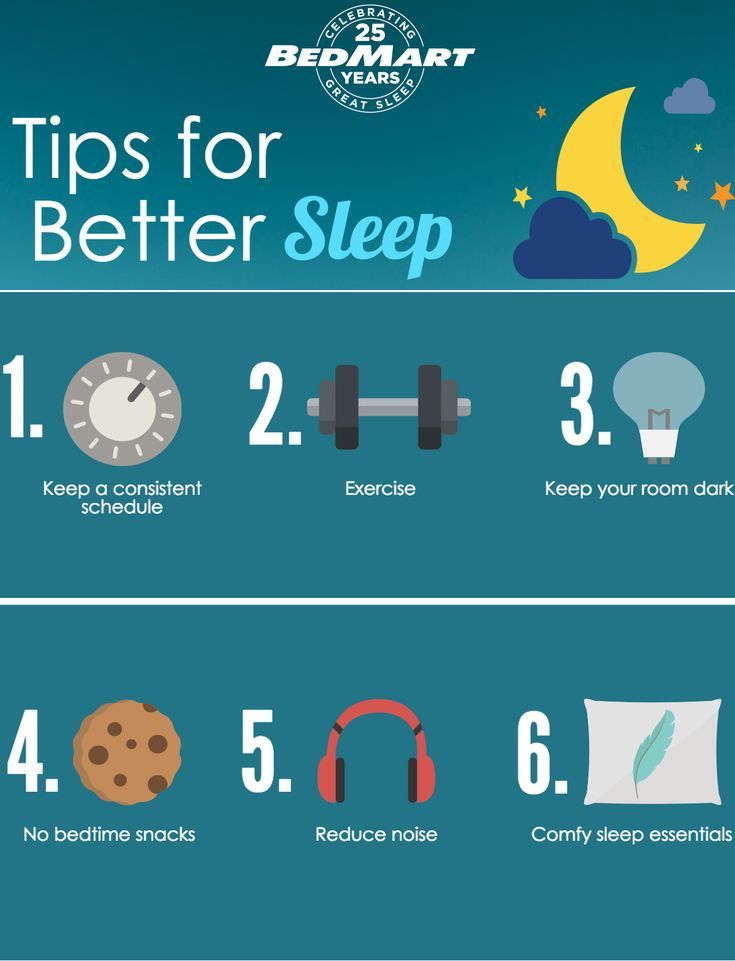
- True Darkness: Remote locations away from light pollution.
- Natural Soundscapes: Forests, oceans, mountains where natural sounds dominate.
- Fresh Air: Areas with minimal air pollution and good ventilation.
- Opportunities for Movement: Places conducive to walking, hiking, or other outdoor activities.