
In a world increasingly attuned to individual autonomy and well-being, discussions around women’s health are expanding beyond mere disease prevention to encompass holistic thriving. Yet, one topic often remains shrouded in medical jargon and societal misconceptions: sterilization. For many, the word conjures images of finality, an end to a woman’s reproductive journey, often accompanied by outdated fears of hormonal imbalance or a loss of femininity. However, for a significant and growing number of women, sterilization—specifically tubal ligation or, more commonly now, bilateral salpingectomy—is proving to be anything but an end. Instead, it marks a profound new beginning, a liberation that extends into the most intimate corners of their lives: their sexual health and overall sense of intimacy.
This phenomenon, though often whispered among friends or shared in online forums, challenges conventional narratives. It posits that shedding the burden of fertility can, counter-intuitively, ignite a woman’s sexual vitality, allowing her to redefine intimacy on her own terms. This isn’t a universal experience, nor is it without careful consideration, but for countless women, the decision to undergo sterilization has unlocked a newfound freedom, spontaneity, and connection, transforming their sexual landscapes in profoundly positive ways. To understand this complex and empowering shift, we must delve into the multifaceted reasons—psychological, physiological, and relational—that explain why so many women report better sexual health after choosing permanent birth control.
The Unseen Weight: Before Sterilization
Before we explore the liberation, it’s crucial to understand the subtle yet pervasive burdens that many women carry in their reproductive lives. For decades, the primary responsibility for contraception has largely fallen on women. This isn’t just about taking a pill or inserting a device; it’s about the ceaseless mental calculus, the underlying anxiety, and the very real physical side effects that can slowly erode one’s sense of self and sexual pleasure.
The Mental Load of Contraception:
Imagine a constant hum in the background of your mind: "Did I take my pill today?" "Is my IUD still in place?" "When is my fertile window?" "Are we using a condom correctly?" For women, the shadow of unwanted pregnancy, even with diligent contraceptive use, is a pervasive presence. This anxiety, often subtle, can manifest as a diminished capacity for true sexual abandon. Spontaneity becomes a luxury, often replaced by a momentary pause for logistics or a nagging worry that lingers even during moments of intimacy.
This mental load isn’t just about preventing pregnancy; it’s about managing side effects, remembering appointments, navigating insurance, and dealing with the societal pressures that often accompany discussions of fertility and family planning. The cognitive energy expended on contraception is immense, an invisible tax on a woman’s mental bandwidth, leaving less room for genuine desire and pleasure. The constant vigilance can make sex feel like a task with high stakes rather than an act of joy and connection.
The Hormonal Toll:
Perhaps one of the most significant drivers for women seeking sterilization is the desire to escape the clutches of hormonal contraception. For millions, birth control pills, patches, rings, and hormonal IUDs are essential tools, but they come with a well-documented array of potential side effects that can directly impact sexual health. Decreased libido is frequently reported, turning what should be an innate drive into a muted whisper. Vaginal dryness, a common side effect, can make intercourse uncomfortable or even painful, further dampening desire.
Beyond these direct impacts, hormonal contraception can alter mood, contributing to anxiety, depression, and irritability. These emotional shifts can make a woman feel disconnected from herself, affecting her confidence and her ability to engage fully in intimate relationships. Weight gain, fatigue, breast tenderness, and headaches are other common complaints that, while not directly sexual, can profoundly impact body image, self-esteem, and overall energy—all crucial components of a healthy sexual life. Many women describe feeling "not quite themselves" on hormonal birth control, a sense of their natural rhythms being suppressed or altered. The quest to reclaim their authentic selves often begins with the decision to discontinue hormonal methods, propelling them toward a more permanent solution.
Other Contraceptive Burdens:
While hormonal methods bear a significant brunt, other forms of contraception also carry their own weights. Non-hormonal IUDs, while effective, can cause increased bleeding, cramping, and discomfort, particularly during insertion. Barrier methods like condoms require interruption, forethought, and can sometimes diminish sensation or feel less intimate. Fertility Awareness Methods, while empowering for some, demand meticulous tracking and a high degree of discipline, often leading to periods of abstinence or increased anxiety around "unsafe" days. Each method, in its own way, places a demand on a woman’s body, mind, or relationship, creating a landscape where truly uninhibited intimacy can feel elusive.
The Act of Sterilization: A Deliberate Choice
The decision to undergo sterilization is rarely impulsive. For most women, it’s the culmination of years of contemplation, research, and often, a long journey through various contraceptive methods that have proven inadequate or detrimental to their well-being. It is a deeply personal and often empowering choice, marking a definitive declaration of bodily autonomy.
The Decision-Making Process:
The motivations behind seeking sterilization are diverse. For many, it’s the clear and unwavering knowledge that their family is complete, or that they never wish to have children. For others, it’s driven by underlying health conditions where pregnancy would pose a serious risk. And increasingly, it’s a desire for absolute control over their reproductive future, a refusal to be beholden to pills, devices, or the ever-present threat of accidental pregnancy.
This journey often involves overcoming significant hurdles. Women frequently report encountering medical gatekeeping, where doctors question their decision, cite potential future regret (particularly for younger, childless women), or demand partner consent—a practice that, while decreasing, still reflects outdated patriarchal norms. Navigating these obstacles further solidifies the woman’s resolve, making the eventual procedure even more meaningful. The process itself becomes an act of self-advocacy and determination.
The Procedure and Its Immediate Aftermath:
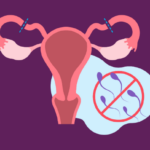
Today, the most common form of female sterilization is bilateral salpingectomy, the complete removal of the fallopian tubes, which also significantly reduces the risk of ovarian cancer. Tubal ligation, where the tubes are cut, tied, or sealed, is also performed. Both are typically minimally invasive laparoscopic procedures, involving small incisions and a relatively quick recovery period.
While there is a brief period of post-operative discomfort, what many women describe immediately following the procedure is not pain, but an overwhelming sense of relief. It’s a physical manifestation of a mental burden being lifted. The finality of the act, far from being daunting, is often experienced as profoundly liberating. It is the closing of one chapter and the opening of another, one where the slate is clean and the future, sexually, feels boundless.
Post-Sterilization: The Unveiling of Better Sexual Health
The period following sterilization marks a pivotal transition for many women, ushering in a new era of sexual health characterized by profound psychological, physiological, and relational improvements. This isn’t merely the absence of negative symptoms; it’s often the active presence of renewed desire, deeper connection, and uninhibited pleasure.
A. Psychological Liberation: Freedom from Fear
This is arguably the most impactful benefit reported by women after sterilization. The complete and permanent elimination of pregnancy anxiety is a game-changer. For years, even with reliable contraception, the shadow of "what if" can subtly permeate every sexual encounter. This fear, however faint, demands a part of the mind, preventing full immersion in the moment.
With sterilization, that shadow evaporates. Women describe a profound sense of psychological freedom, an ability to fully let go and be present during sex. This newfound security fosters:
- Enhanced Spontaneity: No need to stop and consider contraception, no mental checklist. Sex becomes more fluid, intuitive, and truly spontaneous. This allows for a deeper connection with a partner and a more natural flow of desire.
- Reclaiming Body Autonomy: The conscious decision to sterilize is an ultimate act of self-governance. This empowerment over one’s reproductive destiny translates directly into a feeling of greater control and comfort within one’s own body during sexual acts. It reinforces the idea that her body is hers, and her choices are paramount. This sense of self-ownership can significantly boost self-esteem and body image, making a woman feel more desirable and confident.
- Reduced Mental Load: The constant background hum of contraceptive management is silenced. This frees up significant cognitive and emotional resources, allowing women to focus on pleasure, connection, and the nuances of intimacy rather than logistical concerns. This mental spaciousness can lead to increased desire and a greater capacity for emotional connection.