
In the grand tapestry of human history, few fruits have undergone as dramatic a transformation in perception as the humble tomato. Once feared as a poisonous nightshade, its glistening, ruby skin and succulent flesh were viewed with suspicion, relegated to decorative status rather than culinary delight. Yet, through intrepid experimentation and a gradual unraveling of its true nature, the tomato emerged from the shadows to claim its rightful place as a cornerstone of global cuisine and, perhaps more profoundly, a silent guardian of human health. This is the story of how the tomato, a seemingly unassuming orb of redness, became a beacon of "Red Hot Health," offering a vibrant pathway to a more energetic, resilient, and enduring lifestyle.
Imagine a journey through time, tracing the tomato’s lineage back to its wild ancestors sprawling across the sun-drenched landscapes of the Andes. Indigenous cultures, with their innate wisdom and deep connection to the earth, were the first to recognize its potential, cultivating it for millennia before its fateful voyage across the Atlantic. It arrived in Europe, a curious botanical specimen, stirring both wonder and apprehension. For centuries, it was a beautiful enigma, admired in gardens but largely untouched on plates. It took the bold palates of the Mediterranean, the Italians in particular, to truly embrace its culinary brilliance, transforming it into the foundational ingredient of their vibrant, health-promoting diet. This culinary revolution, however, was just the prelude to a deeper scientific revelation: the discovery of the tomato’s extraordinary power to nourish and protect the human body from within.
At the heart of the tomato’s "Red Hot Health" lies a carotenoid pigment of remarkable potency: lycopene. This vibrant compound, responsible for the tomato’s signature red hue, is far more than just a splash of color. It is a formidable antioxidant, a molecular warrior tasked with defending our cells against the relentless assault of free radicals. These unstable molecules, byproducts of metabolism and environmental stressors like pollution and UV radiation, are notorious for causing oxidative damage, a precursor to chronic diseases, accelerated aging, and cellular dysfunction. Lycopene steps onto this battlefield with unparalleled efficacy, neutralizing free radicals and quenching their destructive potential.
The saga of lycopene’s benefits begins most compellingly in the realm of cancer prevention. Decades of epidemiological studies have consistently linked regular tomato consumption, particularly of cooked tomatoes, to a reduced risk of several cancers. Prostate cancer, a pervasive threat to men’s health, has been a particular focus of research, with numerous studies demonstrating that higher dietary intake of lycopene is associated with a significantly lower risk of developing the disease and even slowing its progression. But the protective shield of lycopene extends further, offering potential benefits against lung, stomach, colorectal, and even breast cancers. The mechanism is multifaceted: beyond its direct antioxidant action, lycopene has been shown to modulate cell growth, induce apoptosis (programmed cell death) in cancer cells, interfere with tumor angiogenesis (the formation of new blood vessels that feed tumors), and enhance cell-to-cell communication, effectively putting a brake on uncontrolled cellular proliferation. The story here is not merely about preventing disease; it’s about empowering our cells with an internal defense system, a robust shield against cellular anarchy.
Beyond cancer, lycopene’s narrative intertwines powerfully with cardiovascular health. Heart disease remains the leading cause of death globally, a stark reminder of the challenges our modern lifestyles pose. Here, the tomato emerges as a cardiovascular guardian. Lycopene’s antioxidant prowess is crucial in preventing the oxidation of low-density lipoprotein (LDL) cholesterol, often dubbed "bad" cholesterol. Oxidized LDL is a key player in the development of atherosclerosis, the hardening and narrowing of arteries that underpins heart attacks and strokes. By preventing this crucial step, lycopene helps maintain arterial flexibility and integrity. Furthermore, research indicates that lycopene can improve endothelial function – the health of the inner lining of blood vessels – which is vital for proper blood flow and pressure regulation. It contributes to lowering blood pressure, reducing inflammation in the cardiovascular system, and improving overall lipid profiles. The narrative of the tomato in heart health is one of comprehensive protection, a gentle yet persistent force working to keep our most vital organ pumping strong and true.
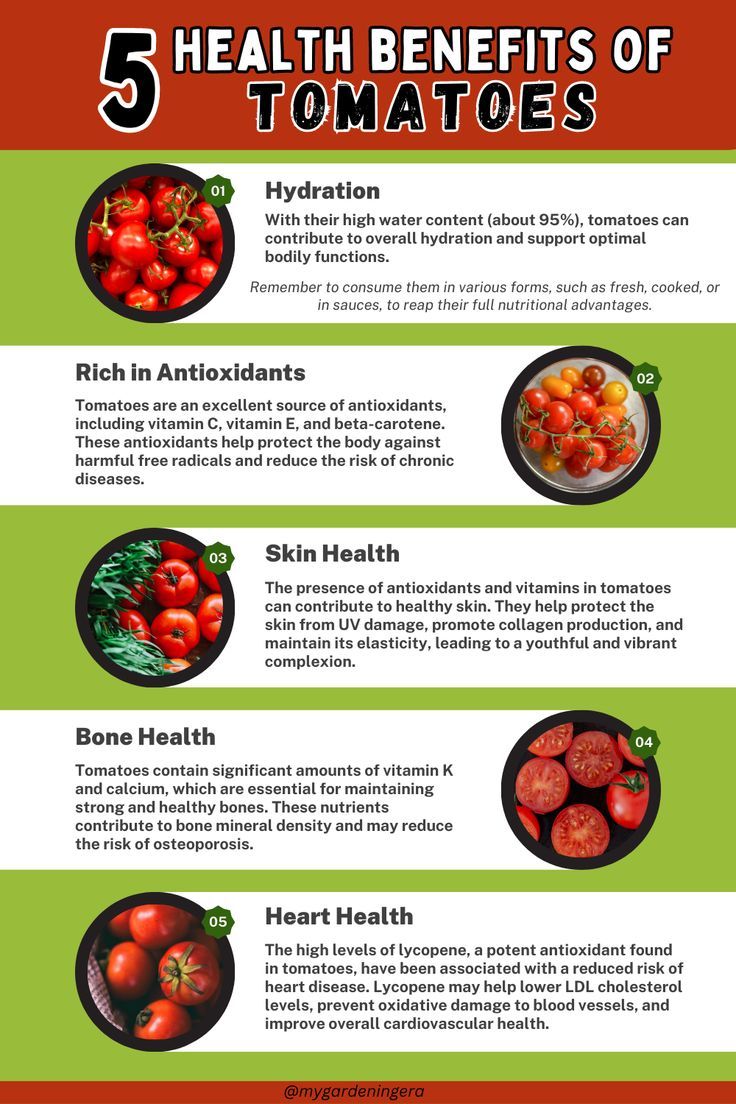
Yet, to attribute the tomato’s "Red Hot Health" solely to lycopene would be to tell only part of its rich story. The tomato is a symphony of nutrients, each playing a crucial role in orchestrating vibrant health. Consider Vitamin C, a well-known antioxidant and immune system powerhouse. A single medium tomato provides a significant portion of the daily recommended intake, bolstering our defenses against infections and illnesses. Beyond immunity, Vitamin C is indispensable for collagen synthesis, the structural protein that gives skin its elasticity and wounds their ability to heal. It works synergistically with lycopene, amplifying the overall antioxidant capacity of the tomato, a testament to the wisdom of nature’s design where compounds work in concert for greater benefit.
Then there is Potassium, an essential electrolyte that plays a pivotal role in maintaining fluid balance, nerve function, and, critically, blood pressure regulation. In an era where hypertension is a widespread concern, the potassium content in tomatoes offers a natural and delicious way to support healthy blood pressure levels, counteracting the effects of sodium and promoting cardiovascular well-being. Vitamin K, often overlooked, is vital for proper blood clotting and plays a crucial, though less understood, role in bone health, helping to regulate calcium and support bone mineralization.
The narrative continues with Folate (Vitamin B9), a nutrient indispensable for cell division, DNA synthesis, and repair. Its importance is particularly pronounced during periods of rapid growth, such as pregnancy, where adequate folate intake is critical for preventing neural tube defects in infants. For adults, folate contributes to overall cellular health and helps in the production of red blood cells, ensuring oxygen delivery throughout the body.
Beyond these well-known players, the tomato also harbors other powerful antioxidants like beta-carotene, which the body converts into Vitamin A, essential for vision, immune function, and skin health. It also contains lutein and zeaxanthin, carotenoids specifically celebrated for their role in eye health, protecting the macula of the eye from oxidative damage and reducing the risk of age-related macular degeneration and cataracts.
And let us not forget Fiber, the unsung hero of digestive health. The tomato, with its modest yet significant fiber content, aids in maintaining regularity, preventing constipation, and promoting a healthy gut microbiome. Fiber contributes to satiety, helping with weight management, and can also help regulate blood sugar levels by slowing down glucose absorption, making tomatoes a smart choice for individuals managing diabetes. The story here is one of internal harmony, where a diverse array of nutrients works together to keep the body’s intricate systems functioning optimally.
Let’s delve deeper into specific aspects of this "Red Hot Health":
Heart Health: The Cardiovascular Guardian Revisited
The tomato’s role in cardiovascular health is a prime example of nutrient synergy. It’s not just lycopene, potassium, or fiber in isolation, but their combined action that creates such a powerful protective effect. The antioxidants reduce inflammation throughout the cardiovascular system, a key driver of heart disease. The fiber helps to bind cholesterol in the digestive tract, preventing its absorption and aiding in its excretion. Potassium counteracts the effects of sodium, relaxing blood vessels and lowering blood pressure. This holistic approach to heart health, delivered in a delicious, natural package, underscores why Mediterranean diets, rich in tomatoes, are consistently lauded for their cardiovascular benefits. Regular consumption of tomatoes, whether fresh or cooked into sauces, contributes to flexible arteries, optimized blood flow, and a reduced burden on the heart.
Skin Health: The Elixir of Youth
For those seeking a radiant complexion, the tomato offers more than just superficial beauty. Its contribution to skin health is profound and multifaceted. Lycopene acts as an internal sunscreen, providing a degree of protection against harmful UV radiation from the sun. While not a substitute for topical sunscreen, consistent intake of lycopene can reduce the skin’s sensitivity to UV light, mitigating damage and contributing to a more even tone. Vitamin C, as mentioned, is crucial for collagen production, the scaffolding that keeps skin firm and supple. A healthy collagen matrix means fewer wrinkles and improved skin elasticity. The high water content of tomatoes also contributes to hydration, giving the skin a plump, youthful appearance. This narrative is about achieving a natural glow from within, reflecting the internal health fostered by these potent nutrients.
Eye Health: Sharpening Our Vision
In an age dominated by screens and digital strain, protecting our vision has become paramount. The tomato steps forward with its potent duo of lutein and zeaxanthin, carotenoids that accumulate in the macula of the eye. These compounds act like natural filters, absorbing harmful blue light and neutralizing free radicals that can damage delicate retinal cells. Regular intake has been associated with a lower risk of age-related macular degeneration (AMD), a leading cause of vision loss in older adults, and cataracts. Furthermore, the beta-carotene converts to Vitamin A, which is essential for healthy vision, particularly in low light conditions, preventing night blindness. The story of the tomato and eye health is one of safeguarding our most precious sense, allowing us to perceive the world in all its vibrant detail.
Bone Health: The Structural Support
While often associated with dairy products, bone health is a complex interplay of many nutrients, and the tomato plays its part. Vitamin K is crucial for activating proteins involved in bone mineralization, helping to lay down and maintain bone tissue. The antioxidants in tomatoes, including lycopene and Vitamin C, combat oxidative stress, which can negatively impact bone density and contribute to osteoporosis. By reducing inflammation and protecting bone cells from damage, tomatoes contribute to a robust skeletal framework, ensuring we can remain active and mobile as we age.
Digestive Health: The Gut Whisperer
A healthy gut is increasingly recognized as the cornerstone of overall well-being, influencing everything from immunity to mood. The fiber in tomatoes, both soluble and insoluble, promotes regular bowel movements, preventing constipation and ensuring efficient waste elimination. This fiber also serves as a prebiotic, feeding beneficial gut bacteria and fostering a diverse and thriving microbiome. The high water content of tomatoes further aids digestion and prevents dehydration, which can hinder gut function. The narrative here is about nurturing our internal ecosystem, promoting smooth and efficient digestive processes that underpin systemic health.
Blood Sugar Management: A Sweet Deal for Diabetics
For individuals managing blood sugar levels, tomatoes offer a wonderfully beneficial addition to the diet. They have a low glycemic index, meaning they cause a gradual, rather than rapid, rise in blood sugar. The fiber content further contributes to this by slowing down the absorption of glucose. Moreover, the rich array of antioxidants in tomatoes can help combat oxidative stress and inflammation, which are often heightened in individuals with diabetes and contribute to long-term complications. By supporting healthy blood sugar and reducing oxidative damage, tomatoes become a valuable ally in the long-term management of diabetes, promoting stability and reducing risk.
The true genius of the tomato, however, extends beyond its impressive nutritional profile to its remarkable culinary versatility. This is where the story truly comes alive, as the tomato transforms from a mere ingredient into a culinary chameleon, adapting to countless dishes while consistently delivering its "Red Hot Health."
Fresh, ripe tomatoes burst with flavor and nutrients, perfect for slicing into salads, layering onto sandwiches, or simply enjoying with a sprinkle of salt and a drizzle of olive oil. But here lies a crucial twist in the tomato’s tale: cooking actually enhances the bioavailability of lycopene. The heat breaks down the tough cell walls of the tomato, releasing the lycopene and making it more readily absorbed by the body. Furthermore, because lycopene is a fat-soluble compound, consuming cooked tomatoes with a source of healthy fat – think olive oil in a classic marinara sauce, or avocado in a salsa – dramatically increases its absorption. This scientific insight explains why tomato paste, sauces, and purees, often simmered for extended periods and prepared with oil, are such potent sources of lycopene, often surpassing fresh tomatoes in their ability to deliver this powerful antioxidant.
From vibrant gazpachos and comforting tomato soups to rich pasta sauces, smoky roasted tomatoes, and fiery salsas, the ways to incorporate tomatoes into a healthy diet are endless. They can be dried, canned, juiced, or turned into ketchup (though processed options require careful consideration of added sugars and sodium). This adaptability means that enjoying the benefits of tomatoes is not a chore but a delicious exploration, allowing individuals to weave "Red Hot Health" seamlessly into their daily lives, regardless of culinary skill or preference. The narrative here is one of empowerment, demonstrating how simple, flavorful choices can have profound impacts on long-term well-being.
In conclusion, the journey of the tomato, from feared botanical curiosity to beloved culinary staple and scientific marvel, is a testament to its extraordinary power. It is a story of nature’s ingenious design, packing a potent cocktail of antioxidants, vitamins, and minerals into a single, readily available fruit. The concept of "Red Hot Health" is not just a catchy phrase; it encapsulates the vibrant, energetic, and disease-resistant lifestyle that the regular consumption of tomatoes can help cultivate.
From safeguarding our hearts and defending against cancer to enhancing our skin’s radiance, sharpening our vision, strengthening our bones, and nurturing our gut, the tomato truly is a multi-faceted champion of well-being. Its narrative is one of comprehensive protection, delivered with delicious simplicity. So, the next time you encounter this unassuming red orb, remember the incredible story it holds within. Embrace the tomato, savor its flavor, and allow its "Red Hot Health" to ignite a more vibrant, resilient, and enduring chapter in your own life’s journey. It’s a simple, natural choice that promises a wealth of profound benefits, a testament to the power of nourishing our bodies with the very best that nature has to offer.