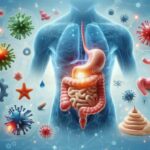

In the vast, intricate tapestry of human existence, there lies an even vaster, more intricate world hidden within each of us: the microbiome. This bustling metropolis of trillions of microorganisms, primarily residing in our digestive tracts, is not merely a passive passenger but an active, indispensable partner in our health. For millennia, long before the advent of sophisticated microscopes or genomic sequencing, humanity intuitively understood the profound impact of certain foods on their well-being. They observed, often by serendipity, that milk, when allowed to transform, yielded products of remarkable longevity, unique flavor, and, crucially, a palpable sense of vitality. This ancient wisdom, rooted in the art of fermentation, has now found its scientific vindication in the modern understanding of probiotics, particularly those harbored within cultured dairy.
This is the story of that hidden world, of its silent demands, and of how our digestive system, in its profound wisdom, has learned to crave the microscopic allies found in a simple pot of yogurt or a glass of tangy kefir. It’s a narrative that bridges ancient culinary traditions with cutting-edge science, inviting us to look beyond the immediate gratification of taste and truly appreciate the complex dance of life happening within us.
The Unseen Universe: A Deep Dive into the Human Microbiome
To understand why probiotics are so vital, we must first embark on a journey into the human microbiome itself. Imagine a city more populous than any on Earth, teeming with diverse inhabitants, each playing a specific role, all coexisting in a delicate balance. This is your gut. Comprising an estimated 100 trillion microbial cells – outnumbering human cells by a factor of 10 to 1 – and collectively weighing up to 2 kg, the gut microbiome is a veritable organ in its own right, often referred to as the "second brain" or "forgotten organ."
This microscopic ecosystem is incredibly diverse, encompassing thousands of different species of bacteria, fungi, viruses, and archaea. While the exact composition varies from person to person, influenced by genetics, diet, lifestyle, birth mode, and early life exposures, a core set of functions is universally essential. The relationship between us, the host, and our microbial residents is largely symbiotic – a mutually beneficial partnership forged over millions of years of co-evolution.
Beyond Digestion: The Multifaceted Roles of Our Microbial Tenants
The initial perception of gut bacteria as mere aids in digestion barely scratches the surface of their profound influence. Their roles extend far beyond breaking down food:
-
Nutrient Synthesis and Absorption: Our microbes are master chemists. They synthesize essential vitamins, such as vitamin K (crucial for blood clotting) and several B vitamins (including B12, folate, and biotin), which our bodies cannot produce independently. They also aid in the absorption of minerals like calcium, magnesium, and iron by altering the gut environment and producing chelating agents.
-
Fiber Fermentation and Short-Chain Fatty Acids (SCFAs): Perhaps one of the most critical functions is the fermentation of dietary fibers and resistant starches that our human enzymes cannot digest. This process yields an array of beneficial compounds, most notably Short-Chain Fatty Acids (SCFAs) like acetate, propionate, and, preeminently, butyrate.
- Butyrate: This is the primary energy source for the colonocytes (cells lining the colon) and plays a pivotal role in maintaining gut barrier integrity, reducing inflammation, and potentially preventing colorectal cancer. It’s a key mediator of gut health, often heralded as a superstar metabolite.
- Acetate and Propionate: These SCFAs are absorbed into the bloodstream and can influence metabolism, appetite regulation, and even brain function. They contribute to a healthy energy balance and may play a role in glucose homeostasis.
-
Immune System Modulation and Education: A staggering 70-80% of our immune cells reside in the gut-associated lymphoid tissue (GALT). Our microbiome acts as a vital "teacher" for this immune system, distinguishing between harmless food antigens and dangerous pathogens. It stimulates the production of antibodies, regulates inflammatory responses, and helps maintain immune tolerance, preventing autoimmune reactions. A diverse and balanced microbiome is fundamental for a robust and well-regulated immune system.
-
Protection Against Pathogens (Competitive Exclusion): A healthy, thriving community of beneficial bacteria physically occupies niches and consumes resources, leaving little room for harmful pathogens to colonize and proliferate. They also produce antimicrobial compounds (bacteriocins) and organic acids that create an unfavorable environment for invaders, effectively acting as the gut’s first line of defense.
-
Gut-Brain Axis Communication: The gut and brain are in constant, bidirectional communication via the vagus nerve, endocrine signals, and microbial metabolites. Our gut bacteria produce a wide array of neuroactive compounds, including neurotransmitters like serotonin (an estimated 90% is produced in the gut), dopamine, and GABA. This intricate connection, known as the gut-brain axis, profoundly influences mood, cognition, stress response, and even susceptibility to neurological disorders.
Dysbiosis: When the Balance is Lost