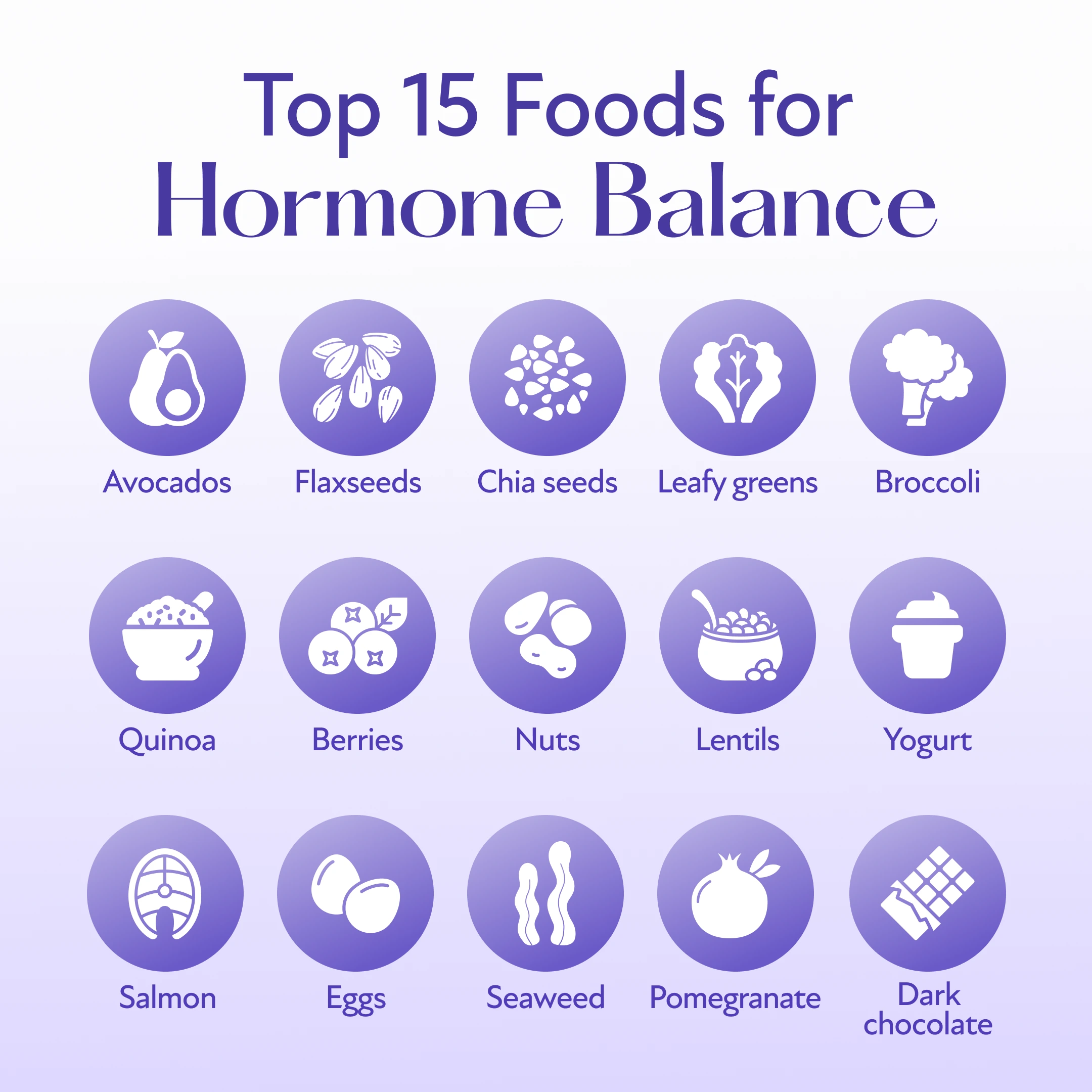

Imagine your body as an exquisitely complex, self-regulating ecosystem – a vibrant garden where countless processes unfold in perfect harmony, orchestrated by an invisible, yet profoundly powerful, conductor: your hormones. These chemical messengers, tiny in size but monumental in impact, govern virtually every aspect of your existence, from your mood and metabolism to your energy levels, sleep quality, fertility, and even your resilience to stress. When this intricate symphony plays in tune, life feels fluid, energetic, and balanced. But what happens when a section of the orchestra goes awry, playing too loud, too soft, or simply out of sync?
In our modern world, a growing cacophony of hormonal imbalance has become an unfortunate soundtrack for many. From persistent fatigue and unexplained weight gain to mood swings, sleep disturbances, reproductive challenges, and chronic stress, the symptoms are diverse and often debilitating. We live in an era characterized by chronic stress, processed foods, environmental toxins, and a pervasive disconnect from our natural rhythms. These factors relentlessly assault our delicate hormonal systems, pushing them out of equilibrium and often leaving us searching for answers in a reactive, symptom-focused medical landscape.
But what if there was a different path? What if, instead of waiting for imbalance to manifest as disease, we could cultivate a state of prevention, nurturing our hormonal health from the ground up? This is where the profound story of nutrition for prevention unfolds. It’s a story not of quick fixes or magic pills, but of deep, foundational support, recognizing food not merely as fuel or pleasure, but as potent information – a language our cells understand, a tool for fine-tuning our inner orchestra. For the knowledgeable seeker of wellness, understanding this story means embracing a paradigm shift: from passive recipient of health challenges to active, empowered gardener of your own hormonal ecosystem.
The Hormonal Symphony: An Interconnected Masterpiece
Before we delve into the specifics of nutritional support, it’s crucial to appreciate the magnificent complexity of the endocrine system. It’s not a collection of isolated glands, each acting independently. Instead, it’s a vast, interconnected network where hormones influence each other in a delicate dance of feedback loops. The adrenal glands, for instance, release cortisol in response to stress, which in turn can impact thyroid function, insulin sensitivity, and sex hormone production. The thyroid, the master of metabolism, is itself influenced by stress and nutrient availability. Insulin, responsible for blood sugar regulation, is intrinsically linked to sex hormones and inflammatory pathways.
This intricate web means that an imbalance in one area inevitably ripples through the entire system. Chronic stress, for example, can lead to elevated cortisol, which can then suppress thyroid function, contribute to insulin resistance, and disrupt the delicate balance of estrogen and progesterone. Similarly, poor dietary choices that spike blood sugar can lead to insulin resistance, which then fuels inflammation, impacting every hormonal pathway.
Our bodies are constantly striving for homeostasis – a state of dynamic balance. However, the sheer volume of modern stressors – from chronic psychological pressure to nutrient-depleted foods and ubiquitous endocrine-disrupting chemicals (EDCs) in our environment – makes this task increasingly difficult. The goal of preventive nutrition, therefore, is to provide the raw materials, the protective compounds, and the detoxification support necessary to help our bodies maintain this balance, or gently guide them back when they stray.
Pillar 1: The Foundational Macro-Nutrients – Building Blocks of Balance
Just as a magnificent building requires robust foundational materials, our hormonal system relies on the quality and balance of the macronutrients we consume. These are the fats, proteins, and carbohydrates that provide energy and structure, serving as the very bedrock of hormonal synthesis and function.
The Indispensable Role of Healthy Fats
Forget the outdated dogma that vilified dietary fat. Healthy fats are not just essential; they are the literal precursors to many of our most vital hormones, particularly the steroid hormones like estrogen, progesterone, testosterone, and cortisol. Without adequate cholesterol from healthy sources, our bodies simply cannot produce these critical messengers.
- Cholesterol: Found in animal products like eggs, grass-fed butter, and fatty fish, dietary cholesterol is not the enemy. It is the raw material from which all steroid hormones are synthesized. The body can produce its own cholesterol, but dietary sources contribute to a healthy lipid profile and ensure ample building blocks are available.
- Omega-3 Fatty Acids (EPA & DHA): These polyunsaturated powerhouses, predominantly found in fatty fish (salmon, mackerel, sardines, anchovies, herring), algae, and some nuts and seeds (flax, chia, walnuts – though ALA conversion to EPA/DHA is inefficient in humans), are profoundly anti-inflammatory. Hormonal imbalances are often accompanied by systemic inflammation, and omega-3s help to quell this fire. They also contribute to cell membrane fluidity, enhancing hormone receptor sensitivity – meaning your hormones can more effectively communicate with your cells.
- Monounsaturated Fats (MUFAs): Abundant in extra virgin olive oil, avocados, and nuts like almonds and pecans, MUFAs are heart-healthy and also play a role in reducing inflammation and supporting overall cellular health, indirectly contributing to hormonal resilience.
- Saturated Fats: From sources like grass-fed butter, ghee, and coconut oil, saturated fats, in moderation and from quality sources, have specific roles in cellular structure and provide a stable energy source. The key here is quality and balance.
Fats to Limit/Avoid: Trans fats (found in many processed foods) and excessive intake of highly processed omega-6 rich seed oils (soybean, corn, canola, cottonseed) are pro-inflammatory and can actively disrupt hormone production and signaling. They contribute to oxidative stress and create an environment hostile to hormonal harmony.
Quality Protein: The Amino Acid Architects
Protein provides the amino acids necessary for building and repairing tissues, but crucially, it’s also vital for the synthesis of peptide hormones (like insulin and growth hormone) and neurotransmitters (like serotonin and dopamine), which profoundly influence hormonal balance. Furthermore, protein plays a key role in blood sugar regulation, which is foundational to hormonal stability.
- Amino Acids: Essential amino acids, obtained from complete protein sources, are the building blocks. For instance, the amino acid tyrosine is a precursor to thyroid hormones and dopamine, while tryptophan is a precursor to serotonin and melatonin, both of which indirectly influence hormonal rhythm.
- Satiety and Blood Sugar: Protein slows down digestion and helps stabilize blood sugar levels, preventing the spikes and crashes that trigger excessive insulin release and cortisol surges. This directly contributes to better insulin sensitivity and adrenal health.
Sources: Prioritize pasture-raised meats, wild-caught fish, organic eggs, legumes, organic tofu/tempeh, and high-quality protein powders if needed. Aim for a diverse range to ensure a full spectrum of amino acids.
Complex Carbohydrates: The Sustained Energy Source and Gut Guardian
Carbohydrates are often demonized, but the right kind of carbohydrates are essential for energy, providing glucose for brain function, supporting thyroid health, and fueling beneficial gut bacteria. The key is to distinguish between rapidly absorbed, refined carbohydrates and nutrient-dense, fiber-rich complex carbohydrates.
- Blood Sugar Stability: Complex carbohydrates, found in whole grains, starchy vegetables, and fruits, are digested slowly, leading to a gradual release of glucose into the bloodstream. This prevents the sharp insulin spikes associated with refined sugars and processed foods, thus supporting insulin sensitivity and preventing the cascade of hormonal imbalances that stem from chronic high insulin.