
The moon hangs high, casting its silver glow across the world. Inside countless homes, minds drift into the profound mystery of sleep. To the casual observer, this is a period of inactivity, a necessary pause from the demands of the waking world. But beneath the silent exterior, within the intricate universe of the human skull, a symphony of astonishing complexity is unfolding. Neurons are firing, connections are forming and dissolving, and the very architecture of our being is undergoing a meticulous, nocturnal renovation. This isn’t mere rest; it is the brain’s most crucial period of neuroplasticity, a profound rewiring that doesn’t just prepare us for the next day, but fundamentally shapes our intelligence, creativity, emotional resilience, and ultimately, our capacity for success.
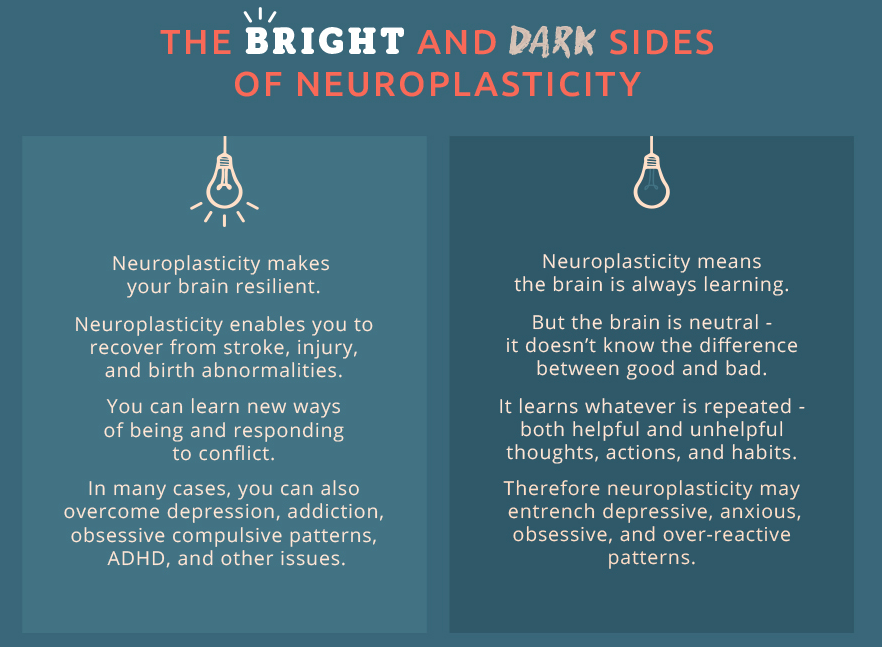
Imagine, for a moment, the human brain not as a static, immutable organ, but as an endlessly evolving supercomputer. Every interaction, every lesson, every emotion encountered during our waking hours adds data, builds new pathways, and strengthens existing connections. This incredible adaptability, the brain’s ability to change its structure and function in response to experience, is what neuroscientists call neuroplasticity. For decades, it was believed that this phenomenal capacity was largely confined to childhood, gradually diminishing with age. We now know this to be a profound misconception. The adult brain remains remarkably plastic, and nowhere is this more evident, more essential, than during the hours we spend unconscious, traversing the landscapes of sleep.
This article delves into the fascinating narrative of how sleep, far from being a passive state, is an active workshop where the raw materials of daily experience are forged into lasting memories, innovative solutions, and emotional fortitude. We will explore the intricate dance of brainwaves, the silent work of cellular repair, and the remarkable mechanisms by which our nocturnal journey sculpts the very essence of who we are, preparing us not just to survive, but to thrive in an ever-complex world. For the knowledgeable mind, understanding "Neuroplasticity in the Dark" isn’t merely academic; it’s an invitation to unlock unprecedented levels of personal and professional achievement.
The Brain’s Nocturnal Symphony: A Journey Through Sleep Stages
To truly appreciate the neuroplastic magic of sleep, we must first understand its architecture. Sleep is not a monolithic state but a dynamic progression through distinct stages, each with its own unique brainwave patterns and neurophysiological functions. This journey, typically cycling every 90-110 minutes, is a meticulously orchestrated performance that underpins the brain’s rewiring capabilities.
Our descent into sleep begins with NREM (Non-Rapid Eye Movement) sleep, which is further subdivided:
- N1 (Stage 1): The lightest stage, a transitional period between wakefulness and sleep. Brain activity begins to slow, characterized by theta waves. This is where the brain starts to disengage from external stimuli, and muscle activity decreases. While not overtly "plastic," it’s the gateway to deeper work.
- N2 (Stage 2): Deeper than N1, this stage is marked by distinct brainwave patterns: sleep spindles and K-complexes. Sleep spindles are bursts of high-frequency brain activity thought to play a critical role in memory consolidation, specifically in transferring memories from the hippocampus (the brain’s temporary storage for new information) to the neocortex (the long-term storage). K-complexes, large, slow waves, are believed to protect sleep from awakening stimuli and also contribute to memory processing.
- N3 (Stage 3), or Slow-Wave Sleep (SWS): This is the deepest and most restorative stage of NREM sleep, characterized by prominent delta waves – the slowest and highest amplitude brainwaves. SWS is a powerhouse for neuroplasticity. During this time, the brain engages in a critical process known as synaptic downscaling, or synaptic homeostasis. Imagine the brain as a garden that has been overwatered and overgrown during the day’s experiences. SWS acts as the gardener, pruning back weaker, less important synaptic connections to preserve energy and enhance the signal-to-noise ratio for the most salient memories. This "resetting" of synaptic strength prevents saturation and prepares the brain for new learning the following day. It’s during SWS that declarative memories (facts, events) are vigorously consolidated, moved from their temporary hippocampal home to more permanent cortical residences.
Following NREM sleep, we transition into REM (Rapid Eye Movement) sleep. This stage is paradoxical: while the body is largely paralyzed, the brain is highly active, resembling wakefulness in its electrical patterns. Characterized by rapid eye movements, vivid dreaming, and muscle atonia, REM sleep is a crucial period for different facets of neuroplasticity:
- Emotional Processing: REM sleep is vital for processing emotional experiences, reducing the emotional charge of traumatic or stressful memories, and integrating them into our broader narrative without overwhelming our emotional systems. The amygdala, the brain’s emotional hub, is highly active during REM sleep, but without the modulating influence of norepinephrine, allowing for a "safe" environment for emotional reprocessing.
- Creative Problem Solving: The free-associative nature of dreams during REM sleep is thought to facilitate novel connections between disparate ideas, leading to breakthroughs in problem-solving and enhanced creativity. When you "sleep on a problem," it’s often REM sleep that provides the fertile ground for those "aha!" moments.
- Procedural Memory Consolidation: While SWS handles declarative memories, REM sleep appears particularly important for consolidating procedural memories (skills, habits, motor learning). Practicing a new skill before sleep and then experiencing robust REM sleep often leads to significant improvements in performance the next day.
- Synaptic Potentiation: While SWS prunes, REM sleep might also contribute to strengthening certain synaptic connections, particularly those relevant to new learning and skill acquisition, ensuring that crucial information isn’t lost in the synaptic downscaling of SWS.
These alternating cycles of NREM and REM sleep create a powerful, dynamic environment for the brain’s continuous reorganization. It’s a precisely timed sequence, a nocturnal ballet, where different aspects of our cognitive and emotional landscape are meticulously sculpted and refined.
The Mechanisms of Rewiring: A Deeper Dive
The journey through sleep stages reveals the "what," but a knowledgeable audience demands the "how." The precise mechanisms by which sleep orchestrates neuroplasticity are complex and continue to be a vibrant area of research.
Synaptic Homeostasis Hypothesis (SHY)
One of the most influential theories explaining sleep’s role in neuroplasticity is the Synaptic Homeostasis Hypothesis (SHY), proposed by Giulio Tononi and Chiara Cirelli. SHY posits that wakefulness is a period of net synaptic potentiation – our synapses strengthen and grow as we learn and interact with the world. This is essential for encoding new information, but it comes at a cost: increased metabolic demand, risk of synaptic saturation (where all synapses become equally strong, making it difficult to discern important signals from noise), and decreased efficiency.
Sleep, particularly SWS, acts as a global synaptic downscaling mechanism. It selectively weakens the less salient synapses, preserving the most important ones. This "renormalization" achieves several critical goals:
- Energy Conservation: Stronger synapses require more energy. Downscaling reduces the overall energy expenditure, allowing the brain to recover.
- Increased Signal-to-Noise Ratio: By pruning the "noise" of weaker connections, the brain enhances the "signal" of important memories, making them more accessible and robust.
- Restoring Plasticity: It resets the synaptic "gain," making the brain receptive to new learning the next day. Without this downscaling, the brain would quickly become saturated and unable to form new memories effectively.