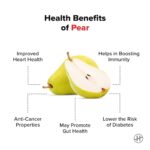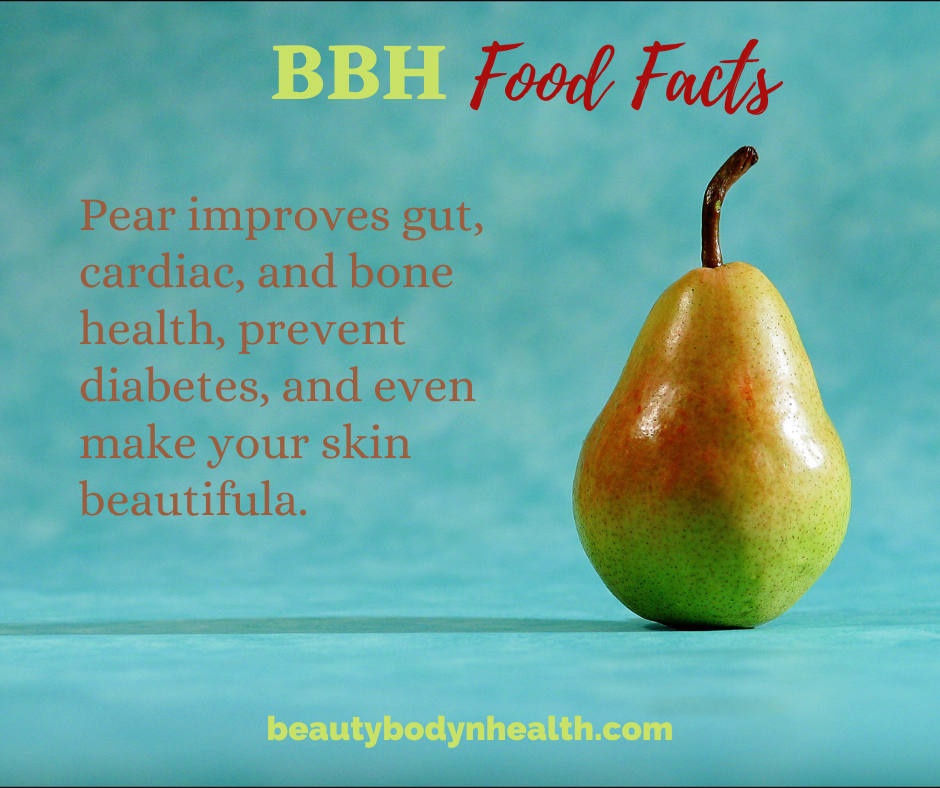

In the grand tapestry of human wellness, where ancient wisdom often intertwines with cutting-edge science, the concept of "detoxification" has frequently been a subject of both fascination and contention. While modern marketing often conjures images of restrictive fasts and exotic elixirs, the true story of detoxification is far more subtle, continuous, and inherently tied to the efficient functioning of our own biological systems. At the heart of this intricate process lies a vibrant, often overlooked ecosystem within us: the gut microbiome. And within the pantheon of foods that gently support this inner world, an unassuming hero stands out – the humble pear.
This isn’t a tale of aggressive cleanses or fleeting health fads. This is the story of a fruit that has graced our tables for millennia, whose delicate sweetness and fibrous texture conceal a powerful arsenal of compounds specifically designed to nurture our gut, facilitate natural detoxification pathways, and foster a state of profound, holistic well-being. For the discerning individual seeking to understand the nuanced interplay between diet and inner health, the pear offers a compelling narrative, a testament to nature’s profound ability to heal and sustain.
The Inner Universe: Understanding Your Gut Microbiome
Before we delve into the pear’s specific contributions, let us first appreciate the magnificent complexity of the human gut. Far from being a mere digestive tube, our intestines host trillions of microorganisms – bacteria, viruses, fungi, and other microbes – collectively known as the gut microbiome. This intricate community, weighing as much as a brain, functions as an additional organ, profoundly influencing virtually every aspect of our health, from nutrient absorption and immune function to mood regulation and even genetic expression.
When this delicate balance, known as eubiosis, is disrupted, a state called dysbiosis can ensue. This imbalance, characterized by an overgrowth of harmful bacteria or a lack of beneficial ones, has been linked to a startling array of modern ailments: inflammatory bowel diseases, irritable bowel syndrome, obesity, type 2 diabetes, autoimmune conditions, allergies, and even neurological disorders like depression and anxiety. Our diet, lifestyle, stress levels, and exposure to environmental toxins all play a crucial role in shaping this inner universe.
The concept of "detox" then, when understood through the lens of gut health, isn’t about purging. It’s about supporting. It’s about providing the right environment, the right fuel, and the right signals to empower our body’s inherent detoxification systems – primarily the liver and kidneys, but critically, also the gut itself – to function optimally. And this is precisely where the pear steps onto the stage.
Unveiling the Pear’s Gut-Friendly Arsenal
The pear, with its characteristic bell shape and juicy flesh, might seem unassuming, but its nutritional profile is a symphony of compounds specifically tailored to promote gut health and gentle detoxification. Let’s break down its powerful components:
1. The Fiber Powerhouse: Soluble and Insoluble Synergy
At the core of the pear’s gut-health prowess lies its exceptional fiber content. A medium-sized pear packs around 6 grams of dietary fiber, a significant portion of the recommended daily intake. But it’s not just the quantity; it’s the quality and variety of fiber that truly sets it apart. Pears contain both soluble and insoluble fiber, working in concert to create a holistic gut-support system.
-
Soluble Fiber (Pectin): Pears are particularly rich in pectin, a type of soluble fiber that dissolves in water to form a gel-like substance. This gel performs several critical functions:
- Moderates Digestion and Nutrient Absorption: It slows down the digestive process, leading to a more gradual release of sugars into the bloodstream, which helps stabilize blood glucose levels. This prevents energy crashes and reduces the burden on the pancreas.
- Cholesterol Management: Pectin binds to bile acids in the digestive tract, preventing their reabsorption and prompting the liver to use more cholesterol to produce new bile, thereby helping to lower LDL ("bad") cholesterol levels.
- Prebiotic Fuel: This is where pectin truly shines for gut health. As it travels largely undigested to the large intestine, it becomes a preferential food source for beneficial gut bacteria, particularly Bifidobacterium and Lactobacillus species. These bacteria ferment pectin, producing vital short-chain fatty acids (SCFAs).
-
Insoluble Fiber: The gritty texture of a pear, especially near the core and in the skin, is due to its insoluble fiber content. This type of fiber does not dissolve in water and remains largely intact as it passes through the digestive system. Its benefits are equally crucial:
- Bulking Agent: Insoluble fiber adds bulk to stool, making it softer and easier to pass. This is fundamental for preventing constipation and promoting regular bowel movements – a critical aspect of efficient waste elimination and "detoxification."
- Intestinal "Scrubber": As it moves through the colon, insoluble fiber acts like a gentle brush, helping to sweep away accumulated waste products, toxins, and metabolic byproducts that might otherwise linger and contribute to inflammation or reabsorption.
- Accelerated Transit Time: By speeding up the passage of waste through the gut, insoluble fiber reduces the time potential toxins spend in contact with the intestinal lining, minimizing their opportunity for absorption.
The synergy between these two fiber types is what makes the pear such a powerful digestive aid. Soluble fiber feeds the good bacteria, creating a healthy environment, while insoluble fiber ensures that waste is efficiently moved out, preventing stagnation and the buildup of undesirable substances.