
The Overture: The Metabolic Symphony in Disarray
In the intricate theater of human physiology, metabolism plays the role of the grand conductor, orchestrating a complex symphony of biochemical reactions that sustain life. Every breath, every thought, every movement is a testament to the seamless, yet often overlooked, efficiency of our metabolic machinery. This symphony, however, is increasingly falling into discord. The modern epidemic of metabolic dysfunction – characterized by soaring rates of obesity, type 2 diabetes, and cardiovascular disease – signals a critical breakdown in this delicate balance. Our bodies, once finely tuned instruments, are struggling to process energy efficiently and respond appropriately to the signals that regulate fuel utilization.
At the heart of this metabolic crisis lies a fundamental challenge: the body’s ability to produce energy from the macronutrients we consume, and its sensitivity to insulin, the master hormone dictating glucose uptake and storage. While headlines often focus on macronutrients, exercise, and pharmaceutical interventions, a quieter, yet profoundly influential, player often remains in the shadows: zinc. This unassuming trace element, present in every cell, acts as a crucial "metabolic spark," igniting countless reactions, stabilizing vital structures, and amplifying critical signals essential for both robust energy production and exquisite insulin sensitivity. For the knowledgeable audience, aware of the complex interplay of micronutrients, the story of zinc in metabolism is not merely supplementary; it is foundational.
Unveiling the Spark: Zinc, the Master Conductor
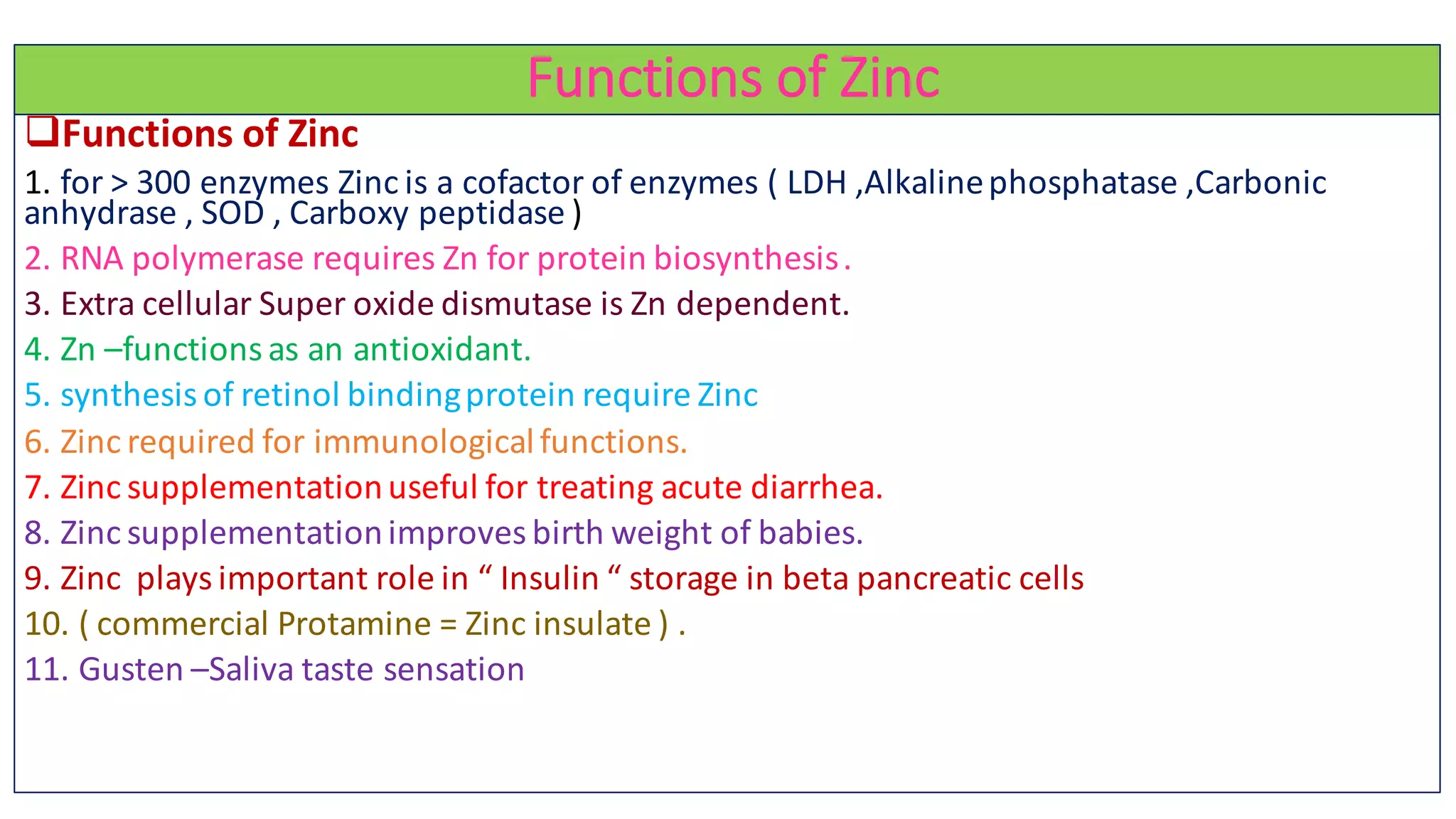
Zinc (Zn) is not merely a mineral; it is a pleiotropic micronutrient, an indispensable cofactor for over 300 enzymes and a structural component of more than 2,000 transcription factors and proteins. Its widespread involvement across virtually all biological processes underscores its fundamental importance. From DNA synthesis and immune function to wound healing and sensory perception, zinc’s fingerprints are everywhere. Yet, its role as a "metabolic spark" – a catalyst for the very engines of our cells and a sensitizer for the key hormonal signals – is where its story truly captivates.
The "spark" metaphor for zinc is apt. Just as a spark ignites combustion, leading to energy release, zinc initiates and accelerates biochemical reactions. It stabilizes the active sites of enzymes, allowing them to bind substrates efficiently and catalyze transformations. It acts as a signaling molecule, influencing gene expression and cellular communication. It provides structural integrity to proteins, ensuring they maintain their proper shape and function. Without this spark, the metabolic machinery sputters, falters, and eventually grinds to a halt. For an audience conversant in biochemistry, this means zinc is often found at the active site of metalloenzymes, directly participating in catalysis, or acting as a critical ligand for protein folding domains like zinc fingers, which are vital for gene regulation.
The Engine Room: Zinc’s Hand in Energy Production
The production of adenosine triphosphate (ATP), the universal energy currency of the cell, is a marvel of biological engineering. This process, primarily occurring within the mitochondria, involves the intricate breakdown of carbohydrates, fats, and proteins. Zinc’s role in this engine room is multifaceted, touching every major pathway of macronutrient metabolism and safeguarding the integrity of the mitochondrial powerhouse itself.
1. Macronutrient Metabolism: Fueling the Furnaces
-
Carbohydrate Metabolism: Zinc is indispensable for key enzymes in glycolysis, the pathway that breaks down glucose into pyruvate. For instance, aldolase, an enzyme critical for the cleavage of fructose-1,6-bisphosphate, is a zinc-dependent enzyme in some organisms and its activity can be influenced by zinc availability. Beyond glycolysis, zinc influences the pyruvate dehydrogenase complex (PDC), though not a direct metalloenzyme, its activity is sensitive to oxidative stress which zinc mitigates. The Krebs cycle (citric acid cycle), the central hub for oxidative metabolism, also relies on enzymes whose functionality can be indirectly supported by zinc, particularly through its antioxidant roles protecting enzyme structures. Furthermore, zinc is a cofactor for fructose-1,6-bisphosphatase, a crucial enzyme in gluconeogenesis, the process of synthesizing glucose from non-carbohydrate precursors, highlighting its role in maintaining glucose homeostasis during fasting states.
-
Fat Metabolism: The efficient oxidation of fatty acids for energy (beta-oxidation) and the synthesis of lipids are also influenced by zinc. Enzymes involved in lipid synthesis, such as fatty acid synthase, are complex multi-enzyme systems that require proper protein folding and function, often supported by zinc. More critically, zinc is involved in the metabolism of lipoproteins, which transport fats throughout the body. Zinc deficiency can impair the synthesis and secretion of very-low-density lipoproteins (VLDL), potentially leading to lipid accumulation in the liver. Its role in antioxidant defense also protects polyunsaturated fatty acids from oxidative damage, ensuring their proper utilization.
-
Protein Metabolism: Protein synthesis and degradation are profoundly zinc-dependent. RNA polymerase, the enzyme responsible for transcribing DNA into RNA (the first step in protein synthesis), is a zinc metalloenzyme. Without adequate zinc, the very blueprint for constructing metabolic enzymes and structural proteins cannot be properly read. Moreover, many peptidases and proteases, enzymes that break down proteins into amino acids for energy or recycling, are zinc-dependent. This ensures a steady supply of building blocks and energy substrates from protein turnover.
2. Mitochondrial Function: The Powerhouse Protector
The mitochondria are the cellular power plants, housing the electron transport chain (ETC) and oxidative phosphorylation – the ultimate ATP generators. Zinc plays a vital role in maintaining mitochondrial health and efficiency:
-
Antioxidant Defense: The ETC is a major site of reactive oxygen species (ROS) production. Unchecked, ROS can damage mitochondrial DNA, lipids, and proteins, impairing ATP synthesis. Zinc is a critical component of superoxide dismutase (SOD), specifically Cu/Zn-SOD (SOD1), which converts harmful superoxide radicals into less damaging hydrogen peroxide. It also upregulates metallothioneins (MTs), small cysteine-rich proteins that chelate heavy metals and scavenge free radicals, further protecting mitochondrial integrity. By mitigating oxidative stress, zinc ensures the ETC operates smoothly and efficiently, safeguarding ATP production.
-
Mitochondrial Biogenesis: While complex, preliminary research suggests zinc may play a role in mitochondrial biogenesis – the process of creating new mitochondria. This is crucial for adapting to increased energy demands and for replacing damaged mitochondria, maintaining cellular energy capacity.