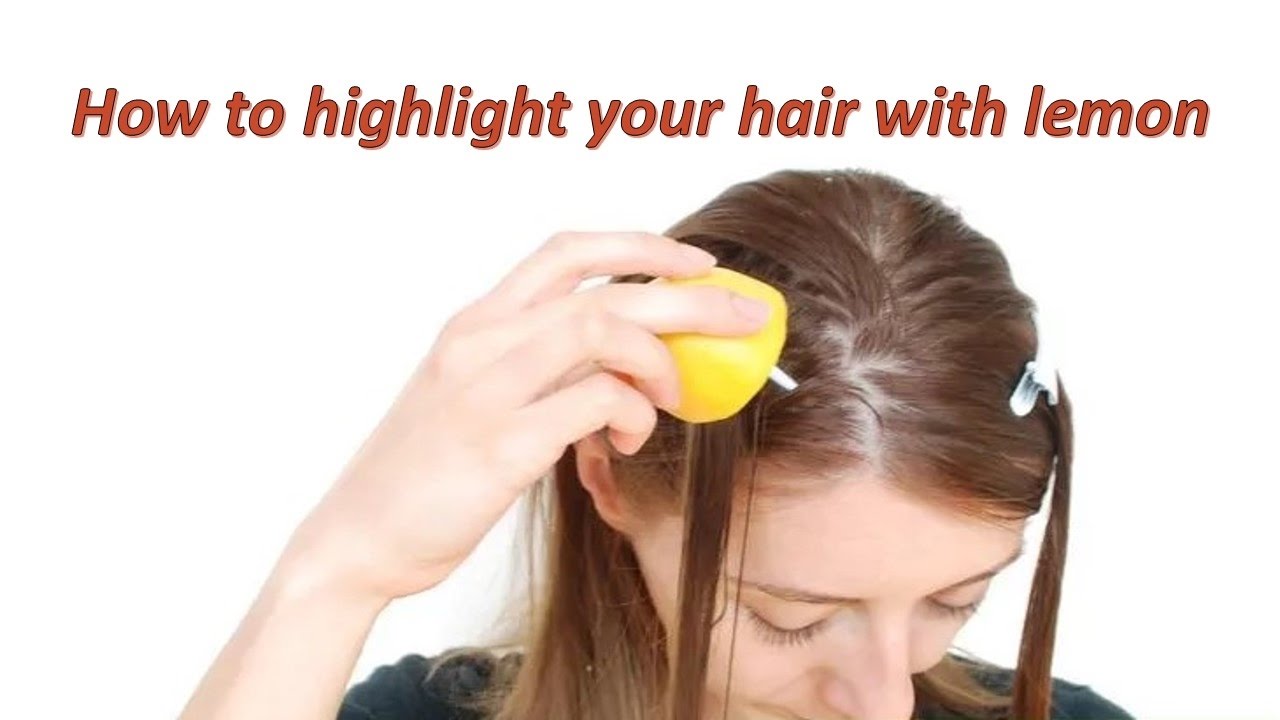

The scent of lemons is inextricably linked with summer. It evokes images of sun-drenched days, refreshing drinks, and perhaps, for many, the tantalizing promise of sun-kissed hair. For generations, the idea of squeezing a fresh lemon over one’s strands and basking in the sun has been whispered as a secret to achieving effortless, natural highlights. It’s a practice steeped in tradition, passed down through whispers and magazine tips, seemingly benign and wonderfully natural. But beneath this alluring facade of simplicity and organic beauty, lies a complex interplay of chemistry, biology, and the relentless power of the sun. Is this age-old beauty hack a golden ticket to luminous locks, or a potent recipe for irreversible damage? For the discerning individual, armed with knowledge and a desire to truly understand their hair, the answer is far from straightforward, revealing a story far richer and more cautionary than the initial innocent spritz suggests.
The Golden Allure: A Historical & Cultural Fascination
The quest for lighter, brighter hair is not a modern phenomenon. History is replete with examples of cultures and individuals striving to alter their hair color, often towards lighter shades. The ancient Greeks and Romans, for instance, were known to use various concoctions, including potash and even pigeon dung, to lighten their hair. However, it was perhaps during the Renaissance, particularly in Venice, that the art of hair lightening reached an iconic zenith. Venetian noblewomen, immortalized in countless paintings, would spend hours on terraces, their hair fanned out under the scorching sun, often treated with mixtures that are believed to have included lye and, yes, lemon juice. These "Venetian blondes" became a symbol of beauty and status, setting a precedent for the desirability of golden tresses.
Fast forward to the mid-20th century, and the lemon-and-sun ritual saw a resurgence, particularly in the free-spirited culture of the 1960s and 70s. As a counterpoint to artificiality and expensive salon treatments, the allure of a "natural" method held immense appeal. It was accessible, cost-effective, and aligned with a back-to-nature ethos. Magazines and beauty gurus perpetuated the myth, suggesting that a simple lemon rinse could mimic the sun’s natural lightening effect, resulting in subtle, beautiful highlights without the harsh chemicals of traditional bleaches. The narrative was compelling: a fresh, fragrant fruit, combined with the warmth of the sun, delivering a gentle, organic transformation. It promised a glow that felt authentic, effortless, and uniquely "you."
The perceived mechanism was deceptively simple: the acid in the lemon juice somehow "opens up" the hair cuticle, allowing the sun to penetrate and lighten the hair’s natural pigment. This explanation, while containing a grain of truth regarding the cuticle, significantly oversimplifies the complex photochemistry at play and, crucially, overlooks the profound damage being inflicted at a molecular level. The desire for a quick, natural fix often eclipses a deeper understanding of the science, making the lemon-and-sun ritual a tempting, yet potentially perilous, path.
Unpacking the Science: The Chemistry of Lemon, Hair, and Sunlight
To truly understand whether lemons offer natural highlights or a recipe for damage, we must delve into the intricate world of chemistry and hair biology. It’s a tale of pH, photochemistry, and protein degradation.
The Lemon’s Chemical Arsenal: Citric Acid and Furocoumarins
At the heart of a lemon’s lightening prowess is citric acid. This organic acid is a common ingredient in many cosmetic products, celebrated for its exfoliating properties in skincare (as an Alpha Hydroxy Acid, AHA). However, its role on hair is far less benign. Lemon juice is highly acidic, typically registering a pH of around 2-3. For context, healthy hair and scalp maintain a slightly acidic pH of 4.5-5.5. When a substance with a pH of 2 is applied to hair, it causes the outermost layer, the cuticle, to swell and lift. This lifting action, while sometimes used in very controlled cosmetic formulations to aid penetration, when uncontrolled and combined with other factors, leaves the hair vulnerable.
Beyond citric acid, lemons contain another class of compounds crucial to this discussion: furocoumarins, specifically psoralens. These are naturally occurring organic compounds found in many plants, including citrus fruits, celery, and parsley. Furocoumarins are known for their photosensitizing properties. This means they significantly enhance the skin’s (and in this case, the hair’s) sensitivity to ultraviolet (UV) radiation. When exposed to UV light, furocoumarins become highly reactive, initiating a cascade of chemical reactions. In the skin, this can lead to severe sunburn (phytophotodermatitis) and even increase the risk of skin cancer with prolonged exposure. On hair, their role is equally concerning.
Hair Structure 101: A Microscopic View
To appreciate the damage, we must first understand the architecture of hair. Each strand is a complex structure:
- Cuticle: The outermost layer, composed of overlapping, scale-like cells (like shingles on a roof). Its primary function is to protect the inner cortex. When healthy, cuticles lie flat, reflecting light and giving hair its shine.
- Cortex: The thickest layer, located beneath the cuticle. It contains the majority of the hair’s keratin (a fibrous protein) and the melanin pigments responsible for hair color. Keratin is held together by strong disulfide bonds, which provide hair with its strength and elasticity.
- Medulla: The innermost core, present in some, but not all, hair types. Its exact function is still debated.
Hair color is determined by the type and amount of melanin in the cortex. Eumelanin produces black and brown tones, while pheomelanin is responsible for red and yellow tones. The ratio of these pigments dictates your natural hair color.
The True Mechanism of Lemon-Induced Lightening: Oxidative Damage
With the players introduced, we can now piece together the grim reality of how lemon juice "lightens" hair. It’s not a gentle, natural process; it’s a form of oxidative damage, akin to a slow, uncontrolled bleach.
-
Cuticle Disruption: The highly acidic citric acid in lemon juice immediately causes the hair’s cuticle to lift and swell. This compromises the hair’s protective barrier, making the inner cortex, with its precious keratin and melanin, directly accessible to external aggressors.
-
UV Penetration and Melanin Degradation: With the cuticle compromised, the sun’s powerful UV radiation can penetrate deep into the cortex. UV light, particularly UVA and UVB rays, is a potent oxidizer. It directly breaks down the melanin granules within the cortex. This process is essentially photobleaching. Eumelanin (dark pigment) is generally more susceptible to initial breakdown, revealing the underlying pheomelanin (red/yellow pigment), which is why darker hair often turns brassy orange or yellow rather than a true blonde.
-
Furocoumarin Amplification: This is where the photosensitizing furocoumarins play their insidious role. Once absorbed by the hair, these compounds act as UV amplifiers. They absorb UV energy and transfer it to oxygen molecules within the hair, creating highly reactive free radicals (e.g., singlet oxygen). These free radicals then launch a full-scale assault on the hair’s components. They accelerate the degradation of melanin, making the lightening process more pronounced and faster than sun exposure alone would achieve.
-
Keratin and Disulfide Bond Destruction: Crucially, free radicals don’t just target melanin. They also attack the very structural integrity of the hair. They break down the keratin proteins that form the cortex and, more critically, they disrupt the strong disulfide bonds that hold the keratin chains together. These bonds are responsible for hair’s strength, elasticity, and shape. When these bonds are broken, the hair’s internal structure is severely weakened.
In essence, applying lemon juice to your hair and then exposing it to the sun is not a "natural highlight" process. It is a chemically enhanced, sun-driven bleaching process that operates through uncontrolled oxidative damage, leaving a trail of destruction at a molecular level.
The Dark Side of the Golden Glow: The Recipe for Damage Unveiled
The consequences of this oxidative assault are far-reaching and cumulative, manifesting as a host of undesirable hair conditions. What begins as a desire for natural highlights often culminates in a "recipe for damage" that can take months, or even years, to mitigate.
1. Dryness and Brittleness:
The initial and most noticeable symptom. The disrupted cuticle can no longer effectively seal in moisture, leading to a significant loss of hydration. The hair becomes parched, rough to the touch, and loses its natural elasticity. It feels like straw, dry and brittle, making it prone to breakage.
2. Frizz and Rough Texture:
With the cuticle scales lifted, the hair’s surface becomes uneven. Instead of lying flat and smooth, allowing light to reflect evenly, the raised cuticles cause light to scatter, resulting in a dull, frizzy appearance. The hair loses its natural smoothness and becomes coarse and unruly.
3. Loss of Shine and Luster:
Healthy hair has a smooth, intact cuticle that reflects light beautifully. Damaged cuticles, riddled with microscopic cracks and lifted scales, cannot reflect light efficiently. This leads to a noticeable dullness, a complete absence of the healthy, natural sheen that characterizes vibrant hair.
4. Unwanted Color Shifts and Brassiness:
While the goal is golden highlights, the reality is often less glamorous. As eumelanin (dark pigment) breaks down, the underlying pheomelanin (red/yellow pigment) becomes more prominent. This is why darker hair types, in particular, often develop unwanted orange, yellow, or brassy tones rather than a clean, cool blonde. The lightening is often uneven and uncontrolled, leading to a patchy, artificial look.
5. Increased Breakage and Split Ends:
The breakdown of keratin proteins and disulfide bonds significantly weakens the hair’s internal structure. This compromised integrity makes the hair extremely fragile and susceptible to breakage from everyday styling, brushing, or even just touching. Split ends become rampant as the hair shaft frays and deteriorates.
6. Scalp Irritation and Photosensitivity:
The highly acidic lemon juice can irritate the scalp, especially if it’s sensitive or has minor abrasions. Furthermore, the furocoumarins, while primarily acting on hair in this context, can also affect the scalp, increasing its photosensitivity. This can lead to redness, itching, and even a mild chemical burn-like reaction for some individuals, particularly with prolonged sun exposure.
7. Cumulative and Irreversible Damage:
Perhaps the most insidious aspect is the cumulative nature of the damage. Each application of lemon juice followed by sun exposure adds to the existing structural deterioration. Hair damage, especially to the protein structure, is largely irreversible. While products can temporarily mask the symptoms and improve the hair’s appearance, the fundamental integrity of the hair shaft cannot be fully restored once it’s been chemically compromised. The only true "cure" for severely damaged hair is to cut it off and allow healthy hair to grow in.
Who is Most at Risk?
While all hair types can suffer, certain individuals and hair conditions are particularly vulnerable to the ravages of lemon juice and sun:
- Fine or Thin Hair: These hair types have less structural integrity to begin with and are therefore more prone to breakage and damage.
- Color-Treated or Chemically Processed Hair: Hair that has already undergone chemical treatments (dyeing, perms, relaxers) has a compromised cuticle and internal structure. Applying lemon juice on top of this is akin to adding insult to injury, accelerating the damage exponentially.
- Naturally Dry or Damaged Hair: If your hair is already prone to dryness, frizz, or split ends, lemon juice will exacerbate these issues significantly.
- Darker Hair Tones: While the lightening effect might be less pronounced, the risk of developing brassy, orange, or uneven tones is much higher, leading to an undesirable result.
- Individuals with Sensitive Scalps: The high acidity can cause irritation, itching, and discomfort.
- Those Seeking Significant Lightening: The more you apply lemon juice and expose your hair to the sun in pursuit of a dramatic change, the greater the extent of the damage will be.
Debunking the Myths: Separating Fact from Fiction
The enduring popularity of the lemon-for-hair hack is fueled by several persistent myths that require direct confrontation:
- Myth 1: "It’s natural, so it’s safe." This is perhaps the most dangerous misconception. Natural does not equate to safe or gentle. Cyanide is natural, hemlock is natural, poison ivy is natural – and all are harmful. While lemons are natural, their chemical components, particularly when combined with UV radiation, are potent and destructive to hair.
- Myth 2: "It’s like a gentle, natural bleach." There is nothing gentle about it. Traditional bleaches use hydrogen peroxide and an alkaline agent to open the cuticle and oxidize melanin in a somewhat controlled manner (though still damaging). Lemon juice, with its high acidity and furocoumarins, causes an uncontrolled oxidative process that is arguably more damaging because it also attacks the hair’s protein structure indiscriminately, without the protective or conditioning agents found in professional lightening products.
- Myth 3: "It conditions your hair." Absolutely false. The high acidity and subsequent damage strip the hair of its natural oils, lift the cuticle, and compromise its ability to retain moisture. Far from conditioning, it dehydrates and weakens.
- Myth 4: "Just rinse it out, and the damage is gone." Rinsing removes the superficial lemon residue, but the chemical reactions initiated by the UV light and furocoumarins within the hair shaft are irreversible. The degradation of melanin and protein structure has already occurred. You cannot simply wash away the damage.
- Myth 5: "It’s only damaging if you do it frequently." While cumulative damage is worse, even a single prolonged exposure can cause noticeable dryness, brittleness, and alter the hair’s texture and color, especially if the hair is already compromised.
A Cautionary Tale: The Price of a "Natural" Glow
Let me tell you a story, not of a specific individual, but a composite of countless experiences shared in hushed tones in salon chairs and online forums. Meet Sarah, a bright-eyed teenager, longing for the sun-kissed streaks she saw on magazine covers. Her natural hair was a rich, dark blonde, and she imagined it transformed into a cascade of buttery highlights. Armed with a bag of lemons and the enthusiastic endorsement of an older cousin, she embarked on her journey.
The first application felt invigorating. The citrusy scent mingled with the summer breeze, and as she lay by the pool, she felt a thrill of anticipation. After a few hours, rinsing her hair, she saw it – subtle, golden glints catching the light. Success! She felt beautiful, effortlessly natural. This initial triumph fueled her resolve, and over the next few weeks, the ritual became a regular summer pastime. More lemons, more sun, more perceived highlights.
But slowly, insidiously, a change began. The hair that once felt soft and silky started to feel rough, almost coarse, beneath her fingertips. Brushing became a chore, each stroke encountering snags and tangles. Her once vibrant blonde was now a confusing mix of patchy yellow and an unsettling, brassy orange, particularly underneath. The "highlights" she’d so desired had morphed into a dull, lifeless expanse. Her hair, once her crowning glory, was now a source of frustration and embarrassment.
She tried conditioners, then deep conditioners, then hair masks – anything to restore the lost softness. But nothing worked. Her hair had become a brittle, frizzy halo, prone to snapping at the slightest tension. The ends, once neatly trimmed, were now a forest of split ends, refusing to lie flat. She looked in the mirror and no longer saw the effortless beauty she had envisioned, but a reflection of neglect and damage. The "natural" solution had led her down a path of profound disappointment, requiring months of careful treatment, protein masks, bond repairers, and regular trims to slowly nurse her hair back to a semblance of health. The golden glow had come at a heavy, unexpected price.
Repair and Prevention: Reclaiming Hair Health
If you, like Sarah, have fallen prey to the lemon-and-sun myth, or are simply looking for safer alternatives, there is hope and a path forward.
For Damaged Hair:
- Stop the Damage Immediately: Cease all lemon applications and prolonged, unprotected sun exposure.
- Deep Conditioning and Hydration: Invest in high-quality, intensive hydrating masks and leave-in conditioners. Look for ingredients like hyaluronic acid, ceramides, and natural oils (argan, jojoba, coconut – used correctly). These will help replenish lost moisture and temporarily smooth the cuticle.
- Protein Treatments: Damaged hair often lacks protein. Incorporate protein-rich masks or treatments to help rebuild the keratin structure. However, be cautious not to overuse protein, as too much can make hair brittle. Balance protein with moisture.
- Bond-Repairing Treatments: Products containing ingredients designed to repair broken disulfide bonds (e.g., maleic acid, bis-aminopropyl diglycol dimaleate) can be incredibly beneficial in restoring internal strength to severely compromised hair.
- Gentle Hair Care Routine:
- Use sulfate-free, gentle shampoos and conditioners.
- Avoid hot water; rinse with lukewarm or cool water.
- Minimize heat styling (blow dryers, straighteners, curling irons). If you must use heat, always apply a heat protectant.
- Be gentle when brushing wet hair; use a wide-tooth comb.
- Avoid tight hairstyles that pull on the hair.
- Regular Trims: The only way to truly get rid of split ends and severely damaged hair is to cut it off. Regular trims will prevent the damage from traveling further up the hair shaft and promote healthier growth.
- Patience and Consistency: Hair repair is a marathon, not a sprint. It takes time, consistent effort, and a dedicated routine to nurse damaged hair back to health.
Safer Alternatives to Lemon Juice:
For those still yearning for lighter locks, there are numerous options that offer a more controlled and less damaging approach:
- Professional Salon Highlights: A skilled colorist can achieve beautiful, multi-dimensional highlights using professional-grade products that are formulated with protective agents. They can control the lightening process, ensuring evenness and minimizing damage.
- Hair Lightening Sprays (with caution): Several brands offer gradual lightening sprays. While many contain hydrogen peroxide, they are often formulated with conditioning agents and are designed for controlled, subtle lightening over time. However, they are still a chemical process and should be used sparingly and with adherence to instructions.
- Chamomile or Rhubarb Root Rinses (for very subtle lightening): For extremely subtle, non-damaging brightening, chamomile tea or rhubarb root rinses can be tried. These will not deliver dramatic highlights but might offer a very slight golden tint, especially to lighter hair. They work through gentle staining, not oxidative damage.
- Sun Protection for Hair: If you spend time outdoors, protect your hair from UV damage regardless of whether you’re trying to lighten it. Wear hats, scarves, or use UV-protective hair sprays. This prevents natural sun damage, which is still a concern, albeit less aggressive than lemon-enhanced sun damage.
- Temporary Color Sprays/Gels: For a commitment-free highlight, consider temporary color sprays or hair chalks that wash out with shampoo. These offer immediate gratification without any long-term consequences.
Conclusion: The True Value of Hair Health
The story of lemons for hair is a potent reminder that "natural" does not always equate to "harmless." While the allure of effortless, sun-kissed highlights achieved with a simple squeeze of a lemon is undeniably strong, the scientific reality paints a far more concerning picture. The combination of highly acidic citric acid, photosensitizing furocoumarins, and relentless UV radiation initiates a cascade of oxidative damage, systematically breaking down the very structure of the hair. This leads to profound dryness, brittleness, frizz, unwanted brassiness, and ultimately, irreversible structural compromise.
For the knowledgeable individual, understanding the intricate biology of hair and the chemistry at play is paramount. The narrative of natural beauty must be tempered with scientific discernment. The fleeting promise of a "golden glow" via lemon juice often comes at the heavy price of compromised hair health, leading to months of restorative care and potential regret.
True beauty, in the context of hair, stems from its intrinsic health – its strength, elasticity, shine, and vitality. While the pursuit of a desired aesthetic is natural, it should never come at the expense of fundamental well-being. In the vast landscape of hair care, there are safer, more effective, and professionally guided pathways to achieve desired color changes without sacrificing the integrity of your precious strands. Let the lemon remain in your lemonade, where its refreshing properties can be enjoyed without fear, and choose instead to nurture your hair with wisdom, patience, and scientifically sound practices. Your hair, vibrant and healthy, is the truest golden highlight of all.