
The human heart, a tireless marvel of biological engineering, beats approximately 100,000 times a day, pumping life-sustaining blood through an intricate network of vessels spanning over 60,000 miles. It is the engine of our existence, yet for millions across the globe, this vital organ becomes a source of profound vulnerability. Cardiovascular disease (CVD), encompassing conditions like heart attacks, strokes, and heart failure, remains the leading cause of death worldwide, a silent epidemic often rooted in lifestyle choices.
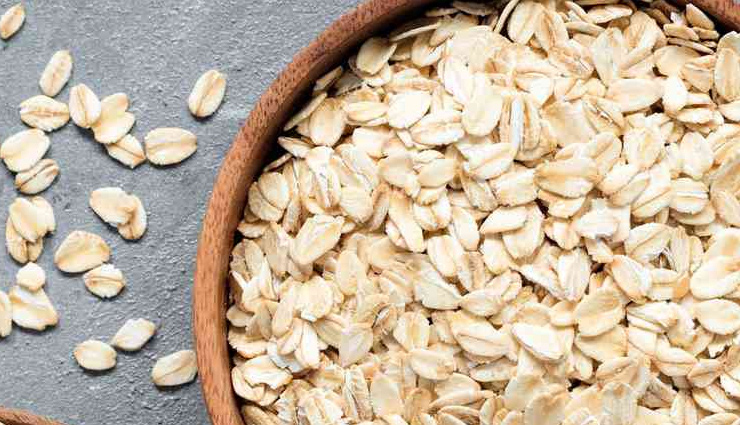
In our relentless pursuit of longevity and well-being, we frequently seek grand, revolutionary solutions. Yet, sometimes, the most profound impacts come from the simplest, most enduring habits. This is the story of a humble grain, Avena sativa, more commonly known as oats, and its remarkable potential to be a steadfast ally in the battle against heart disease. Can a daily bowl of this unassuming breakfast staple truly move the needle on such a formidable health challenge? The scientific journey into the heart of the oat suggests a resounding, nuanced yes.
The Global Burden of Cardiovascular Disease: A Pressing Narrative
Before we delve into the therapeutic potential of oats, it’s crucial to grasp the scale of the adversary. Cardiovascular disease is not merely a medical diagnosis; it’s a societal burden, an economic drain, and a personal tragedy for countless families. It’s estimated that CVD accounts for roughly one-third of all deaths globally, claiming over 17 million lives annually. The numbers are staggering, but behind each statistic lies a human story of pain, disability, and premature loss.
Risk factors for CVD are well-documented and often interconnected: high blood pressure (hypertension), elevated cholesterol levels (dyslipidemia), type 2 diabetes, obesity, physical inactivity, unhealthy diet, smoking, and chronic stress. Many of these factors are modifiable, meaning they can be influenced and improved through deliberate lifestyle changes. This reality fuels the ongoing quest for accessible, sustainable, and effective strategies to promote heart health.
The narrative of heart disease is often one of slow, insidious progression. Atherosclerosis, the hardening and narrowing of arteries due to plaque buildup, can begin decades before symptoms manifest. This plaque, composed of cholesterol, fatty substances, cellular waste products, calcium, and fibrin, gradually chokes off blood flow, leading to angina, heart attacks, and strokes. Managing cholesterol, particularly low-density lipoprotein (LDL) cholesterol – often dubbed "bad" cholesterol – and controlling blood sugar are paramount in mitigating this process. This is where the story of oats truly begins to intertwine with the narrative of heart health.
Enter Avena Sativa: The Humble Oat and Its Ancient Legacy
Oats have been cultivated for millennia, their origins tracing back to the Fertile Crescent. Initially considered a weed among other cereal crops like wheat and barley, their resilience and adaptability to cooler, wetter climates eventually earned them recognition as a valuable food source. From ancient Roman soldiers consuming them for sustenance to their widespread adoption in Scotland and Ireland, oats have nourished generations.
Beyond their historical significance, oats possess a compelling nutritional profile. They are a whole grain, meaning they contain all three parts of the kernel: the bran (outer layer, rich in fiber, B vitamins, and minerals), the germ (embryo, packed with healthy fats, vitamin E, and B vitamins), and the endosperm (inner part, primarily carbohydrates and protein). This inherent wholeness is a foundational aspect of their health benefits, distinguishing them from refined grains that strip away much of their nutritional value.
What sets oats apart from many other grains, however, is not just their general nutritional density but the unique composition of their soluble fiber, a compound that has garnered significant scientific attention for its profound effects on human physiology, particularly cardiovascular health.
The Star Player: Beta-Glucan – A Soluble Fiber Superhero
At the heart of the oat’s heart-healthy narrative lies beta-glucan, a highly viscous soluble fiber. Unlike insoluble fibers that primarily add bulk and aid transit, soluble fibers like beta-glucan dissolve in water, forming a gel-like substance in the digestive tract. This seemingly simple physical property initiates a cascade of beneficial effects that directly address key risk factors for heart disease.
1. The Cholesterol Conundrum: Trapping and Eliminating
One of the most extensively studied and well-established benefits of oat beta-glucan is its ability to lower LDL cholesterol. The mechanism is elegant and multifaceted:
- Viscosity and Bile Acid Binding: When consumed, the beta-glucan in oats forms a thick, sticky gel in the small intestine. This gel physically traps bile acids – compounds produced by the liver from cholesterol and secreted into the gut to aid fat digestion. Normally, a significant portion of these bile acids are reabsorbed and recycled back to the liver. However, with the beta-glucan gel acting as a binder, a larger proportion of bile acids are prevented from reabsorption and are instead excreted in feces.
- Liver’s Call for Cholesterol: To replenish the lost bile acids, the liver must synthesize new ones. To do this, it draws upon cholesterol circulating in the bloodstream, particularly LDL cholesterol. This process effectively "clears" LDL particles from the blood, leading to a reduction in overall LDL levels.
- Reduced Cholesterol Synthesis: Some research also suggests that the fermentation of beta-glucan in the colon by gut bacteria produces short-chain fatty acids (SCFAs), particularly propionate. Propionate is thought to enter the bloodstream and travel to the liver, where it may inhibit cholesterol synthesis pathways, offering an additional mechanism for cholesterol reduction.
Numerous clinical trials and meta-analyses have consistently demonstrated that consuming 3 grams or more of oat beta-glucan daily can significantly reduce total and LDL cholesterol levels. This evidence is so robust that regulatory bodies, including the U.S. Food and Drug Administration (FDA) and the European Food Safety Authority (EFSA), have authorized health claims linking oat beta-glucan consumption to reduced risk of heart disease due to its cholesterol-lowering effects. This is a powerful endorsement of a simple food.
2. Glycemic Control and Insulin Sensitivity: Stabilizing Blood Sugar
Beyond cholesterol, managing blood sugar levels is another critical component of heart disease prevention, particularly for individuals with prediabetes or type 2 diabetes. High blood sugar and insulin resistance contribute to systemic inflammation, endothelial dysfunction (damage to the lining of blood vessels), and increased risk of atherosclerosis. Here again, oat beta-glucan steps in:
- Slowing Digestion and Absorption: The viscous gel formed by beta-glucan physically slows down the emptying of the stomach and the transit of food through the small intestine. This delayed digestion means that carbohydrates are absorbed more gradually into the bloodstream, preventing rapid spikes in blood glucose after a meal.
- Blunted Insulin Response: With a slower rise in blood sugar, the pancreas is prompted to release insulin more steadily, avoiding the sharp insulin peaks that can contribute to insulin resistance over time. This improved glycemic control is beneficial for everyone, but especially for those at risk of or living with diabetes.
- Enhanced Satiety: The delayed gastric emptying and increased viscosity in the gut also contribute to a prolonged feeling of fullness or satiety. This can help with weight management, another crucial factor in reducing heart disease risk, by potentially leading to reduced calorie intake.
By helping to stabilize blood sugar and insulin responses, a daily bowl of oats contributes to a more favorable metabolic environment, lessening the strain on the cardiovascular system and reducing inflammatory processes that drive atherosclerosis.