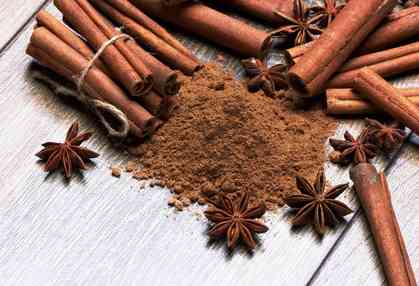

The scent of cinnamon is an embrace. It conjures images of warmth, comfort, and festive gatherings. From the sticky buns of childhood mornings to the fragrant curries of distant lands, this humble spice has woven itself into the culinary and cultural tapestries of civilizations for millennia. But beyond its aromatic allure, a more profound question often arises in the quiet corners of our health-conscious minds: Could this beloved spice, residing so innocently in our kitchen pantry, hold a secret power – the ability to safeguard our hearts by lowering cholesterol?
In an era where the pursuit of wellness often leads us down complex paths of pharmaceuticals and specialized diets, the idea that a simple, natural ingredient could be a significant ally is immensely appealing. It speaks to an ancient wisdom, a time when food was medicine and the earth’s bounty held the keys to vitality. For those of us who are knowledgeable about health, yet still seek approachable, integrated solutions, the whisper of cinnamon’s potential is irresistible. This is not merely a question of efficacy, but a story – a journey from ancient folklore to the modern crucible of scientific inquiry, exploring the intricate dance between nature’s gifts and human physiology.
The Silent Threat: Understanding Cholesterol and Our Hearts
Before we embark on cinnamon’s journey, let’s briefly contextualize the challenge it seeks to address. Cardiovascular disease remains the leading cause of death globally, and high cholesterol is a primary risk factor. Cholesterol, a waxy, fat-like substance, isn’t inherently bad; in fact, our bodies need it to build healthy cells, produce hormones, and digest fats. The problem arises when certain types of cholesterol accumulate in excess.
We often hear about "good" HDL cholesterol (High-Density Lipoprotein) which helps remove excess cholesterol from arteries, and "bad" LDL cholesterol (Low-Density Lipoprotein) which, when present in high levels, can contribute to the formation of plaque in the arteries. This process, known as atherosclerosis, narrows and stiffens blood vessels, increasing the risk of heart attacks and strokes. Triglycerides, another type of fat in the blood, also play a significant role in cardiovascular health, with high levels often correlating with elevated LDL and lower HDL.
Managing cholesterol involves a multi-pronged approach: diet, exercise, lifestyle modifications, and, when necessary, medication. The allure of natural remedies like cinnamon lies in their potential to complement these efforts, offering a gentle, daily intervention that aligns with a holistic view of health.
Cinnamon: A Spice of Ages, A Chemistry of Wonders
Our story begins not in a laboratory, but in the bustling spice markets of ancient Egypt, Rome, and China. Cinnamon, derived from the inner bark of trees belonging to the Cinnamomum genus, has been prized for thousands of years, not just for its flavor but for its purported medicinal properties. It was used in embalming rituals, as a perfume, and as a digestive aid. Its value was once comparable to gold.
Today, two main types dominate the global market, each with distinct characteristics and implications for health:
- Cassia Cinnamon (Cinnamomum cassia or Cinnamomum aromaticum): This is the most common type found in North America and much of the world. It’s often simply labeled "cinnamon" in grocery stores. It has a stronger, spicier flavor and a coarser texture. Crucially, Cassia cinnamon contains higher levels of a compound called coumarin.
- Ceylon Cinnamon (Cinnamomum verum or "true cinnamon"): Hailing primarily from Sri Lanka, this type is lighter in color, has a milder, sweeter, and more delicate flavor, and a papery, multi-layered texture. It contains significantly lower levels of coumarin.
The active compounds in cinnamon are numerous and complex. The primary aromatic compound, cinnamaldehyde, is responsible for much of its distinct flavor and smell, and is also believed to contribute to many of its health benefits. Beyond cinnamaldehyde, cinnamon boasts a rich array of polyphenols, powerful antioxidants that combat oxidative stress, and other compounds like eugenol, cinnamic acid, and various flavonoids. It is this complex cocktail of phytochemicals that makes cinnamon a fascinating subject for health research.
The Scientific Quest: Unraveling Cinnamon’s Cholesterol Enigma
The journey from traditional use to scientific validation is often long and winding, marked by initial excitement, rigorous testing, and sometimes, sobering reality. For cinnamon and cholesterol, this journey has been particularly nuanced.
The initial spark of interest in cinnamon’s lipid-lowering potential often came from observations in individuals with diabetes. Studies consistently showed that cinnamon could improve insulin sensitivity and lower blood glucose levels. Given the strong link between insulin resistance, diabetes, and dyslipidemia (unhealthy lipid profiles), it was a logical leap to investigate if cinnamon could directly impact cholesterol and triglycerides.
Early Promises: Animal Studies and Pilot Projects
Before human trials, animal studies often serve as the proving ground. Numerous studies in rats, mice, and even rabbits have indicated that cinnamon extracts or powdered cinnamon can indeed lower total cholesterol, LDL cholesterol, and triglycerides, while sometimes increasing HDL cholesterol. These studies often explored various mechanisms, such as reduced cholesterol absorption, increased bile acid excretion, and altered lipid metabolism in the liver. These findings fueled optimism, suggesting a plausible biological basis for cinnamon’s effects.
However, animal models, while informative, don’t always translate perfectly to human physiology. Differences in metabolism, diet, and disease progression mean that human clinical trials are essential for definitive answers.
The Human Crucible: Clinical Trials and Their Complex Picture
This is where the story gets intricate. Over the past two decades, numerous human clinical trials have been conducted to assess cinnamon’s impact on lipid profiles. The results, however, have been a mixed bag, leading to considerable debate and making it difficult to offer a simple "yes" or "no" answer to our central question.
What Many Studies Found (or Didn’t Find):
- Glucose and Triglycerides: A Stronger Signal: Perhaps the most consistent finding across studies is cinnamon’s ability to help regulate blood sugar and reduce triglyceride levels, particularly in individuals with type 2 diabetes or pre-diabetes. Many studies show modest but statistically significant reductions in fasting glucose and triglycerides. This is important because high triglycerides are an independent risk factor for heart disease and often accompany high LDL cholesterol.
- LDL Cholesterol: Inconsistent and Modest Effects: When it comes to directly lowering LDL cholesterol, the evidence is less compelling and far more inconsistent.
- Some studies have reported modest reductions in LDL cholesterol, sometimes ranging from 5-10%. These are often seen in specific populations, such as those with diabetes or metabolic syndrome, and usually in studies using higher doses of cinnamon (e.g., 1-6 grams per day).
- However, many other well-designed studies have found no significant effect on LDL cholesterol or HDL cholesterol. Some trials show a trend towards reduction that doesn’t reach statistical significance, while others show no change at all.