
The modern world, a relentless symphony of notifications, deadlines, and digital distractions, often views sleep as a luxury, an inefficiency to be minimized. Yet, as the sun dips below the horizon and the world quiets, the midnight hour ushers in a critical period for our health, a time when our bodies perform vital maintenance and repair, often unbeknownst to our conscious minds. Among these nocturnal processes, the intricate dance between sleep and cardiovascular health, particularly blood pressure regulation, is a profound and often overlooked narrative.
For the knowledgeable reader, the concept of hypertension – the "silent killer" – needs no introduction. Its insidious progression, often without overt symptoms, culminates in a devastating toll on the heart, brain, kidneys, and arteries. What is less widely appreciated, however, is the profound and reciprocal relationship between the quality and quantity of our sleep and the delicate balance of our blood pressure. This article delves deep into this nocturnal nexus, unveiling the physiological mechanisms, the clinical implications, and the actionable strategies to harness the power of better sleep in the battle against hypertension. It’s a story of the body’s innate wisdom, often thwarted by modern living, and the urgent need to reclaim the sanctity of the midnight hour.
The Unseen Battle: Hypertension in the Shadows
Hypertension, defined as a consistent blood pressure reading of 130/80 mmHg or higher, affects nearly half of American adults. It’s a primary risk factor for heart attack, stroke, heart failure, kidney disease, and even cognitive decline. While genetics, diet, physical activity, and stress are well-established contributors, the role of sleep has emerged as a powerful, yet often underestimated, player in this complex etiology.
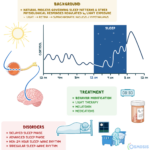
Our blood pressure naturally fluctuates throughout the 24-hour cycle. During the day, it tends to be higher, responding to the demands of activity and stress. As we transition into sleep, a healthy individual experiences a physiological dip in blood pressure, typically a 10-20% reduction from daytime levels. This nocturnal dip is a crucial period of cardiovascular rest, allowing the heart and blood vessels to recover from the day’s strain. This phenomenon is so significant that individuals who fail to experience this dip, known as "non-dippers," or worse, those whose blood pressure actually rises during sleep ("reverse dippers"), face a significantly increased risk of adverse cardiovascular events. The midnight hour, therefore, is not merely a time of inactivity, but a critical diagnostic window and a period of immense therapeutic potential.
The Midnight Hour’s Orchestra: Unpacking the Physiological Mechanisms
The intricate connection between sleep and blood pressure is not a simple cause-and-effect but a symphony of interconnected physiological systems, each playing a vital role in regulating cardiovascular function. When sleep is disrupted or insufficient, this delicate orchestra falls into disarray, leading to a cascade of events that elevate blood pressure.
1. The Autonomic Nervous System: A Perpetual State of Alarm
The autonomic nervous system (ANS) is the body’s unconscious control center, orchestrating vital functions like heart rate, digestion, and blood pressure. It comprises two main branches: the sympathetic nervous system (SNS), responsible for the "fight-or-flight" response, and the parasympathetic nervous system (PNS), which governs "rest-and-digest."
During healthy sleep, the PNS typically takes the lead, promoting relaxation, slowing heart rate, and lowering blood pressure. However, chronic sleep deprivation or disrupted sleep patterns – such as those caused by insomnia, sleep apnea, or shift work – tip the balance toward SNS dominance. The body perceives sleep deprivation as a stressor, activating the SNS. This leads to:
- Increased Catecholamine Release: Elevated levels of adrenaline and noradrenaline, potent vasoconstrictors, leading to narrowed blood vessels and increased peripheral resistance.
- Increased Heart Rate and Contractility: The heart works harder, pumping blood with greater force, further raising pressure.
- Reduced Nitric Oxide Bioavailability: Nitric oxide (NO) is a crucial vasodilator, relaxing blood vessels. SNS overactivity and associated oxidative stress can impair NO production and availability, hindering the body’s ability to lower blood pressure.
This chronic sympathetic activation, persisting even during waking hours, prevents the necessary nocturnal blood pressure dip and contributes to sustained hypertension.
2. Hormonal Dysregulation: A Symphony Gone Sour
Sleep is a powerful regulator of numerous hormones, many of which directly influence blood pressure.
- Cortisol: The primary stress hormone, cortisol naturally peaks in the morning to prepare us for the day and gradually declines throughout the day, reaching its lowest point during the early stages of sleep. Sleep deprivation disrupts this diurnal rhythm, leading to elevated evening and nighttime cortisol levels. Chronic high cortisol can increase sodium retention, enhance vascular reactivity to catecholamines, and contribute to insulin resistance, all pathways to hypertension.
- Aldosterone and the Renin-Angiotensin-Aldosterone System (RAAS): The RAAS is a major hormonal cascade that regulates blood pressure and fluid balance. Renin, an enzyme produced by the kidneys, initiates the conversion of angiotensinogen to angiotensin I, which is then converted to angiotensin II, a potent vasoconstrictor that also stimulates aldosterone release. Aldosterone promotes sodium and water reabsorption in the kidneys, increasing blood volume and pressure. Poor sleep has been linked to increased RAAS activity, leading to higher blood pressure.
- Melatonin: This hormone, primarily known for regulating sleep-wake cycles, also has vasodilatory and antioxidant properties. Melatonin levels rise as darkness falls, contributing to the nocturnal blood pressure dip. Disrupted sleep and exposure to artificial light at night can suppress melatonin production, potentially contributing to higher nighttime blood pressure.
- Leptin and Ghrelin: These hormones regulate appetite. Sleep deprivation decreases leptin (satiety hormone) and increases ghrelin (hunger hormone), leading to increased appetite, weight gain, and obesity. Obesity is a major risk factor for hypertension, often through mechanisms like insulin resistance and increased sympathetic tone.
3. Inflammation and Endothelial Dysfunction: The Silent Damage
Chronic sleep deprivation acts as a low-grade inflammatory stressor on the body. It elevates circulating levels of pro-inflammatory cytokines such as Interleukin-6 (IL-6), Tumor Necrosis Factor-alpha (TNF-α), and C-reactive protein (CRP).
This systemic inflammation has profound implications for cardiovascular health:
- Endothelial Dysfunction: The endothelium, the delicate inner lining of blood vessels, is crucial for regulating vascular tone, hemostasis, and inflammation. Chronic inflammation damages the endothelium, impairing its ability to produce vasodilators like nitric oxide. A dysfunctional endothelium leads to stiffer, less elastic blood vessels, increasing peripheral resistance and blood pressure.