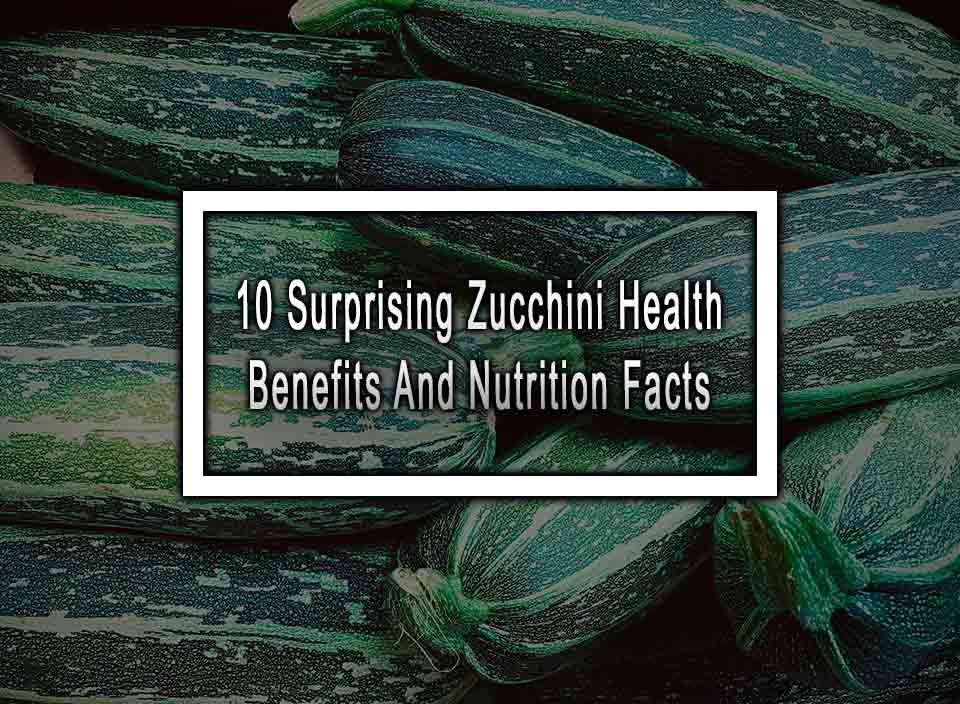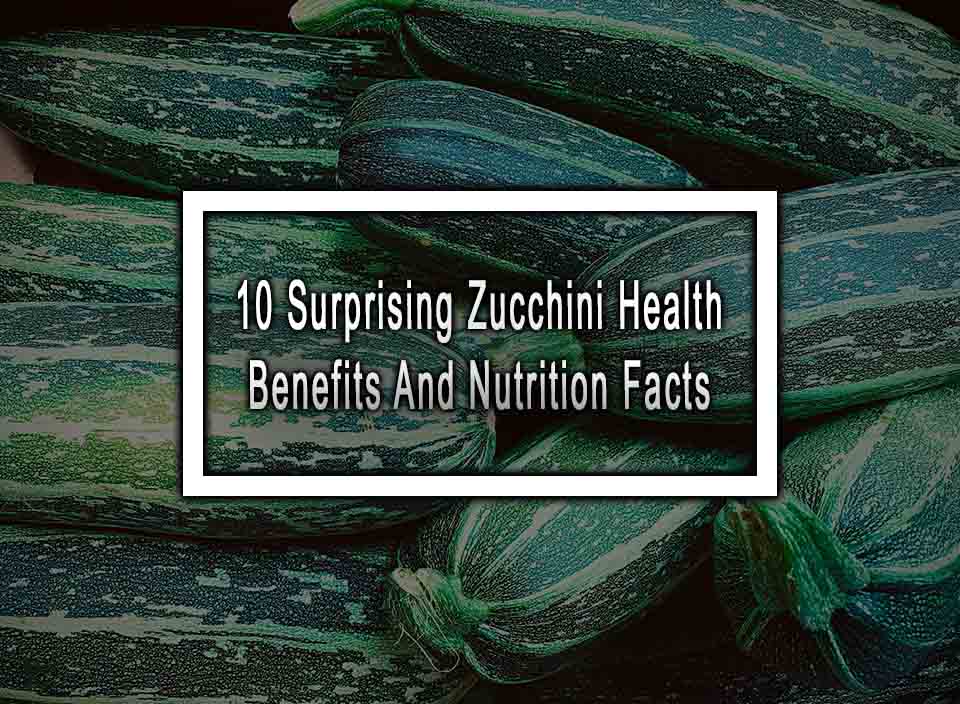

The unassuming zucchini, often relegated to the background of summer barbecues or as a filler in vegetable medleys, holds a secret. Beneath its smooth, vibrant skin and within its often-discarded seeds lies a treasure trove of nutritional power, waiting to be discovered by those willing to look beyond its humble facade. It’s a vegetable that tells a story not of flamboyant superfood status, but of quiet, consistent dedication to wellness, impacting nearly every system of the human body. For the knowledgeable palate and the discerning mind, understanding the full spectrum of zucchini’s health benefits is to embark on a journey from its very epidermis to its core, revealing a surprising depth of beneficial compounds.
This isn’t merely a list of vitamins and minerals; it’s an exploration into how these components synergistically work, creating a symphony of health advantages that extend far beyond simple hydration or fiber. We will delve into the biochemical mechanisms, the cellular impact, and the systemic improvements that make zucchini a truly remarkable addition to any diet, challenging the notion that only exotic fruits or leafy greens can lay claim to profound health benefits.
The Nutritional Overture: A Foundation of Unsung Power
Before we dissect its specialized roles, let’s appreciate the foundational composition of zucchini. At first glance, its nutritional profile might seem modest, characterized by its high water content (over 90%). Yet, this very attribute is a silent powerhouse, making it incredibly low in calories (around 17 per 100 grams) while delivering substantial volume, a critical factor in satiety and weight management.
But the real story unfolds as we look deeper. Zucchini is a generous provider of essential vitamins and minerals. It’s an excellent source of Vitamin C, a formidable antioxidant and immune booster. It offers a significant amount of Vitamin K, crucial for blood clotting and bone health, alongside a spectrum of B vitamins, including folate, B6, and riboflavin, all vital for energy metabolism and nervous system function. Mineral-wise, zucchini contributes a healthy dose of potassium, essential for blood pressure regulation, as well as manganese, magnesium, phosphorus, and copper, each playing distinct yet interconnected roles in cellular function, enzyme activity, and structural integrity.
Beyond these well-known nutrients, zucchini is rich in phytonutrients—plant compounds that, while not essential for survival, offer profound health-promoting effects. Chief among these are carotenoids like lutein and zeaxanthin, renowned for their eye health benefits, and beta-carotene, a precursor to Vitamin A. It also boasts an array of polyphenols, potent antioxidants and anti-inflammatory agents that contribute to its overall therapeutic potential. And, of course, there’s fiber—both soluble and insoluble—a cornerstone of digestive health and a silent champion for metabolic regulation. This comprehensive nutritional tapestry forms the bedrock upon which zucchini’s surprising health perks are built.
The Gut’s Gentle Guardian: A Symphony of Digestive Harmony
Imagine the gut as a bustling, complex ecosystem, teeming with life and activity. For this intricate system to thrive, it requires both diligent maintenance and nourishing sustenance. Zucchini steps into this role as a gentle yet highly effective guardian of digestive health, largely thanks to its dynamic duo of fiber and water.
The high water content of zucchini acts as an internal hydrator, ensuring that waste products move smoothly through the digestive tract. This lubrication is crucial in preventing constipation, a common ailment that can lead to discomfort and more serious issues over time. But it’s the fiber where zucchini truly shines as a digestive champion.
Zucchini contains both insoluble and soluble fiber. Insoluble fiber acts like a natural broom, adding bulk to stool and facilitating its passage, thus promoting regularity and reducing the risk of diverticulosis. It’s the physical scaffolding that keeps the digestive highway clear. Soluble fiber, on the other hand, is the unsung hero that feeds the microscopic inhabitants of our gut—our beneficial gut bacteria. It acts as a prebiotic, fermenting in the colon to produce short-chain fatty acids (SCFAs) like butyrate, propionate, and acetate. These SCFAs are not just waste products; they are critical fuel for the cells lining the colon, helping to maintain the integrity of the gut barrier, reducing inflammation, and potentially playing a role in immune modulation and even mood regulation.
Moreover, the anti-inflammatory compounds found in zucchini, such as various polyphenols, can help soothe any irritation or inflammation within the gut lining, fostering an environment where beneficial bacteria can flourish and the gut barrier remains strong against potential pathogens and toxins. By promoting a healthy microbiome and ensuring smooth transit, zucchini doesn’t just prevent problems; it actively cultivates a thriving internal environment essential for overall well-being.
The Heart’s Advocate: A Beat Towards Cardiovascular Vitality
In the relentless rhythm of life, the heart is our constant drummer, a tireless muscle whose health is paramount. Zucchini, with its nuanced nutritional profile, emerges as a steadfast advocate for cardiovascular vitality, contributing to its well-being through multiple pathways.
A primary player in zucchini’s heart-healthy repertoire is potassium. This essential electrolyte is a master regulator of blood pressure, working in direct opposition to sodium to maintain fluid balance and relax the walls of blood vessels (vasodilation). A diet rich in potassium, like one that regularly includes zucchini, can significantly contribute to lowering high blood pressure, a major risk factor for heart disease and stroke.
Magnesium, another mineral generously provided by zucchini, further strengthens its cardiovascular credentials. Magnesium is involved in over 300 enzymatic reactions in the body, including those critical for muscle contraction and nerve function. For the heart, this translates to stable heart rhythms and robust muscle function. Magnesium deficiency has been linked to arrhythmias, hypertension, and even coronary artery disease, making zucchini a delicious way to ensure adequate intake.
The fiber in zucchini also plays a crucial, albeit indirect, role in heart health. Soluble fiber, as mentioned, can bind to bile acids in the gut, which are then excreted from the body. To replenish these bile acids, the liver must draw cholesterol from the bloodstream, effectively lowering LDL ("bad") cholesterol levels. Furthermore, by stabilizing blood sugar, zucchini helps mitigate a key risk factor for heart disease, as chronic high blood sugar can damage blood vessels over time.
Finally, the abundance of antioxidants like Vitamin C and various carotenoids and polyphenols within zucchini acts as a protective shield for the cardiovascular system. These compounds combat oxidative stress, which can lead to inflammation and plaque buildup in the arteries. By neutralizing free radicals, zucchini helps maintain the elasticity and integrity of blood vessels, ensuring a smooth and unobstructed flow of life-giving blood. For the heart, zucchini isn’t just a food; it’s a silent partner in longevity.
Sweet Relief: A Regulator for Blood Sugar Stability
The modern diet often challenges our bodies with erratic blood sugar spikes and crashes, a rollercoaster that can lead to fatigue, cravings, and, over time, metabolic dysfunction like insulin resistance and Type 2 diabetes. Zucchini offers a gentle yet effective hand in stabilizing this metabolic dance, making it a valuable ally for anyone concerned about glycemic control.
Its primary mechanism lies in its extremely low glycemic index and glycemic load. This means that consuming zucchini has a minimal impact on blood glucose levels, preventing the rapid surges that often follow carbohydrate-rich meals. This stability is crucial for individuals managing diabetes or pre-diabetes, and equally beneficial for those seeking to maintain consistent energy levels and prevent post-meal slumps.
The substantial fiber content, particularly soluble fiber, further enhances zucchini’s blood sugar regulating capabilities. Soluble fiber forms a gel-like substance in the digestive tract, which slows down the absorption of glucose into the bloodstream. This gradual release of sugar prevents sudden spikes and allows the body’s insulin response to be more measured and effective, improving overall insulin sensitivity.
Moreover, the high water content of zucchini contributes to cellular hydration, which is indirectly linked to optimal metabolic function. Well-hydrated cells are better equipped to respond to insulin, ensuring that glucose is efficiently taken up from the blood and utilized for energy or stored appropriately. While research is ongoing, some phytonutrients within zucchini may also play a more direct role in enhancing insulin sensitivity, making it a multifaceted tool in the quest for stable blood sugar. Zucchini helps the body navigate the complex pathways of glucose metabolism with grace and efficiency, offering sweet relief from the chaos of modern dietary patterns.
A Vision for Wellness: Protecting the Windows to Our World
Our eyes are delicate instruments, constantly bombarded by light, environmental stressors, and the ravages of time. They deserve diligent protection, and zucchini, remarkably, offers a powerful defense, particularly against age-related degeneration.
The superstar compounds in zucchini for eye health are the carotenoids: lutein and zeaxanthin. These specific pigments are highly concentrated in the macula, the central part of the retina responsible for sharp, detailed vision. They act as natural filters, absorbing harmful high-energy blue light and protecting the delicate photoreceptor cells from oxidative damage. Regular intake of lutein and zeaxanthin has been consistently linked to a reduced risk of age-related macular degeneration (AMD) and cataracts, two leading causes of vision impairment and blindness in older adults. Zucchini is a readily available and delicious source of these vital carotenoids.
Beyond lutein and zeaxanthin, zucchini also provides beta-carotene, which the body converts into Vitamin A. Vitamin A is absolutely essential for good vision, especially night vision, and for maintaining the health of the cornea and other ocular tissues. Furthermore, the robust antioxidant power of Vitamin C, also abundant in zucchini, helps protect the eyes from oxidative stress, which can contribute to various eye conditions.
By incorporating zucchini into the diet, we are essentially fortifying our eyes from within, providing them with the essential nutrients needed to maintain clarity, sharpness, and long-term health. It’s a simple yet profound way to invest in our future vision, ensuring that the windows to our world remain clear and functional for years to come.
Building Blocks of Strength: The Zucchini-Bone Connection
When we think of foods for bone health, dairy products and leafy greens often come to mind. Yet, zucchini quietly contributes to the structural integrity of our skeletal system, providing several key nutrients essential for strong, resilient bones.
Vitamin K is a crucial, often overlooked, nutrient for bone health, and zucchini is a good source. This fat-soluble vitamin plays a pivotal role in activating osteocalcin, a protein that binds calcium to the bone matrix, thereby increasing bone mineral density. Without adequate Vitamin K, calcium cannot be properly integrated into bones, making them more susceptible to fractures.
Magnesium, another mineral plentiful in zucchini, is not just for heart health; it’s a fundamental component of bone structure itself. Approximately 60% of the body’s magnesium is stored in the bones, where it contributes to their physical strength and flexibility. It also influences the activity of osteoblasts and osteoclasts, the cells responsible for bone formation and breakdown, respectively, thus maintaining a healthy bone remodeling process.
Manganese, though required in smaller amounts, is another important trace mineral found in zucchini. It acts as a cofactor for several enzymes involved in the formation of bone and cartilage, further supporting the skeletal framework. And let’s not forget Vitamin C, whose role in collagen synthesis is paramount. Collagen forms the flexible framework upon which bone minerals are deposited, giving bones their elasticity and strength.
Together, these nutrients in zucchini offer a multifaceted approach to bone health, moving beyond the simple calcium narrative to support the complex biological processes that ensure our bones remain strong and robust throughout life. It’s a testament to the idea that true strength is built from a diverse array of essential elements.
The Immune System’s Ally: A Shield Against the Unseen
Our immune system is our body’s vigilant army, constantly defending against pathogens, environmental toxins, and cellular anomalies. A robust immune response is not just about fighting off colds; it’s about overall resilience and long-term health. Zucchini, with its concentrated blend of vitamins and phytonutrients, serves as a powerful ally in strengthening this internal defense system.
Vitamin C stands out as a primary immune booster in zucchini. This potent antioxidant not only protects immune cells from oxidative damage but also enhances their function. It supports the production and function of various immune cells, including phagocytes (which engulf foreign invaders) and lymphocytes (which produce antibodies and directly attack infected cells). Furthermore, Vitamin C is vital for collagen synthesis, which forms the integrity of our skin and mucous membranes—our body’s first line of defense against pathogens.
Beyond Vitamin C, the general antioxidant properties of zucchini, derived from its carotenoids and polyphenols, contribute significantly to immune health. By neutralizing free radicals, these compounds reduce cellular stress and inflammation, creating an optimal environment for immune cells to operate efficiently. Chronic inflammation and oxidative stress can suppress immune function, making the body more vulnerable to illness.
Moreover, the prebiotic fiber in zucchini, as discussed, fosters a healthy gut microbiome. A growing body of research highlights the intimate connection between gut health and immune function. A diverse and balanced gut flora can positively influence the development and activity of immune cells, enhancing the body’s ability to recognize and respond to threats. Zucchini, therefore, contributes to immune resilience not just by directly supplying immune-supportive nutrients, but also by nurturing the very ecosystem that underpins a strong immune response. It’s a comprehensive strategy for keeping our internal defenses sharp and ready.
Weight Management: The Lightness of Being Zucchini
In a world grappling with rising rates of obesity, finding foods that support healthy weight management without sacrificing nutrition or flavor is a constant quest. Zucchini offers a compelling solution, embodying the principle of nutrient density and caloric efficiency.
Its most striking advantage is its incredibly low-calorie count combined with a high volume. Composed of over 90% water, zucchini allows for substantial portion sizes without contributing significantly to caloric intake. This high water content, coupled with its fiber, provides a remarkable sense of satiety. When you eat zucchini, you feel full and satisfied, which naturally helps reduce overall calorie consumption by curbing overeating and snacking between meals.
The fiber content plays a dual role here: it not only adds bulk to the diet but also slows down the rate of digestion. This prolonged digestive process means that energy is released more gradually, leading to a sustained feeling of fullness and helping to stabilize blood sugar levels. Stable blood sugar, in turn, minimizes sudden drops that can trigger intense cravings for sugary or high-fat foods, a common pitfall in weight loss efforts.
Furthermore, zucchini is packed with essential vitamins and minerals. This nutrient density is critical for individuals on calorie-restricted diets, as it ensures that the body receives the necessary micronutrients even while reducing energy intake. This prevents nutrient deficiencies that can lead to fatigue, metabolic slowdown, and other health issues that undermine weight loss goals.
Whether spiralized into "zoodles" as a pasta substitute, added to stir-fries, or grated into baked goods, zucchini seamlessly integrates into various culinary contexts, offering a versatile and delicious way to add volume, nutrients, and satiety to meals without the caloric burden. It allows for the lightness of being well-fed, without the heaviness of excess calories.
The Anti-inflammatory and Antioxidant Shield: Battling the Invisible Foe
Chronic inflammation and oxidative stress are silent saboteurs, underlying mechanisms in the development and progression of numerous chronic diseases, from cardiovascular disease and cancer to neurodegenerative disorders. Zucchini, through its rich array of phytonutrients, acts as a potent shield against these invisible foes, helping to maintain cellular health and systemic balance.
The antioxidant capacity of zucchini is formidable. Vitamin C, as previously discussed, is a direct and powerful antioxidant, neutralizing free radicals before they can damage DNA, proteins, and cell membranes. But the story doesn’t end there. Zucchini is replete with carotenoids like lutein, zeaxanthin, and beta-carotene, which are renowned for their ability to quench reactive oxygen species and protect cells from oxidative damage, particularly in lipid-rich environments.
Beyond vitamins and carotenoids, zucchini contains a variety of polyphenols—complex plant compounds with significant antioxidant and anti-inflammatory properties. These include flavonoids such as quercetin, kaempferol, and myricetin. These polyphenols don’t just act as direct free radical scavengers; they also modulate cellular signaling pathways, influencing gene expression related to inflammatory responses. They can inhibit pro-inflammatory enzymes and molecules, thereby dampening the inflammatory cascade at multiple points.
This synergistic action of various antioxidants and anti-inflammatory compounds means that zucchini offers comprehensive protection. It helps reduce systemic inflammation, which is a key driver of aging and disease, and fortifies the body’s natural defenses against the constant onslaught of environmental toxins, metabolic byproducts, and stress-induced damage. Eating zucchini is, in essence, providing your cells with a daily dose of protection and repair, allowing them to function optimally and resist the insidious march of chronic disease.
Skin Deep Beauty: The Glow from Within
The health of our skin often reflects our internal well-being. A vibrant, clear complexion is not just a cosmetic aspiration; it’s an indicator of cellular vitality and proper hydration. Zucchini, with its unique combination of nutrients, contributes significantly to skin health, fostering that coveted glow from within.
Vitamin C is, once again, a hero here. It’s an indispensable co-factor in the synthesis of collagen, the most abundant protein in the skin, responsible for its elasticity, firmness, and youthful appearance. Adequate Vitamin C intake ensures robust collagen production, which helps reduce the appearance of wrinkles and fine lines. Moreover, Vitamin C’s antioxidant power protects skin cells from damage caused by UV radiation and environmental pollutants, preventing premature aging and promoting an even skin tone.
The generous water content of zucchini is also critical for maintaining skin hydration. Well-hydrated skin appears plumper, smoother, and more supple. It enhances the skin’s barrier function, helping to lock in moisture and protect against external irritants. Dehydrated skin, conversely, can look dull, feel tight, and be more prone to flaking and irritation.
The array of other antioxidants in zucchini, including carotenoids and polyphenols, further bolsters skin health. They combat the free radicals generated by sun exposure and pollution, which are major culprits in photoaging, hyperpigmentation, and the breakdown of skin proteins. By mitigating oxidative stress, these compounds help maintain the integrity of skin cells, promoting repair and regeneration.
Eating zucchini is therefore an act of nourishing the skin from its deepest layers, providing the essential building blocks and protective agents needed for a healthy, radiant complexion. It’s a reminder that true beauty often begins not with topical applications, but with what we choose to put into our bodies.
Beyond the Flesh: The Power of Skin and Seeds
The title "From Skin to Seeds" isn’t merely poetic; it’s a directive to explore the full spectrum of zucchini’s gifts, including parts often discarded. For the knowledgeable consumer, understanding where the highest concentrations of beneficial compounds lie is key to maximizing nutritional intake.
The Skin:
The vibrant green skin of zucchini is not just packaging; it’s a concentrated powerhouse of nutrients. Many of the plant’s most potent antioxidants, particularly carotenoids like lutein and zeaxanthin, and various polyphenols, are found in higher concentrations in the skin compared to the flesh. This is a common phenomenon in fruits and vegetables, where the outer layers act as the primary defense against environmental stressors, leading to an accumulation of protective compounds. By peeling zucchini, we inadvertently strip away a significant portion of its therapeutic potential. Therefore, consuming zucchini with its skin intact, after a thorough wash, is a simple yet effective way to amplify its health benefits, adding extra fiber, color, and antioxidant power to your meal.
The Seeds:
Often scooped out and discarded, zucchini seeds are a small but mighty component, particularly in mature squash. While not as large and prominent as pumpkin seeds, they nonetheless contain valuable nutrients. Zucchini seeds are a source of beneficial fats, including small amounts of omega-3 fatty acids, which are crucial for brain health and reducing inflammation. They also contribute protein, fiber, and an array of trace minerals like zinc and manganese, which are vital for immune function, enzyme activity, and bone health. While eating raw zucchini seeds might not be everyone’s preference, drying and lightly roasting them (from more mature zucchini) can turn them into a crunchy, nutritious snack or topping, ensuring that no part of this remarkable vegetable goes to waste.
Embracing zucchini "from skin to seeds" is about recognizing the holistic value of the plant. It’s an affirmation that nature often packs its greatest punches in the most unexpected places, encouraging us to approach our food with curiosity and a commitment to whole-plant nutrition.
Culinary Versatility: Making Zucchini a Staple
A vegetable could possess all the health benefits in the world, but if it’s not palatable or versatile, its impact remains limited. Fortunately, zucchini excels in its culinary adaptability, making it incredibly easy to integrate into nearly any meal, ensuring consistent access to its health perks.
Its mild flavor and tender texture allow it to absorb the flavors of accompanying ingredients, making it a chameleon in the kitchen.
- Raw: Thinly sliced zucchini can add a refreshing crunch to salads, be transformed into elegant carpaccio with a drizzle of olive oil and lemon, or spiralized into "zoodles" for a raw, gluten-free pasta alternative. Eating it raw maximizes the retention of heat-sensitive nutrients like Vitamin C.
- Cooked: Zucchini shines when grilled, roasted, sautéed, or added to stir-fries, soups, and stews. Roasting brings out a subtle sweetness, while sautéing makes it tender and juicy. It can be a substantial base for vegetarian main dishes or a delightful side.
- Baked: Zucchini bread and muffins are classic ways to incorporate it into baked goods, where its moisture adds tenderness and reduces the need for extra fats. Fritters and savory pancakes are another popular application, offering a crispy exterior and soft interior.
- Sweet and Savory: While typically used in savory dishes, zucchini’s mildness allows it to blend seamlessly into sweeter preparations, such as smoothies (adding creaminess and nutrients without altering flavor) or even desserts.
To maximize nutrient retention, particularly for water-soluble vitamins, light cooking methods are often recommended. Steaming or quick sautéing can preserve more nutrients than boiling or prolonged cooking. However, even when cooked extensively, zucchini still delivers a wealth of fiber, minerals, and heat-stable phytonutrients.
The sheer ease with which zucchini can be incorporated into a diverse array of dishes means that it’s not just a healthy choice, but a practical and delicious one. It encourages culinary creativity while consistently contributing to a nutritious diet, solidifying its role as an indispensable kitchen staple.
The Underrated Champion: A Concluding Reflection
The journey from the smooth, emerald skin of a zucchini to its often-overlooked seeds reveals a narrative far richer and more profound than its humble appearance suggests. It’s a story of synergistic nutrients, powerful antioxidants, and silent, consistent contributions to virtually every aspect of human health. We’ve seen how this common summer squash acts as a guardian of our gut, an advocate for our heart, a steady hand for our blood sugar, and a protector of our vision and bones. It fortifies our immune system, supports graceful weight management, and even enhances the radiance of our skin, all while battling the insidious forces of inflammation and oxidative stress.
Zucchini doesn’t demand exotic preparation or boast fleeting superfood trends; it simply delivers, consistently and comprehensively. For the knowledgeable individual seeking to optimize their health through whole foods, the zucchini stands as an underrated champion, a testament to the power of nature’s simplest offerings.
By embracing zucchini in its entirety – from its nutrient-rich skin to its beneficial seeds – and integrating it thoughtfully into our diets, we tap into a source of wellness that is both accessible and profound. It’s time to elevate this unassuming vegetable to its rightful place as a cornerstone of a healthy lifestyle, recognizing its surprising ability to nourish, protect, and revitalize us, from the outside in, and from skin to seeds.