
The silence, at first, was a relief. A reprieve from the incessant demands of modern life, the digital clamor, the relentless pursuit of productivity. Many of us, in moments of solitude, have savored that quiet. But there’s a distinct, insidious cousin to solitude, one that doesn’t refresh but depletes, doesn’t calm but gnaws: loneliness. It’s a pain that whispers not of peace, but of absence, a profound ache for connection that, left unaddressed, can become a deafening roar. We are living through an era often hailed for its hyper-connectivity, yet paradoxically, we find ourselves grappling with an unprecedented epidemic of loneliness, a silent scourge that threatens not just individual well-being but the very fabric of society. This isn’t just about being alone; it’s about the distressing gap between the connections we have and those we desperately desire. It is a clarion call, resounding with an urgency that demands our collective attention: we need each other, now more than ever.
The Silent Scourge: Unmasking the Loneliness Epidemic
To truly understand the loneliness epidemic, we must first differentiate it from its benign counterparts. Solitude is a chosen state, a deliberate withdrawal that can be restorative and enriching. Isolation, while often involuntary, is a physical state of being alone. Loneliness, however, is a subjective experience – a distressing emotional state arising from a perceived deficiency in one’s social relationships. One can be surrounded by people and still feel profoundly lonely; conversely, one can be physically alone and feel perfectly content. The epidemic lies in the widespread prevalence of this distressing feeling, affecting individuals across all demographics, silently eroding health, happiness, and societal cohesion.
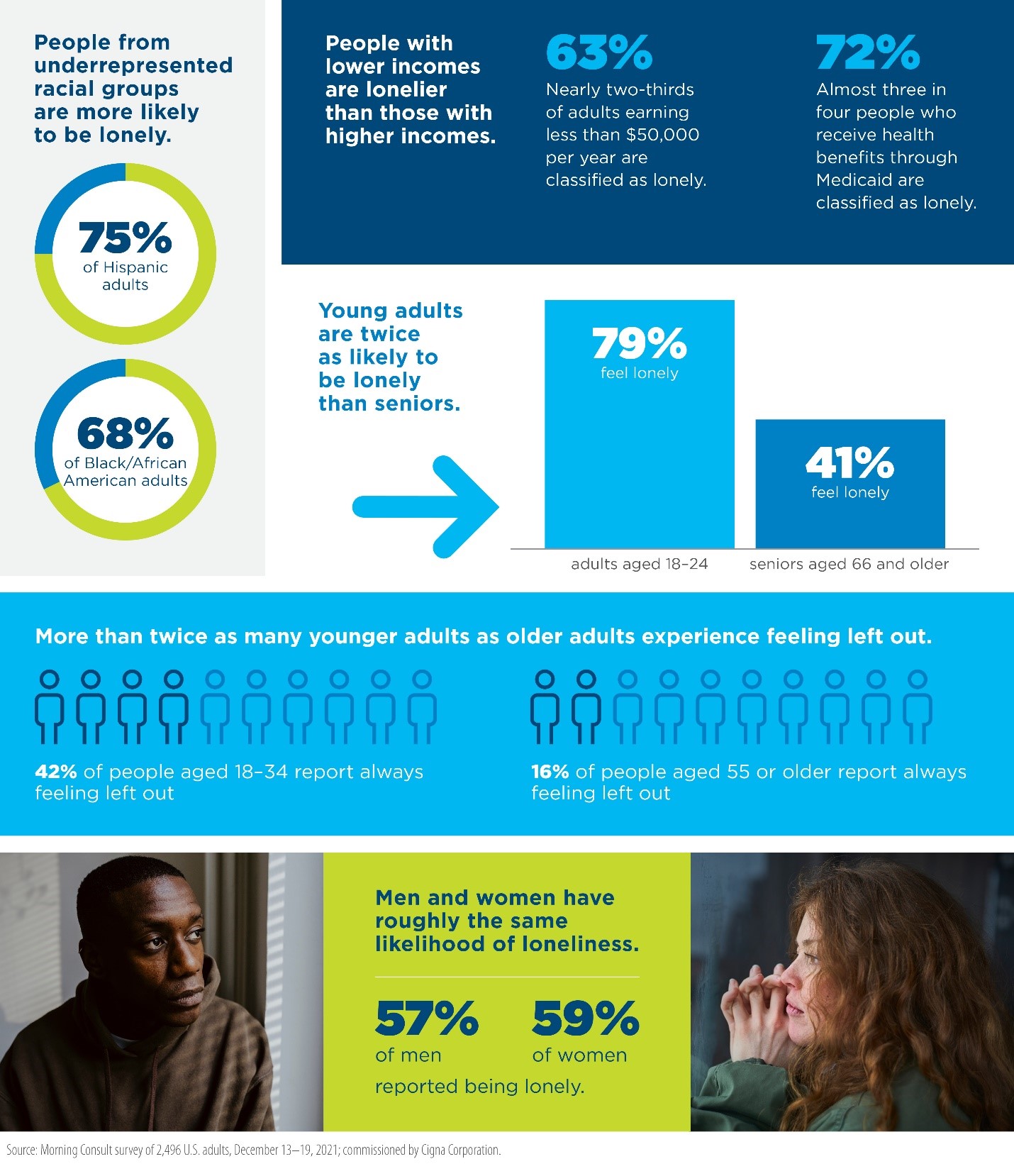
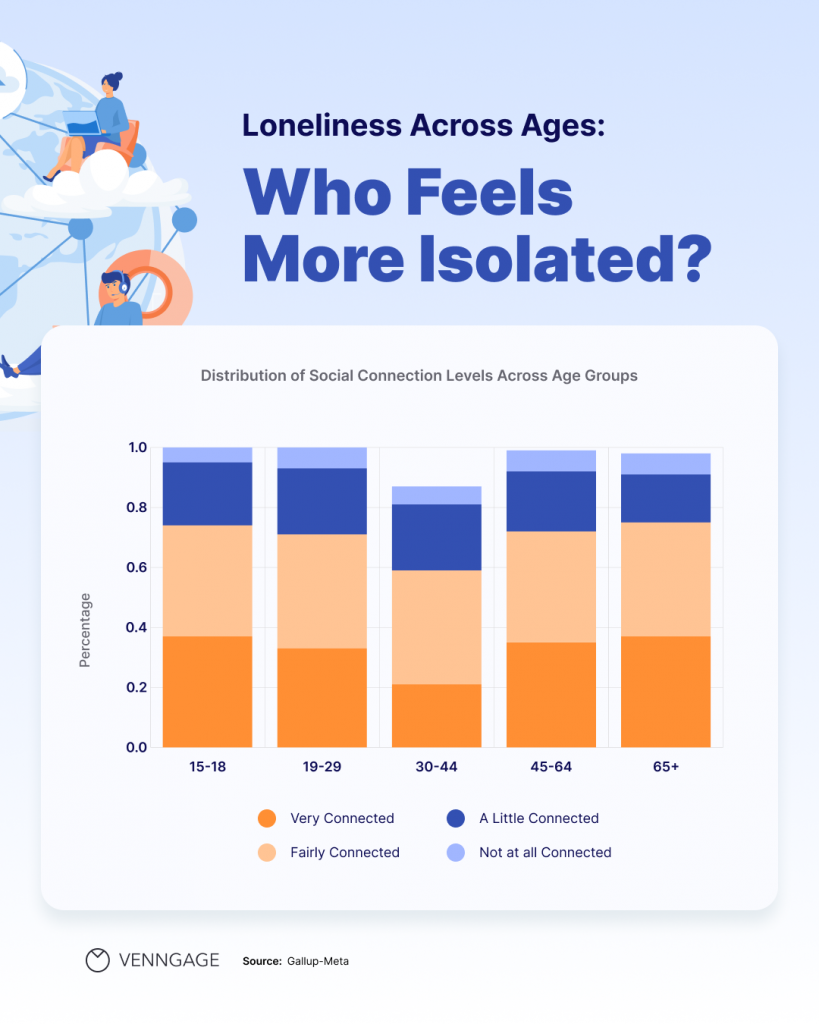
The scale of this problem is staggering. Studies across numerous countries reveal a significant portion of the population reporting feelings of chronic loneliness. Young people, often seen as the most digitally connected generation, report alarmingly high rates, struggling with the curated realities of social media that often exacerbate feelings of inadequacy and disconnection. The elderly, facing the loss of loved ones and dwindling social circles, are particularly vulnerable. But the epidemic spares no one: new parents grappling with isolation, immigrants navigating new cultures, individuals with chronic illnesses, even those in seemingly robust careers can find themselves adrift in a sea of perceived indifference. The COVID-19 pandemic, with its enforced lockdowns and social distancing, acted as a cruel accelerant, stripping away casual interactions and vital community spaces, pushing many already on the brink into deeper isolation.
The roots of this widespread disconnection are multifaceted, intertwining technological advancements with shifts in societal structure and cultural norms. While the internet and social media promised to bring us closer, they often deliver a superficial proximity that lacks genuine intimacy. We scroll through endless feeds of acquaintances, mistaking likes for love, and curated highlight reels for authentic human experience. The very devices meant to connect us can, ironically, distract us from the people sitting right beside us.
Beyond technology, urbanization has played a significant role. The rise of sprawling cities often comes at the expense of tight-knit communities, where neighbors once knew each other by name and shared resources. Traditional "third places" – the cafes, libraries, parks, and community centers where serendipitous interactions thrive – have dwindled or become less accessible. Changing family structures, with increased geographic mobility and smaller nuclear families, mean fewer built-in support networks. Our work culture, too, often prioritizes individual achievement over collective well-being, with remote work, while offering flexibility, sometimes diminishing spontaneous social interactions and shared camaraderie. Even our societal narrative, which often champions rugged individualism and self-sufficiency, can inadvertently stigmatize the very human need for interdependence, making it harder for individuals to admit their loneliness and seek help.
The Devastating Consequences: Why Loneliness Kills
The subjective pain of loneliness is not merely an emotional inconvenience; it is a profound threat to our physical and mental health, with repercussions as severe as well-known lifestyle diseases. Groundbreaking research has unequivocally demonstrated that chronic loneliness has tangible, measurable impacts on our biology, effectively equating it to a public health crisis. Dr. John Cacioppo, a pioneer in the field, famously stated that the health risks of loneliness are comparable to smoking 15 cigarettes a day or being obese. This isn’t hyperbole; it’s a scientific conclusion.
On a physical level, persistent loneliness acts as a chronic stressor, triggering the body’s fight-or-flight response and elevating levels of cortisol, the stress hormone. This constant state of physiological alert wreaks havoc on nearly every bodily system. It leads to increased inflammation throughout the body, a known contributor to a host of chronic diseases, including cardiovascular disease, type 2 diabetes, and certain cancers. Lonely individuals exhibit higher blood pressure, a weakened immune system making them more susceptible to infections and slower to heal, and disrupted sleep patterns that further exacerbate health issues. The link between loneliness and cognitive decline is also stark, with research suggesting an increased risk of dementia and Alzheimer’s disease in socially isolated individuals. Our bodies, wired for connection and communal living, simply do not thrive in sustained isolation.
The mental health toll is equally, if not more, devastating. Loneliness is a powerful predictor of depression and anxiety, trapping individuals in a vicious cycle where their pain makes it harder to reach out, and their isolation deepens their despair. It can erode self-esteem, foster feelings of worthlessness, and lead to substance abuse as individuals seek to numb the relentless ache. Tragically, in its most extreme forms, chronic loneliness is a significant risk factor for suicidal ideation and attempts, underscoring its profound impact on mental well-being and the desperate need for intervention.
Beyond individual suffering, the loneliness epidemic casts a long shadow over society as a whole. When individuals feel disconnected, their trust in others, and in institutions, erodes. This can lead to increased political polarization, as a lack of empathy for "the other" becomes more pronounced. Civic engagement declines, vital community initiatives languish, and the collective spirit necessary for addressing shared challenges weakens. The economic costs are also substantial, stemming from increased healthcare expenditures for loneliness-related ailments and lost productivity due to mental health issues. In essence, a lonely society is a sicker, sadder, and less resilient society.
The Evolutionary Imperative: Why We Are Wired for Connection
To understand why loneliness inflicts such profound suffering, we must look to our evolutionary past. Humans are, by nature, deeply social creatures. For hundreds of thousands of years, survival was a collective endeavor. Our ancestors, the hunter-gatherers, could not survive alone against predators, harsh environments, or the complexities of finding food and raising offspring. Belonging to a tribe, a clan, a community, was not merely beneficial; it was absolutely essential for survival. Those who were ostracized or chose isolation faced almost certain death. This primal need for belonging is deeply ingrained in our DNA, shaping our brains and our biology.
Our neurobiology provides compelling evidence of this evolutionary imperative. When we connect with others, our brains release a cocktail of feel-good neurochemicals. Oxytocin, often called the "love hormone," fosters bonding and trust. Dopamine, associated with pleasure and reward, motivates us to seek social interaction. Serotonin, which regulates mood, contributes to feelings of well-being. Conversely, the brain processes social pain – the sting of rejection, the ache of loneliness – in much the same way it processes physical pain. The anterior cingulate cortex, a region involved in both physical and emotional pain, activates when we experience social exclusion, signaling that something vital is missing. This inherent wiring makes the experience of loneliness not merely psychological, but a deeply physical and biological alarm bell.
Attachment theory further illuminates our profound need for connection. From infancy, humans develop attachment styles based on their early interactions with caregivers. Secure attachments, built on consistent responsiveness and affection, foster a sense of trust and security, enabling individuals to form healthy relationships throughout life. Insecure attachments, born from inconsistent or neglectful care, can lead to difficulties in forming and maintaining connections, perpetuating cycles of loneliness. These early experiences sculpt our capacity for intimacy, empathy, and belonging, demonstrating that our very ability to connect is foundational to our development.
Our capacity for empathy, driven in part by mirror neurons that allow us to simulate and understand the emotions of others, is another testament to our social design. This ability to put ourselves in another’s shoes, to feel their joy and sorrow, is what allows societies to function, relationships to flourish, and compassion to guide our interactions. When loneliness isolates us, these crucial empathetic pathways can atrophy, making it harder to connect even when opportunities arise. We are, quite literally, designed for interdependency, for the complex dance of giving and receiving, for the profound human experience of shared existence.
The Path Forward: Cultivating Connection in a Disconnected World
Acknowledging the problem is the first step; the crucial next is to embark on a deliberate, multifaceted journey to recultivate connection. This demands action on individual, community, and even societal levels, recognizing that there is no single solution to such a pervasive and deeply rooted issue.
On an Individual Level, it begins with Intentionality:
- Self-Awareness Without Shame: The first courageous act is to acknowledge feelings of loneliness without judgment. Loneliness is a signal, not a failing. Understanding its presence is the prerequisite for addressing it.
- Prioritize Relationships: In a world that often values achievement above all else, we must consciously re-prioritize human connection. This means scheduling time for friends and family, just as we would for work appointments. It means making calls instead of sending texts, opting for face-to-face interactions when possible, and being fully present when we are with others.
- Mindful Technology Use: Our devices are tools, not masters. We must learn to use social media judiciously, as a way to facilitate real-world connection, not replace it. Practicing digital detoxes, setting boundaries around screen time, and engaging in "phone-free" zones can create space for genuine interaction.
- Embrace Vulnerability: True connection flourishes in authenticity. Sharing our fears, hopes, and struggles, within appropriate boundaries, allows others to see us, truly see us, and fosters deeper bonds. This requires courage, but the rewards are profound.
- Practice Active Listening: Connection is a two-way street. Genuinely listening to others – giving them our full attention, asking clarifying questions, and reflecting on what they’ve shared – makes them feel seen and valued, strengthening the bond.
- Acts of Service and Kindness: Reaching out to help others, whether through formal volunteering or simple acts of kindness, not only benefits the recipient but also fosters a powerful sense of connection and purpose in the giver.
- Seek Shared Interests: Joining clubs, classes, or groups centered around hobbies (book clubs, sports teams, art classes, hiking groups) provides a natural, low-pressure environment for meeting like-minded individuals and forming new friendships.
- Connect with Nature: Spending time outdoors, whether in a park, garden, or wilderness, can reduce stress and enhance well-being. Often, these spaces are also where we encounter others, fostering a gentle, indirect form of connection.
- The Power of Pets: For many, the unconditional love and companionship of a pet provide a profound antidote to loneliness, offering emotional support and a sense of responsibility.
On a Community Level, we must Rebuild the Foundations of Belonging:
- Reinvigorate "Third Places": Communities need to invest in and protect spaces where people can gather informally and spontaneously. Libraries, community centers, local cafes, parks, and even shared gardens are vital hubs for serendipitous interaction and the weaving of social fabric.
- Support Local Initiatives: Engaging with local events, farmers’ markets, festivals, and volunteer opportunities helps strengthen community bonds and provides avenues for meeting neighbors.
- Intergenerational Programs: Bridging the age gap through programs that connect the elderly with youth can offer immense benefits to both groups, combating loneliness and fostering mutual understanding.
- Fostering Workplace Connection: Employers have a role to play in creating cultures that prioritize psychological safety, teamwork, and genuine connection among colleagues, recognizing that a sense of belonging enhances productivity and well-being.
- Thoughtful Urban Design: City planners can design spaces that encourage walking, communal gathering, and interaction, rather than isolating individuals in car-dependent suburbs.
On a Societal Level, we need a Broader Recognition and Response:
- Public Health Campaigns: Governments and health organizations should launch campaigns to raise awareness about the loneliness epidemic, destigmatize the experience, and promote strategies for connection, much like campaigns for physical health.
- Governmental Roles: The United Kingdom’s appointment of a "Minister for Loneliness" is a pioneering example of a governmental recognition of this issue at a policy level, inspiring other nations to consider similar initiatives.
- Education for Connection: Schools can integrate social-emotional learning into their curricula, teaching children vital skills like empathy, active listening, conflict resolution, and the importance of healthy relationships.
- Addressing Systemic Inequality: Poverty, discrimination, and lack of access to resources can exacerbate loneliness, particularly for marginalized communities. Addressing these systemic issues is crucial for creating a more connected society.
The Story of Hope and Resilience
Amidst the daunting statistics and dire warnings, there are countless stories of hope, individuals and communities actively fighting back against the tide of loneliness. Consider the retired teacher, widowed and isolated, who found renewed purpose and connection by volunteering at a local animal shelter, forming bonds with both the animals and fellow volunteers. Or the young professional, overwhelmed by city life, who started a neighborhood book club, transforming strangers into friends who now share meals and holidays. Look to the growing trend of co-housing initiatives, where residents share common spaces and meals, intentionally designing their lives for communal living. Even seemingly small acts, like a shared glance and smile with a stranger on a bus, a brief conversation with a barista, or a handwritten note to a distant relative, contribute to the cumulative antidote.
These stories underscore a fundamental truth: combating loneliness is not about grand gestures, but about consistent, intentional effort. It’s about choosing presence over distraction, vulnerability over guardedness, and community over isolation, one small interaction at a time. It’s a journey, not a destination, requiring continuous tending to the delicate garden of human relationships.
Conclusion: A Call to Reconnection
The loneliness epidemic is a profound challenge of our time, a quiet crisis that gnaws at the very essence of what it means to be human. It reminds us that despite our technological prowess and our illusion of self-sufficiency, we remain fundamentally social creatures, wired for connection, belonging, and shared experience. The costs of neglecting this truth are too high, manifesting in deteriorating health, declining mental well-being, and a fracturing society.
The path forward is clear, though not always easy. It demands a conscious effort to dismantle the barriers to connection, both internal and external. It calls for us to put down our screens and look into each other’s eyes, to listen with our hearts, to offer a helping hand, and to simply be there for one another. This is not merely an altruistic endeavor; it is an act of self-preservation, for as we reach out to others, we inevitably heal ourselves. In a world increasingly fragmented and uncertain, the greatest antidote, the most powerful balm, and the most enduring source of strength lies in the ancient, immutable truth: we need each other, now more than ever. The cure for loneliness is not found in solitude, but in the brave, beautiful, and utterly human act of reconnection. Let us answer this call, building a future where empathy, presence, and shared humanity are not just ideals, but the lived reality of every soul.