
The ocean, a vast and mysterious realm, has captivated humanity since time immemorial. Its rhythmic ebb and flow, its shimmering surface, and its unfathomable depths have inspired poets, nourished civilizations, and shaped cultures. For millennia, the creatures dwelling within its embrace have provided more than just sustenance; they have been a source of vitality, a cornerstone of well-being, and a silent promise of health.
In our modern world, where food is often reduced to macronutrient ratios and calorie counts, it’s easy to overlook the profound, holistic impact of certain staples. Fish, however, stands apart. It is not merely a protein source; it is a culinary delight interwoven with ancient wisdom and validated by cutting-edge science. From the humble sardine to the majestic salmon, the bounty of the sea offers a tapestry of nutrients that orchestrate a symphony of benefits within the human body.
This isn’t just about ticking boxes on a nutritional checklist. This is about understanding a story – the story of how the ocean’s gifts translate into a healthier you. It’s about appreciating the intricate dance between marine biology and human physiology. We’ll delve beyond the surface, exploring seven surprising health benefits of making fish a regular "catch of the day" on your plate, unraveling the science and the narrative behind why this ancient food remains one of the most powerful investments you can make in your long-term health and vitality.
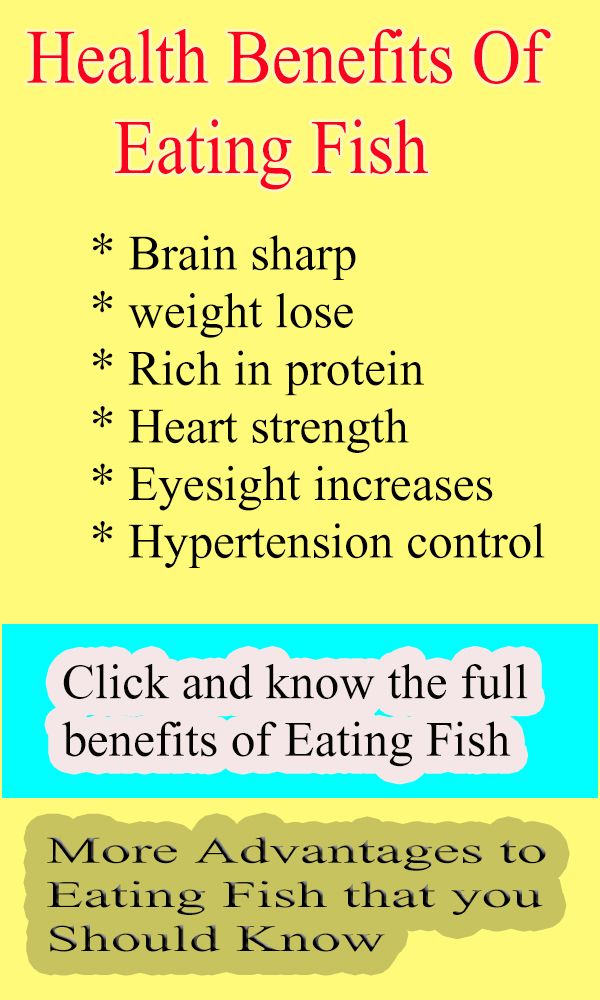
1. The Brain’s Best Friend: Sharpening Cognitive Acuity and Mental Resilience
Imagine the ancient mariners, their minds sharp and alert, navigating vast oceans by the stars, their survival depending on keen observation and quick decision-making. Or consider the modern student, burning the midnight oil, seeking an edge in a world demanding constant cognitive agility. For both, and for every individual in between, the brain is our most precious organ, the seat of our consciousness, creativity, and identity. And its best friend, it turns out, often comes from the sea.
At the heart of fish’s cognitive prowess are Omega-3 fatty acids, specifically docosahexaenoic acid (DHA) and eicosapentaenoic acid (EPA). DHA, in particular, isn’t just present in the brain; it is integral to its very architecture. It constitutes a significant portion of the brain’s gray matter, the areas involved in memory, emotion, and decision-making. DHA supports the fluidity and integrity of neuronal membranes, facilitating seamless communication between brain cells. Think of it as the premium-grade oil that keeps a complex, high-performance engine running smoothly and efficiently.
This optimized cellular communication translates into tangible cognitive benefits. Regular consumption of fish rich in DHA and EPA has been linked to improved memory recall, enhanced focus and concentration, and faster processing speeds. It’s like upgrading your brain’s operating system, making it more responsive and powerful. Beyond mere performance, fish plays a crucial protective role. As we age, our brains become susceptible to oxidative stress and inflammation, contributors to cognitive decline and neurodegenerative diseases like Alzheimer’s and dementia. The anti-inflammatory and antioxidant properties of Omega-3s act as a shield, preserving neuronal health and function, thereby delaying the onset or slowing the progression of these devastating conditions.
The brain, a high-energy organ, also benefits from Omega-3s’ ability to optimize energy metabolism within its cells. This isn’t just about preventing decline; it’s about fostering an environment for sustained mental sharpness and resilience throughout life. When you choose fish, you’re not just feeding your body; you’re nourishing your mind, laying the groundwork for a lifetime of clarity and cognitive vitality. For optimal brain benefits, prioritize fatty fish like salmon, mackerel, sardines, and albacore tuna, ensuring a consistent supply of these brain-boosting fats.
2. The Heart’s Guardian: A Symphony of Cardiovascular Wellness
Picture the vibrant longevity of Mediterranean coastal communities, their diets rich in fish, olive oil, and fresh produce. Their hearts beat with a steady, rhythmic cadence, echoing the gentle lapping of waves against the shore. This isn’t mere coincidence; it’s a testament to a dietary pattern that has long championed the cardiovascular benefits of fish. In a world where heart disease remains a leading killer, the humble fish emerges as a powerful guardian of our most vital organ.
The same Omega-3 fatty acids that benefit the brain, EPA and DHA, are also superstars for cardiovascular health, employing a multi-faceted approach to fortify the heart and blood vessels. Their primary mechanism involves their potent anti-inflammatory properties, which are critical in combating chronic inflammation – a silent, insidious driver of heart disease.
Here’s how fish orchestrates a symphony of cardiovascular wellness:
- Triglyceride Reduction: Omega-3s are remarkably effective at lowering triglyceride levels, a type of fat in the blood that, when elevated, significantly increases the risk of heart disease. They achieve this by reducing the liver’s production of very-low-density lipoproteins (VLDL), which carry triglycerides.
- Blood Pressure Regulation: Regular fish consumption has been shown to help relax blood vessels, leading to a modest but significant reduction in blood pressure, thus mitigating hypertension, a major risk factor for heart attacks and strokes.
- Arrhythmia Prevention: Omega-3s stabilize heart muscle cells, making them less prone to electrical instability that can lead to dangerous irregular heartbeats (arrhythmias), particularly sudden cardiac death.
- Plaque Stability: They play a crucial role in preventing the formation and growth of arterial plaques, the fatty deposits that narrow arteries and restrict blood flow. Even more importantly, Omega-3s can help stabilize existing plaques, reducing the likelihood of them rupturing, which is the primary cause of heart attacks and strokes.
- Improved Endothelial Function: The endothelium, the delicate inner lining of blood vessels, is vital for vascular health. Omega-3s enhance its function, promoting vasodilation (widening of blood vessels) and reducing the stickiness of blood platelets, further preventing clot formation.
The cumulative effect of these actions is a robust, resilient cardiovascular system. Embracing fish means investing in a heart that beats stronger, a circulatory system that flows smoother, and a life less burdened by the specter of heart disease. For maximum cardiac benefits, focus on fatty fish varieties like salmon, trout, herring, sardines, and anchovies, aiming for at least two servings per week.
3. Illuminating the World: Protecting and Enhancing Vision
The gift of sight – the ability to discern detail, to appreciate the vibrant tapestry of life, to navigate our world with clarity – is profoundly precious, yet often taken for granted until it begins to dim. Imagine the stark contrast between a world seen through a clear lens versus one clouded by impairment. Surprisingly, the ocean’s bounty holds a key to preserving this invaluable sense.
The retina, the light-sensitive tissue at the back of the eye responsible for converting light into electrical signals sent to the brain, possesses the highest concentration of DHA in the entire body. This isn’t arbitrary; DHA is a critical structural component of the photoreceptor cells, particularly the rod and cone cells, which are essential for vision in both dim and bright light, as well as for color perception. Without sufficient DHA, these cells cannot function optimally, potentially leading to impaired vision.
The impact of regular fish consumption on eye health is multifaceted:
- Reduced Risk of Age-related Macular Degeneration (AMD): AMD is a leading cause of vision loss in older adults, characterized by damage to the macula, the central part of the retina. Studies have consistently shown that individuals who consume more fish and Omega-3s have a significantly lower risk of developing AMD, thanks to the anti-inflammatory and protective effects of these fatty acids on retinal cells.
- Combating Dry Eye Syndrome: Omega-3s can improve the quality of the tear film, which lubricates and protects the eye surface. By reducing inflammation in the glands responsible for tear production, they help alleviate the discomfort, irritation, and potential vision problems associated with dry eye syndrome.
- Potential Benefits for Other Eye Conditions: Emerging research suggests Omega-3s may also play a protective role in conditions like glaucoma (by reducing intraocular pressure and improving blood flow to the optic nerve) and diabetic retinopathy (by reducing inflammation and preventing abnormal blood vessel growth in the retina).