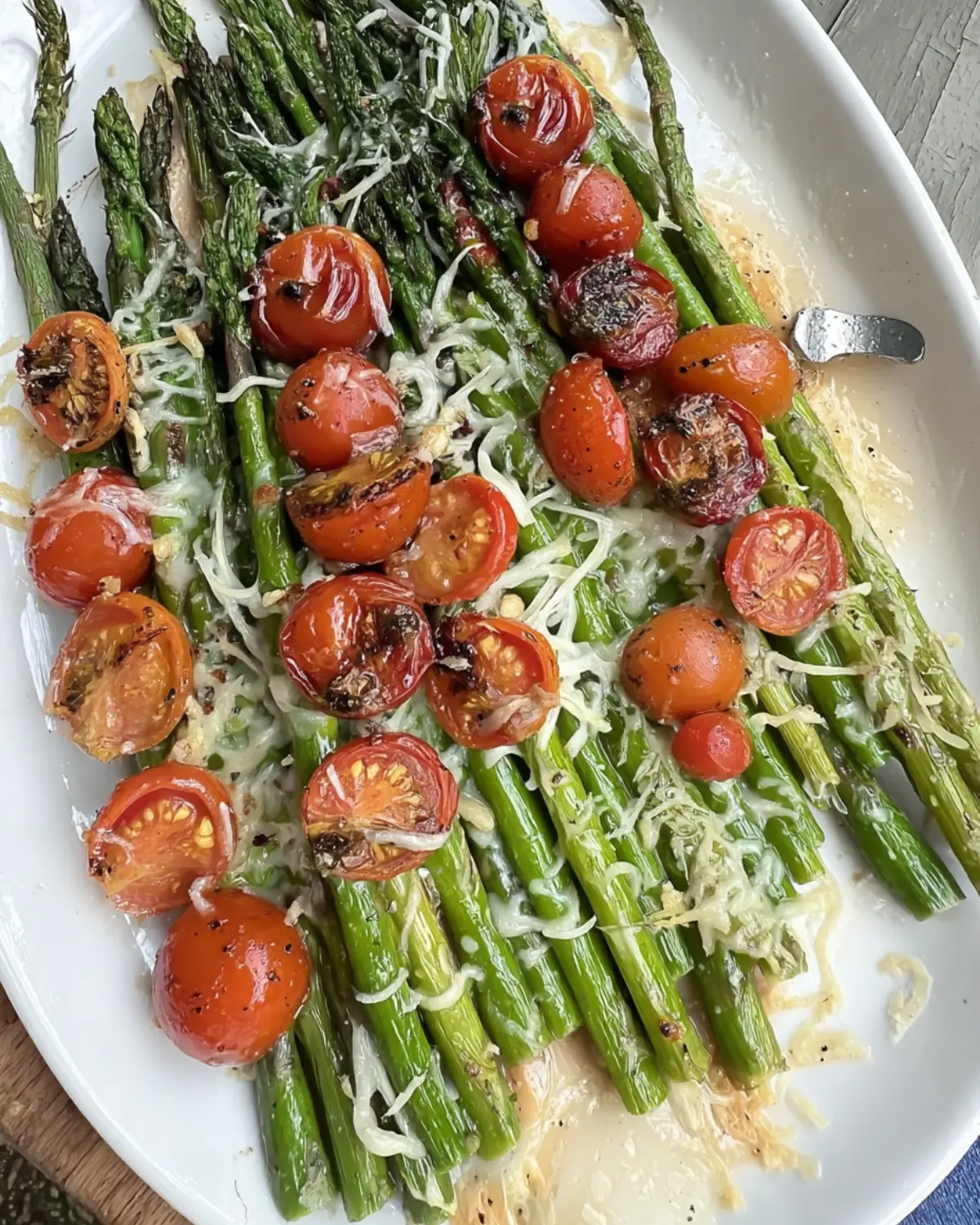

The arrival of asparagus each spring is a moment of quiet celebration for many. Its slender, verdant spears, often tied in neat bundles, herald a change in season, a promise of lighter, fresher flavors after the long, hearty months of winter. For centuries, it has graced tables, from the humble to the royal, often relegated to the role of a refined, yet simple, side dish – steamed, perhaps with a pat of butter, or blanched and draped with hollandaise. Yet, to see asparagus merely as an elegant accompaniment is to profoundly underestimate its true nature.
This article invites you on a journey, a deeper exploration into the world of Asparagus officinalis, revealing not just a culinary delight, but a botanical marvel steeped in history, brimming with nutritional prowess, and quietly performing a symphony of wellness within our bodies. It is a superfood, not by modern marketing hype, but by millennia of natural design and scientific discovery. Prepare to delve beyond the steam, beyond the side dish, and uncover the multifaceted secrets of this truly extraordinary vegetable.
A Tapestry of Time: Asparagus Through the Ages
Our story begins not in a modern kitchen, but in the ancient world, where asparagus was already a revered plant. The earliest known depiction of asparagus dates back to a frieze in ancient Egypt, around 3000 BCE, indicating its presence and appreciation even then. The Greeks, renowned for their botanical knowledge, recognized its medicinal properties, particularly as a diuretic. Its name, "asparagus," itself derives from the Greek word asparagos, meaning "sprout" or "shoot."
However, it was the Romans who truly elevated asparagus to a culinary art form. Emperor Augustus was said to be so fond of it that he coined the phrase "faster than cooking asparagus" to describe something needing to be done quickly – a testament to its common presence and quick preparation in his era. The Roman cookbook Apicius, compiled in the 4th century CE, features several recipes for asparagus, including a detailed method for drying it for year-round consumption, highlighting its value and the desire to preserve its fleeting seasonal bounty. They understood its delicate flavor and its ability to complement other ingredients, serving it with eggs, meat, and in rich sauces.
After the fall of the Roman Empire, asparagus cultivation somewhat diminished in Europe, becoming a rarity and largely forgotten until the Renaissance. It was rediscovered and enthusiastically embraced in France, particularly by King Louis XIV, who was so enamored with "the food of kings" that he commanded his gardeners to develop methods for growing it year-round in his royal gardens at Versailles. This push for forced cultivation cemented its status as a luxury, a delicacy reserved for the aristocracy and the wealthy.
From France, its popularity spread across Europe, reaching England in the 16th century and eventually making its way to North America with early colonists. Over the centuries, improvements in cultivation, particularly in the 19th and 20th centuries, led to its wider availability, transforming it from an exclusive aristocratic pleasure to a cherished seasonal staple for all.
This rich historical lineage is not merely anecdotal; it underscores asparagus’s enduring appeal, its consistent recognition across diverse cultures and epochs as something more than just a simple green stalk. It was, and remains, a food imbued with significance, flavor, and inherent goodness.
The Botanical Ballet: Understanding the Plant
To truly appreciate asparagus, one must understand its botanical nature. Asparagus officinalis is a perennial flowering plant species in the genus Asparagus, often placed in the lily family (Liliaceae), though some classifications place it in its own family, Asparagaceae. What we eat are the young shoots, or spears, that emerge from the ground in spring.
The plant grows from a crown, an underground root system that stores nutrients. Each spring, as soil temperatures rise, these crowns send up new shoots. If left unharvested, these spears would quickly unfurl into fern-like foliage, which then photosynthesizes throughout the summer, replenishing the crown’s energy reserves for the following year’s harvest. This perennial nature means an asparagus bed, once established, can produce for 15-20 years or even longer, a testament to its resilience and life cycle.
Asparagus plants are dioecious, meaning individual plants are either male or female. Male plants generally produce more, albeit thinner, spears because they don’t expend energy on seed production. Female plants produce thicker spears but fewer of them, and also develop small red berries containing seeds.
While green asparagus is the most common variety, there are others. White asparagus, particularly prized in Europe, is grown by mounding soil over the emerging spears, denying them sunlight and thus preventing chlorophyll development. This blanching process results in a more tender texture and a milder, slightly sweeter flavor. Purple asparagus, a newer variety, contains anthocyanins, the same antioxidants found in blueberries and red wine, which give it its distinctive hue. It tends to be sweeter and more tender than green asparagus and often requires less cooking.
The cultivation of asparagus is a patient endeavor. It takes about three years from planting a crown before a significant harvest can be made. This commitment to its growth cycle further elevates its status, making its spring appearance all the more anticipated. The delicate balance between harvesting the tender shoots and allowing enough to grow into ferns to nourish the crown for future years is a skill honed by experienced growers.
Unveiling the Superfood Spectrum: A Nutritional Deep Dive
Now, let’s peel back the layers and uncover the true "superfood" secrets nestled within those tender spears. Asparagus is a nutritional powerhouse, boasting an impressive array of vitamins, minerals, and unique bioactive compounds, all wrapped in a low-calorie, high-fiber package.
A typical serving (about half a cup or 90 grams) of cooked asparagus contains:
- Calories: Approximately 20
- Protein: 2.2 grams
- Fat: 0.2 grams
- Carbohydrates: 3.7 grams (of which 1.8 grams are fiber)
But these macronutrients are just the beginning. The micronutrient profile is where asparagus truly shines:
- Vitamin K: A single serving provides over 70% of the Daily Value (DV). Vitamin K is crucial for blood clotting and plays a vital role in bone health, helping to regulate calcium in the body and maintain bone density.
- Folate (Vitamin B9): With over 30% of the DV, folate is essential for cell growth and DNA formation, particularly important during pregnancy to prevent birth defects. It also plays a role in heart health by helping to regulate homocysteine levels.
- Vitamin A (as beta-carotene): Providing about 18% of the DV, Vitamin A is vital for vision, immune function, and skin health.
- Vitamin C: An important antioxidant that supports the immune system and skin health, contributing around 12% of the DV.
- Vitamin E: Another potent antioxidant that protects cells from damage, offering about 10% of the DV.
- Other B-vitamins: Asparagus contains smaller but significant amounts of Thiamine (B1), Riboflavin (B2), Niacin (B3), and Pyridoxine (B6), all crucial for energy metabolism and nervous system function.
- Potassium: Essential for maintaining fluid balance, nerve signals, and muscle contractions, including those of the heart.
- Iron: Key for oxygen transport in the blood and preventing anemia.
- Copper: Involved in energy production, iron metabolism, and nervous system function.
- Manganese: An important cofactor for many enzymes, involved in bone formation and antioxidant defense.
- Selenium: A trace mineral with powerful antioxidant properties, crucial for thyroid function and immune health.
Beyond these well-known nutrients, asparagus harbors a unique collection of phytochemicals and bioactive compounds that elevate its status from merely nutritious to truly therapeutic.
The Secret Arsenal: Bioactive Compounds and Their Miracles
The true magic of asparagus lies in its less-advertised, yet profoundly impactful, bioactive compounds. These are the "secrets" that empower asparagus to contribute so significantly to our health:
-
Glutathione: The Master Antioxidant
Asparagus is one of the richest natural sources of glutathione, often dubbed the body’s "master antioxidant." Unlike other antioxidants that work alone, glutathione is involved in neutralizing a wide range of free radicals, protecting cells from oxidative stress and damage. It also plays a critical role in detoxification processes in the liver, helping to eliminate harmful toxins and heavy metals from the body. Its presence in asparagus makes the vegetable a powerful ally against cellular aging and disease. -
Flavonoids (Quercetin, Kaempferol, Isorhamnetin): Anti-inflammatory Powerhouses
These plant pigments are potent antioxidants and anti-inflammatory agents. Quercetin, in particular, has been extensively studied for its ability to reduce inflammation, improve heart health, and potentially offer anti-cancer properties. Kaempferol also contributes to these effects, while isorhamnetin adds to the overall antioxidant capacity. These compounds work synergistically to protect the body at a cellular level, mitigating the damage caused by chronic inflammation, a root cause of many modern diseases. -
Anthocyanins: The Purple Protector
Found predominantly in purple asparagus, anthocyanins are a class of flavonoids responsible for the deep red, blue, and purple hues in many fruits and vegetables. These powerful antioxidants are particularly noted for their anti-inflammatory effects, their ability to improve cardiovascular health by strengthening blood vessels, and their potential role in cancer prevention and cognitive health. The vibrant color is a visual cue to a heightened antioxidant profile. -
Inulin: The Gut’s Best Friend (Prebiotic Fiber)
Asparagus is an excellent source of inulin, a type of soluble dietary fiber that acts as a prebiotic. This means it’s not digested in the upper gastrointestinal tract but travels to the colon, where it ferments and feeds beneficial gut bacteria (probiotics) like Bifidobacteria and Lactobacilli. A healthy gut microbiome is fundamental to overall health, influencing digestion, nutrient absorption, immune function, and even mood. By fostering a thriving gut environment, asparagus directly contributes to a robust digestive system and a stronger immune response. -
Saponins: Beyond Soap
These naturally occurring plant compounds are responsible for the slight bitterness in some asparagus, and they hold significant health benefits. Saponins have been shown to possess anti-inflammatory, anti-cancer, and cholesterol-lowering properties. They can bind to cholesterol in the digestive tract, preventing its absorption, and have been linked to immune-boosting effects. -
Asparagine: The Diuretic Dynamo
The amino acid asparagine, from which asparagus gets its name, is largely responsible for the vegetable’s well-known diuretic effect. It increases urine output, which can help flush excess fluid and salts from the body. This property makes asparagus beneficial for reducing bloating and supporting kidney function, aiding in the body’s natural detoxification processes. (And yes, it’s also responsible for that distinctive post-asparagus urine smell, a harmless metabolic byproduct!) -
Rutin: Vascular Support
Another flavonoid, rutin, is present in asparagus. It is known for its ability to strengthen capillaries and improve blood vessel elasticity, making it beneficial for overall cardiovascular health and potentially reducing the risk of conditions like varicose veins.
The combination of these compounds, working in concert with the vitamins and minerals, creates a synergistic effect that amplifies asparagus’s health benefits far beyond what any single nutrient could achieve alone.
Health Benefits: A Symphony of Wellness
Given its rich nutritional profile and diverse bioactive compounds, asparagus plays a remarkable role in promoting overall health and preventing chronic diseases.
-
Digestive Health Champion: The high fiber content, especially the prebiotic inulin, promotes regularity, prevents constipation, and nurtures a healthy gut microbiome. A well-functioning gut is the cornerstone of robust health.
-
Anti-inflammatory Powerhouse: The combination of antioxidants (glutathione, flavonoids, anthocyanins) and saponins actively combats chronic inflammation, which is implicated in heart disease, diabetes, arthritis, and various cancers. Regular consumption can help cool inflammatory responses throughout the body.
-
Cardiovascular Guardian: Folate helps regulate homocysteine levels, a risk factor for heart disease. Potassium is vital for blood pressure control, counteracting the effects of sodium. Fiber helps lower cholesterol. Rutin strengthens blood vessels. Together, these elements make asparagus a heart-healthy choice.
-
Bone Health Protector: Vitamin K is crucial for calcium absorption and bone mineralization. It ensures calcium is directed to the bones, preventing its accumulation in arteries, further supporting both bone and cardiovascular health.
-
Potential Anti-Cancer Agent: The abundance of antioxidants, particularly glutathione, and anti-inflammatory compounds like saponins and flavonoids, positions asparagus as a promising food in cancer prevention. Studies suggest these compounds can inhibit cancer cell growth and promote apoptosis (programmed cell death) in various cancer types.
-
Natural Diuretic and Detoxifier: Asparagine and potassium work together to increase urine production, helping the body shed excess water and sodium, reducing bloating, and supporting kidney function in flushing out toxins.
-
Blood Sugar Regulation: The fiber in asparagus helps slow down glucose absorption, preventing sharp spikes in blood sugar levels, making it beneficial for individuals managing diabetes or seeking to maintain stable energy levels.
-
Brain Health Booster: Folate and other B-vitamins are essential for neurological function. Folate, in particular, is linked to cognitive health and may help protect against age-related cognitive decline.
-
Immune System Support: Vitamins C, A, and E, along with selenium, provide crucial support for the immune system, helping the body defend against infections and illnesses. The healthy gut fostered by inulin also plays a significant role in immune function.
-
Weight Management Ally: Low in calories and high in fiber, asparagus promotes satiety, helping you feel fuller for longer and reducing overall calorie intake. Its diuretic properties can also help reduce water retention, contributing to a feeling of lightness.
This extensive list of benefits paints a clear picture: asparagus is not just a food to be enjoyed for its taste, but a potent natural medicine that contributes profoundly to our vitality and longevity.
Beyond the Steam: Culinary Artistry with Asparagus
While steaming remains a classic and healthy way to enjoy asparagus, limiting it to this method misses a world of culinary possibilities. Its delicate yet distinct flavor profile, which can range from earthy and grassy to slightly sweet, makes it incredibly versatile.
Storage and Preparation:
Always choose firm, bright green (or white/purple) spears with tight tips. Store them upright in a glass with about an inch of water, covered loosely with a plastic bag, in the refrigerator for up to a week. Before cooking, snap off the woody ends – they’ll naturally break at the tender point.
Cooking Methods to Explore:
- Roasting: Tossed with olive oil, salt, and pepper, then roasted at a high temperature (400°F/200°C) until tender-crisp and slightly caramelized, roasting brings out its natural sweetness and a beautiful char.
- Grilling: Similar to roasting, grilling imparts a smoky flavor and lovely grill marks. Perfect for spring and summer cookouts.
- Sautéing: Quick and easy, sautéing in a hot pan with garlic or shallots yields tender spears with a savory depth.
- Blanching & Chilling: For vibrant color and crisp texture in salads, blanch briefly in boiling water, then immediately plunge into ice water.
- Raw: Thinly shaved asparagus ribbons add a delightful crunch and fresh flavor to salads, often paired with lemon vinaigrettes or Parmesan.
- Stir-frying: Its crisp texture holds up well in stir-fries, absorbing the flavors of sauces and spices.
- Soups & Purées: Adds a delicate flavor to creamy spring soups or vibrant purées.
Flavor Pairings and Global Inspiration:
Asparagus is a team player, complementing a wide range of ingredients:
- Classic Enhancements: Lemon zest, garlic, olive oil, butter, Parmesan cheese, black pepper, fresh herbs (tarragon, chives, parsley).
- Rich & Savory: Prosciutto, bacon, eggs (poached, fried, scrambled, or in frittatas), goat cheese, ricotta, hollandaise sauce, balsamic glaze.
- Umami Boosters: Mushrooms, soy sauce, miso.
- Global Dishes:
- Italian: Asparagus risotto, pasta primavera, baked with mozzarella.
- French: Asparagus quiches, gratins, served with beurre blanc.
- Asian: Lightly stir-fried with sesame oil and ginger, or added to noodle dishes.
- Mediterranean: Grilled with feta and sun-dried tomatoes.
By experimenting with these methods and pairings, you can unlock the full culinary potential of asparagus, ensuring it’s never just a "side dish" but a star ingredient in its own right.
Sustainable Sourcing & Ethical Consumption
As with any food, considering the source of our asparagus is part of conscious consumption.
- Seasonal Eating: Enjoying asparagus when it’s naturally in season (typically spring to early summer in many regions) means fresher taste, higher nutritional value, and often a lower environmental footprint.
- Local vs. Imported: When possible, choose locally grown asparagus to support local farmers and reduce the carbon emissions associated with long-distance transportation.
- Organic Options: If available and within budget, organic asparagus avoids synthetic pesticides and fertilizers, which can be beneficial for both the environment and potentially for minimizing chemical residues on the food.
- Look for Quality: Regardless of source, vibrant color, firm spears, and tight tips are indicators of freshness and quality.
Asparagus cultivation, like all agriculture, has environmental considerations. It can be water-intensive, especially in arid regions. Supporting growers who practice sustainable irrigation and soil management techniques contributes to a healthier planet.
The Future of the Spear: Research and Innovation
The story of asparagus is far from over. Scientific research continues to uncover new depths to its health benefits. Studies are ongoing to further elucidate the precise mechanisms by which its unique compounds contribute to cancer prevention, neuroprotection, and metabolic health.
Innovations in agriculture are also playing a role, with new varieties being developed that are more disease-resistant, higher yielding, or possess enhanced nutritional profiles. Vertical farming and controlled environment agriculture may one day allow for more localized, sustainable production, extending its availability without the traditional environmental costs.
As our understanding of the human microbiome deepens, the role of prebiotics like inulin in asparagus will become even more prominent, potentially leading to targeted dietary recommendations for gut health. The humble spear holds immense promise for future nutraceutical and functional food applications.
Conclusion: A Legacy Reaffirmed
From the banquets of Roman emperors to the modern kitchen, from ancient remedies to cutting-edge scientific research, asparagus has consistently proven itself to be far more than just a seasonal delicacy. It is a vibrant thread woven into the tapestry of human history, a botanical marvel of intricate design, and a powerhouse of nutrition that champions our health in myriad ways.
Its rich historical narrative speaks of its enduring appeal, while its complex nutritional profile and unique bioactive compounds affirm its status as a true superfood. It fights inflammation, protects the heart, fortifies bones, nurtures the gut, and offers a shield against cellular damage. All this, wrapped in a slender, elegant spear that delights the palate with its distinctive taste and versatile culinary applications.
So, the next time you encounter a bundle of fresh asparagus, pause to appreciate the verdant enigma before you. Look beyond the side dish, beyond the simple steam, and recognize it for what it truly is: a legacy of wellness, a secret arsenal of health, and an invitation to embrace one of nature’s most profoundly beneficial gifts. Let it inspire you to explore its full potential, to savor its nuanced flavors, and to welcome its powerful secrets into your life, not just as a seasonal treat, but as a consistent ally in your journey towards optimal health.