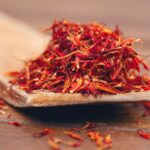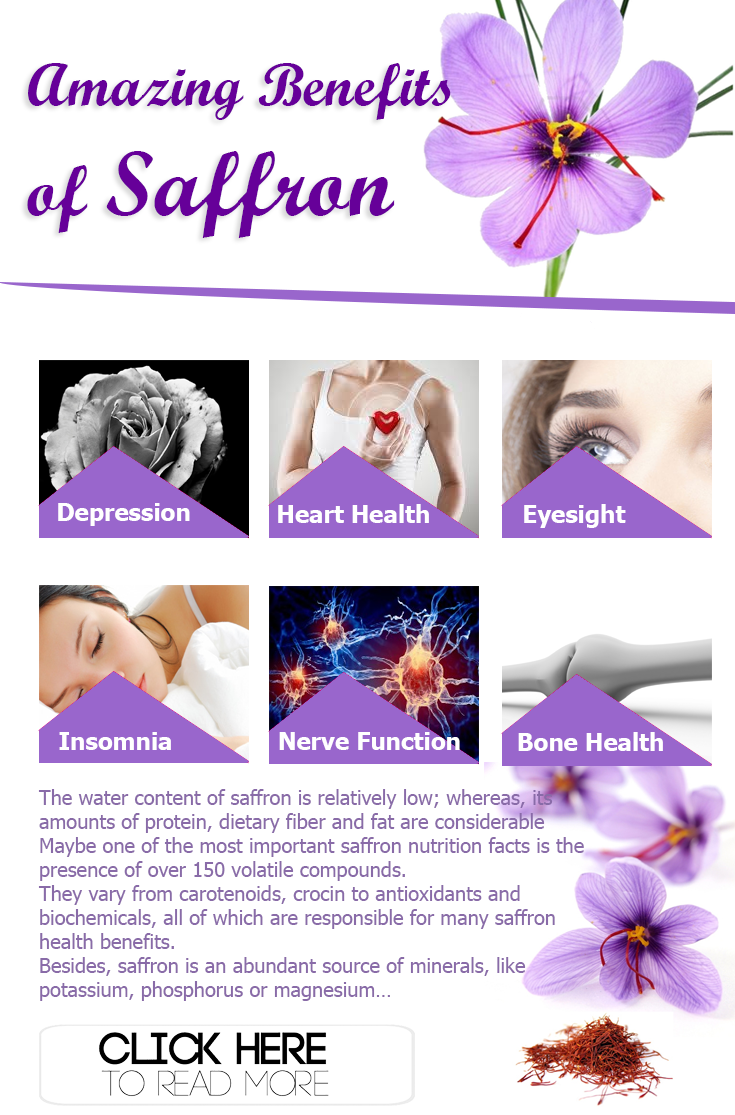

The air hangs thick with an aroma both delicate and profound, a whisper of distant lands and ancient rituals. Within a tiny, ephemeral bloom – the Crocus sativus – lies a treasure more precious than many metals, a spice known throughout history as "red gold." Saffron, with its vibrant crimson threads, has captivated humanity for millennia, not just with its unparalleled ability to imbue dishes with a golden hue and complex flavor, but with a legacy stretching far beyond the culinary realm. It is a story woven into the tapestries of civilizations, a narrative of healing, beauty, and profound wellness that science is only now fully beginning to unravel.
From the sun-drenched fields of Iran to the serene valleys of Kashmir, from the vibrant markets of Spain to the ancient apothecaries of Greece, saffron has always been more than just a spice; it has been an elixir, a dye, a perfume, and a potent medicine. Yet, in our modern world, its true power often remains overshadowed by its price tag and its culinary fame. This article ventures "beyond the color," inviting you on a journey to discover the seven proven health benefits of saffron, revealing how this ancient marvel continues to offer profound well-being in the 21st century. Prepare to delve into the science, the history, and the profound potential of this extraordinary botanical.
The Elixir of Antiquity: A Journey Through Time
Our story begins not in a laboratory, but in the annals of history. The use of saffron dates back over 3,500 years, etched into the frescoes of Minoan palaces and chronicled in ancient texts. In ancient Egypt, Cleopatra reportedly used saffron in her baths for its cosmetic properties and alluring fragrance, believing it enhanced her appeal. Greek and Roman physicians, including Hippocrates and Galen, prescribed saffron for a myriad of ailments, from insomnia and menstrual pain to respiratory issues and mood disorders.
The Persians revered saffron, using it in royal meals, spiritual ceremonies, and as a potent medicinal agent for everything from stomach aches to melancholia. They believed it to be an aphrodisiac and a powerful antidepressant. Arab traders introduced saffron to Spain in the 10th century, where its cultivation flourished, leading to some of the world’s most prized varieties. In India, saffron became an integral part of Ayurvedic medicine, prescribed for its adaptogenic and rejuvenating properties, and considered sacred.
This rich historical tapestry isn’t merely anecdotal; it provides a compelling backdrop for modern scientific inquiry. What did these ancient cultures instinctively understand that we are now rigorously testing? The answer lies in saffron’s intricate chemistry, a symphony of bioactive compounds working in concert to bestow its remarkable therapeutic effects.
The Science Behind the Splendor: Key Bioactive Compounds
Saffron’s profound effects stem from its unique phytochemical profile. While it contains a complex array of compounds, three primary metabolites are largely responsible for its distinctive characteristics and health benefits:
- Crocin and Crocetin: These are the carotenoid pigments responsible for saffron’s intense red-orange color. Beyond their visual appeal, crocin and crocetin are powerful antioxidants and anti-inflammatory agents. They are highly water-soluble, making them easily absorbed by the body. Research suggests they play a crucial role in saffron’s neuroprotective, antidepressant, and vision-enhancing properties.
- Safranal: This volatile compound is primarily responsible for saffron’s distinctive aroma. A potent monoterpene aldehyde, safranal contributes significantly to saffron’s mood-modulating, anxiolytic (anti-anxiety), and anticonvulsant effects. It also possesses antioxidant properties.
- Picrocrocin: This compound is the precursor to safranal and is responsible for saffron’s characteristic bitter taste. While less studied for its direct therapeutic effects compared to crocin and safranal, picrocrocin contributes to saffron’s overall pharmacological activity and has been linked to appetite regulation and digestive health.
These compounds don’t work in isolation; their synergistic interaction is what gives saffron its broad spectrum of benefits. Modern pharmacology is now meticulously dissecting these interactions, validating the empirical wisdom of millennia.
The Seven Pillars of Wellness: Unveiling Saffron’s Health Benefits
With its ancient legacy firmly established and its core chemistry understood, let’s dive into the seven scientifically proven health benefits that elevate saffron from a mere culinary indulgence to a powerful natural medicine.
1. A Beacon for the Mind: Mood Enhancement and Depression Relief
Perhaps saffron’s most celebrated and well-researched benefit lies in its profound impact on mental well-being. For centuries, traditional medicine systems have prescribed saffron for melancholia and anxiety. Modern science has not only validated these ancient claims but has begun to elucidate the mechanisms.
Numerous clinical trials have demonstrated saffron’s efficacy in improving symptoms of mild-to-moderate depression. Studies have shown that saffron extracts can be as effective as conventional antidepressant medications like fluoxetine (Prozac) and imipramine, with fewer reported side effects. The proposed mechanisms involve saffron’s ability to modulate neurotransmitter systems in the brain. Its active compounds, particularly crocin and safranal, appear to influence the levels of serotonin, dopamine, and norepinephrine – key chemicals involved in mood regulation. They may also act as mild monoamine oxidase inhibitors (MAOIs), preventing the breakdown of these mood-enhancing neurotransmitters.
Furthermore, saffron’s anti-inflammatory and antioxidant properties contribute to its antidepressant effects. Chronic inflammation and oxidative stress are increasingly recognized as contributors to the pathophysiology of depression. By mitigating these factors, saffron helps create a more conducive environment for brain health and stable mood. Its anxiolytic effects also play a role, as anxiety often co-occurs with depression, and saffron helps calm the nervous system, reducing feelings of stress and worry.
This makes saffron a compelling natural adjunct or alternative for individuals seeking support for their mental health, particularly for those with mild or moderate symptoms or those sensitive to the side effects of conventional medications.
2. Sharpening the Edges of Thought: Cognitive Enhancement and Neuroprotection
In an aging world, the quest for cognitive longevity is paramount. Saffron emerges as a promising ally in this endeavor, with research highlighting its neuroprotective and cognitive-enhancing capabilities. Its active compounds, especially crocin, have shown potential in improving memory, learning, and overall cognitive function.
One of the most exciting areas of research involves saffron’s role in neurodegenerative diseases like Alzheimer’s. Clinical trials have indicated that saffron supplementation can improve cognitive function in patients with mild-to-moderate Alzheimer’s disease, showing comparable efficacy to donepezil, a commonly prescribed Alzheimer’s drug, but again, with a better side effect profile. The mechanisms are multifaceted:
- Antioxidant and Anti-inflammatory: Saffron protects brain cells from oxidative damage and reduces neuroinflammation, both of which are implicated in cognitive decline.
- Amyloid-Beta Inhibition: Crocin has been shown to inhibit the formation and promote the clearance of amyloid-beta plaques, the hallmark pathological feature of Alzheimer’s disease.
- Neurotransmitter Modulation: Saffron can modulate acetylcholine, a neurotransmitter crucial for memory and learning, often deficient in Alzheimer’s patients.
- Improved Cerebral Blood Flow: Enhanced blood flow to the brain ensures adequate oxygen and nutrient delivery, vital for optimal cognitive performance.