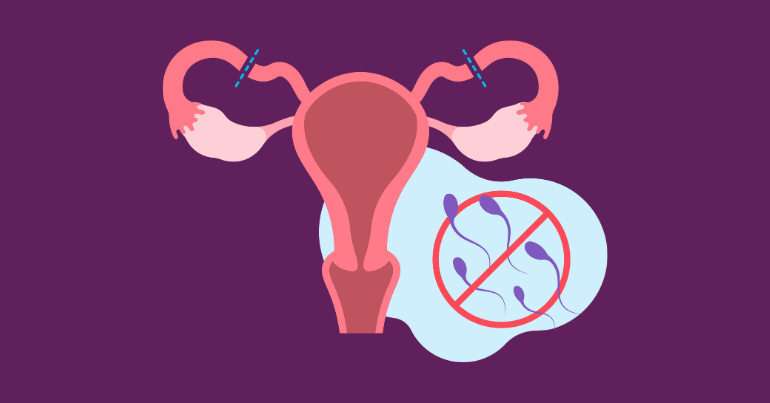

For many, the mention of "tubectomy," or its more common term "tubal ligation," conjures a singular image: a permanent solution for birth control. It’s a definitive step in family planning, chosen by millions of women worldwide as a secure end to their reproductive journey. Yet, to confine tubectomy solely to its contraceptive function is to miss a much broader, more profound narrative. Beyond the immediate and undeniable benefit of preventing unwanted pregnancies, tubectomy unfurls a surprising tapestry of long-term health advantages, offering women a profound investment in their physical, psychological, and emotional well-being that extends far into their future. This isn’t just about stopping life; it’s about enhancing it, paving the way for a healthier, more liberated existence.
The Decision Point: A Catalyst for Holistic Health
The decision to undergo a tubectomy is rarely made lightly. It is a deeply personal choice, often arrived at after careful consideration of family size, life goals, and a woman’s relationship with her own body. For many, it marks a significant milestone – a conscious declaration of reproductive autonomy. What is often overlooked, however, is that this decision, while primarily driven by the desire for permanent contraception, frequently serves as an unwitting catalyst for a cascade of long-term health benefits that permeate various aspects of a woman’s life. It is here, at this intersection of personal choice and medical intervention, that the story of tubectomy truly begins to transcend its functional label.
Imagine the quiet certainty that settles in once the fear of an unintended pregnancy is permanently lifted. This isn’t merely the absence of anxiety; it’s the presence of a newfound peace, a psychological liberation that allows women to redirect mental energy previously consumed by contraception management and pregnancy fears towards other pursuits. This mental unburdening is, in itself, a significant health benefit, laying the groundwork for improved emotional and, by extension, physical health. But the advantages extend far beyond the psychological realm, reaching deep into the physiological landscape of a woman’s body.
Direct Gynecological Health: A Shield Against Future Ailments
Perhaps the most compelling and increasingly recognized long-term health benefit of tubectomy lies in its protective effects against certain gynecological cancers and conditions. Modern medical understanding has refined the procedure, moving beyond simple ligation to embrace more comprehensive approaches that offer even greater prophylactic power.
1. A Powerful Defense Against Ovarian Cancer:
This is arguably the most significant "beyond birth control" benefit. For decades, ovarian cancer has been a formidable and often silent killer, notoriously difficult to detect in its early, treatable stages. Historically, it was believed to originate solely in the ovaries. However, groundbreaking research over the past two decades has revolutionized this understanding. We now know that a significant proportion, particularly the most aggressive high-grade serous ovarian cancers (HGSC), actually originate not in the ovary itself, but in the fimbriated (finger-like) ends of the fallopian tubes, specifically from precursor lesions known as serous tubal intraepithelial carcinoma (STIC).
This paradigm shift has led to a re-evaluation of tubal ligation. While traditional tubal ligation (clipping, cutting, or burning the tubes) offered some protection, the practice of opportunistic salpingectomy – the complete removal of the fallopian tubes during a planned pelvic surgery (such as hysterectomy, or even as the primary method of sterilization) – has emerged as a far more effective preventative measure. Studies have shown that bilateral salpingectomy can reduce the risk of ovarian cancer by as much as 50-65% in the general population, making it one of the most impactful strategies for primary prevention of this devastating disease.
For a woman choosing permanent contraception, opting for a bilateral salpingectomy instead of a traditional tubal ligation transforms a simple birth control procedure into a life-saving prophylactic intervention. This isn’t just about reducing risk; it’s about actively removing the primary site of origin for a deadly cancer, offering a profound and lasting health dividend that few other elective procedures can match. The peace of mind that comes with this significantly reduced risk is immeasurable.
2. Elimination of Ectopic Pregnancy Risk:
While less dramatic than ovarian cancer prevention, the complete elimination of ectopic pregnancy risk is a vital health benefit. An ectopic pregnancy occurs when a fertilized egg implants outside the uterus, most commonly in the fallopian tube. These pregnancies are non-viable and can be life-threatening for the mother if the tube ruptures, leading to severe internal bleeding.
For women who have chosen tubectomy, this harrowing possibility is entirely removed. The physical and emotional trauma associated with an ectopic pregnancy – the acute pain, the emergency surgery, the grief of a lost pregnancy, and the subsequent recovery – is entirely circumvented. This offers a profound and permanent layer of safety and peace of mind, particularly for women who may have experienced an ectopic pregnancy in the past or have risk factors for them.
3. Reduced Risk of Pelvic Inflammatory Disease (PID):
Pelvic Inflammatory Disease (PID) is an infection of the female reproductive organs, often caused by sexually transmitted infections. If left untreated, PID can lead to chronic pelvic pain, infertility, and an increased risk of ectopic pregnancy. While tubectomy does not protect against STIs, the physical barrier created by ligating or removing the fallopian tubes can significantly reduce the risk of ascending infections from the lower reproductive tract reaching the uterus, fallopian tubes, and ovaries.
By creating this physical barrier, tubectomy can mitigate the severity and recurrence of PID for some women. This means a reduced likelihood of the chronic pain, adhesions, and long-term gynecological complications associated with repeated or severe infections, contributing to a better quality of life and fewer gynecological health issues down the line.
Hormonal Harmony: Reclaiming the Body’s Natural Rhythm
One of the most common misconceptions surrounding tubectomy is its supposed impact on a woman’s hormones, libido, or the onset of menopause. It’s crucial to address this myth head-on: tubectomy has no effect on a woman’s hormones, menstrual cycle, or the timing of menopause. The procedure involves only the fallopian tubes, which are conduits for eggs; the ovaries, which produce hormones (estrogen and progesterone) and eggs, remain intact and fully functional. This means a woman will continue to ovulate, menstruate (if she’s not on hormonal birth control), and experience menopause at her natural physiological time.
However, tubectomy can have a profound indirect positive impact on a woman’s hormonal health, particularly for those who transition off long-term hormonal contraception.
1. The Liberation from Hormonal Contraception’s Side Effects:
For many women, tubectomy marks the end of their reliance on hormonal birth control methods – pills, patches, rings, injections, or hormonal IUDs. While incredibly effective as contraceptives, these methods can come with a spectrum of side effects that, over years, can significantly impact a woman’s daily life and overall well-being. These can include:
- Mood swings, anxiety, or depression: Hormonal fluctuations can profoundly affect mental health.
- Decreased libido: Many women report a reduction in sex drive while on hormonal contraception.
- Weight fluctuations: Some experience weight gain or difficulty losing weight.
- Headaches and migraines: Hormonal contraception can trigger or worsen headaches.
- Nausea and digestive issues: Particularly common with oral contraceptives.
- Breast tenderness: A frequent complaint.
- Fatigue and energy dips: Chronic low energy for some users.