
In an age defined by the relentless pursuit of wellness, where superfoods are celebrated and every nutrient is meticulously dissected, it’s easy to overlook the unassuming, yet profoundly potent, treasures hidden in plain sight. We scour exotic aisles, import costly supplements, and chase fleeting trends, often missing the humble, indigenous marvels that have sustained communities for generations. Among these unsung heroes, a small, vibrant berry, often dismissed as a mere weed, stands poised to reclaim its rightful place in our dietary lexicon: the Turkey Berry.
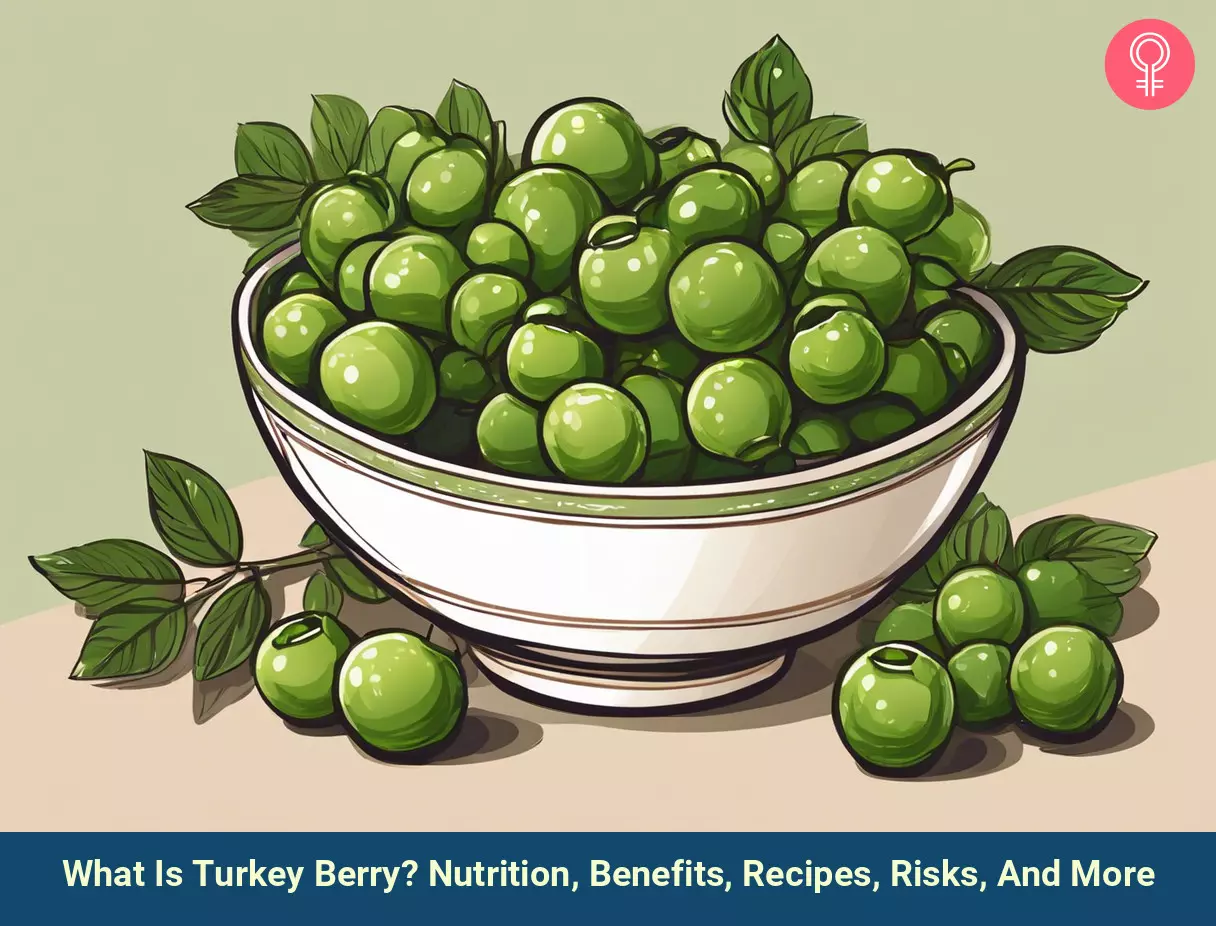
Imagine a tiny, green orb, no larger than a pea, growing prolifically in sun-drenched tropical climes. Its flavor is a complex dance of bitterness and pungency, a taste that might initially challenge the modern palate accustomed to sweetness, yet one that whispers tales of deep-rooted medicinal efficacy. This is the Turkey Berry, known scientifically as Solanum torvum, but celebrated by countless names across cultures – sundakkai in Tamil, kantakari in Ayurveda, susumber in Jamaica, makuea puang in Thailand, and gboma in West Africa. It is a berry with a history as rich and diverse as the lands it inhabits, a testament to nature’s enduring wisdom, and a compelling argument for a delicious revolution in your weekly diet.
This isn’t merely a tale of a new "superfood" to be fetishized and forgotten. This is a narrative woven through centuries of traditional medicine, now being meticulously unraveled and validated by the rigorous gaze of modern science. It’s a story about rediscovering a foundational ingredient that offers a holistic symphony of health benefits, capable of addressing some of the most pervasive challenges of contemporary living, from chronic inflammation to iron deficiency. For the knowledgeable seeker of true wellness, the Turkey Berry isn’t just another addition; it’s an invitation to reconnect with the profound, unadulterated power of the earth.
The Ancestral Legacy: A Journey Through Time and Tradition
To truly appreciate the Turkey Berry, we must first embark on a journey through its ancestral legacy. Long before laboratories isolated compounds and clinical trials quantified effects, indigenous healers and grandmothers intuitively understood its profound properties. In the vibrant tapestry of Ayurvedic medicine, the Turkey Berry, often referred to as kantakari, has been revered for its ability to balance the doshas, particularly Kapha and Vata, due to its bitter and pungent taste. It was prescribed for respiratory ailments, digestive issues, and as a potent detoxifier, its spiky nature mirroring its perceived ability to "prick" away disease.
Across Southeast Asia, particularly in Thailand, Vietnam, and Indonesia, the berry is an integral part of daily cuisine and traditional remedies. Thai curries and stir-fries often feature the bitter crunch of makuea puang, not just for flavor complexity, but for its recognized health virtues, especially its ability to aid digestion and cleanse the blood. In the Caribbean, particularly Jamaica, the susumber stew is a cherished tonic, often prepared for new mothers to aid recovery and boost blood levels, or for individuals battling colds and flu.
The African continent also holds the Turkey Berry in high esteem. From West Africa, where it’s known as gboma or eblekoro, to East Africa, it forms part of soups, stews, and herbal concoctions used to combat anemia, malaria, and various inflammatory conditions. These traditional applications weren’t random acts; they were the culmination of generations of observation, trial, and error, passed down through oral traditions and practical demonstration. They represent a deep, intuitive understanding of the plant kingdom, an understanding that modern science is now validating with increasing precision.
This cross-cultural reverence isn’t a coincidence. It points to an inherent efficacy, a universal understanding of the berry’s profound impact on human physiology. The story of the Turkey Berry is, in essence, the story of humanity’s enduring quest for health, and its reliance on the natural world to provide the answers.
Unveiling the Science: The Modern Lens on Ancient Wisdom
While ancient wisdom provided the empirical evidence, modern science is now providing the mechanistic explanations. Researchers worldwide are turning their attention to Solanum torvum, dissecting its biochemical profile and systematically testing its traditional claims. What they are discovering is a veritable pharmaceutical factory packed into a tiny berry.
The Turkey Berry is not just a source of basic nutrients; it’s a treasure trove of phytochemicals – complex plant compounds responsible for its medicinal properties. These include:
- Steroidal Glycosides: Such as torvosides A, B, C, D, E, F, G, H, and I, and solasodine, which are thought to be responsible for its anti-inflammatory, antimicrobial, and potentially anti-cancer effects.
- Flavonoids and Phenolic Compounds: Quercetin, rutin, kaempferol, and gallic acid are powerful antioxidants.
- Saponins: Contribute to its cholesterol-lowering and immune-modulating properties.
- Alkaloids: Like solanine, which, in appropriate doses, can have various pharmacological activities.
- Vitamins and Minerals: Notably high in Vitamin C, Vitamin A, B vitamins, iron, calcium, phosphorus, and potassium.
- Dietary Fiber: Essential for digestive health.
This rich and complex chemical profile explains the broad spectrum of health benefits attributed to the Turkey Berry, moving it from the realm of folk remedy to a scientifically recognized powerhouse.
The Symphony of Benefits: Why Your Body Craves Turkey Berries
Let’s delve deeper into the specific ways the Turkey Berry orchestrates a symphony of health benefits within the human body, making it an indispensable addition to your weekly diet.
1. The Antioxidant Vanguard: Battling Oxidative Stress
Our modern lives are a constant barrage of oxidative stress. Pollution, processed foods, psychological stress, and even normal metabolic processes generate free radicals – unstable molecules that damage cells, proteins, and DNA, leading to premature aging and chronic diseases like cancer, heart disease, and neurodegenerative disorders.
The Turkey Berry steps in as a powerful antioxidant vanguard. Its rich array of flavonoids, phenolic acids, and Vitamin C acts as a formidable defense system, neutralizing free radicals before they can wreak havoc. Quercetin and rutin, in particular, are renowned for their ability to scavenge these destructive molecules, protect cellular integrity, and reduce overall oxidative burden. By regularly consuming Turkey Berries, you are essentially equipping your body with a shield against the invisible forces of cellular degradation, fostering longevity and vitality from within.
2. The Anti-Inflammatory Maestro: Quelling the Silent Fire
Chronic inflammation is now recognized as a root cause of almost every major chronic disease, from arthritis and autoimmune conditions to heart disease, diabetes, and even certain cancers. Unlike acute inflammation, which is a necessary immune response to injury, chronic inflammation is a persistent, low-grade "silent fire" that slowly erodes health.
The steroidal glycosides, particularly solasodine, and other phytochemicals in Turkey Berries exhibit significant anti-inflammatory properties. Studies have shown their ability to inhibit pro-inflammatory cytokines and enzymes, effectively dampening the inflammatory cascade. For individuals battling inflammatory conditions or simply seeking to prevent their onset, incorporating Turkey Berries into their diet offers a natural, plant-based strategy to keep inflammation in check, promoting comfort and long-term well-being.
3. The Iron Alchemist: A Natural Remedy for Anemia