
In the grand tapestry of culinary evolution, where tradition often collides with innovation, a quiet revolution has been simmering. It’s a movement born from a growing consciousness about our planet, our health, and our ethical responsibilities. As more individuals seek to reduce their reliance on animal products, the quest for truly satisfying, versatile, and compelling plant-based alternatives has intensified. Many contenders have emerged: the humble mushroom, the stalwart tofu, the enigmatic seitan, and a parade of highly processed, laboratory-crafted facsimiles. Yet, amidst this diverse landscape, one fruit – yes, a fruit – has quietly, confidently, and deliciously ascended to claim its rightful throne as the undisputed champion, the ultimate plant-based meat swap: the magnificent jackfruit.
This isn’t merely a substitute; it’s a revelation. It’s not just about mimicking the texture of meat; it’s about offering a culinary experience that is both familiar and refreshingly new. It’s a story rooted in ancient traditions, nurtured by sustainable practices, and blossoming into a global phenomenon. For the discerning palate and the conscious consumer, jackfruit isn’t just an option; it’s the future unfurling, one delicious, fibrous bite at a time.
The Ancestral Whisper: From Jungle Staple to Global Star
Our story begins in the lush, humid ecosystems of South and Southeast Asia, particularly in India, Bangladesh, Sri Lanka, and parts of Malaysia and Indonesia. Here, Artocarpus heterophyllus, the jackfruit tree, has flourished for millennia, its massive, bumpy fruits hanging like prehistoric ornaments from its sturdy branches. For generations, jackfruit has been a dietary cornerstone, a source of sustenance and versatility woven deeply into the cultural fabric of these regions. It’s a tree that provides not just food, but timber, medicine, and even animal fodder. Its presence is so ubiquitous that it’s often overlooked by the very people who benefit most from its bounty.
Traditionally, the use of jackfruit has been dichotomous: the young, unripe green fruit, with its firm, starchy flesh, was prized for savory dishes, often cooked in curries or stews, where its ability to absorb spices and its meaty texture shone. The ripe, golden-yellow fruit, intensely sweet and fragrant, was reserved for desserts, snacks, and juices, its potent aroma a defining characteristic of tropical markets. This ancient wisdom, passed down through countless generations, held the key to its modern-day triumph.
It was only in recent decades, propelled by the surge in global interest in plant-based diets, that the world truly began to "discover" the savory potential of young jackfruit. Western chefs and food innovators, seeking alternatives that transcended the often-maligned textures of tofu and the sometimes-intrusive flavors of tempeh, stumbled upon this tropical giant. What they found was nothing short of miraculous: a fruit that, when cooked, could shred, pull, and chew with an uncanny resemblance to slow-cooked pork, chicken, or even certain types of fish. The ancestral whisper had become a global roar.
The Alchemy of Texture: Why Jackfruit Deceives and Delights
At the heart of jackfruit’s supremacy as a meat swap lies its extraordinary texture. This is where it truly distinguishes itself from its plant-based peers. Unlike mushrooms, which can be chewy but lack the fibrous "pull," or tofu, which is fundamentally soft unless heavily processed, young jackfruit possesses a unique cellular structure that, upon cooking, breaks down into remarkably meat-like strands.
Imagine a perfectly slow-cooked piece of pork shoulder or chicken breast, braised until it’s fork-tender, ready to be pulled apart into succulent shreds. This is the magic that jackfruit effortlessly replicates. Its natural fibers, arranged in a way that mimics muscle tissue, separate cleanly when pressure is applied, creating that coveted "shredded" or "pulled" effect. This isn’t achieved through artificial binders or intricate extrusion processes; it’s a gift from nature itself.
When stewed, braised, or even pan-fried, the jackfruit’s firm flesh softens, allowing those natural fibers to become pliable yet resilient. It offers a satisfying chew, a certain "toothsomeness" that is often missing in other plant-based alternatives. This textural alchemy is not merely a superficial resemblance; it’s a fundamental characteristic that allows jackfruit to seamlessly integrate into dishes where the mouthfeel of meat is paramount. It provides the bulk, the bite, and the structural integrity that makes a sandwich feel substantial, a taco feel authentic, or a curry feel hearty. For those who miss the sensory experience of meat – the satisfying tear, the textural variety – jackfruit offers an unparalleled bridge.
The Chameleon’s Canvas: A Flavor Profile Designed for Absorption
Beyond its textural prowess, jackfruit’s true genius lies in its remarkably neutral flavor profile when young and unripe. This isn’t a fruit that screams "tropical" or asserts a dominant taste; rather, it’s a quiet, earthy foundation, a blank canvas awaiting the artist’s brush. This inherent neutrality is a game-changer for plant-based cooking.
Many plant-based meat substitutes struggle with their own intrinsic flavors, which can either clash with the desired outcome or require aggressive seasoning to mask. Tempeh, for instance, has a distinct nutty, fermented taste that, while delicious in its own right, isn’t always suitable for every application. Seitan, while texturally impressive, often carries a subtle bready or yeasty undertone. Tofu, while mild, can sometimes retain a bean-like hint.
Jackfruit, however, is a culinary sponge. Its fibrous structure readily absorbs marinades, sauces, and spices, allowing the chef complete control over the final flavor. Want a smoky, tangy barbecue pulled "pork"? Jackfruit drinks in the rich molasses and vinegar notes. Craving spicy, zesty taco filling? It becomes imbued with cumin, chili powder, and lime. Dreaming of a rich, aromatic curry? It soaks up the coconut milk, ginger, garlic, and complex spice blends with aplomb.
This chameleon-like quality means that jackfruit doesn’t just substitute for meat; it becomes an extension of the flavor profile you wish to create. It doesn’t fight for attention; it enhances and supports the very essence of the dish. This adaptability makes it incredibly versatile, allowing it to transcend specific cuisines and become a staple in any kitchen seeking innovative plant-based solutions.
A Culinary Odyssey: Beyond the Pulled "Pork"
While the "pulled jackfruit" phenomenon has undoubtedly been its most famous entry point into Western cuisine, to confine jackfruit to this single application would be a disservice to its incredible versatility. Its potential stretches far beyond the barbecue sandwich, inviting a culinary odyssey that spans continents and cooking styles.
-
The Classic BBQ Pulled Jackfruit: This is where many plant-based enthusiasts first encounter the magic. Young jackfruit, shredded and simmered in a rich, smoky barbecue sauce, becomes virtually indistinguishable from slow-cooked pork. Served on a bun with coleslaw, it’s a revelation that consistently fools even the most ardent carnivores. The fibrous texture holds up perfectly, offering that satisfying chew and hearty feel.
-
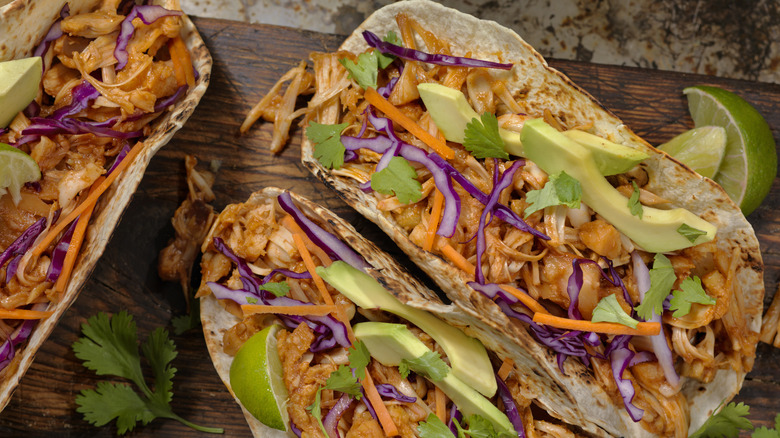
Tacos, Burritos, and Nachos: Imagine perfectly seasoned, slightly browned jackfruit taking the place of ground beef or shredded chicken in your favorite Mexican-inspired dishes. Marinated in chili, cumin, smoked paprika, and lime, then sautéed until tender and slightly crispy at the edges, it adds substance and flavor that elevate these dishes to new heights. Its ability to hold sauce and maintain texture makes it ideal for these handheld delights.
-
Rich & Aromatic Curries: In its native lands, jackfruit curries are a staple. The young fruit stands up beautifully to long simmering times in coconut milk-based sauces, absorbing the complex flavors of turmeric, coriander, fenugreek, and mustard seeds. Its hearty texture provides a substantial base, making the curry feel incredibly filling and satisfying, akin to a chicken or lamb curry.
-
Jackfruit "Fish" Tacos: This is a more innovative application that showcases jackfruit’s surprising range. When packed in brine, the young fruit can take on a subtly briny flavor. Lightly battered and fried, or simply seasoned and pan-seared, its flaky texture and ability to absorb flavors like lemon, dill, and Old Bay seasoning can mimic white fish incredibly well, particularly in the context of a zesty, fresh fish taco.