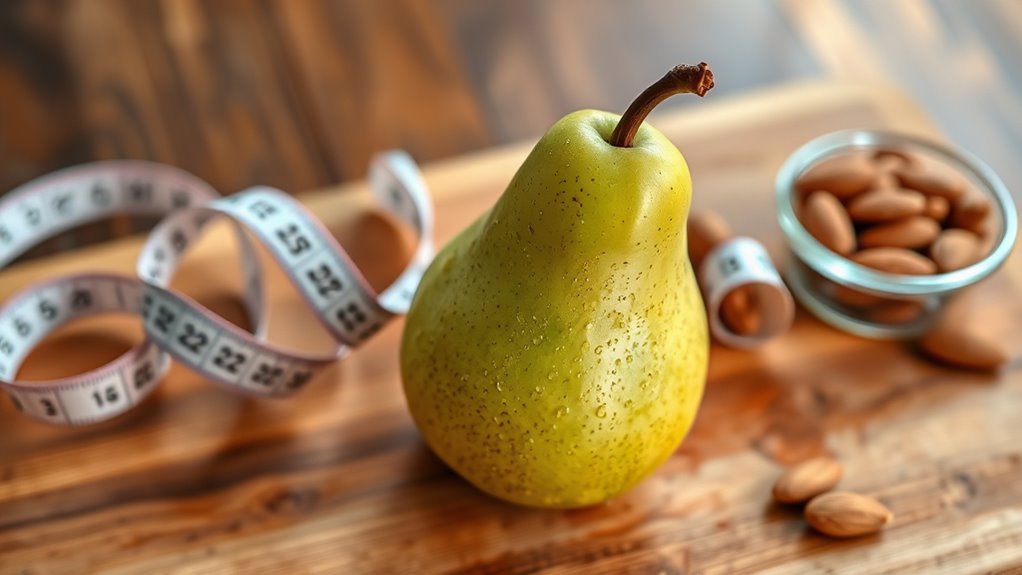

A Story of Sweetness, Science, and Sustained Health
For millions living with diabetes, the journey through life’s culinary landscape often feels like a tightrope walk. Every meal, every snack, every craving presents a choice laden with consequences for blood sugar management. The vibrant allure of sweetness, a primal human pleasure, becomes a forbidden fruit, or so it often seems. The constant vigilance, the fear of spikes, and the frustration of feeling deprived can cast a long shadow over the simple joy of eating. But what if there was a sweet, succulent, and satisfying treat that not only indulged the palate but actively contributed to better health outcomes? A fruit so unassuming, yet so profoundly beneficial, that it could transform the diabetic’s relationship with sweetness from one of fear to one of informed delight?
Enter the pear.
More than just a juicy delight, the humble pear emerges from the shadows of dietary restrictions as a true unsung hero for those navigating diabetes. It’s a fruit that tells a story – a story of balanced sweetness, a symphony of fiber, and a treasure trove of micronutrients, all working in concert to support stable blood sugar and overall well-being. This isn’t merely about its position on the glycemic index; it’s about the holistic package the pear delivers, a testament to nature’s profound wisdom. For the knowledgeable audience seeking depth beyond surface-level recommendations, we embark on a comprehensive exploration of why the pear isn’t just allowed in a diabetic diet, but why it should be enthusiastically embraced as a strategic ally in the pursuit of sustained health.
Chapter 1: Understanding Glycemic Control – The Foundation of the Diabetic Journey
To truly appreciate the pear’s profound utility, we must first revisit the foundational principles of glycemic control, the very bedrock of diabetes management. Diabetes, in its various forms, fundamentally revolves around the body’s inability to effectively manage blood glucose (sugar) levels. In Type 1 diabetes, the pancreas produces little to no insulin, the hormone responsible for ushering glucose into cells for energy. In Type 2 diabetes, the body either doesn’t produce enough insulin or, more commonly, becomes resistant to the insulin it does produce, leading to an accumulation of glucose in the bloodstream. Both scenarios, if left unmanaged, pave the way for a cascade of debilitating complications, from cardiovascular disease and neuropathy to nephropathy and retinopathy.
The overarching goal for diabetics, therefore, is to maintain blood glucose levels within a healthy target range, avoiding both dangerously high spikes (hyperglycemia) and precipitous drops (hypoglycemia). This tightrope walk necessitates careful attention to dietary choices, particularly those rich in carbohydrates, which are the primary source of glucose.
This is where the concepts of Glycemic Index (GI) and Glycemic Load (GL) become indispensable tools. The Glycemic Index is a ranking system that measures how quickly a carbohydrate-containing food raises blood glucose levels after eating, compared to a reference food (usually pure glucose or white bread). Foods are classified as high GI (70 or more), medium GI (56-69), or low GI (55 or less). While the GI provides a valuable snapshot, it has a limitation: it doesn’t account for typical serving sizes. A food might have a high GI, but if you only consume a tiny portion, its actual impact on your blood sugar might be minimal.
This is where Glycemic Load steps in, offering a more practical and nuanced perspective. GL takes both the GI of a food and the amount of carbohydrate in a typical serving into account. It’s calculated by multiplying the GI by the amount of carbohydrate (in grams) in a serving and dividing by 100. A GL of 20 or more is considered high, 11-19 is medium, and 10 or less is low. For individuals managing diabetes, prioritizing low-GI and low-GL foods is a cornerstone strategy, as these foods lead to slower, more gradual increases in blood sugar, demanding less insulin response and fostering greater stability. This foundational understanding sets the stage for why the pear isn’t just a pleasant diversion but a strategic asset in the daily management of this complex condition.
Chapter 2: The Pear’s Glycemic Profile – A Sweet Victory
With the principles of glycemic control firmly in mind, let’s turn our attention to the pear itself and its impressive performance in this crucial arena. The pear, in its natural, whole form, proudly stands as a low-glycemic fruit, a fact that makes it an immediate candidate for diabetic-friendly diets.
Most varieties of pears, when consumed fresh and ripe but not overripe, boast a Glycemic Index typically ranging from 30 to 49. This firmly places them in the "low GI" category (55 or less). To put this into perspective, let’s consider some other commonly consumed fruits:
- Apples: often range from 36-40 (also low GI, a good comparison)
- Bananas: can range from 42 (underripe) to 62 (very ripe), sometimes pushing into medium GI.
- Grapes: typically 43-59, depending on variety.
- Mangoes: often 51-60, sometimes medium GI.
- Watermelon: famously high GI at 72-80, though its low carbohydrate density often results in a low GL.
What truly elevates the pear’s status is its corresponding Glycemic Load. For a typical medium-sized pear (around 178g), which contains approximately 27g of carbohydrates, its GL hovers around 7 to 9. This is squarely in the "low GL" category (10 or less), signifying that even a standard serving of pear will not trigger a significant or rapid rise in blood glucose. This is a crucial distinction, as it addresses both the rate and the magnitude of the blood sugar response, providing a reassuring sense of control for diabetics.
Several factors contribute to the pear’s favorable glycemic profile. Foremost among these is its remarkable fiber content, which we will delve into in detail shortly. Fiber, particularly soluble fiber, acts as a natural speed bump in the digestive tract, slowing down the breakdown of carbohydrates into glucose and their subsequent absorption into the bloodstream. This creates a gentle, sustained release of energy rather than an abrupt surge.
Furthermore, the natural sugars in pears are balanced by their water content and the intricate matrix of plant cells, which require digestion, further mitigating a rapid sugar dump. While pears do contain fructose, a type of sugar, the context in which it is consumed matters immensely. Fructose in whole fruit, encased in fiber and other nutrients, is metabolized differently and more slowly than the concentrated, free fructose found in high-fructose corn syrup or sugary beverages. The liver processes fructose, and in reasonable amounts from whole fruits, it is not problematic for most individuals, especially when accompanied by fiber.
It’s important for our knowledgeable audience to note that while the GI and GL are generally consistent for pears, minor variations can occur. Extremely ripe pears might have a slightly higher GI than firmer ones, as the starches begin to convert more fully into sugars. However, this difference is usually marginal and does not push them out of the low-glycemic category. Similarly, processing, such as peeling or juicing, significantly alters the glycemic response. Pear juice, stripped of its fiber, will have a much higher GI and GL than the whole fruit, underscoring the importance of consuming pears in their most natural, unadulterated form. The story here is one of finding a genuinely sweet and satisfying option that aligns perfectly with the imperative of stable blood sugar, offering a genuine sweet victory in the daily battle against glycemic spikes.
Chapter 3: Beyond Glycemic Index – The Fiber Powerhouse
While the pear’s low glycemic profile is a compelling reason for its inclusion in a diabetic diet, its true power, and a significant part of its story, lies in its extraordinary fiber content. Fiber is the unsung hero of digestive health, and for diabetics, it is nothing short of a nutritional superpower. A medium-sized pear (about 178g) can provide approximately 6 grams of dietary fiber, which is a substantial contribution towards the recommended daily intake of 25-38 grams. What’s more, pears offer a balanced blend of both soluble and insoluble fiber, each playing a distinct yet complementary role in promoting health, especially for those managing blood sugar.
Soluble Fiber: The Gentle Regulator
The star of the show in pear fiber is undoubtedly soluble fiber, particularly a type called pectin. When soluble fiber encounters water in the digestive tract, it forms a viscous, gel-like substance. This gel performs several critical functions that directly benefit diabetics:
- Slowed Digestion and Nutrient Absorption: The gel-like matrix physically slows down the rate at which carbohydrates are broken down into glucose and absorbed into the bloodstream. This blunts post-meal blood sugar spikes, leading to a more gradual and sustained release of glucose, which requires a less aggressive insulin response. This is a direct mechanism by which pears contribute to glycemic control, beyond just their inherent sugar content.