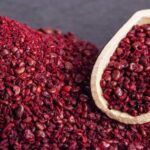

The discerning athlete is always seeking an edge. Not a synthetic shortcut, but a foundational advantage built on meticulous training, intelligent recovery, and, crucially, optimized nutrition. They meticulously track macros, calibrate their hydration, and debate the merits of every supplement. Yet, often, the most potent allies lie hidden in plain sight, overlooked spices with millennia of wisdom etched into their very essence. Among these unsung heroes, one vibrant, tangy crimson berry stands poised to revolutionize the modern athlete’s plate: Sumac.
Imagine a spice that whispers of ancient trade routes, of sun-drenched Mediterranean hillsides, and the bustling markets of the Middle East. It’s not just a garnish, not merely a flavor enhancer, but a nutritional powerhouse, a tiny crimson jewel packed with compounds engineered by nature to protect, repair, and invigorate. For the athlete pushing boundaries, recovering from grueling sessions, and demanding peak performance from their body, sumac is not just an intriguing addition – it is an indispensable tool, a strategic culinary asset that deserves a permanent, prominent place in their kitchen arsenal.
This isn’t just about adding a new flavor to your grilled chicken. This is about harnessing the profound biochemical benefits of a whole food, a natural extract that offers a sophisticated symphony of advantages, from quelling systemic inflammation to bolstering immune defenses and stabilizing vital energy levels. For the knowledgeable athlete, understanding the ‘why’ behind every dietary choice is paramount. And with sumac, the ‘why’ is a compelling narrative of science, tradition, and untapped potential.
The Ancient Whisper: Sumac’s Journey Through Time
Before delving into the molecular marvels, it’s essential to appreciate sumac’s storied past. Rhus coriaria, the sumac species primarily used in culinary applications, has graced human tables and medicine cabinets for thousands of years. Its tart, citrusy notes were prized by Romans before lemons became widely available, and it remains a cornerstone of Middle Eastern and Mediterranean cuisine, famously lending its distinctive zest to dishes like za’atar and fattoush.
But sumac’s role extended far beyond mere seasoning. Ancient healers recognized its therapeutic properties, employing it as an astringent, an anti-inflammatory agent, and a digestive aid. Traditional medicine systems across various cultures utilized sumac to treat everything from stomach upsets and diarrhea to sore throats and skin irritations. This historical reverence wasn’t born of superstition, but of keen observation and empirical evidence gathered over generations. The wisdom of the ancients, it turns out, often lays the groundwork for modern scientific validation. For the athlete, this deep historical provenance offers a reassuring foundation: sumac is not a fleeting fad, but a time-tested natural remedy, refined by centuries of human experience.
The Nutritional Powerhouse: Deconstructing Sumac’s Potency
What exactly makes sumac such a formidable ally for the athletic body? The answer lies in its remarkably rich and diverse phytochemical profile. Unlike many single-nutrient supplements, sumac offers a complex matrix of bioactive compounds that work synergistically, creating an effect far greater than the sum of its parts.
At the forefront of sumac’s chemical arsenal are its polyphenols, a broad category of plant compounds renowned for their antioxidant and anti-inflammatory properties. Within this group, flavonoids like quercetin and anthocyanins are particularly abundant. These vibrant pigments, responsible for sumac’s characteristic crimson hue, are powerful free-radical scavengers. Then there are the tannins, particularly gallotannins, which contribute to sumac’s astringency and possess significant anti-inflammatory and antimicrobial effects. Organic acids, such as malic acid, lend sumac its signature tartness and may play a subtle role in cellular energy production.
Beyond these superstar phytochemicals, sumac also provides a respectable array of essential vitamins and minerals. It’s a notable source of Vitamin C, a crucial antioxidant and immune modulator. Trace amounts of potassium, calcium, and magnesium further enhance its nutritional value, contributing to electrolyte balance, nerve function, and bone health – all critical considerations for athletes.
When an athlete consumes sumac, they’re not just ingesting a single compound; they’re introducing a meticulously crafted botanical orchestra, each component playing its part in promoting optimal physiological function. This holistic approach to nutrition, leveraging the inherent intelligence of whole foods, aligns perfectly with the sophisticated demands of high-performance athletics.
Sumac for the Athlete: A Deep Dive into Performance-Enhancing Benefits
Now, let’s translate this biochemical richness into tangible benefits for the athlete. The connection between sumac’s profile and the physiological demands of intense physical activity is profound and multifaceted.
A. The Anti-Inflammatory Champion: Quelling the Post-Workout Storm
Intense exercise, while beneficial for adaptation, inherently induces a degree of physiological stress. Micro-tears in muscle fibers, elevated metabolic activity, and increased cellular turnover all trigger an inflammatory response. While acute inflammation is necessary for repair, chronic or excessive inflammation can impede recovery, contribute to muscle soreness (DOMS), and even increase the risk of overuse injuries.
This is where sumac shines brightest. Its high concentration of polyphenols, particularly gallic acid, quercetin, and anthocyanins, are potent anti-inflammatory agents. They work by modulating various inflammatory pathways within the body, effectively dampening the inflammatory cascade without completely suppressing the necessary repair processes. Studies have shown sumac extracts to significantly reduce markers of inflammation, such as C-reactive protein (CRP), in human subjects.
For the athlete, this translates to:
- Faster Recovery: Reduced inflammation means quicker resolution of exercise-induced muscle damage, allowing for more consistent training.
- Decreased Muscle Soreness: Less inflammation often correlates with less perceived muscle pain, enabling athletes to return to demanding sessions with greater comfort.
- Reduced Risk of Overuse Injuries: By keeping systemic inflammation in check, sumac may contribute to the long-term health of joints, tendons, and ligaments, areas frequently subjected to repetitive stress.
- Enhanced Adaptability: A body that spends less energy fighting excessive inflammation can dedicate more resources to adaptation and growth.
B. The Antioxidant Arsenal: Battling Oxidative Stress
Every athlete understands the concept of "oxidative stress," even if they don’t always use the precise terminology. Intense physical exertion dramatically increases the production of reactive oxygen species (ROS), commonly known as free radicals. These unstable molecules can damage cellular structures, including DNA, proteins, and lipids, impairing cellular function and contributing to fatigue, slower recovery, and even immune suppression.
Sumac is an antioxidant powerhouse. Its ORAC (Oxygen Radical Absorbance Capacity) value, a measure of antioxidant capacity, is remarkably high, often surpassing that of many commonly touted "superfoods." The diverse array of flavonoids and phenolic acids in sumac act as direct free-radical scavengers, neutralizing these damaging molecules before they can wreak havoc. They also support the body’s endogenous antioxidant systems, helping to upregulate enzymes like superoxide dismutase (SOD) and glutathione reductase.
The implications for athletes are significant:
- Cellular Protection: Safeguarding muscle cells, mitochondria (the powerhouses of the cell), and immune cells from oxidative damage.