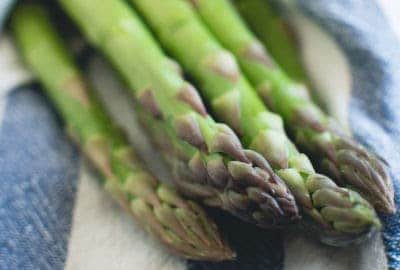

The world awakens in spring with a sigh of relief, shedding winter’s chill and embracing the vibrant promise of renewal. Sunlight lengthens, birdsong fills the air, and the earth, after its long slumber, begins to yield its first, most precious treasures. Among these harbingers of verdant abundance, one stands tall, slender, and undeniably regal: asparagus. More than just a vegetable gracing our plates, asparagus is a symbol of spring itself, an ancient delicacy, a nutritional powerhouse, and a culinary chameleon – truly the ultimate spring superfood.
To call asparagus merely "green" would be an understatement; it is the very essence of green, a vibrant emerald spear bursting with life and flavor. For the discerning palate and the health-conscious mind, asparagus offers a story woven through millennia, a testament to its enduring appeal and profound benefits. Let us embark on a journey to uncover the multifaceted brilliance of Asparagus officinalis, from its historical roots to its microscopic marvels, and understand why this spring ephemeral deserves its crown.
A Journey Through Time: The Ancient Lineage of Asparagus
Our story begins not in a modern kitchen, but in the sun-drenched lands of the ancient Mediterranean. The very word "asparagus" derives from the Greek "asparagos," meaning "to sprout" or "shoot," a fitting description for its swift emergence from the earth. Evidence of its consumption dates back over 5,000 years, etched into hieroglyphics on Egyptian tombs where it was depicted as an offering to the gods. The Egyptians revered it not only for its flavor but also for its perceived medicinal properties.
The Greeks, famed for their philosophical inquiries and appreciation of nature, recognized asparagus for its therapeutic qualities, particularly as a diuretic. However, it was the Romans who truly elevated asparagus to a culinary art form. The legendary Roman gourmand Apicius, in his ancient cookbook De Re Coquinaria, provided detailed instructions for its preparation, advocating for its delicate flavor and versatility. Roman emperors were known to send entire legions to harvest wild asparagus, so prized was this slender green stalk. They even developed ingenious methods to preserve it, drying it for later rehydration, a testament to its value in a time before refrigeration. The Roman love affair with asparagus wasn’t purely epicurean; they also attributed aphrodisiac qualities to it, a reputation that would persist for centuries.
As the Roman Empire waned, asparagus found refuge in the monastic gardens of medieval Europe, where monks cultivated it for its medicinal virtues. Its journey across the continent was gradual but persistent. By the Renaissance, it had resurfaced as a prized delicacy, particularly in France, where it was known as "sperage." King Louis XIV, the Sun King, was reportedly so fond of asparagus that he ordered special greenhouses to be built at Versailles to ensure a year-round supply, even through the harsh French winters. This royal endorsement solidified its status as a food of luxury and refinement.
From France, asparagus spread to England, where Samuel Pepys famously noted in his 17th-century diary, "Came home, and there find my wife dressing of asparagus for dinner, and as good as ever I eat in my life." Its arrival in the New World was facilitated by European colonists, and by the 18th century, it was being cultivated in America, initially in the wealthier households and gradually becoming more accessible. Today, major asparagus-producing regions span the globe, from California and Washington in the United States to Peru, China, and Germany, each contributing to its global culinary presence. This rich history underscores asparagus’s enduring appeal, transcending cultures and centuries, solidifying its place not just as a seasonal treat but as a historical and cultural artifact.
The Anatomy of Spring: Understanding Asparagus officinalis
To truly appreciate asparagus, it helps to understand its unique biology. Asparagus officinalis is a member of the Liliaceae family, making it a distant cousin to onions, garlic, and lilies. Unlike most annual vegetables, asparagus is a perennial plant, meaning it lives for many years, often for 15-20 seasons, producing edible spears each spring from the same root system. This longevity is part of its magic, a promise of continuous renewal.
The plant’s life cycle is fascinating. It begins with a "crown," a dense network of roots that lies dormant underground during winter. As the soil warms in early spring, these crowns send up tender, succulent shoots – the asparagus spears we covet. These spears are actually young stems, harvested before they have a chance to unfurl into fern-like foliage. The timing of this harvest is crucial; once a spear grows too tall and begins to branch out, it becomes tough and woody, losing its delicate flavor and texture. Farmers typically harvest spears for 6-8 weeks in spring, hand-picking them when they reach an optimal height of 6-10 inches.
After the harvesting period, some spears are allowed to grow unchecked, developing into tall, feathery "ferns." These ferns are vital for the plant’s health, photosynthesizing sunlight into energy that is then stored back in the crown, nourishing it for the following spring’s yield. This cycle of growth, harvest, and replenishment is a delicate balance, a testament to nature’s intricate design.
While most familiar with the vibrant green variety, asparagus comes in several distinct types, each with its own charm:
- Green Asparagus: The most common variety, its color is due to chlorophyll production when exposed to sunlight. It boasts a robust, slightly grassy flavor and a tender-crisp texture.
- White Asparagus: Particularly popular in Europe, especially Germany, where "Spargelzeit" (asparagus season) is a celebrated event. White asparagus is cultivated by earthing up the soil around the growing spears, depriving them of sunlight. This lack of photosynthesis prevents chlorophyll development, resulting in its pale color. It tends to be more tender, with a milder, slightly sweeter, and less bitter flavor than green asparagus, often requiring peeling to remove its slightly tougher outer skin.
- Purple Asparagus: A newer, less common variety, purple asparagus derives its striking hue from anthocyanins, the same powerful antioxidants found in blueberries and red cabbage. It’s often sweeter and more tender than green asparagus, with a nutty undertone, and is less fibrous. Interestingly, some of its purple pigment may fade upon cooking, turning it a more muted green.
Each type offers a slightly different culinary experience, but all share the fundamental goodness that makes asparagus a superfood.
The Emerald Elixir: A Deep Dive into Asparagus’s Nutritional Profile
Beyond its captivating history and botanical uniqueness, asparagus earns its "superfood" moniker through an exceptional nutritional profile. It is a true emerald elixir, delivering a concentrated punch of vitamins, minerals, fiber, and unique phytonutrients, all wrapped in a low-calorie, high-water package. A mere cup of cooked asparagus (around 180 grams) contains only about 40 calories but is bursting with essential nutrients.
Let’s unpack the treasure chest of goodness found within each spear:
Vitamins:
- Vitamin K (Phylloquinone): Asparagus is an outstanding source of Vitamin K, providing well over the daily recommended intake per serving. Vitamin K is crucial for blood clotting, helping to prevent excessive bleeding. More recently, its vital role in bone health has come to the forefront. It helps the body produce osteocalcin, a protein necessary for calcium binding and proper bone mineralization, contributing to strong, healthy bones and potentially reducing the risk of osteoporosis.
- Folate (Vitamin B9): This B-vitamin is a star player in asparagus. Folate is indispensable for cell division and DNA synthesis, making it critical for growth and repair throughout the body. Its importance during pregnancy cannot be overstated, as it helps prevent neural tube defects in developing fetuses. Furthermore, folate plays a significant role in cardiovascular health by helping to regulate homocysteine levels in the blood. Elevated homocysteine is a risk factor for heart disease and stroke, and folate helps convert it into other beneficial compounds.
- Vitamin A (Beta-Carotene): Asparagus contains a good amount of beta-carotene, a precursor to Vitamin A. This fat-soluble vitamin is vital for maintaining healthy vision, particularly in low light conditions, and supports the integrity of mucous membranes and skin. It also acts as a potent antioxidant, protecting cells from damage.
- Vitamin C (Ascorbic Acid): A well-known immune booster, Vitamin C is also present in asparagus. It’s a powerful antioxidant that combats free radicals, supports collagen production for healthy skin, hair, and connective tissues, and aids in iron absorption.
- Vitamin E (Alpha-Tocopherol): Another fat-soluble antioxidant, Vitamin E works synergistically with Vitamin C to protect cells from oxidative stress. It plays a role in immune function and skin health.
- Other B-Vitamins (B1, B2, B6): Asparagus contributes to our intake of several other B-vitamins, including Thiamin (B1), Riboflavin (B2), and Pyridoxine (B6). These vitamins are essential co-factors in various metabolic processes, helping the body convert food into energy, maintain nerve function, and support red blood cell production.
Minerals:
- Potassium: Asparagus is a good source of potassium, an electrolyte crucial for maintaining fluid balance, nerve signals, and muscle contractions. It also plays a key role in blood pressure regulation, helping to counteract the effects of sodium and support cardiovascular health.
- Iron: While not as rich in iron as red meat, asparagus provides a respectable amount of this mineral, which is essential for oxygen transport in the blood (as part of hemoglobin) and for energy metabolism.
- Phosphorus: Important for bone and teeth formation, as well as for energy production (ATP) and cell signaling.
- Zinc, Selenium, Manganese: These trace minerals are present in smaller but significant amounts. Zinc is vital for immune function and wound healing. Selenium is a powerful antioxidant and plays a role in thyroid hormone metabolism. Manganese is a component of antioxidant enzymes and is involved in bone formation and metabolism.
Fiber:
Asparagus is an excellent source of dietary fiber, offering both soluble and insoluble types.
- Insoluble Fiber: Adds bulk to stool, promoting regular bowel movements and preventing constipation, contributing to overall digestive regularity.
- Soluble Fiber: Forms a gel-like substance in the digestive tract, which can help lower cholesterol levels, stabilize blood sugar by slowing glucose absorption, and promote a feeling of fullness, aiding in weight management.
Phytonutrients & Bioactive Compounds:
Beyond the standard vitamins and minerals, asparagus boasts a remarkable array of unique plant compounds, many of which contribute significantly to its superfood status.
- Antioxidants Galore:
- Glutathione: Often called the "master antioxidant," glutathione is abundant in asparagus. It plays a critical role in cellular detoxification processes, helping the body neutralize harmful free radicals and flush out toxins. Its presence is a major reason asparagus is considered a potent anti-cancer food.
- Flavonoids: Asparagus is rich in various flavonoids, including quercetin, kaempferol, and isorhamnetin. These powerful plant pigments are known for their anti-inflammatory and antioxidant properties. They help protect blood vessels, reduce oxidative stress, and may contribute to cardiovascular health and cancer prevention.
- Anthocyanins: Found specifically in purple asparagus, these vibrant pigments are potent antioxidants with well-documented benefits for cardiovascular health, cognitive function, and anti-inflammatory action.
- Saponins: These naturally occurring plant compounds, present in asparagus, have been studied for their potential cholesterol-lowering and anti-cancer properties.
- Asparagusic Acid: This is the unique sulfur-containing compound found exclusively in asparagus. It’s responsible for the distinctive, sometimes pungent, odor in urine after consuming asparagus – a phenomenon that has puzzled and amused people for centuries. Scientifically, when asparagusic acid is digested, it’s broken down into several volatile sulfur compounds that are rapidly excreted through the kidneys. Not everyone can smell it, however; genetic variations in olfactory receptors determine whether an individual perceives the odor. While its primary claim to fame is its urinary effect, asparagusic acid is also thought to contribute to the plant’s unique flavor profile and potentially its antioxidant properties.
- Prebiotics (Inulin & Fructooligosaccharides – FOS): Asparagus contains significant amounts of prebiotics, particularly inulin and FOS. These are non-digestible fibers that act as food for beneficial gut bacteria (probiotics) in the colon. By nourishing a healthy gut microbiome, prebiotics promote digestive health, enhance nutrient absorption, and bolster the immune system, as a significant portion of our immune cells reside in the gut.
This intricate tapestry of nutrients and bioactive compounds positions asparagus not just as a healthy food, but as a truly exceptional one, capable of contributing to a vast array of health benefits.
The Symphony of Wellness: Health Benefits Beyond Nutrition
With such an impressive nutritional arsenal, it’s no surprise that asparagus offers a comprehensive suite of health benefits, contributing to overall well-being and disease prevention.
- Digestive Harmony: The high fiber content, both soluble and insoluble, is a boon for digestive health. Insoluble fiber adds bulk and promotes regularity, preventing constipation. Soluble fiber, along with the prebiotics inulin and FOS, feeds beneficial gut bacteria. A healthy gut microbiome is crucial for efficient digestion, nutrient absorption, and even mood regulation. By fostering a thriving gut environment, asparagus supports a balanced digestive system, reducing issues like bloating and discomfort.
- Cardiovascular Guardian: Asparagus is a friend to the heart. Its rich folate content helps lower homocysteine levels, a known risk factor for heart disease. Potassium contributes to healthy blood pressure by counteracting sodium and promoting vasodilation. The array of antioxidants and anti-inflammatory compounds found in asparagus (flavonoids, Vitamin C, Vitamin E) further protect the cardiovascular system by reducing oxidative stress and inflammation, key contributors to arterial damage and plaque buildup.
- Inflammation Tamer: Chronic inflammation is at the root of many modern diseases, including arthritis, diabetes, and heart disease. The powerful anti-inflammatory phytonutrients in asparagus, such as flavonoids (quercetin, kaempferol) and saponins, help to quell systemic inflammation, offering a natural defense against these conditions.
- Blood Sugar Balancer: For those concerned with blood sugar regulation, asparagus is an excellent choice. Its high fiber content slows down sugar absorption, preventing rapid spikes and crashes. Furthermore, studies suggest that certain compounds in asparagus may help improve insulin sensitivity and support the function of pancreatic beta cells, which produce insulin.
- Bone Fortifier: With its exceptional Vitamin K content, asparagus is a vital ally for bone health. Vitamin K is essential for bone mineralization and the regulation of calcium, working in conjunction with calcium and Vitamin D to build and maintain strong bones, thereby reducing the risk of fractures and osteoporosis. The presence of phosphorus and manganese further supports skeletal integrity.
- Cancer Combatant: The potent antioxidant and anti-inflammatory properties of asparagus make it a promising food in the fight against cancer. Glutathione, the "master antioxidant," plays a crucial role in detoxification, helping to neutralize carcinogens and protect cells from DNA damage. The flavonoids and saponins also exhibit anti-proliferative effects, potentially inhibiting the growth of cancer cells and inducing apoptosis (programmed cell death) in various cancer lines. While not a cure, regular consumption of asparagus can be a valuable part of a cancer-preventive diet.
- Weight Management Ally: Asparagus is a dream food for weight watchers. It’s incredibly low in calories (about 20 calories per 100 grams) and very high in water content, making it hydrating and filling without contributing excess energy. The substantial fiber content promotes satiety, helping you feel fuller for longer and reducing overall calorie intake.
- Natural Detoxifier: The diuretic properties of asparagus, combined with its high water content, help flush excess fluids and waste products from the body. This natural cleansing action supports kidney function and helps reduce bloating. Moreover, the presence of glutathione further aids the liver’s detoxification pathways, assisting in the elimination of environmental toxins and metabolic byproducts.
- Brain Booster: The folate in asparagus is crucial for cognitive function, helping to produce neurotransmitters that regulate mood and memory. B-vitamins, in general, are vital for nerve health and energy metabolism in the brain. Some research suggests that the antioxidants in asparagus may help protect brain cells from oxidative damage, potentially reducing the risk of cognitive decline.
- Immune System Reinforcement: A robust immune system is our first line of defense against illness. Asparagus supports immunity through multiple avenues: its Vitamin C content directly boosts immune cell function, while its rich array of antioxidants protects immune cells from damage. Crucially, the prebiotics in asparagus foster a healthy gut microbiome, which is intrinsically linked to a strong and responsive immune system.
- Skin Radiance: The combined action of Vitamin C, Vitamin E, and various antioxidants helps protect skin cells from environmental damage, promotes collagen production for elasticity, and contributes to a healthy, radiant complexion from within.
Each spear of asparagus, therefore, is not just a tasty morsel; it is a meticulously crafted package of nature’s finest ingredients, working in concert to promote a holistic state of wellness.
From Earth to Table: Celebrating Asparagus in the Kitchen
The journey of asparagus from the field to our forks is as delightful as its nutritional profile. To truly savor this spring superfood, a little knowledge about selection, storage, and preparation goes a long way.
Selection & Storage:
When selecting asparagus, look for spears that are firm, straight, and brightly colored. The tips should be closed and tight, not splayed or mushy, indicating freshness. Avoid spears that look wilted, dry, or have soft spots. Thicker spears tend to be more fibrous at the base but often have a richer flavor; thinner spears are generally more tender throughout.
To store, treat asparagus like a bouquet of flowers. Trim about an inch off the bottom of the stalks, then stand them upright in a glass jar or container with about an inch of water at the bottom. Cover the tips loosely with a plastic bag and refrigerate. Stored this way, asparagus can remain fresh and crisp for up to a week.
Preparation:
Before cooking, give the spears a quick rinse. The woody ends of asparagus are inedible and should be removed. The easiest way is to gently bend a spear; it will naturally snap where the tender part meets the tough, fibrous end. For very thick spears, especially white asparagus, you might consider peeling the bottom half of the stalk with a vegetable peeler to ensure uniform tenderness, though this is often unnecessary for green varieties.
Cooking Methods:
Asparagus is incredibly versatile, adapting beautifully to a multitude of cooking methods, each bringing out different facets of its flavor and texture:
- Steaming: Perhaps the quintessential method, steaming preserves the vibrant green color, delicate flavor, and tender-crisp texture. Steam for 3-5 minutes until bright green and just tender.
- Roasting: Roasting at high heat (400-425°F/200-220°C) with a drizzle of olive oil, salt, and pepper caramelizes the natural sugars, creating a slightly nutty, sweeter flavor and a beautifully tender interior with slightly crisp edges. Roast for 10-15 minutes.
- Grilling: For a smoky char, grill asparagus over medium-high heat for 5-8 minutes, turning occasionally. The slight char adds depth and a wonderful texture.
- Sautéing: Quick and flavorful, sautéing in a pan with a little butter or olive oil allows for easy incorporation of other ingredients like garlic or herbs. Sauté for 5-7 minutes.
- Blanching: Briefly submerging asparagus in boiling water followed by an ice bath (blanching) is ideal for preserving its vibrant color and crispness, perfect for salads or as a component in larger dishes.
- Raw: Don’t overlook raw asparagus! Thinly shaved with a vegetable peeler, it adds a refreshing crunch and delicate flavor to salads.
Flavor Pairings:
Asparagus has a natural affinity for many ingredients. Classic pairings include a squeeze of fresh lemon juice, a knob of melted butter, or a rich hollandaise sauce. It’s superb with eggs in frittatas, omelets, or as a side to a perfectly poached egg. Cheese, especially Parmesan or goat cheese, complements its earthy notes. Prosciutto or bacon wrapped around spears adds a salty, savory dimension. It pairs wonderfully with seafood, particularly salmon or shrimp, and fresh herbs like dill, chives, or tarragon. From Italian risottos and French tarts to Asian stir-fries and simple grilled preparations, asparagus effortlessly elevates any dish.
Conclusion: The Enduring Allure of Spring’s Emerald Gem
From its ancient origins in the Mediterranean to its celebrated status on modern plates, asparagus has journeyed through time, captivating palates and nourishing bodies across civilizations. It is more than just a seasonal delicacy; it is a testament to the earth’s generosity and a powerful reminder of nature’s innate ability to provide for our well-being.
Each slender spear of asparagus encapsulates a remarkable story – a history steeped in royal feasts and medicinal lore, a biological marvel of perennial renewal, and a nutritional powerhouse brimming with essential vitamins, minerals, fiber, and unique phytonutrients. Its comprehensive health benefits, ranging from cardiovascular protection and digestive harmony to anti-inflammatory action and cancer prevention, firmly establish it as the ultimate spring superfood.
As spring unfurls its vibrant tapestry each year, signaling new beginnings and fresh opportunities, let us embrace this emerald gem with renewed appreciation. Savor its delicate flavor, revel in its crisp texture, and celebrate the profound wellness it brings. Asparagus is not merely food; it is an invitation to partake in the vitality of spring, a vibrant promise of health, and a delicious celebration of life itself. So, this season, eat your greens – and let the humble, yet magnificent, asparagus lead the way.