
The Unveiling of "Red Gold": A Journey from Ancient Lore to Modern Neuroscience
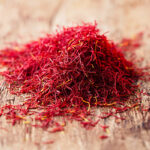
In the annals of history, few spices have captivated the human imagination quite like saffron. From the sun-drenched fields of ancient Persia and Greece, where it was revered as a symbol of royalty, healing, and divine connection, to the bustling spice markets of today, Crocus sativus has always been more than just a culinary delight. Its threads, crimson and fragrant, have colored dishes, dyed fabrics, and infused traditional medicines for millennia. But beyond its vibrant hue and intoxicating aroma lies a deeper, more profound narrative: saffron’s extraordinary potential as a neuroprotective agent, a silent guardian for the most complex organ in the known universe – the human brain.
For centuries, anecdotal evidence and traditional practices hinted at saffron’s calming and mood-enhancing properties. Ancient physicians, from Hippocrates to Avicenna, prescribed it for melancholia, insomnia, and various ailments of the nervous system. Yet, like many ancient remedies, its true mechanisms remained shrouded in mystery, dismissed by some as folklore. Today, however, the relentless gaze of modern science, armed with sophisticated analytical tools and rigorous methodologies, is meticulously peeling back these layers of time and tradition. What it is revealing is nothing short of remarkable: a complex symphony of bioactive compounds within saffron working in concert to defend, restore, and optimize brain function.
This article embarks on a journey to explore the multifaceted neuroprotective properties of saffron. We will delve into its rich biochemical arsenal, dissect the cellular and molecular mechanisms through which it exerts its beneficial effects, examine the growing body of clinical evidence, and ponder the implications for mental health, cognitive longevity, and the fight against neurodegenerative diseases. For the knowledgeable audience, we aim to move beyond superficial claims, offering a deep dive into the fascinating interplay between this ancient spice and the intricate workings of the human brain.
The Anatomy of "Red Gold": Decoding Saffron’s Bioactive Arsenal
To truly appreciate saffron’s neuroprotective prowess, one must first understand its chemical complexity. The vibrant red stigmas of the Crocus sativus flower are not merely a single entity but a rich phytocomplex, a natural pharmacy teeming with hundreds of compounds, each contributing to its unique profile. However, three primary classes of compounds are largely responsible for saffron’s most celebrated attributes – its color, aroma, and taste – and crucially, its therapeutic effects:
-
Crocins: These are the water-soluble carotenoid pigments that bestow saffron its distinctive golden-yellow hue. More than just coloring agents, crocins are powerful antioxidants and anti-inflammatory compounds. They are glycosylated esters of crocetin, meaning they are bound to sugar molecules, which enhances their solubility and bioavailability. Research suggests crocins are central to saffron’s ability to protect neurons from damage, enhance memory, and even promote neurogenesis.
-
Safranal: This monoterpene aldehyde is responsible for saffron’s characteristic pungent, earthy aroma. Derived from picrocrocin during the drying and heating process, safranal is a potent antioxidant, antidepressant, anxiolytic, and anticonvulsant agent. It plays a significant role in modulating neurotransmitter systems and protecting neuronal integrity.
-
Picrocrocin: While not directly responsible for the color or aroma, picrocrocin is a bitter glucoside that gives saffron its unique flavor. Crucially, it is the precursor to safranal. During the curing process, picrocrocin is hydrolyzed to glucose and safranal, highlighting the dynamic nature of saffron’s chemical transformation and the importance of proper processing.
Beyond these primary constituents, saffron also contains a wealth of other beneficial compounds, including various flavonoids (e.g., kaempferol, quercetin), anthocyanins, vitamins (B vitamins, vitamin C), and minerals. The prevailing scientific consensus is that saffron’s therapeutic efficacy stems not from any single compound acting in isolation, but from the synergistic interplay of its entire phytochemical orchestra. This holistic action is a hallmark of many traditional plant medicines and often provides a broader spectrum of effects with fewer side effects compared to isolated pharmaceutical agents.
The Battleground: Understanding Brain Vulnerabilities
Before we delve into saffron’s specific defensive strategies, it’s essential to understand the primary threats that constantly challenge brain health and contribute to neurodegeneration and cognitive decline. The brain, despite its remarkable resilience, is particularly vulnerable to several insidious processes:
-
Oxidative Stress: The brain is a highly metabolically active organ, consuming about 20% of the body’s oxygen. This intense metabolic activity inevitably generates reactive oxygen species (ROS), or free radicals. While some ROS are necessary for signaling, an imbalance between ROS production and the brain’s antioxidant defense mechanisms leads to oxidative stress. This "cellular rust" damages lipids (leading to lipid peroxidation, particularly harmful to neuronal membranes), proteins, and DNA, contributing significantly to neuronal dysfunction and death.
-
Neuroinflammation: Inflammation is the body’s natural response to injury or infection. In the brain, however, chronic or uncontrolled inflammation, often mediated by activated microglia (the brain’s immune cells) and astrocytes, can be profoundly detrimental. This "neuroinflammation" releases pro-inflammatory cytokines (e.g., IL-1β, TNF-α, IL-6), chemokines, and additional ROS, creating a vicious cycle that impairs neuronal function, damages synapses, and contributes to neurodegeneration.
-
Excitotoxicity: Neurons communicate via neurotransmitters. Glutamate is the primary excitatory neurotransmitter, crucial for learning and memory. However, excessive or prolonged stimulation of glutamate receptors (particularly NMDA receptors) leads to an overwhelming influx of calcium into neurons. This calcium overload triggers a cascade of damaging events, including mitochondrial dysfunction, ROS production, and ultimately, neuronal death – a process known as excitotoxicity.